
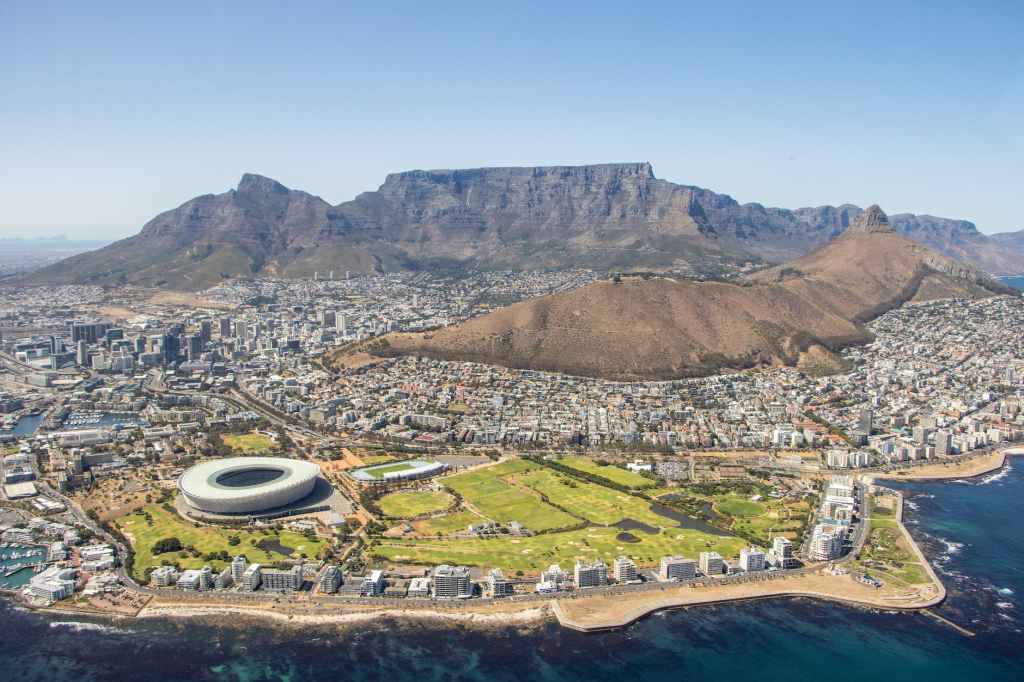
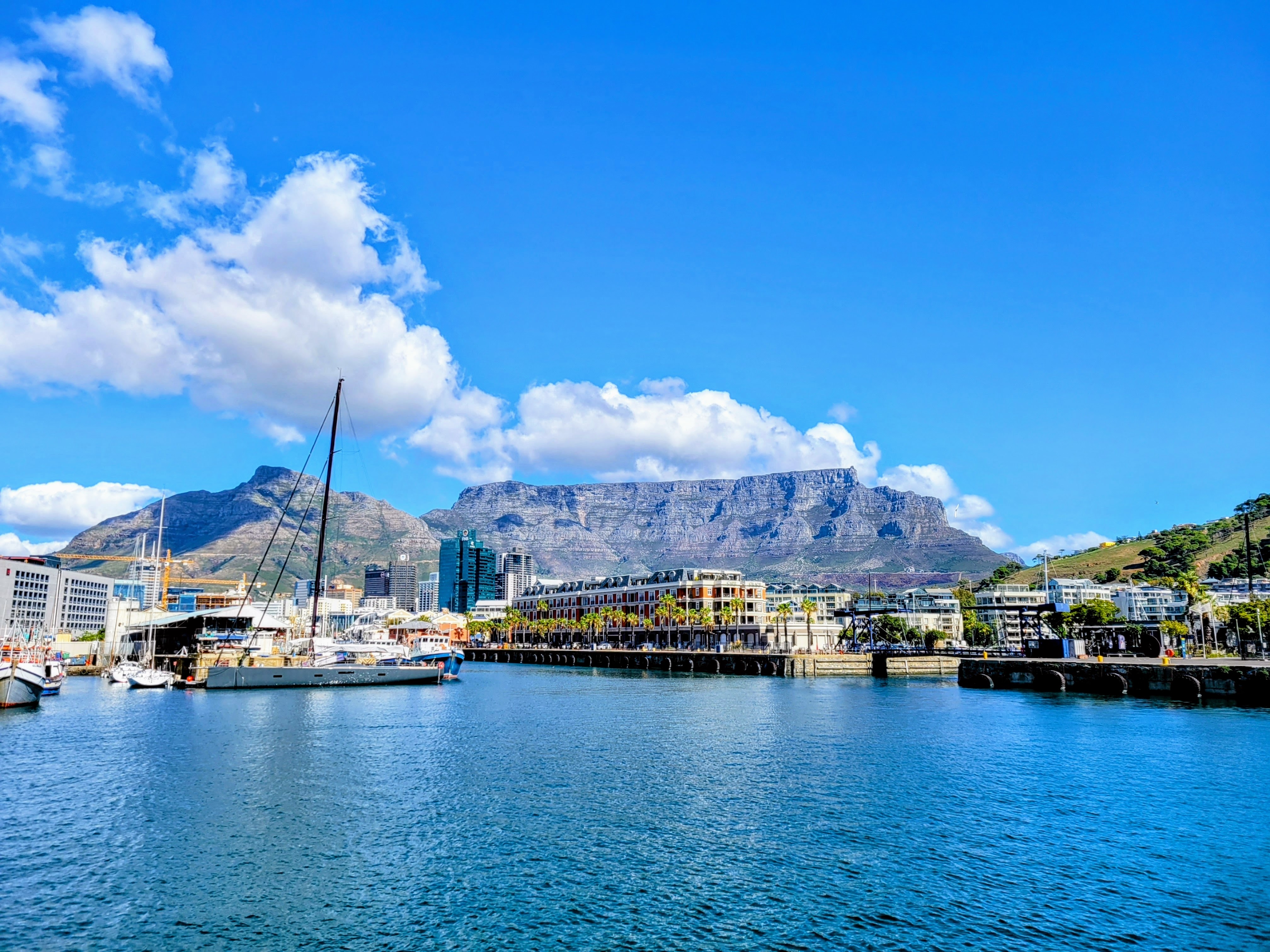
Cape Town is South Africa’s oldest city and its legislative capital. As a modern, cosmopolitan city surrounded by nature, with Table Mountain as its backdrop, tourists come from all over the world to enjoy its scenery, beaches, historical sites, cultural sites, and the vibrant food and wine scene. We spent a few nights in Cape Town and share 10 tips to help you plan your trip.
1) When to visit:
We visited in early April, at the time of the year when summer turns to fall. We packed for warm and sunny weather (forecasted to be 28 Celsius) but by the time we got to Cape Town, a cold front had moved in and made the weather much cooler and rainier than expected (it ended up being 10-17 Celsius). You can visit Cape Town year-round but for warm and sunny weather, visit between January to March.
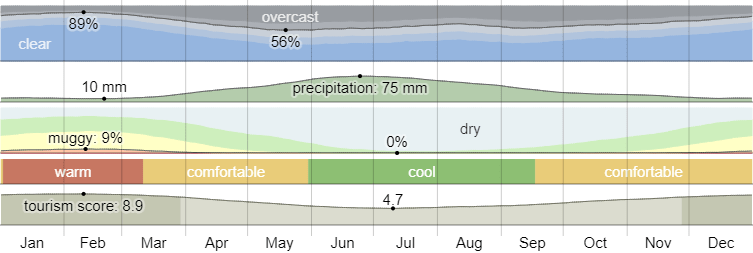
Source: https://weatherspark.com/y/82961/Average-Weather-in-Cape-Town-South-Africa-Year-Round
2) How long to stay:
You can spend as long as you want in Cape Town. Many of the people we met were spending the winter here to escape the cold winters in North America. For the average tourist, 3-7 days is enough. Many people also include Cape Town as part of a larger itinerary that includes time in the Wine Lands, before/after a safari, and a trip to Victoria Falls in Zimbabwe. We spent a few days in Cape Town and a few in Franschhoek before heading off to Mauritius on this trip.
3) Getting Here:
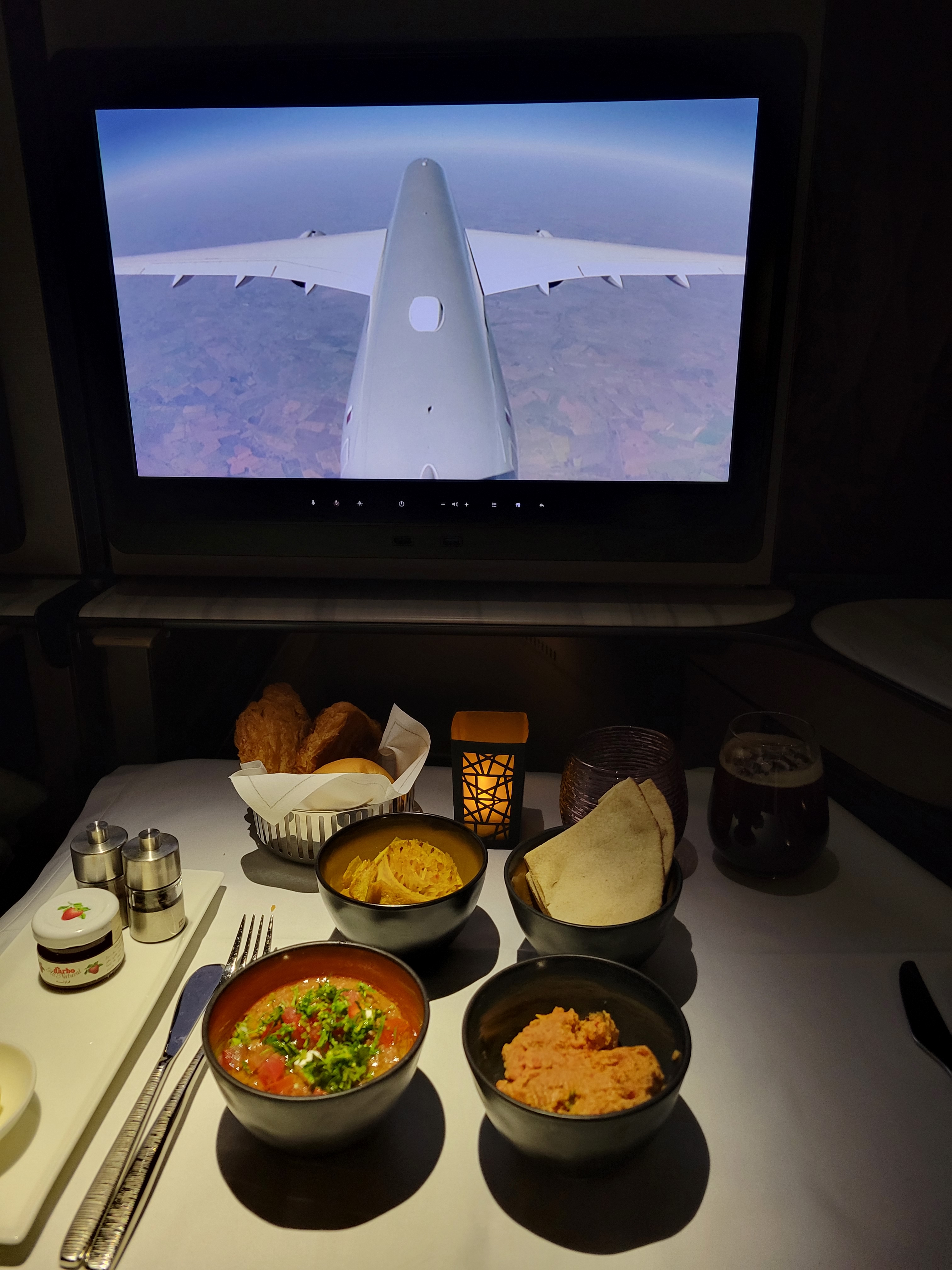
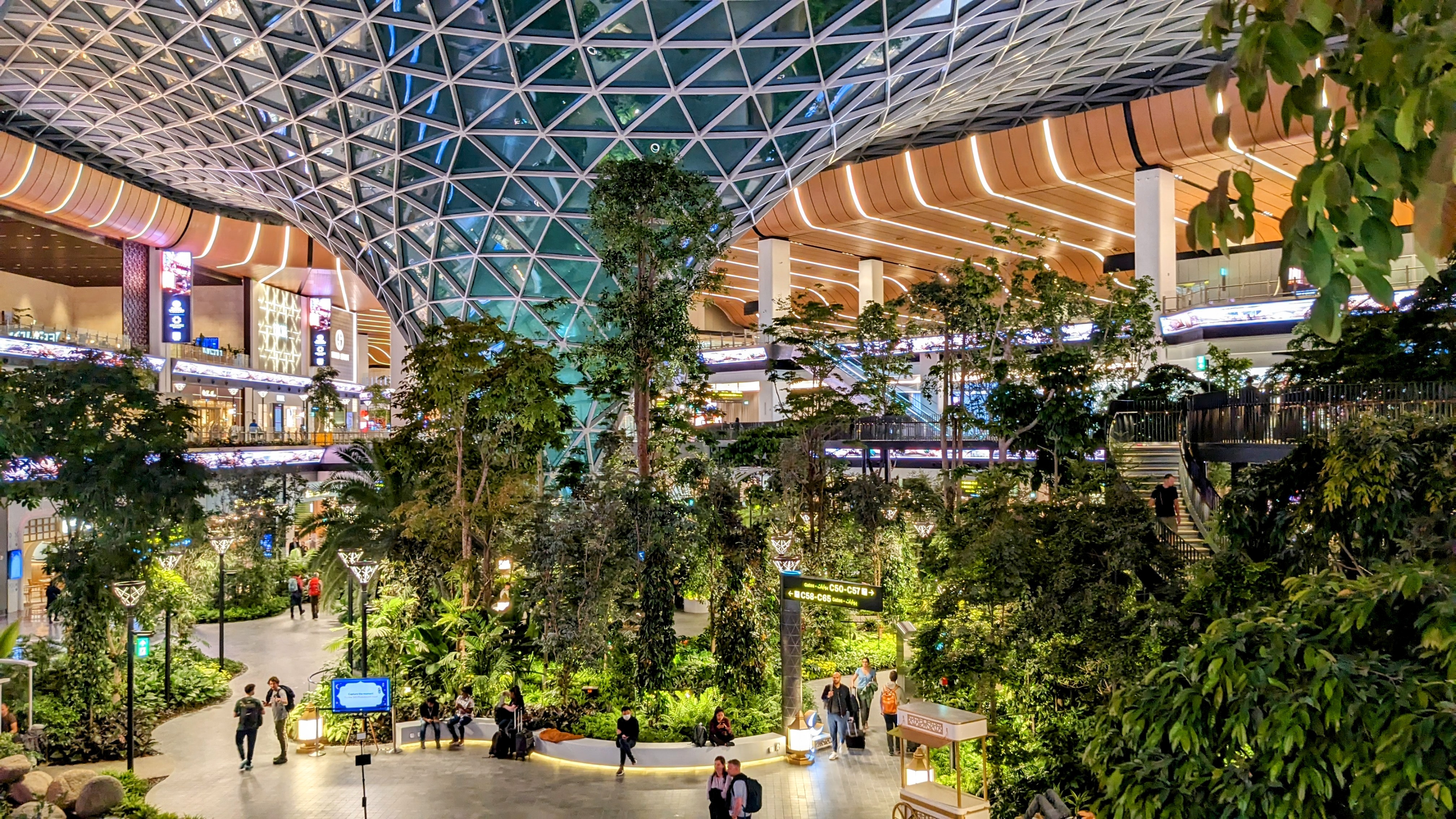
Initially, we had planned this as an around-the-world trip going from Vancouver to Singapore and then onwards to Cape Town on Singapore Airlines. Unfortunately, you cannot book a rewards ticket using Alaska Airlines Mileage Plan points to fly on Singapore Airlines from Singapore to Cape Town: you need to get off the flight in Johannesburg while the flight continues on to Cape Town. This routing would have involved too many flights, including flying on a South African low-cost carrier for the last leg of the trip and so we canceled it and rebooked to fly via Doha with Qatar Airways. The flight to Doha was close to 15 hours and the flight to Cape Town was 10 hours, making it a long trip to get here! If you can, the non-stop United flight from New York is a good option.


4) Cash VS Credit Card:
All the places we visited accepted credit card in Cape Town and Franschhoek, including smaller places, like the market stalls. It seemed like credit cards were the preferred method of payment overall. We did use cash a lot though as well, especially for smaller things and tips. We took out more cash than we probably needed to because we weren’t sure how things would work during the power outages due to power shedding.
It is also easy to find an ATM to withdraw cash at a reasonable exchange rate with no additional fees. For those who bank with Scotiabank, look for Absa ATMs (they also have one at the airport after clearing customs). When traveling, we often use our HSBC World Elite MasterCard as it doesn’t incur foreign transaction fees.
5) Entry Requirements:
It was really easy to enter South Africa as a tourist staying less than 90 days. There were no forms to fill out or any proof of vaccination to show. We did make sure to have printouts of our departure flights to Mauritius for the customs agent easily accessible though.
6) Budget:
Overall, we found visiting Cape Town very affordable and budget-friendly. Accommodations, car rentals, meals, drinks, and goods were priced very reasonably. You can find a really nice play to stay for under $200 a night, enjoy meals under $50 for two, and very good bottles of wine for under $25. In addition, we had a rental car but occasionally Uber and it was very cheap to get around this way as well.
7) Getting Around:
We chose to rent a car as our primary method of transportation in Cape Town for the freedom to explore on our own and also to make it more convenient to explore Franschhoek. Overall, we found it easy to drive in Cape Town and the surrounding areas. Like in Mauritius, people drive on the left side which takes some getting used to but you can figure it out pretty quickly. Overall, the roads were in good condition, Google Maps worked exceptionally well, and we had no issues.
In Cape Town, like many other places, there are unofficial parking guides who wear high visibility vests, help people park, and offer to watch their car for a donation. If you encounter this, it is best to tell them you will pay when you come back. Some people pay them and others don’t but make sure to have small change for this. We did not encounter this based on the places we parked but read about it and saw them.
If you are visiting the Oranjezicht City Farmers Market, we recommend parking in the designated pay lot at V&A Waterfront Breakwater parking garage and walking over instead of using the free parking that is managed by unofficial parking guides.
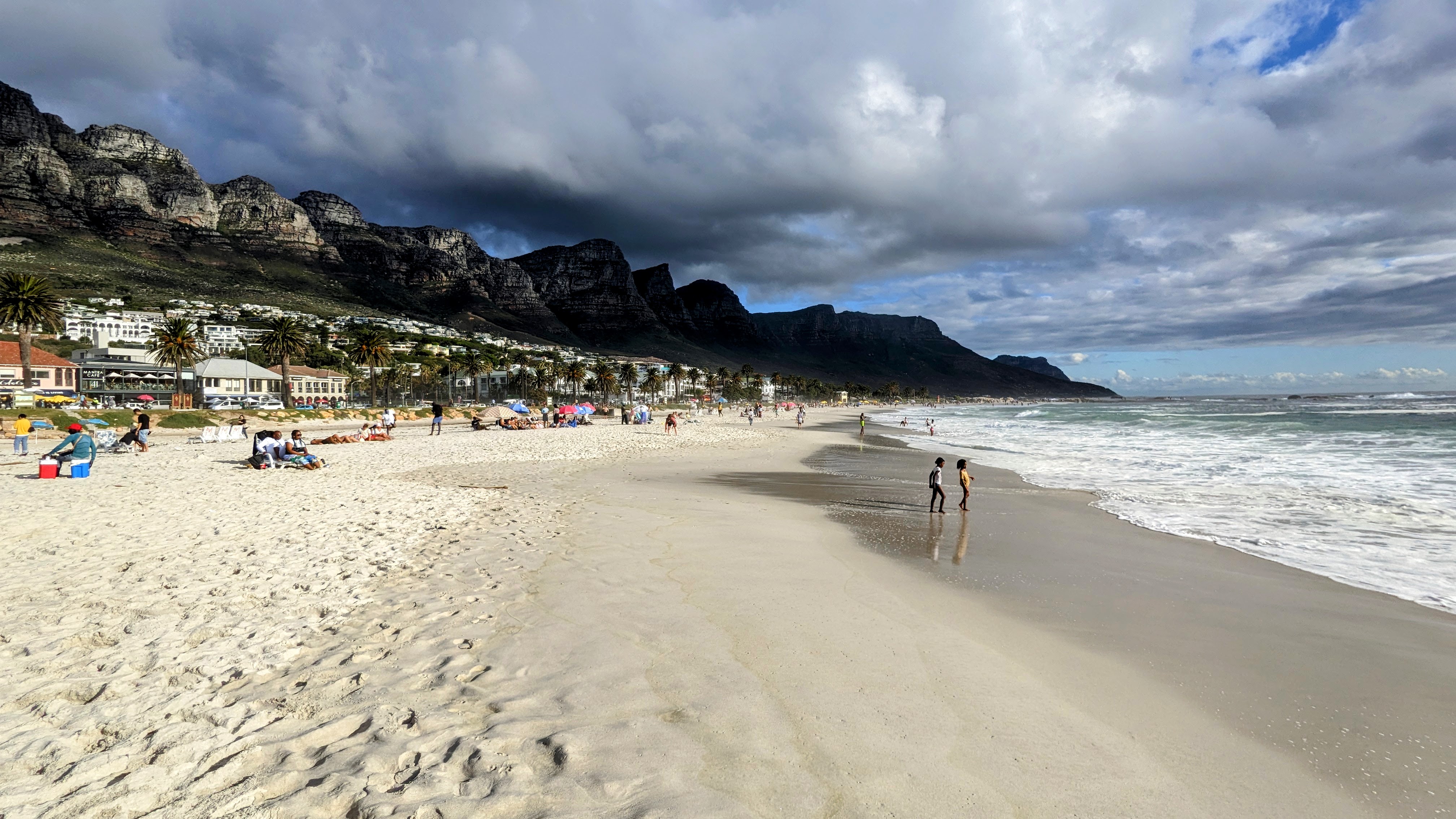
We also walked from Camps Bay to V&A Waterfront one day via Sea Point one day and really enjoyed that. We stopped to have coffee, snacks, and visited some shops. We then took an Uber to get around and back to Sea Point.
We do recommend taking Uber to get around within Cape Town as not all spots are the safest to walk or even the Cape Town Hop-On Hop-Off bus to visit the more touristy attractions.
8) Safety in Cape Town:
The Government of Canada Travel Advisory for South Africa is “Exercise a high degree of caution”, which is the 2nd highest advisory possible. Generally, we felt safe and comfortable in Cape Town and more so in Franschhoek. We took extra precautions when walking in Cape Town, like having a decoy phone and wallet with some small notes in it. This is something we’ve done in Mexico, Colombia, Thailand, Malaysia, Argentina, Chile, and other countries as well.
We did see some sketchier spots while being driven around in an Uber but they don’t seem as bad as the things we see here in Vancouver and on the West Coast. It does seem things can be totally fine for a few blocks and then one block the other way, things get sketchy fast. Serious crime is a problem in South Africa and tourists have been targeted and so visitors definitely need to do their research and work on mitigation strategies. When in doubt, just Uber or avoid the situation as much as possible.
In Cape Town, seeing electric fences, lots of barbwire, and patrols by private security is very common. The divide between people who can afford these security features and those who cannot is very high.
The situation is precarious right now due to the ongoing capacity constraints with the nation’s power grid and it is common to be without power for hours. Usually, a schedule is published and you can plan around it but some of the power outages are unpredictable and last for a few hours. Critical infrastructure is unaffected and many businesses have their own generators. Even if businesses like hotels have their own generators, it is for critical things and some things may not be usable during a power outage. We know of friends who were stuck in Cape Town longer because they ran out of jet fuel for airplanes. South Africa is struggling with infrastructure, it appears.
9) Where to Stay:
Choosing where to stay in Cape Town is very important. Unlike other city destinations, it is more difficult to just wander freely here and it takes some planning. For example, many things are closed in the City Bowl neighbourhood on Mondays and so it may not be easy to stay there and walk out to things. It is best to figure out what you want to do in Cape Town and choose a place to stay that is convenient to access those things but things are fairly condensed and it is easy to be within 15-30 minutes to many things.
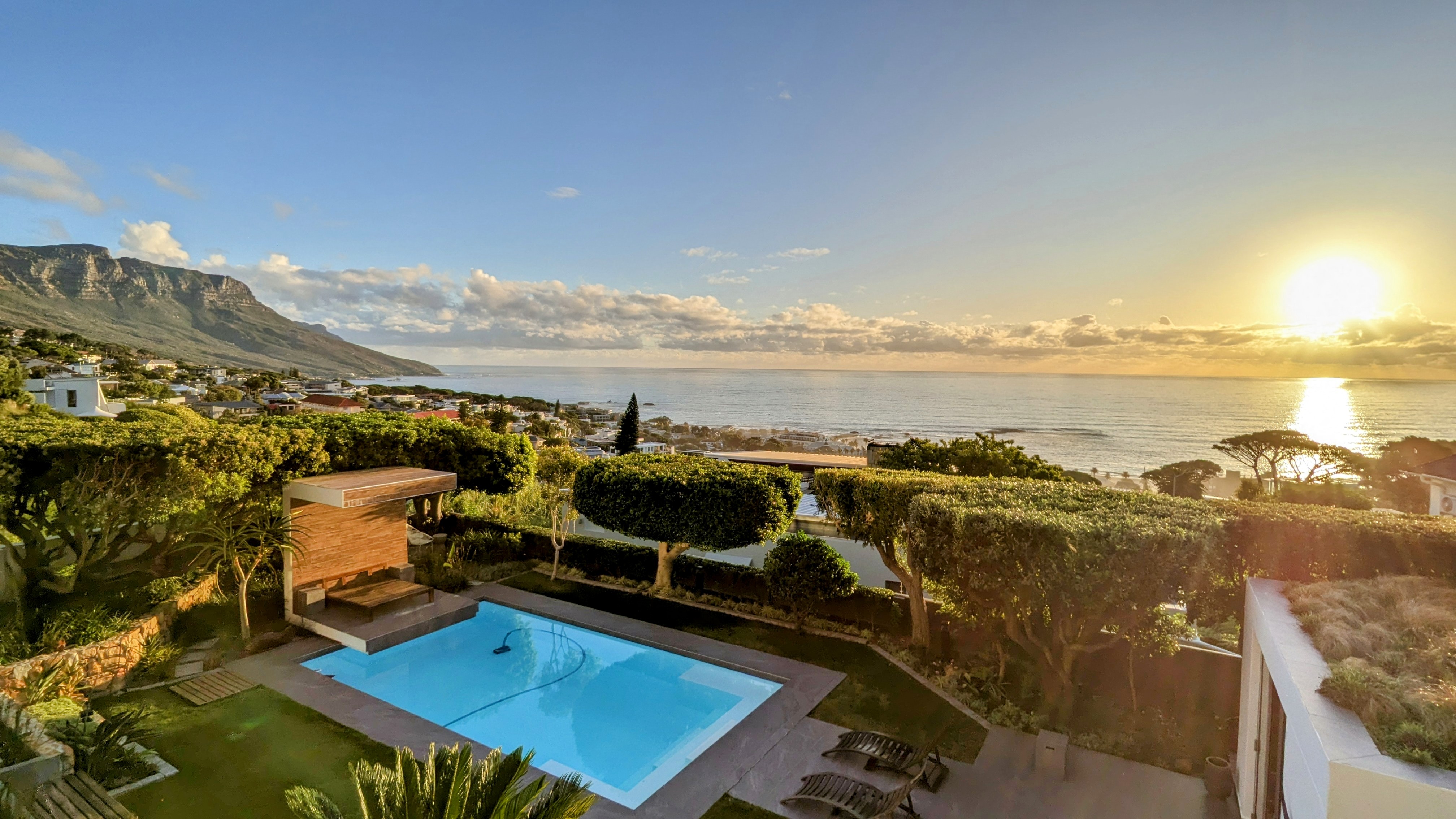
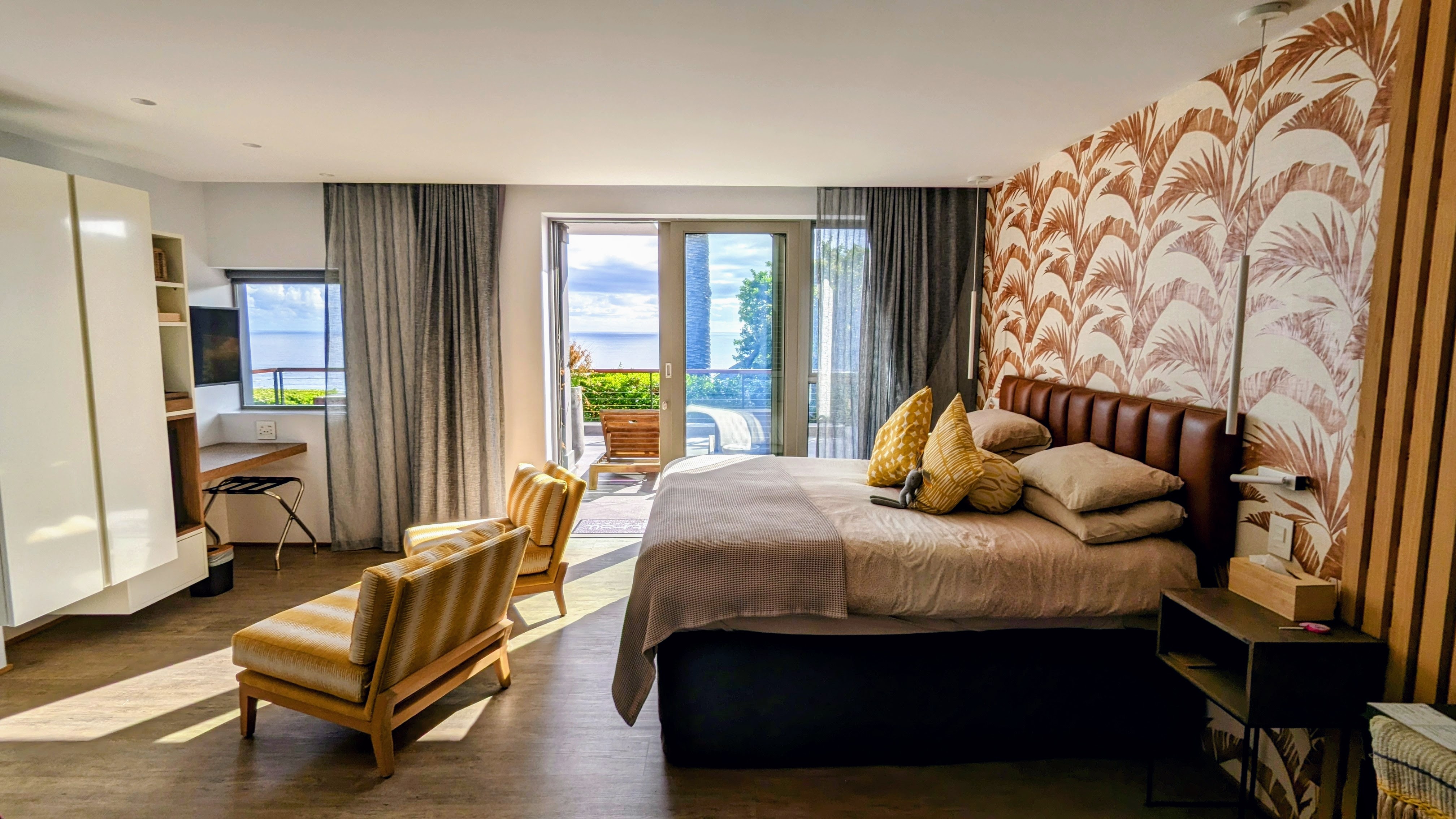
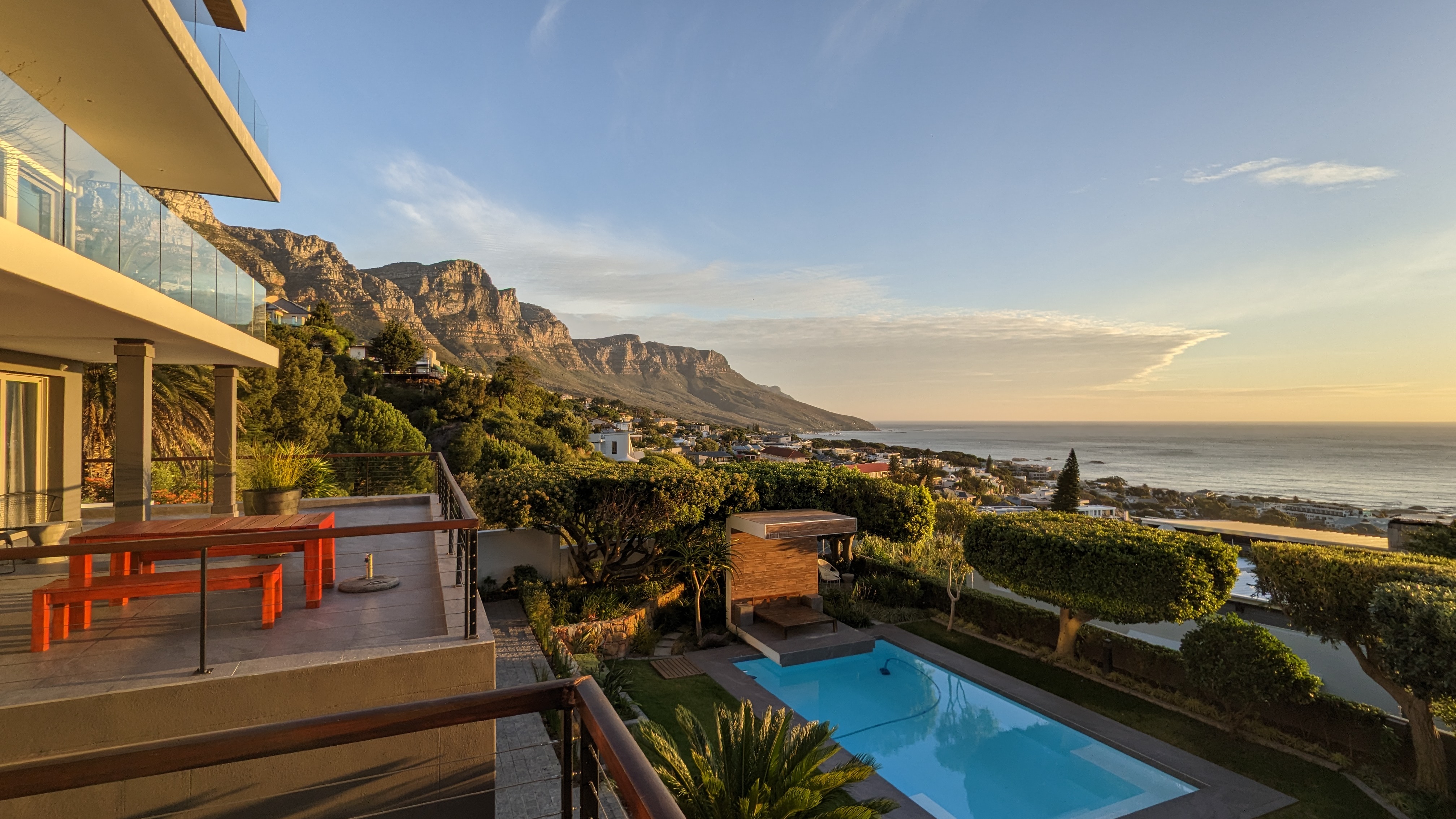
There are many nice hotels available in Cape Town, especially the boutique hotels. We chose to stay in Camps Bay, at Atholl House, a luxury boutique bed and breakfast geared to adults. Located within a 10 minute walk to Camps Bay Beach and about a 15 minute drive to Cape Town, Atholl House exceeded our expectations with the quality of the accommodations. The room design was creative, the room was very comfortable (they have a pillow and mattress menu for you to choose your bedding), we had access to a large patio with a view of the ocean and sunset, and the service was outstanding! We wouldn’t go back to Cape Town without staying here as it is truly incredible and top-notch.
As far as other options, we recommend these because they made it to our short list:
- Gorgeous George Hotel (Design Hotels): Conveniently located in the centre of Cape Town, Gorgeous George by Design Hotels ™ offers air-conditioned rooms with free WiFi, free private parking and room service. With a fitness centre, the property also has a terrace, as well as a bar. The property is allergy-free and is set 2.6 km from Robben Island Ferry.
- The Silo Hotel: Set in a converted 1920s grain elevator with glass windows and views of Table Bay Harbour and mountains, The Silo is a 5 star hotel that is probably the nicest place to stay in Cape Town. It is conveniently located in the V&A Waterfront area.
- Four Rosemead Guesthouse: Boasting panoramic views of Cape Town and its surroundings, Four Rosemad is set on the slopes of Table Mountain within walking distance of Kloof Street.
- One & Only: Located on the V&A Waterfront, One&Only has panoramic views of Table Mountain, an outdoor infinity pool, and the rooms have a balcony.
10) Things to do:
Here are some suggestions for things to do in Cape Town. We are not covering the most popular things are they are explained in detail on other blogs and in travel guides:
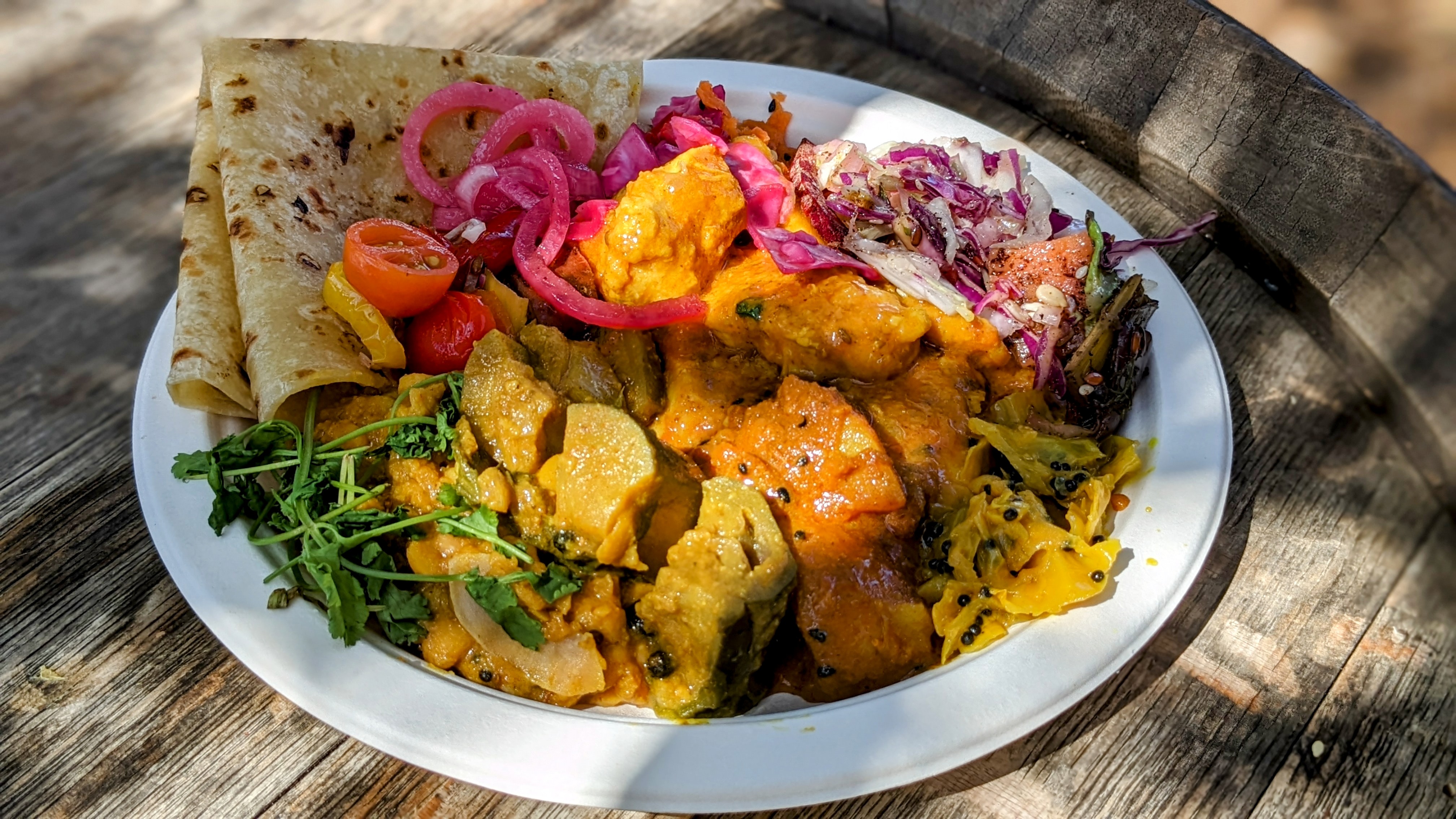
- Visit the Oranjezicht City Farmers Market: This was one of the best farmer’s markets we have ever been to! The atmosphere and all the prepared foods and drinks offered were amazing. We spent a few hours here chatting with other visitors, sipping tasty drinks, eating food, and purchasing things to have a picnic dinner on our patio at Atholl House. We recommend trying the cape malay food, the Portuguese tarts, the biltong, the gin and tonics, and the Lebanese mezzes from Aramoun (it was such a pleasure to meet you Christine, and sing along/dance to “Welcome to Cape Town!”)
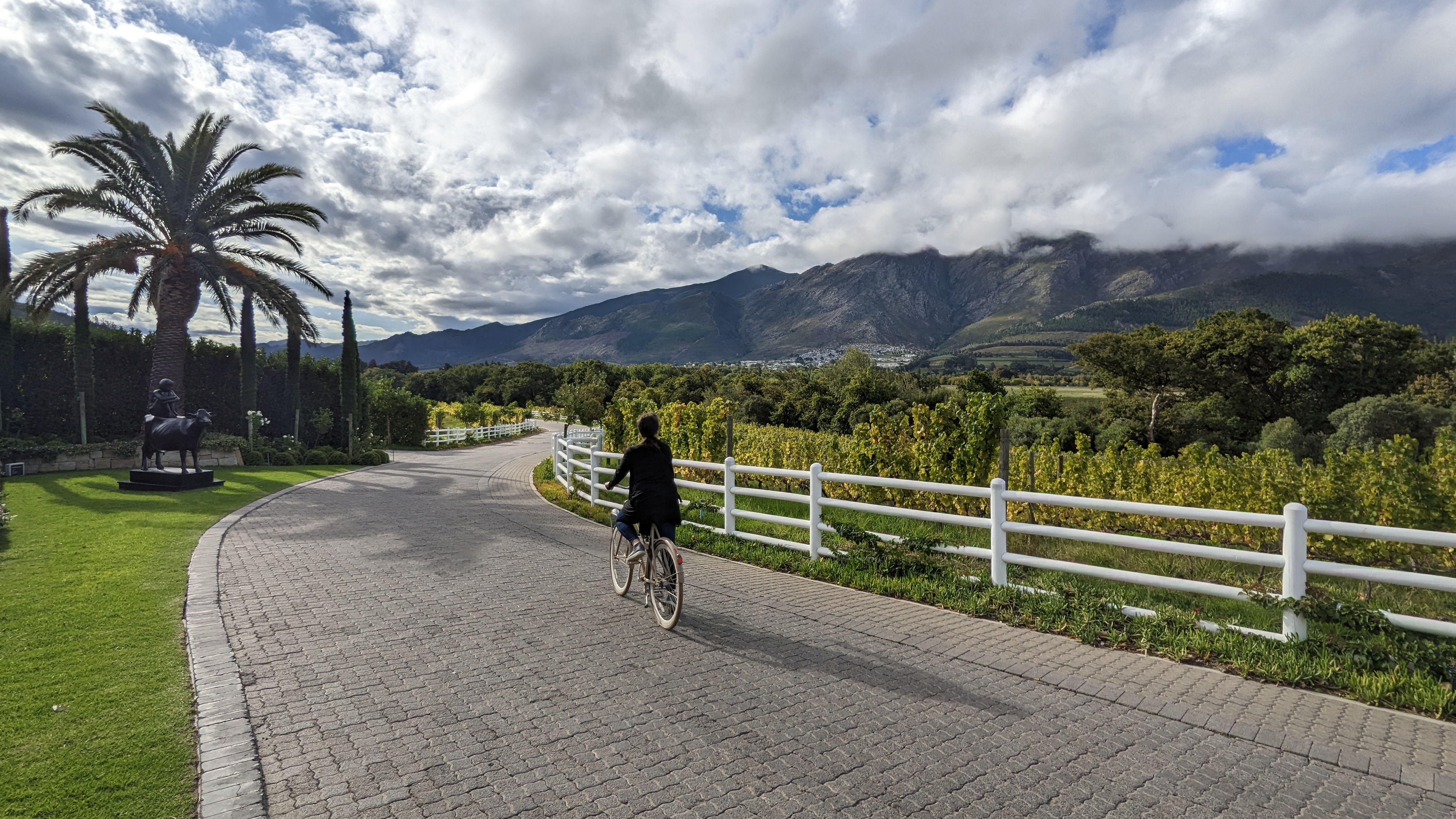
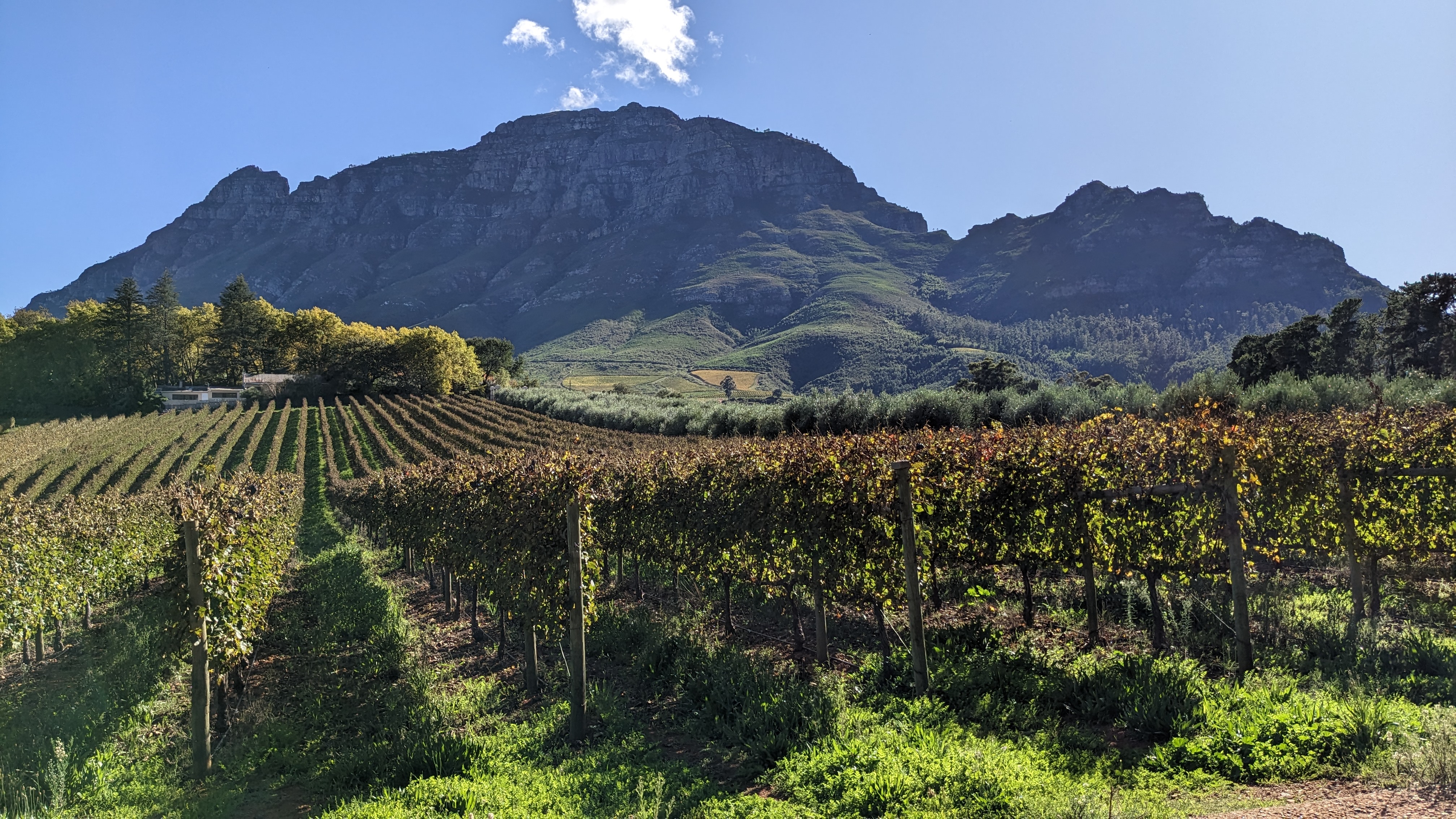
- Explore Franschhoek: We recommend checking out Franschhoek for the day or for 1-2 nights. As far as a wine region, it is well suited to tourists who want to do an organized tour or explore independently. The Franschhoek Wine Tram takes you to numerous wineries without having to worry about driving.
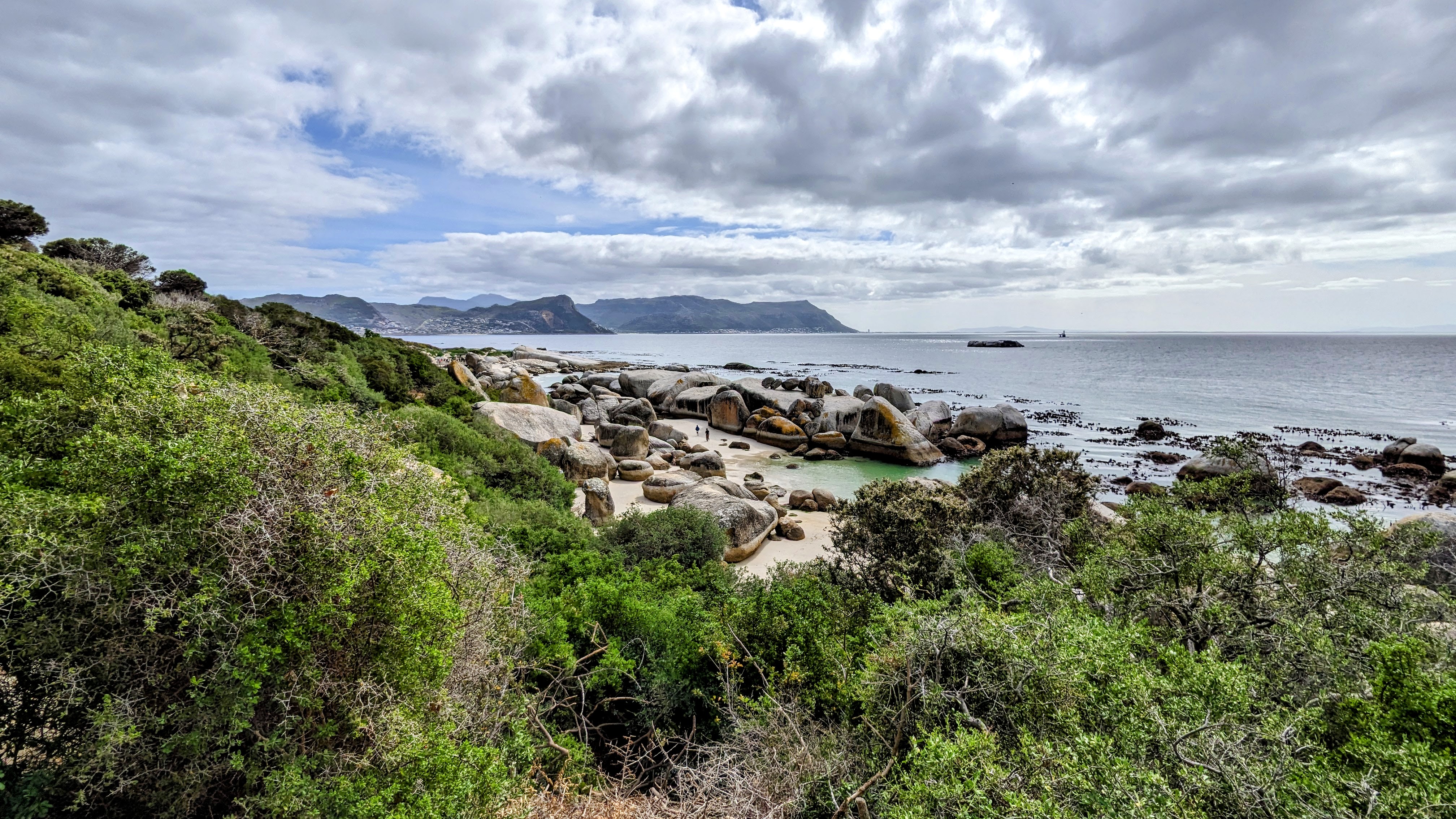
- Go see the penguins: We parked near Windmill Beach and walked along the coast to see penguins at Boulders Beach. It was a really nice and enjoyable walk to see the beaches and the boardwalk to see the penguins in the wild. You can pay about $12 to see the penguins in the Boulders Penguin Colony but it is super crowded and you can end up waiting in line. There weren’t as many penguins when we visited and the recommended time to see the most is from October to March early morning or early evening.
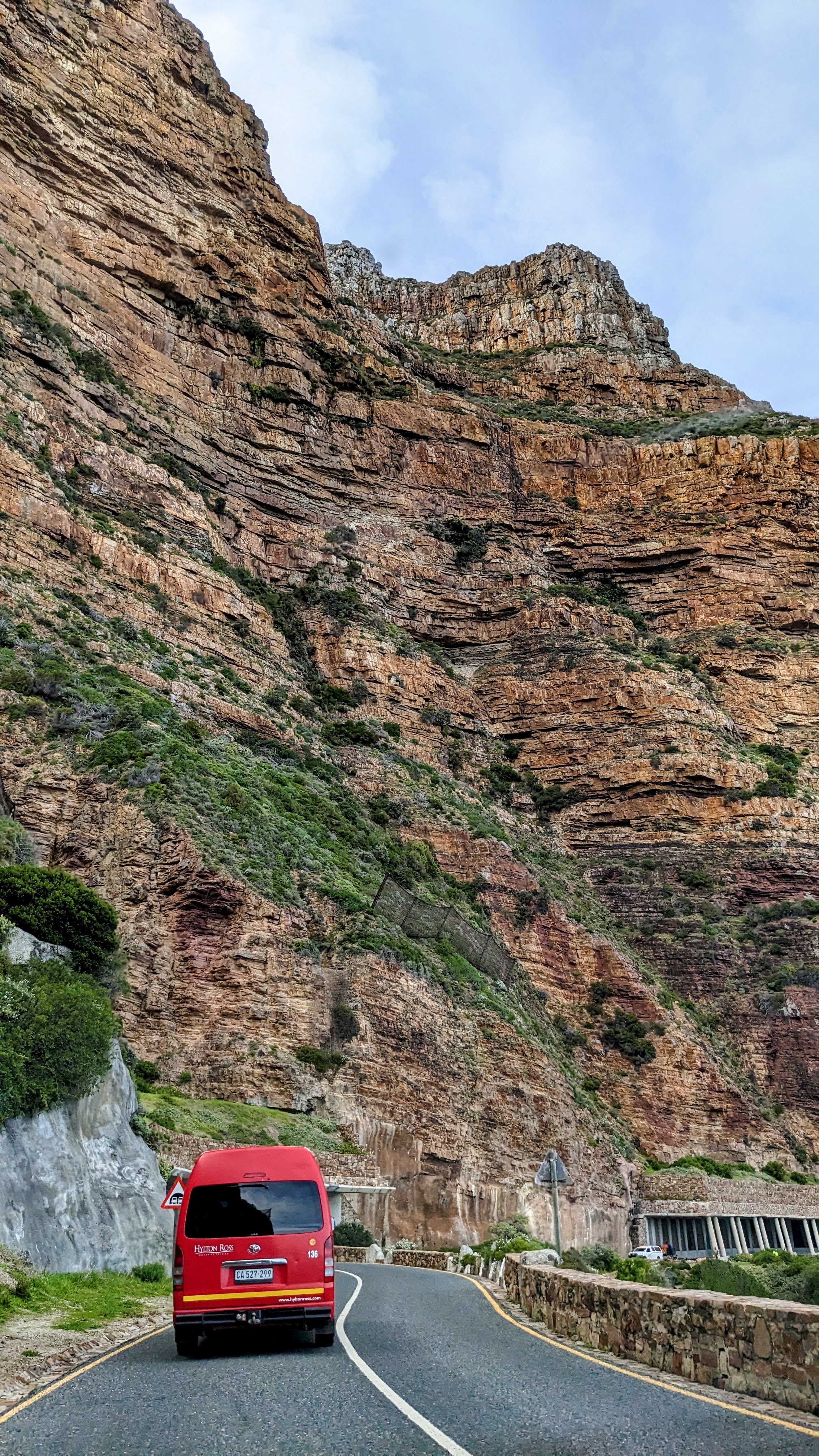
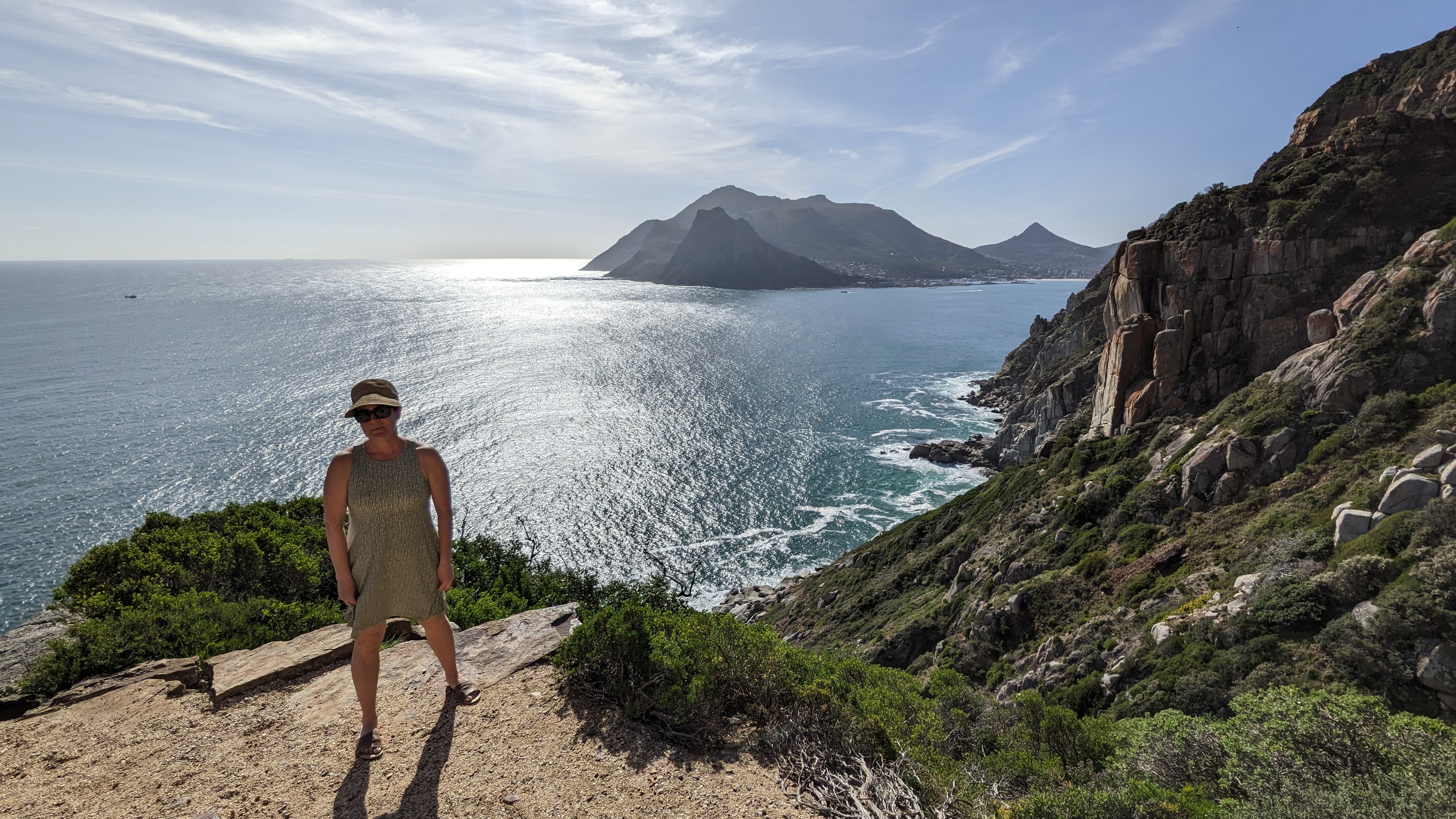
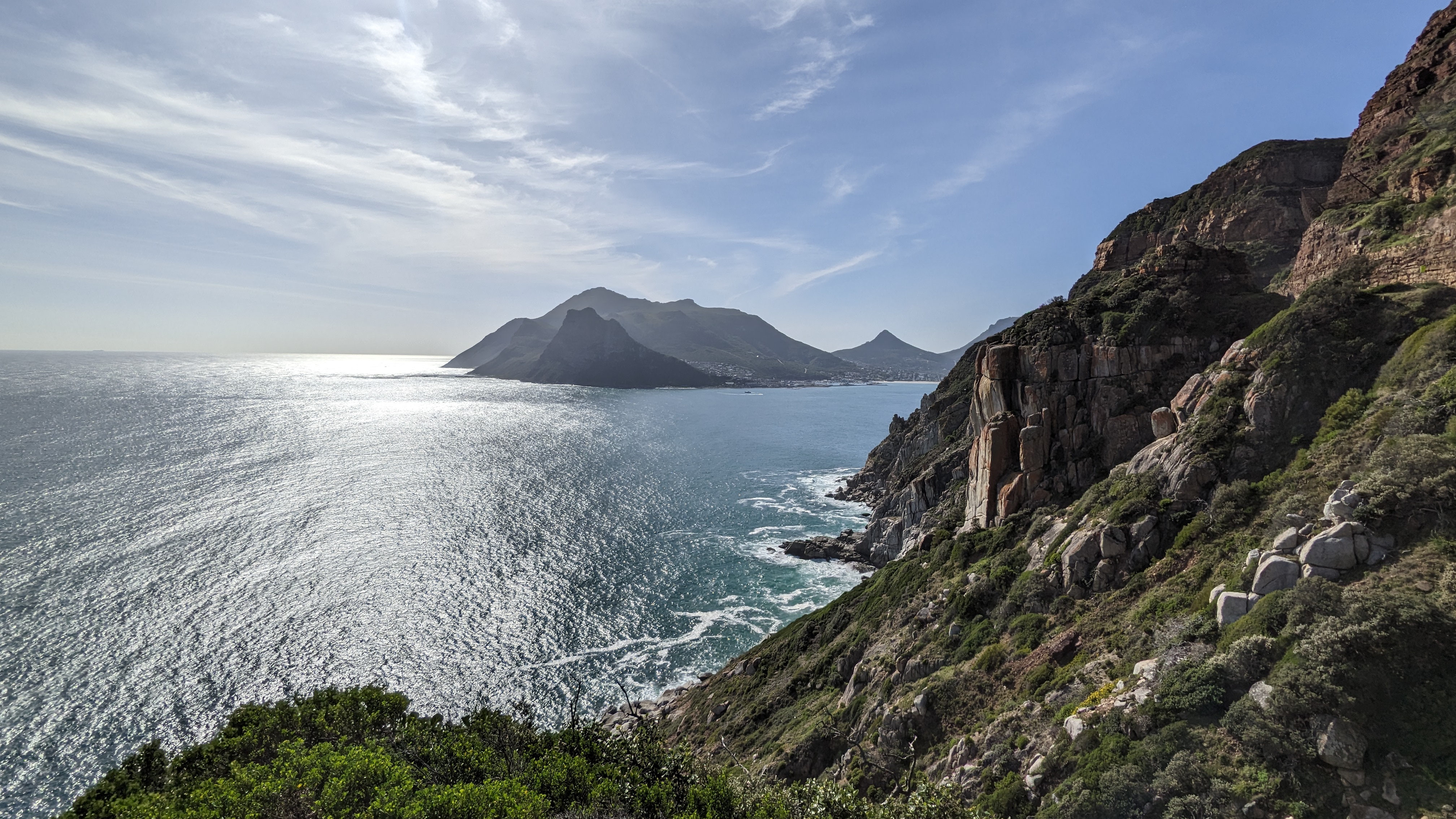
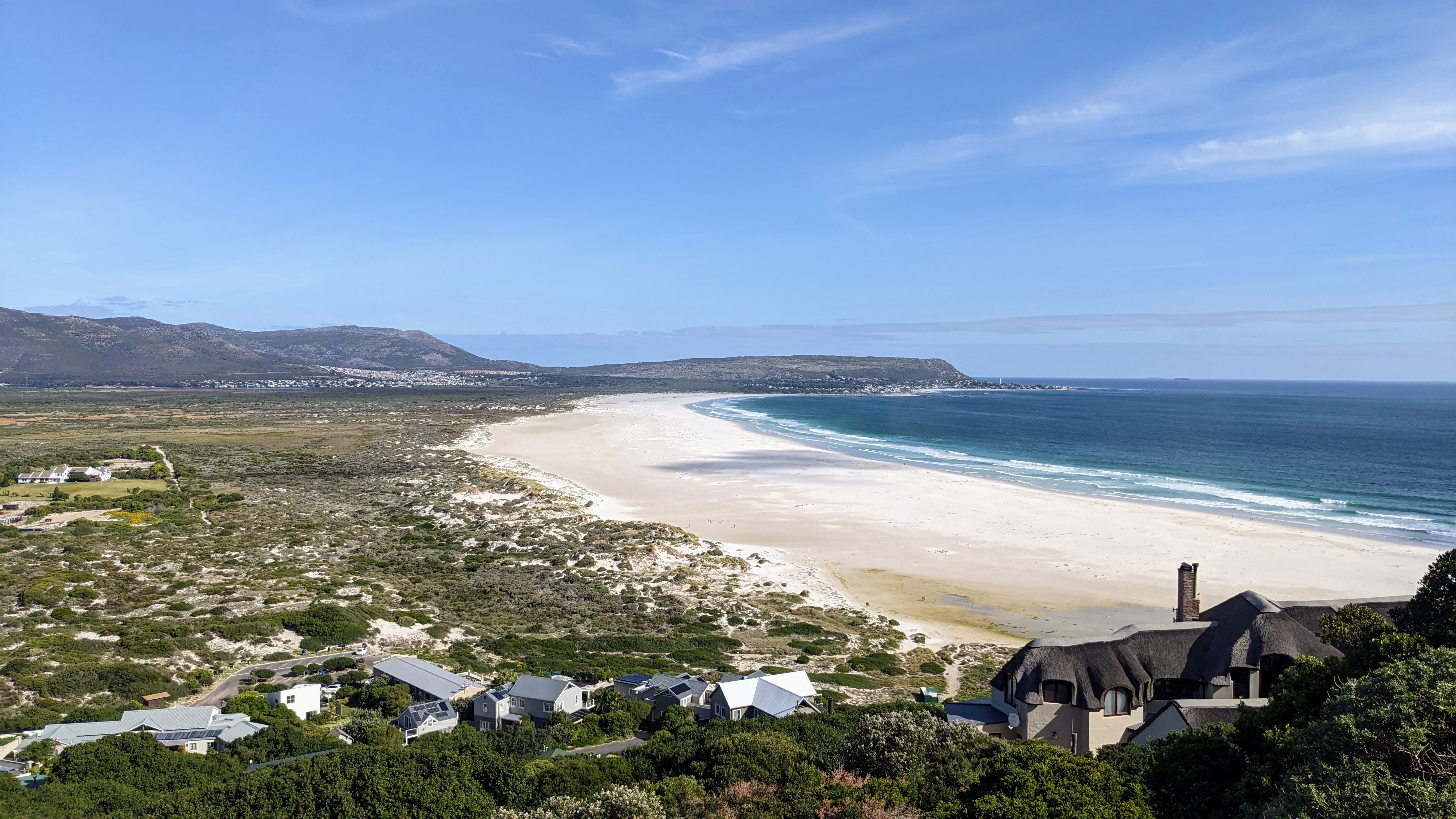
- Experience Chapman’s Peak: Chapman’s Peak Drive is a 9km coastal road that offers stunning views. We did the drive and paid the toll in each direction and recommend doing this as the views are different and it is said to save 20 minutes to return to Cape Town. The toll was 57 Rand each way (~ $3.00USD) and cash and card payments are accepted, excluding American Express and Diners Club. We actually took this route to get to Boulders Beach to see the penguins and had lunch at Aegir Project Noordhoek for lunch with a view of Noordhoek Beach.
- Do a Food Tour: There are a few companies that offer food tours and are recommended for those who are adventurous in trying new foods but want to be in a guided group. For example, Eat Like a Local hosts a food and drink tour of the City Bowl and Cape Town Culinary offers tours from the borders of Bo-Kaap through to the colourful area of De Waterkant, and a coffee experience.
- Taste and Learn How to Make Biltong: Join a couple in their home to learn how to make biltong and learn about the origin of the Afrikaans language (the only European language born in Africa!). They also teach you a few expressions over a strong ‘moerkoffie’ served in a tin mug along with a piece of Soutie’s homemade Karringmelkbeskuit.
- Wander Around Sea Point: We enjoyed staying in Camps Bay and exploring but found Sea Point to have more places to eat and drink that were less touristy. Sea Point had a nice promenade to walk, access to the Signal Hill/Lions Head hike, and lots of neighbourhood bars/restaurants/cafes, including Mojo Market (food hall).







Summary:
We really enjoyed our time in Cape Town and Franschhoek and would recommend visiting if you get the chance. We hope this post provides some helpful tips to plan your trip!

 weleavetoday.com
Leave a comment