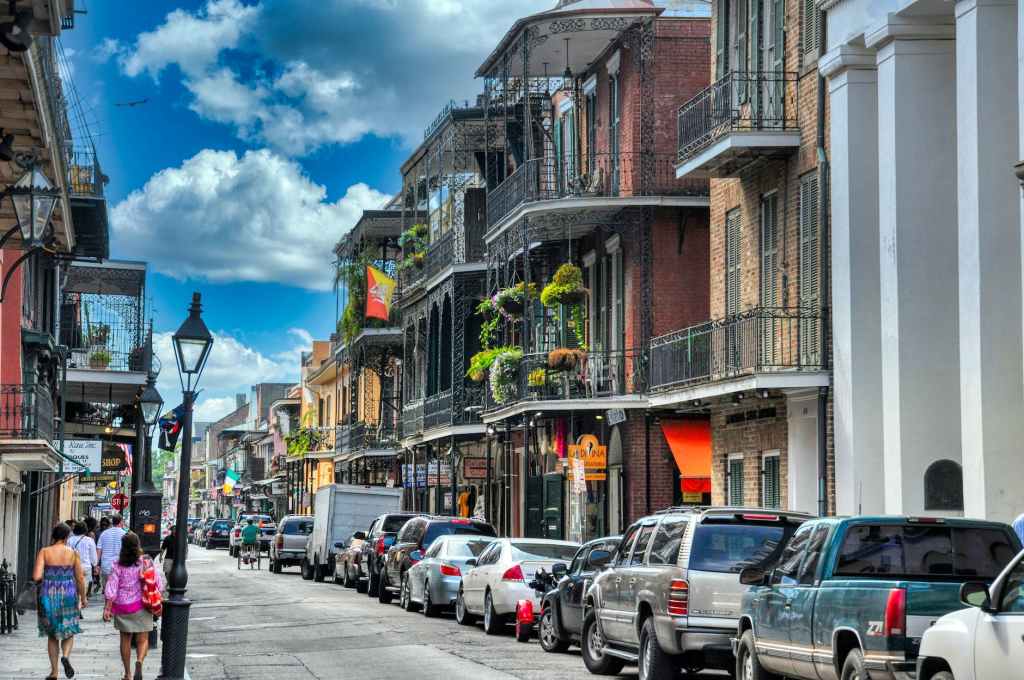
New Orleans is truly a remarkable city that is worth visiting. We’ve visited many cities in the United States (… and the rest of the world), and it is a one of a kind place with its own thing going on. With an eclectic mix of African-American, French and Spanish influences, New Orleans is a place where culture is celebrated and having fun is encouraged. There is no shortage of festivals and events, and opportunities to experience Cajun and Creole culture here. While many people associate New Orleans with the ruckus and debauchery of Bourbon Street, and yes, it is present, there is also so much more to see and experience in this great city, on the Mississippi River. In this post, we share some tips to help you plan your trip.
1 – When to visit:
Generally, visiting between October to May is a safe bet as you are outside of hurricane season and the very warm and muggy weather in the summer. New Orleans is a rainy place though, and it is common to experience lots of rain and even see thunderstorms every day in the forecast at times.
From a cost perspective, summer tends to be the cheapest as people avoid the very warm and muggy weather. The most expensive time to visit is during Mardi Gras festivities.
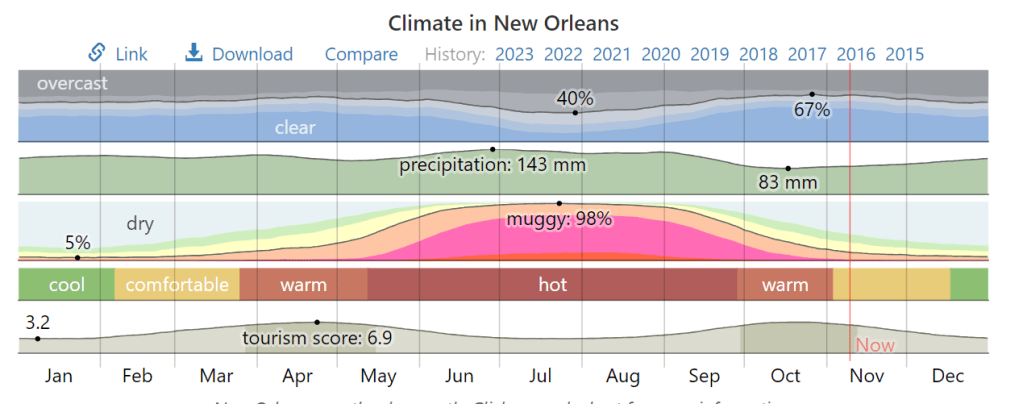
We’ve visited in March and August. The weather was very pleasant in March, with sunny skies and about 25 Celsius every day. In August, it was sunny every day, but also about 42 Celsius and humidity at 90%. Despite the heat in August, we did enjoy our visit and found it very affordable, compared to our March visit.
2 – How long to stay:
Depending on how far you are coming from, New Orleans is a fun long weekend trip, but some people may like to visit for longer. For us, we take advantage of a red-eye flight on a Friday and then come back to Vancouver around dinner time on a Monday to get almost 3 full days in the city. Ideally, 3-4 nights and about 4-5 days is optimal.
3 – Safety:
From speaking with people who have lived in New Orleans and currently live there now, public safety is a concern and some things seem to have gotten worse. We do not think one should avoid New Orleans as a result but that visitors should practice street smarts and not go seeking trouble, i.e. avoid walking under freeway bridges, don’t walk in unfamiliar neighbourhoods late at night, and don’t get stupidly drunk and behave badly in clubs or on the street.
During both of our visits, we did not encounter any issues walking but we also took ride shares and public transit. We did some sketchy things, but not anything worse than what we see here at home in Vancouver and other large cities.
4 – Public Transit:
The cheapest and easiest way to get around is by using public transit. The New Orleans Regional Transit Authority has an app you can download called “Le Pass”. From here, you can buy fares. The “Jazzy Pass” is the day pass you can use on buses and streetcars for a period of 24 hours. At the time of writing this, for an adult, the Jazzy pass is only $3.00 for the day, $8.00 for 3 days or $15.00 for 7 days. A single ride fare is $1.25.
If you don’t want to download an app, there are ticket vending machines as well. Find our more here.
The streetcar is very slow but fun to ride and we recommend taking the Charles Street car at least once during your trip as it is quite a fun way to see the neighbourhoods here.
While transit is an option, not all neighbourhoods and locations are easily connected and so using the trip planner on the website is a good idea.
5 – Where to stay:
Based on statistics from January 2020, there are 142 hotels and more than 26,000 rooms in the downtown area, with 307 hotels encompassing more than 41,000 rooms in the greater metro area. These include small boutique treasures in the French Quarter, charming bed and breakfast properties, major downtown hotel towers and more. There are many options for accommodations, including Airbnbs.
On both of our trips, we stayed downtown, within walking distance of the French Quarter. We recommend staying downtown, as it makes it easy to walk to things and take break during the day, without having to worry about lengthy commutes, especially if you are there on a short trip.
On our first trip in March, we stayed at the JW Marriott New Orleans because we were able to find a decent deal using our BCAA card. We did enjoy this hotel but it was a standard large tower hotel. The room was nice, we found the service good, and the location was convenient but the rest of the experience was very standard. The Marriott Bonvoy free breakfast was very chaotic in the lounge, and so we skipped it.

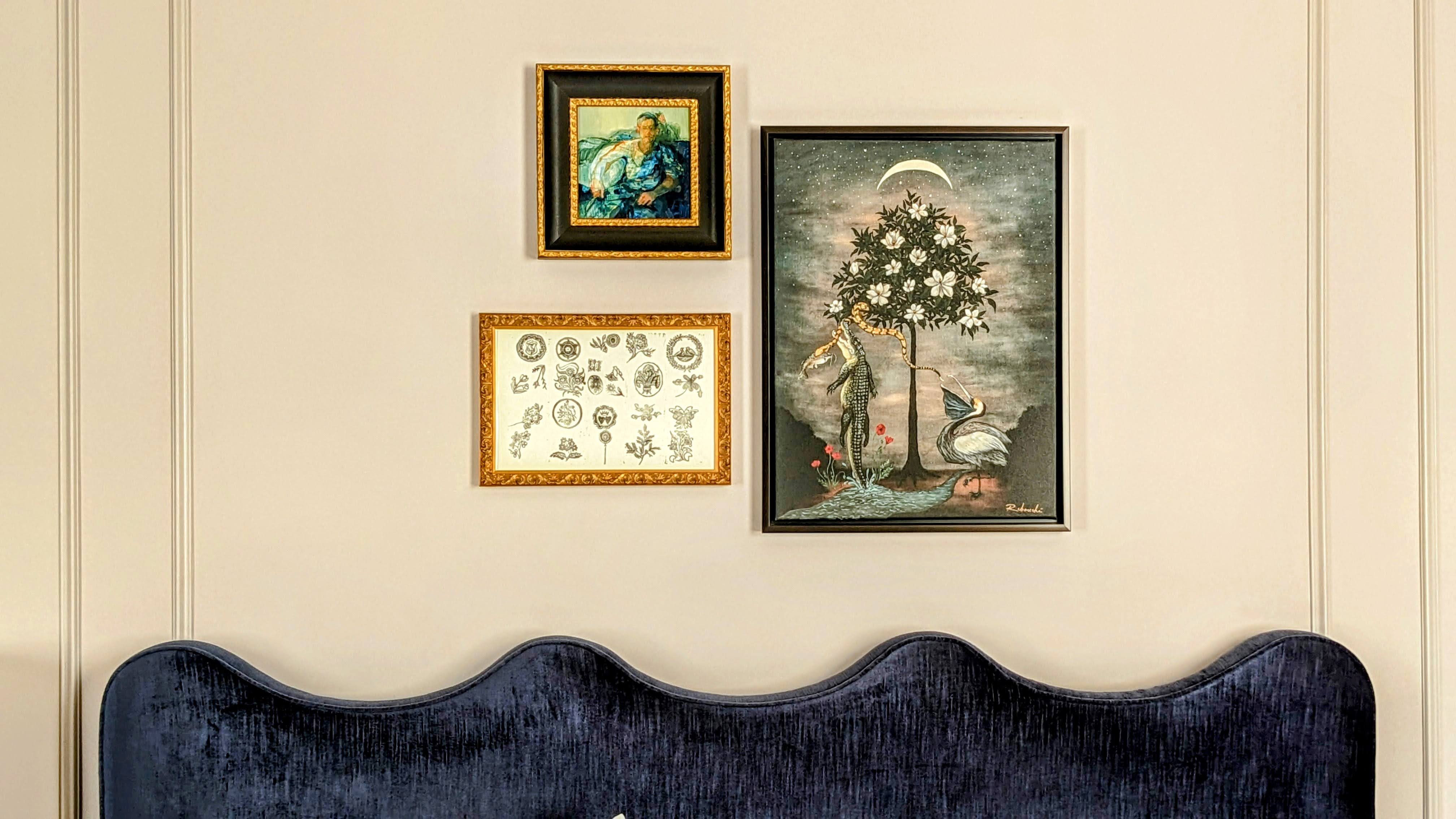
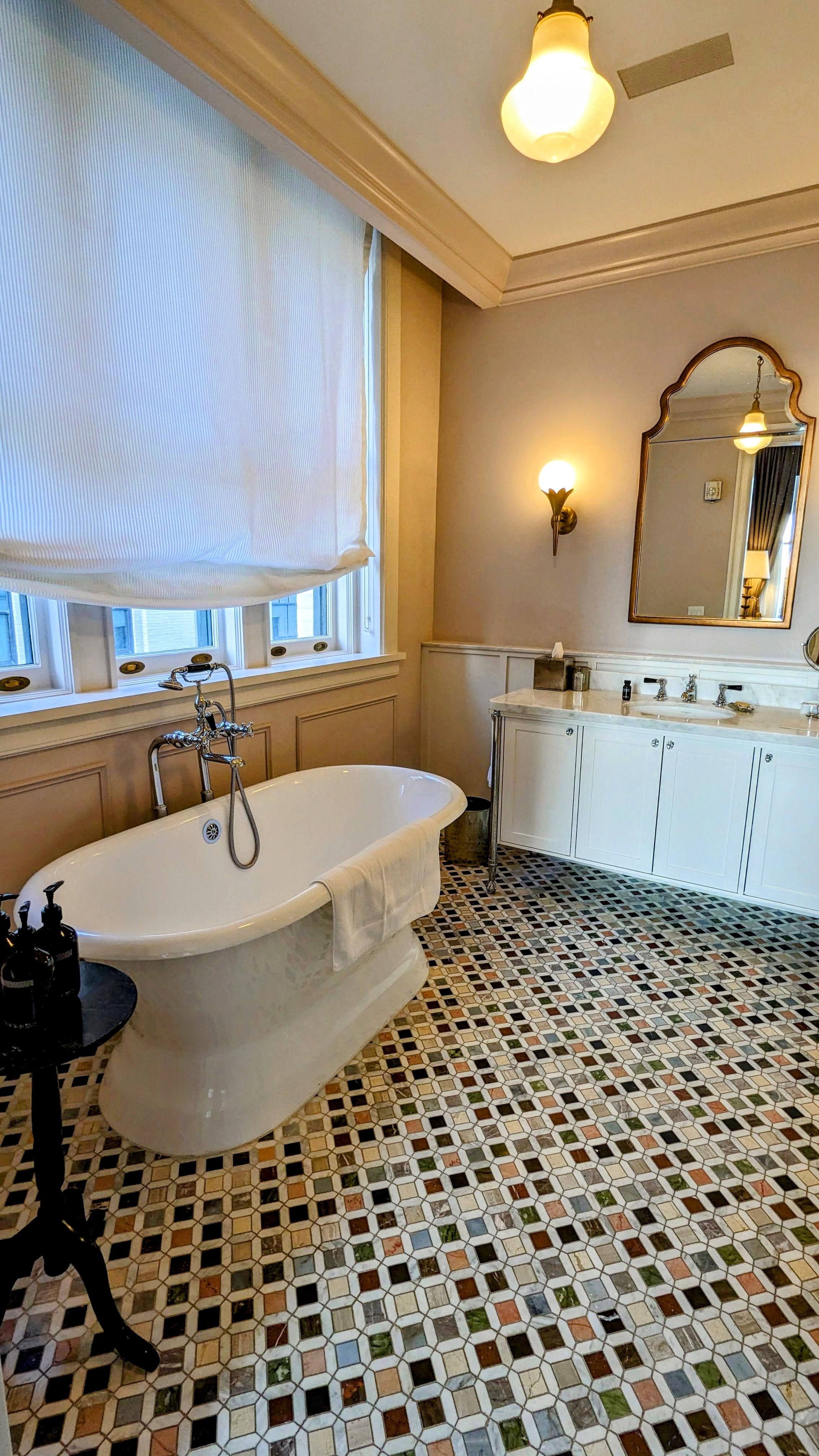
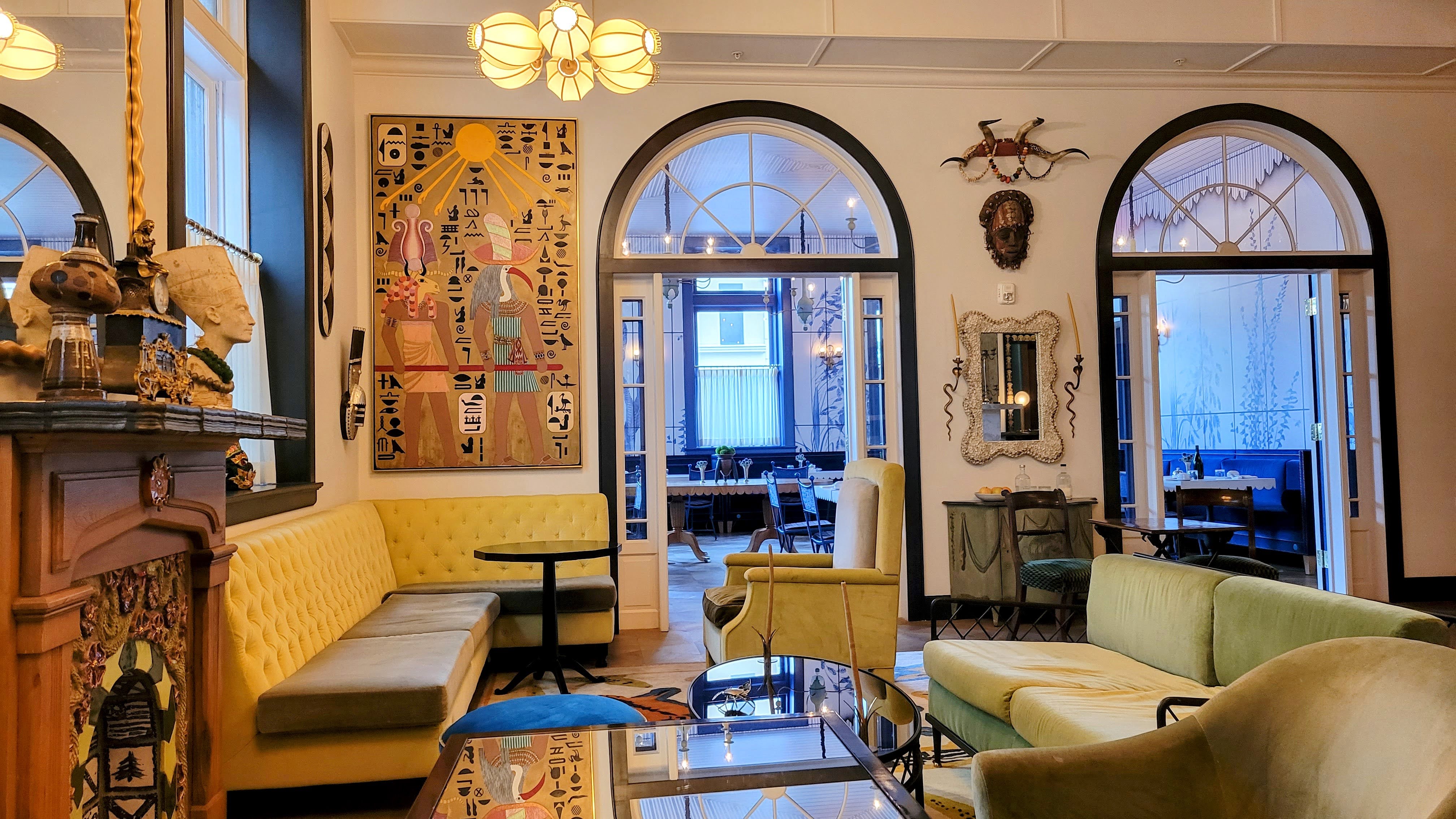
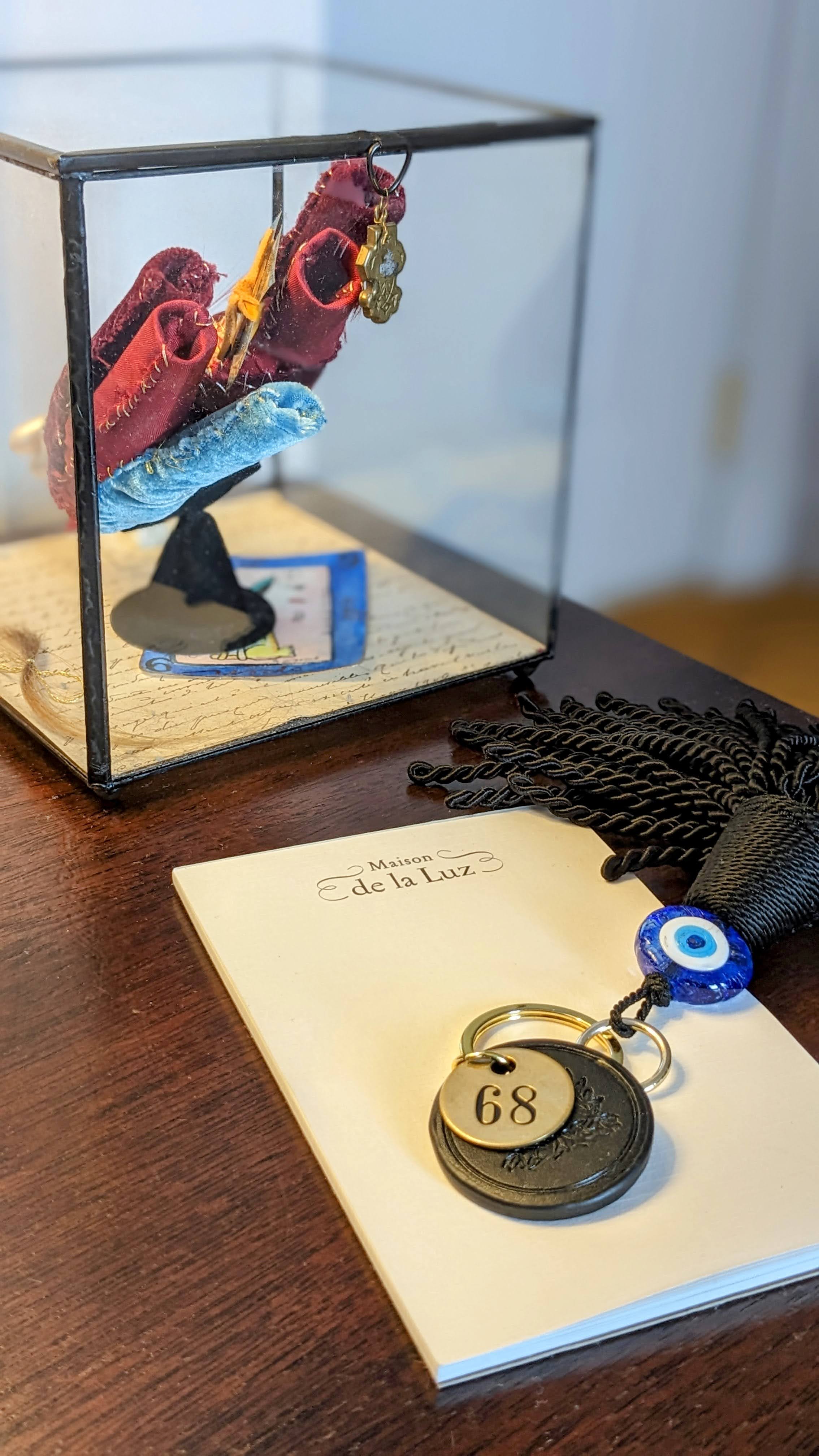
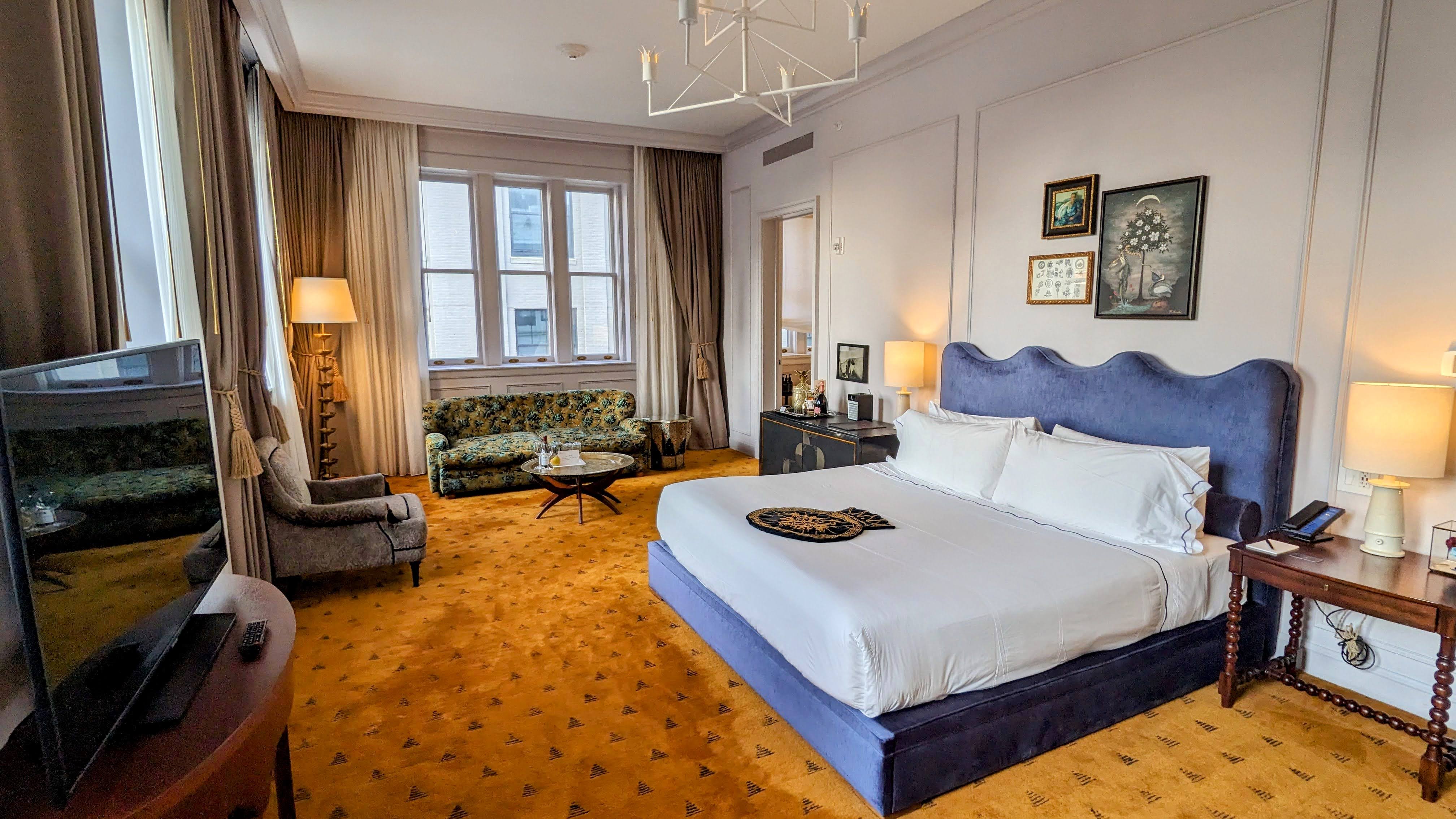
In August, we stayed at Maison Métier – The Unbound Collection by Hyatt (formerly Maison de la Luz), a small boutique hotel. We absolutely loved our stay at Maison de la Luz and highly recommend staying there. The room was beautiful, the service was impeccable, and it captured the essence and culture of New Orleans in ways that most large hotel cannot. In addition to all the small service details and perks for hotel guests, we had priority for reservations to the popular hotel bar, Bar Marilou, and entered via a bookcase!






6 – What to do:
There are so many things to do in New Orleans and some depend on when you visit but here are some ideas.
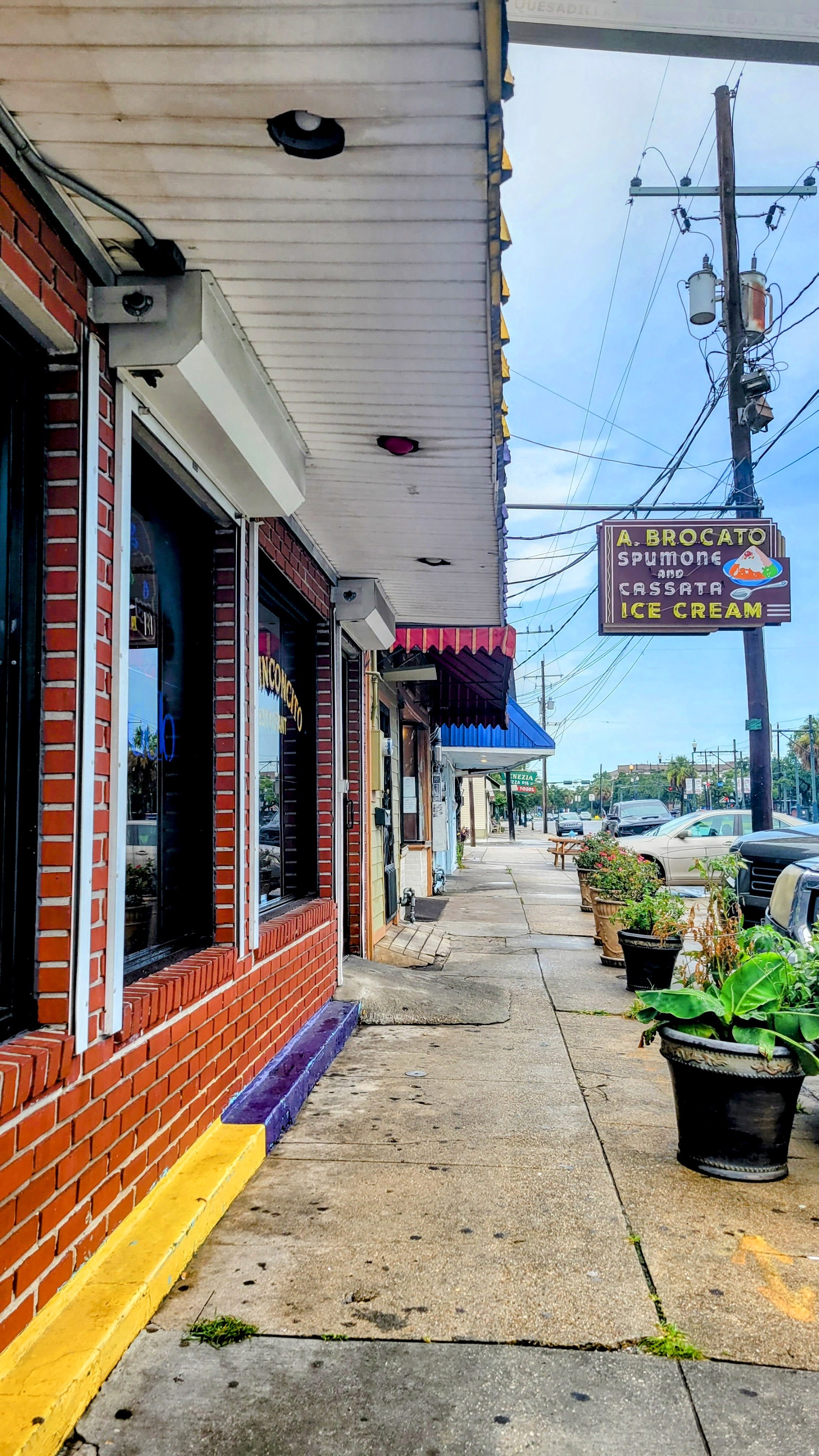



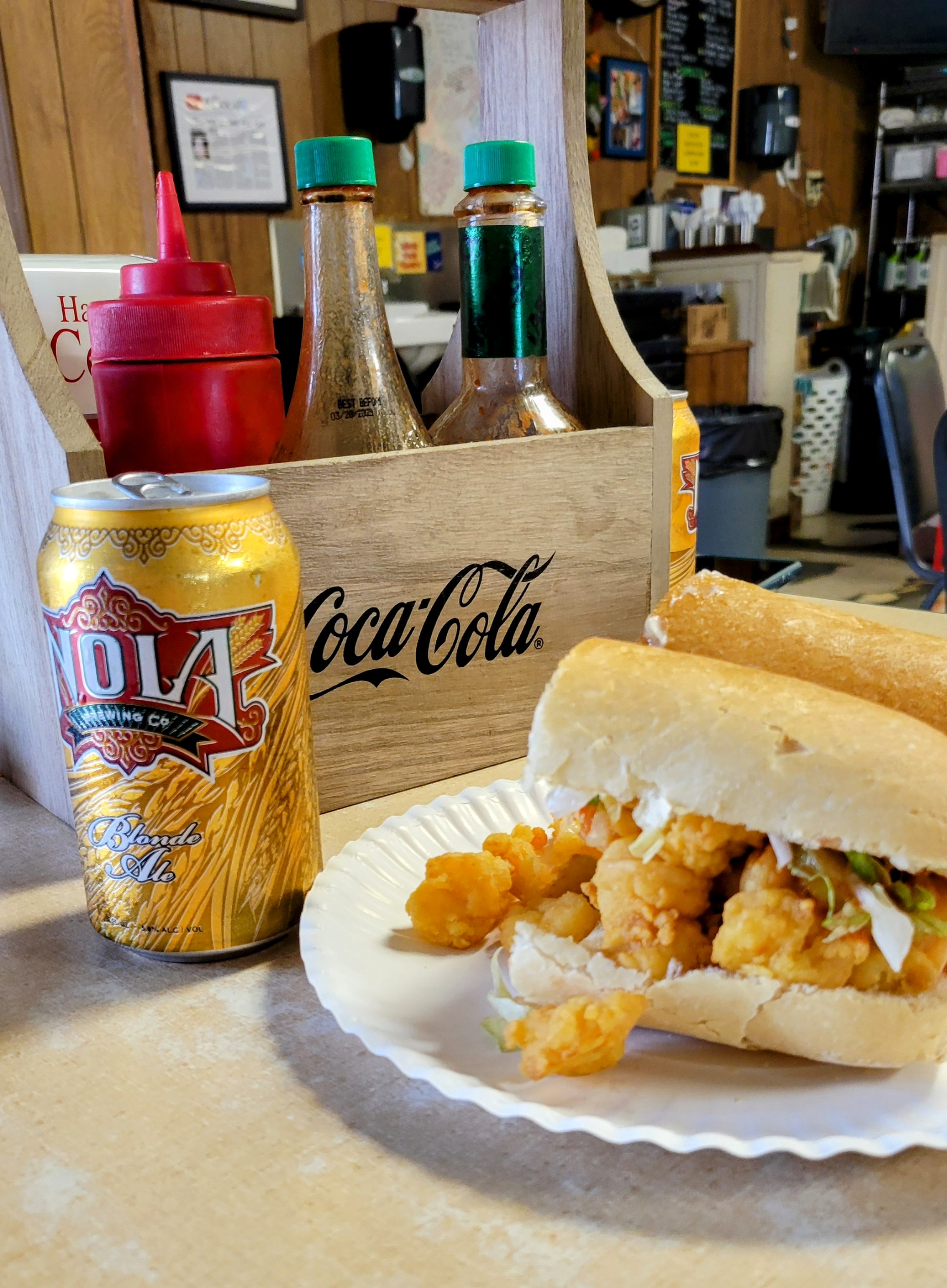

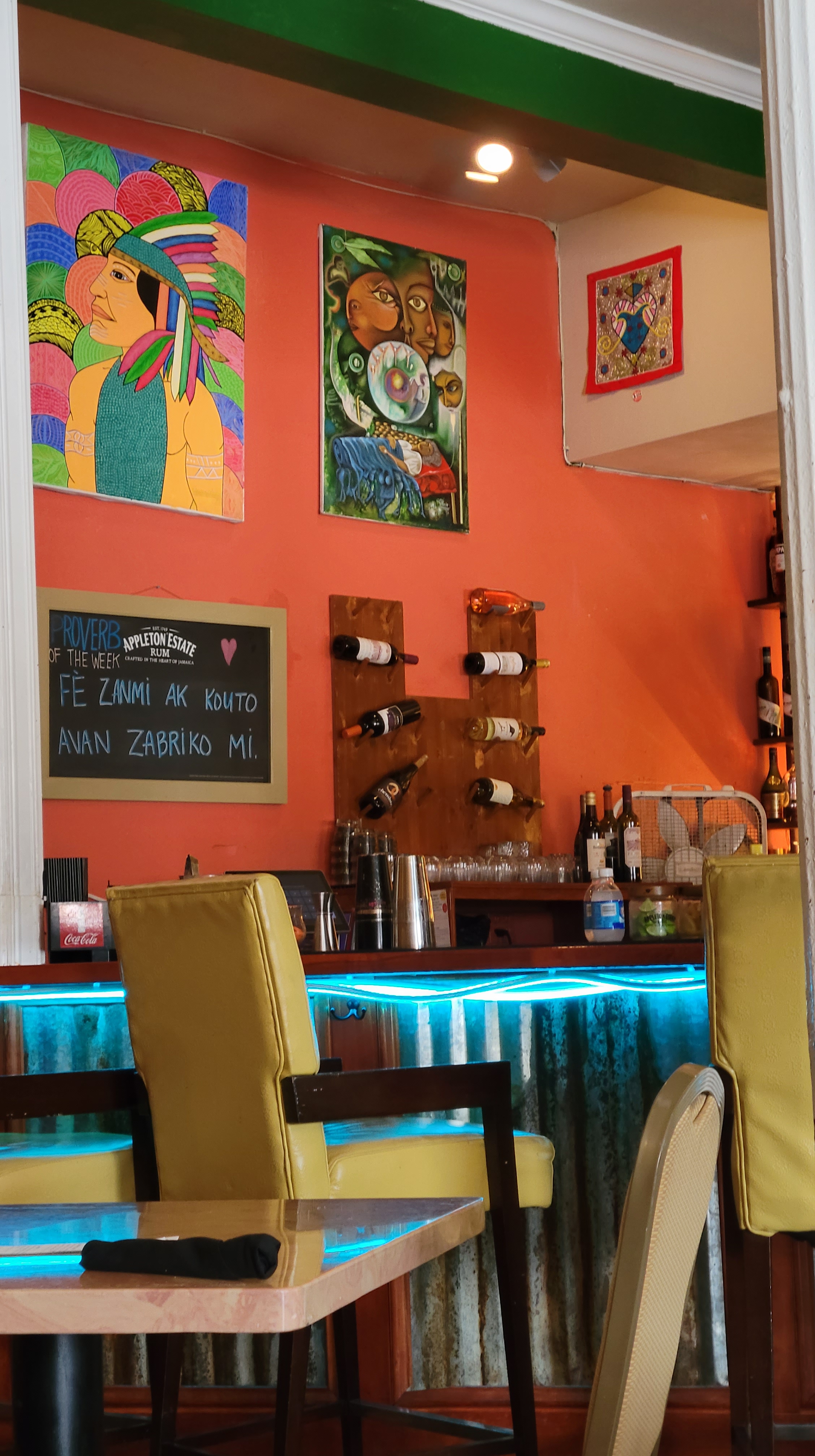
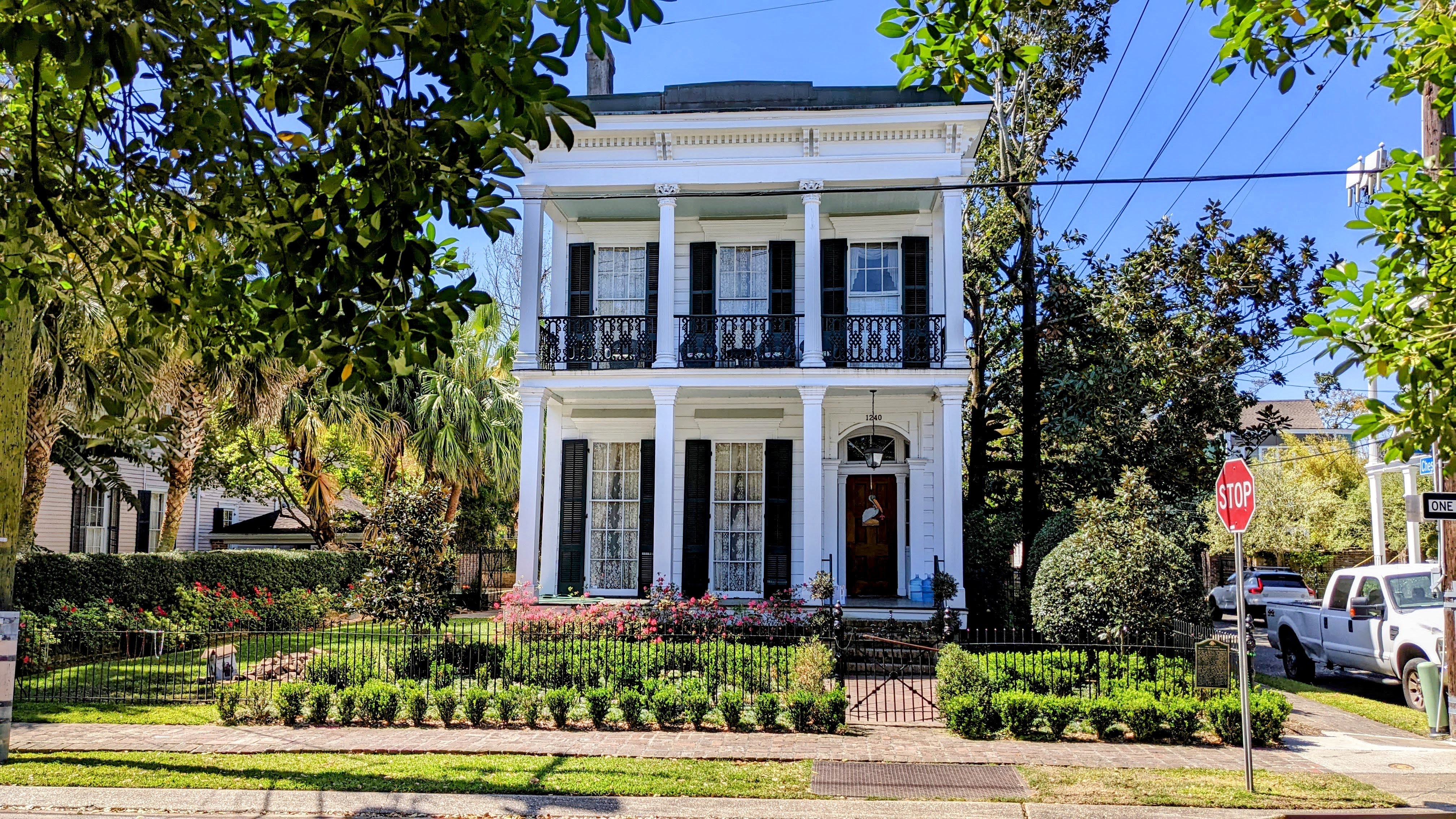

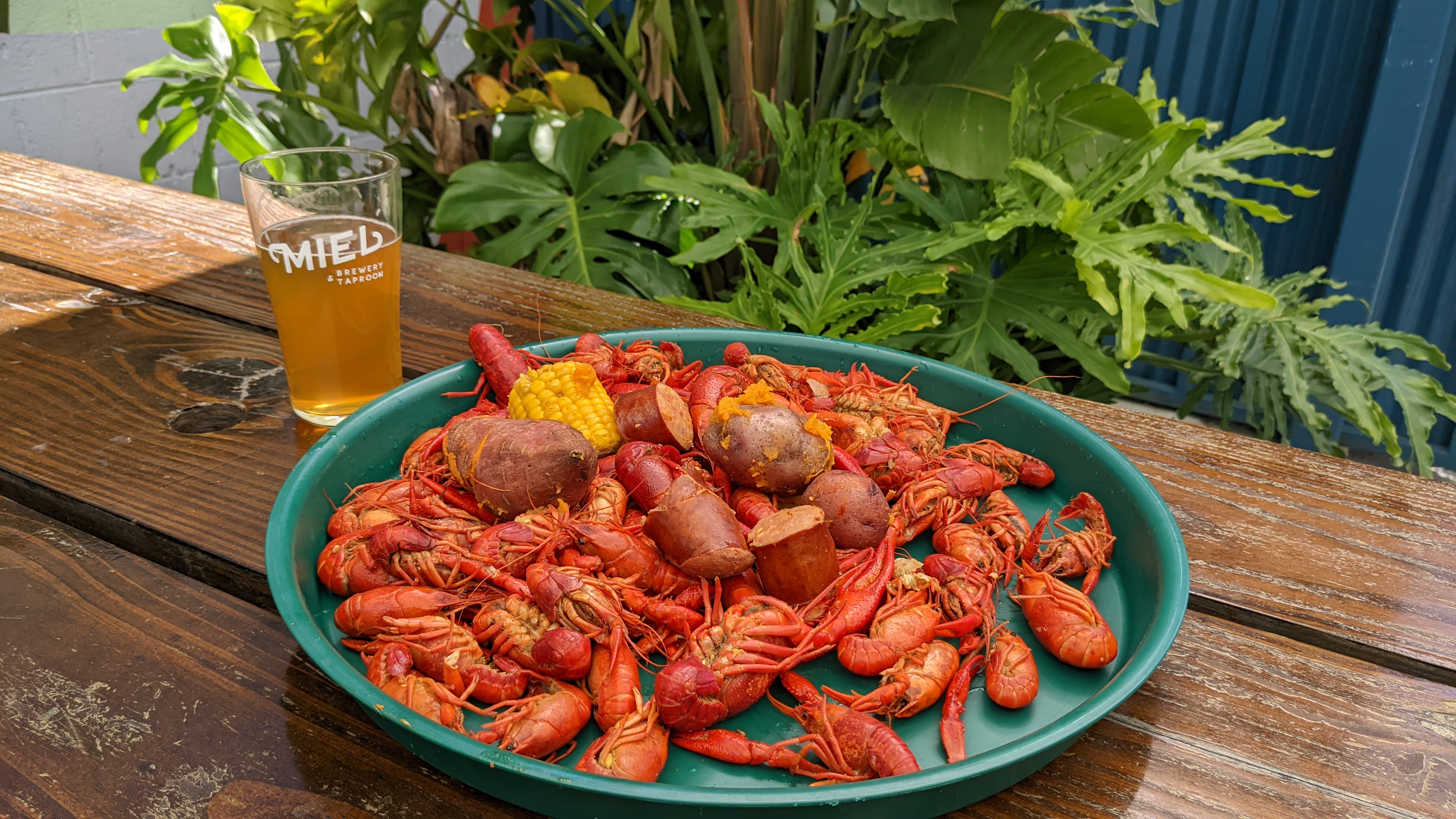
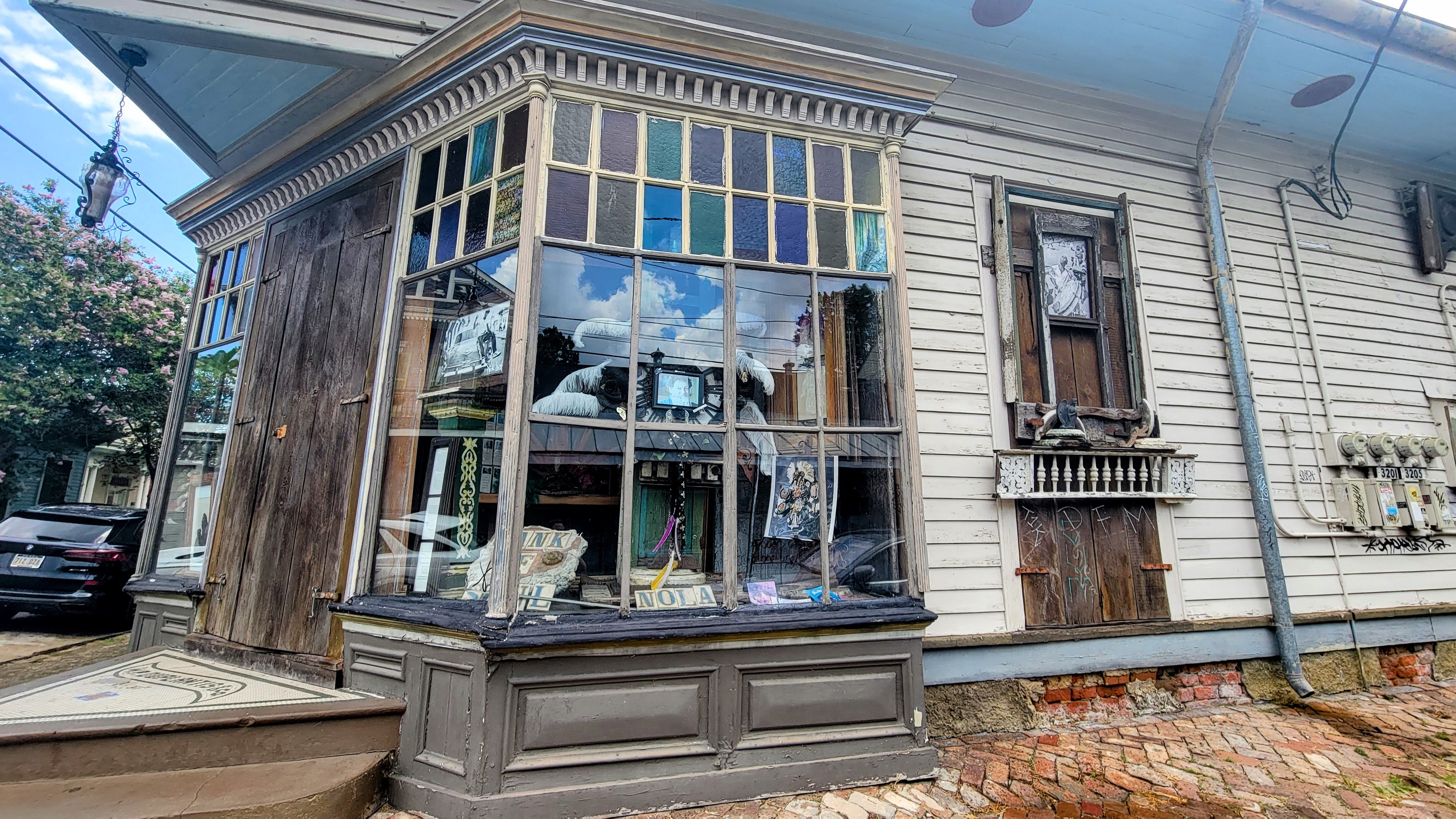
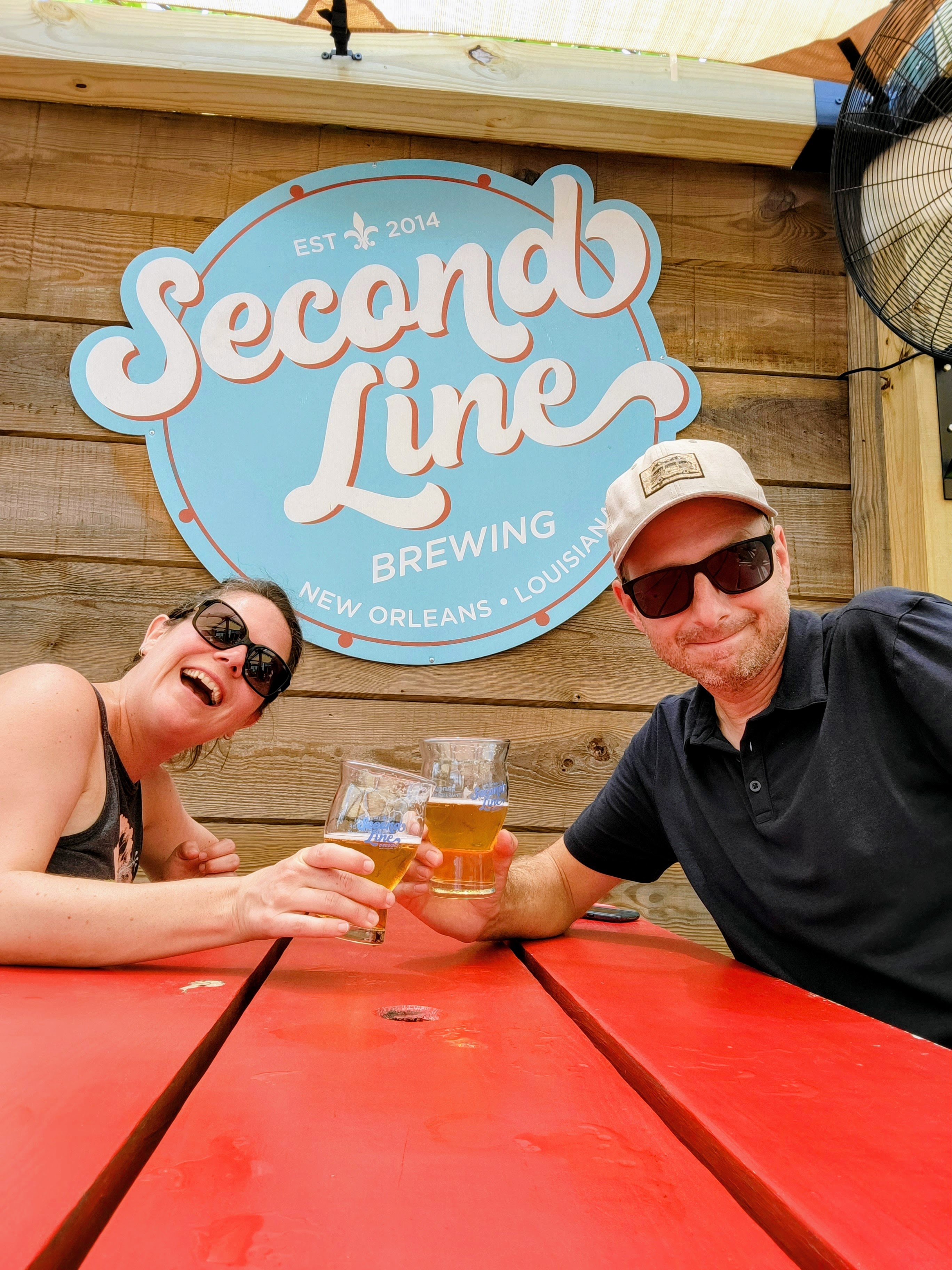
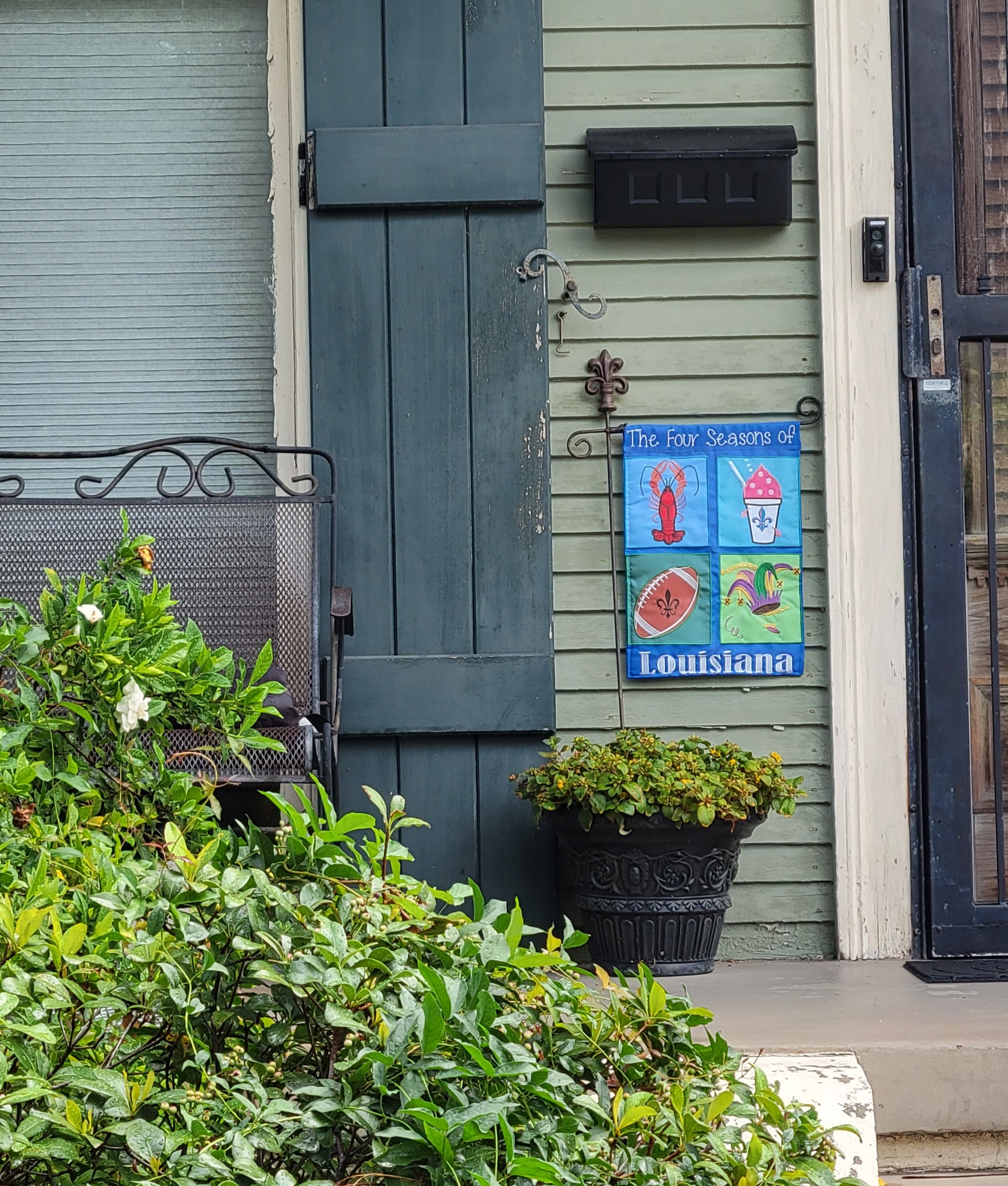
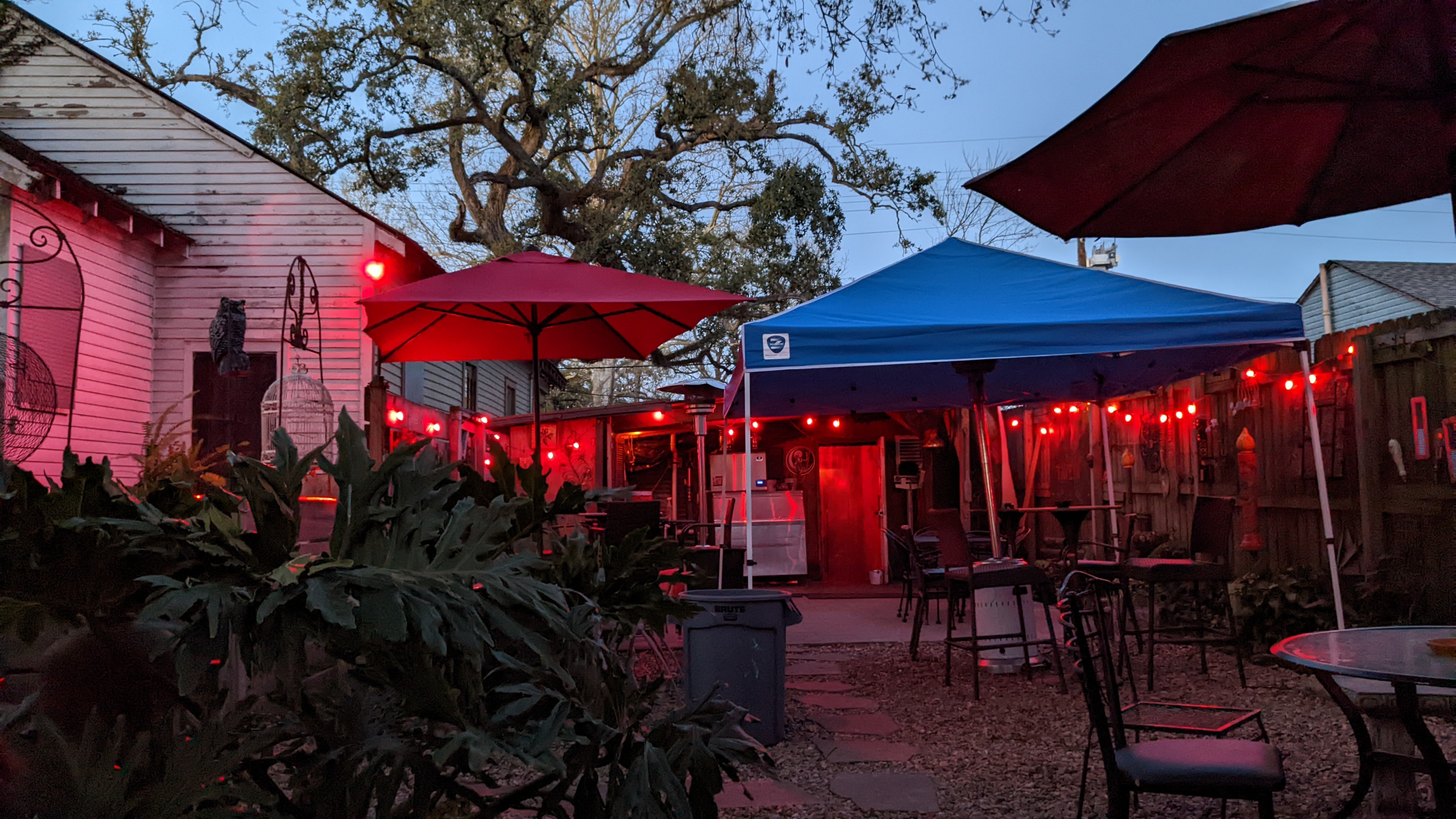
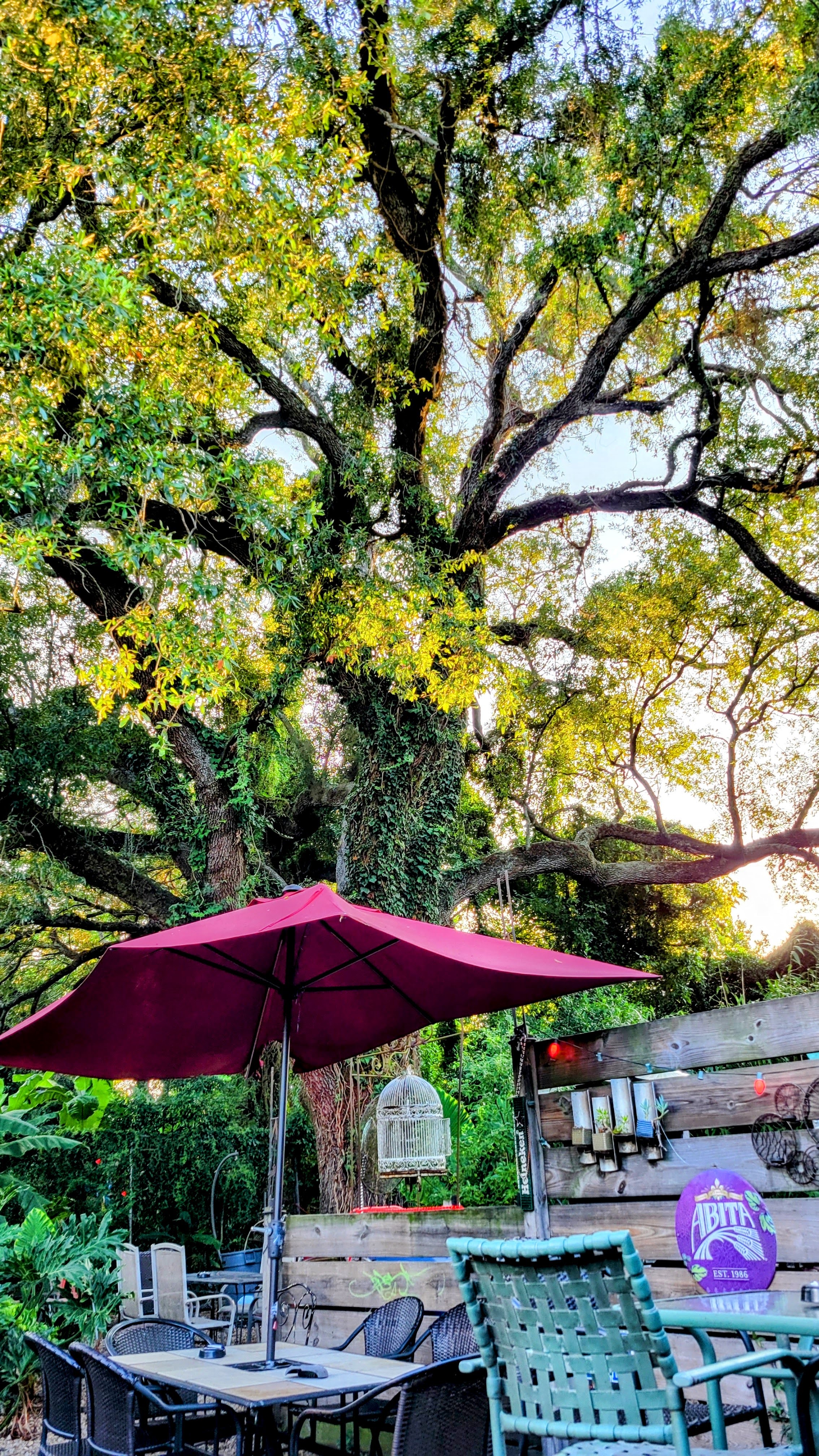
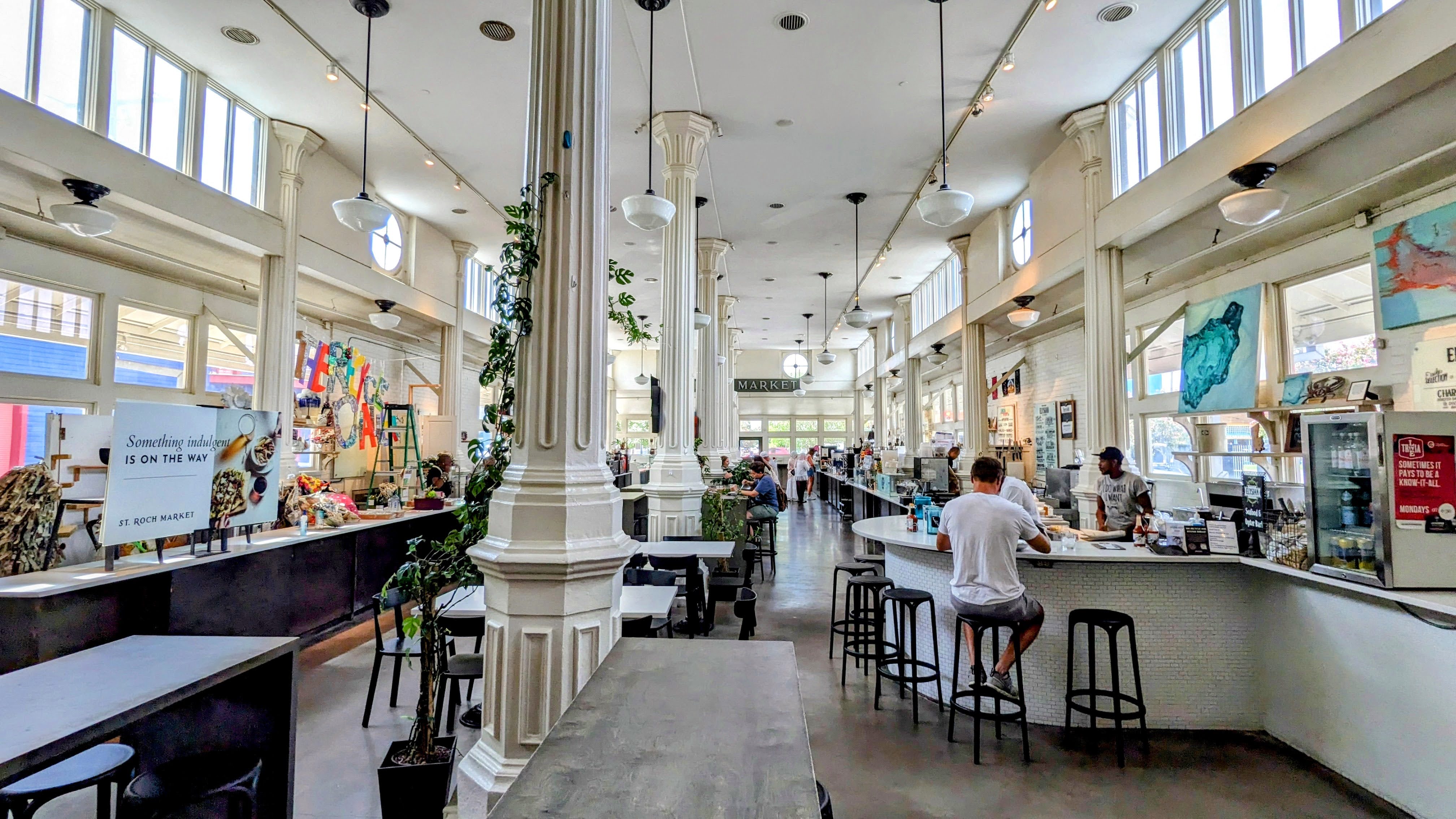
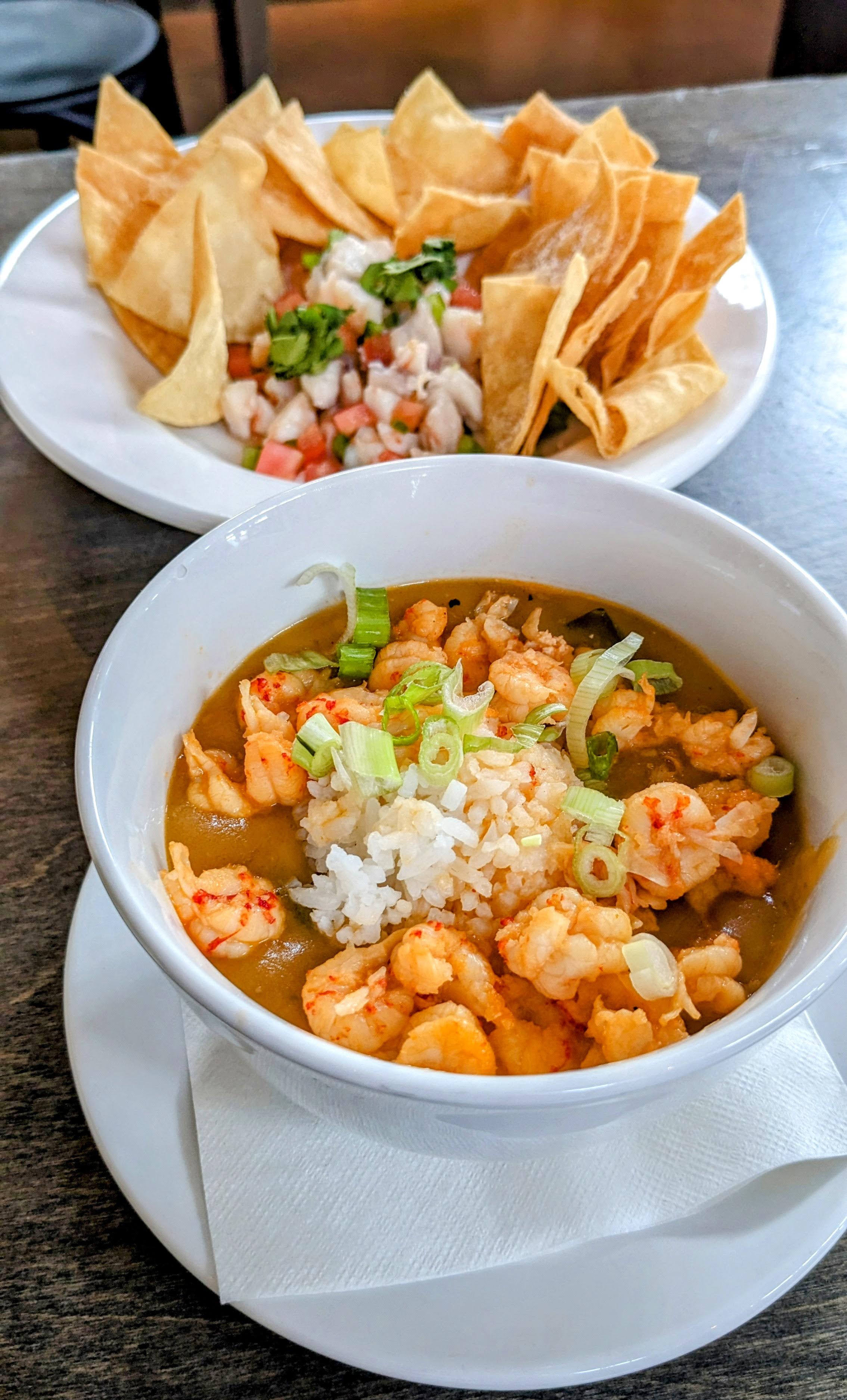
- Enjoy a crawfish boil: The peak months for crawfish are March, April and May and this is when you will find crawfish boils around town and at local markets. We enjoyed eating crawfish from award winning Mais La Crawfish at Miel Brewery. Like Texas BBQ, it was worth the wait, and owner/operator James is awesome!
- Visiting cemeteries: Relics of the French settlement days, the cemeteries in New Orleans are very opulent and it is interesting to check them out.
- Take a self-guided or guided walking tour of the Garden District: The city’s elite residential neighborhood since the 19th century, when wealthy newcomers built opulent structures, it is considered one of the best-preserved collections of historic mansions in the South, and certainly one of the most picturesque. You can see why this is the setting for so many novels.
- Hang out on Magazine Street: A shopper’s paradise, Magazine Street is six miles of shopping, food, and fun. Nestled mainly in Uptown New Orleans but also stretching through the Lower Garden District and into downtown, there’s a mix of vintage stores, grab-and-go restaurants, bakeries, novelty shops, bars, and fine dining.
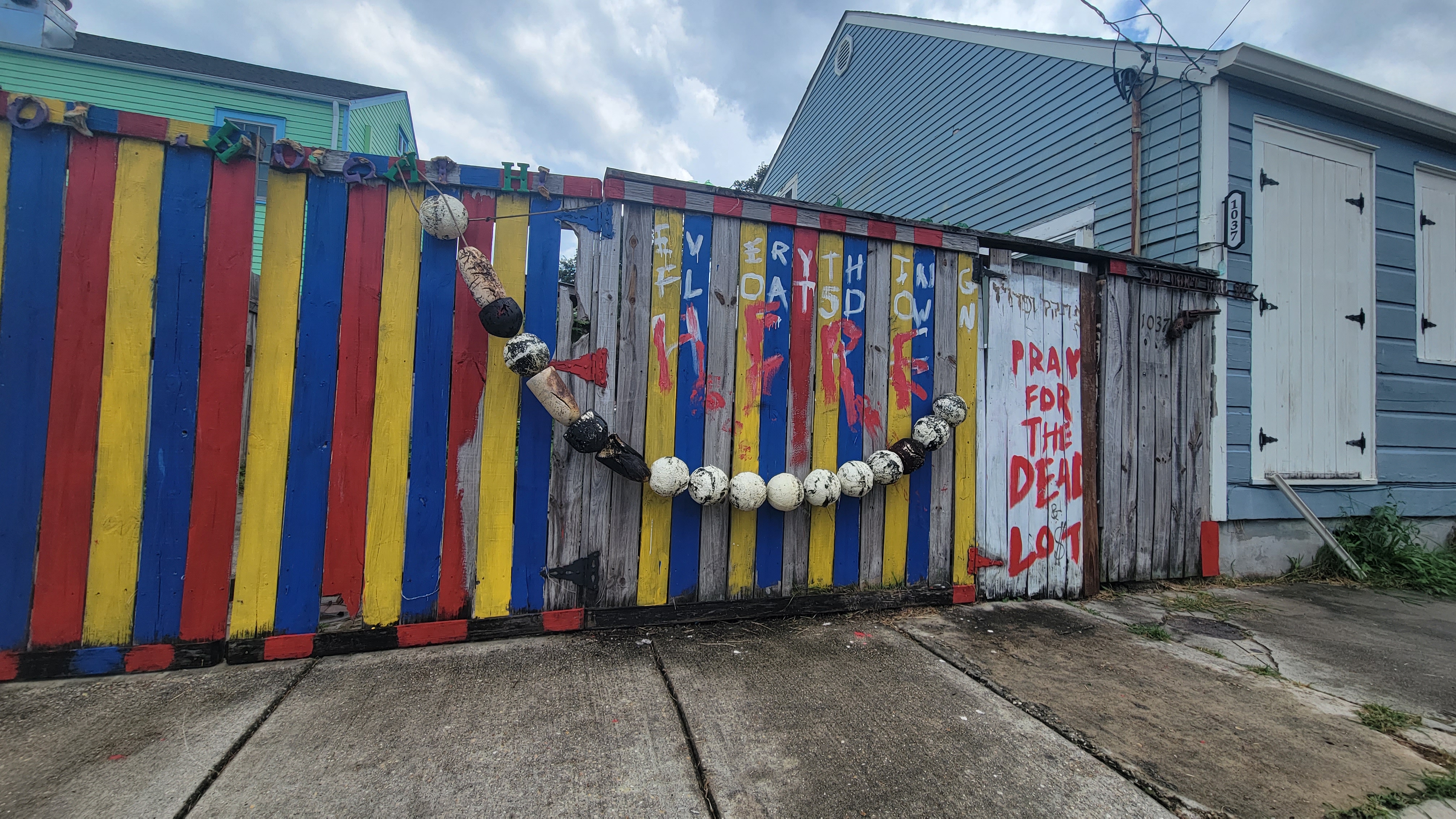
- Visit Bywater and Marigny: Colorful shotgun homes, quaint Creole cottages, and more commercial and industrial buildings make up the urban landscape in the Marigny/Bywater.
- Take a swamp tour: We have not taken a swamp tour, but it has been recommended to us so many times, by locals, who go once a year, that it will be added on our to-do list for a future trip!
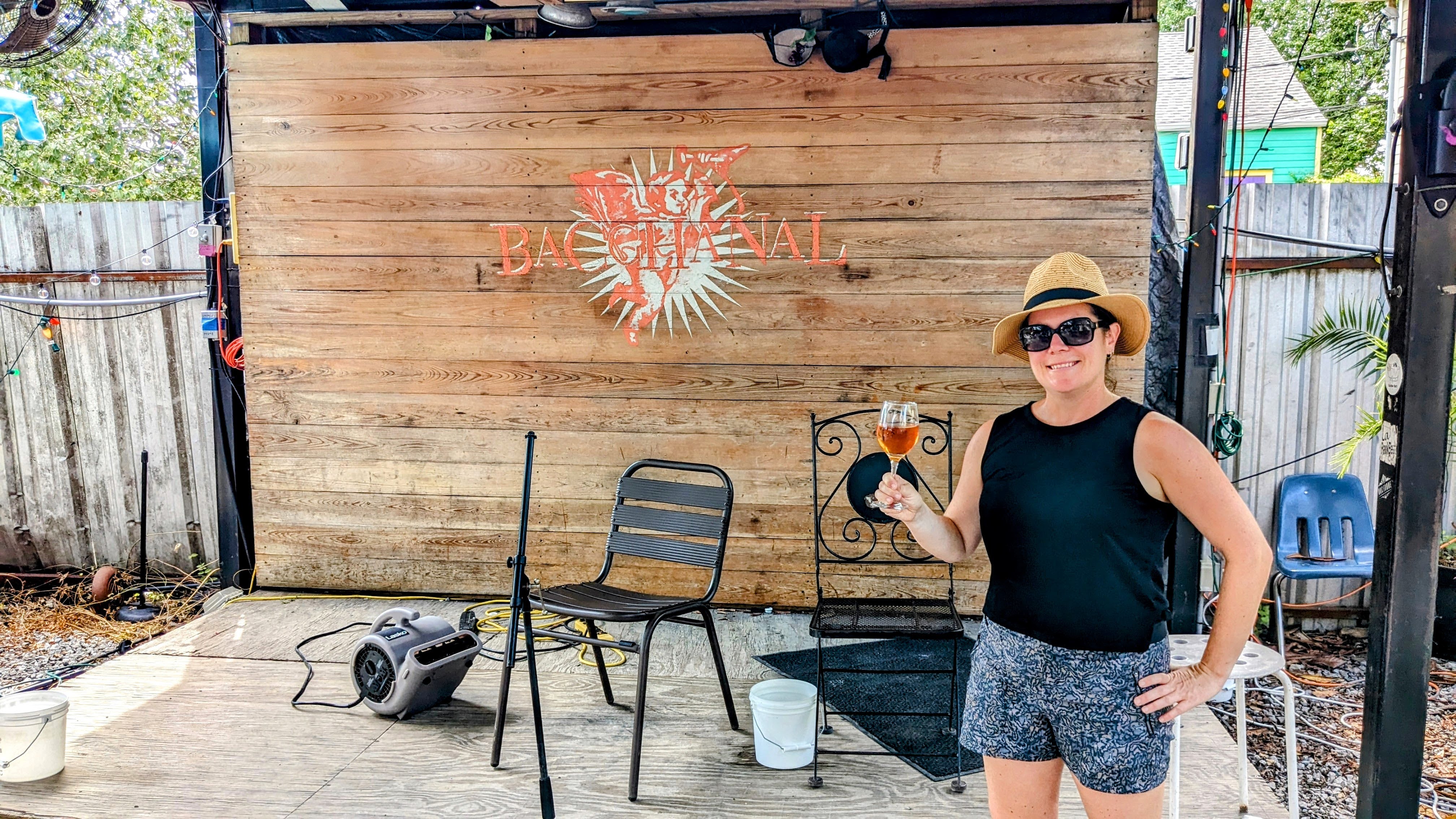
- Go see live music: There is no shortage of live music in New Orleans and there are many venues to experience it. From clubs in the French Quarter and Bourbon Street to bars all over the city, you have many options. And yes, Bacchanal is worth a visit!
- Visit dive bars: Yes, visit dive bars. Some of these are small neighbourhood bars with a lot of character and you will most likely make a new friend, as people love to talk in New Orleans. It is common for strangers to strike up conversation with you and these small dive bars are a good place to experience that! We ended up at Snake and Jake’s Christmas Club Lounge, the dive bar featured on Anthony Bourdain’s “No Reservations” and enjoyed it a lot!
There are many other things to do but these are some highlights!
Summary:
We ended up watching “Treme”, a TV series that depicts day-to-day life in New Orleans in the aftermath of Katrina, referencing real events, real people, real places, and real cultural symbols. We do recommend watching this series as a pre-departure research activity not only to learn, but to get even more excited about your trip to this amazing city!
Go, have fun, eat the food, listen to the music, talk to people and appreciate the atmosphere of “Laissez les bons temps rouler”!
 weleavetoday.com
Leave a comment