
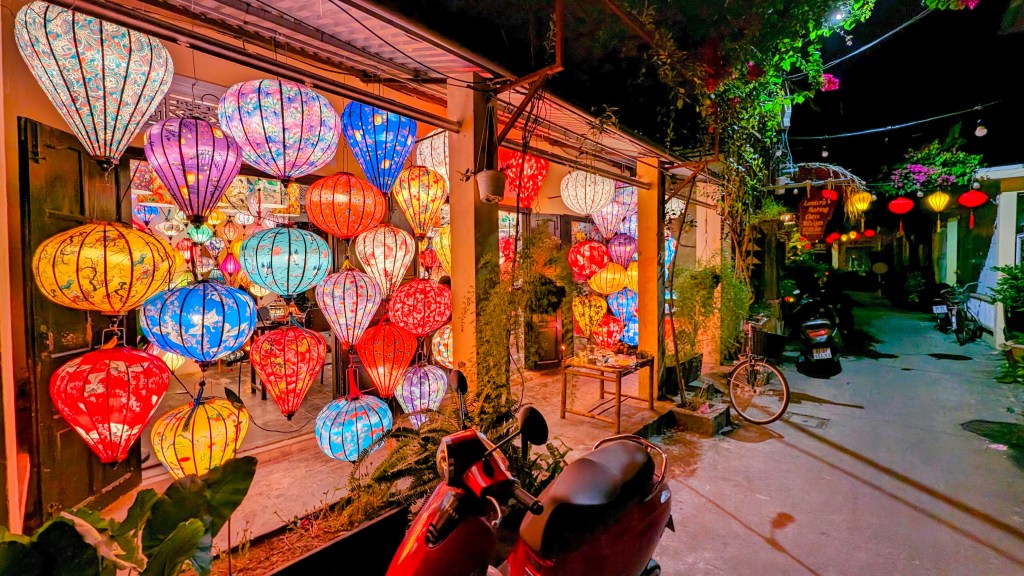
Planning your first, or fourth trip to Vietnam? After three previous visits focusing on the usual highlights, we dedicated two full weeks to a slower, high-end itinerary across central and southern Vietnam.
From boutique hideaways in Phu Yen to five-star luxury rail travel, here is our complete 14-day blueprint, featuring realistic budgeting tips, weather information, and hidden gems.
📍 Itinerary Overview at a Glance
- Days 1–4: Urban Energy & Secret Districts in Ho Chi Minh City (Stay: Park Hyatt Saigon)
- Days 5–8: Off-the-Grid Coastal Luxury in Phu Yen (Stay: Zannier Bãi San Hô)
- Day 9: Luxury Rail Journey via The Vietage by Anantara
- Days 9–10: Ancient Streets & Rice Fields in Hội An (Stay: Anantara Hoi An)
- Days 11–14: Cliffside Resort Life & City Nights in Da Nang (Stay: InterContinental Danang)
1- The Visa Process:
Canadians need to apply for an e-visa. The e-visa is a single-entry or multiple-entry electronic tourist visa, valid for a maximum of 90 days. You can apply for the e-visa on Vietnam’s National Web Portal on Immigration. Yes, the website doesn’t look the best but that is the correct one, as it is listed on the Government of Canada’s website. Overall, the e-visa process was quick, and we received our e-visas within 4 days. We applied 2 months in advance, and you can apply for the e-via as early as you want: the dates on the visa will be valid based on what you submit on the application.
As things relating to entry requirements can change quickly and often, it is best to consult an official source, like the official website of Viet Nam National Authority of Tourism.
2 – The weather: When is the best time to go?
Vietnam is divided into 4 major climate zones:
- North Mountains: Dry season is from October to late March
- North Vietnam: Dry season is from November to April
- Central Vietnam: Dry season is from mid-January to late August
- South Vietnam: Dry season is from November to end of April or early May
Each zone has its own rainy and dry seasons so you cannot assume that you can visit every area and expect similar weather patterns on one trip.
For example, in November 2017, we were thinking of visiting DaNang after our stay in Ho Chi Minh but realized it was rainy season why a higher risk of typhoons at that time, so we visited Phu Quoc which was starting dry season.
On our recent trip in April, the weather was very stable: it was sunny and warm everyday. The beach conditions were also better than past visits. We recommend looking at the monthly patterns for the last 1-2 years for each destination you may want to visit for more detailed information on https://weatherspark.com/.
3 – The currency and can you pay with credit card?
Vietnamese Dong is the official currency and the use of foreign currency is limited. Vietnam Dong is available in denominations of 100 all the way to 500,000. Coins are used from 100 to 5,000. Just to give you an idea of how much cash you need with you, a small bottle of water is about 5,000-10,000 Vietnamese Dong, which is about $0.25-$0.50. Let’s say you plan on spending about $20, then you would need approximately 505,000 Vietnamese Dong.
We always prefer to pay with credit card because it’s annoying to carry currency from home to exchange as well as local currency where we are, but Vietnam is definitely a cash country. We used our Scotiabank card to get cash out at VP Bank, which had no additional fees, and had a decent exchange rate.
We took taxis sometimes, and they accepted both cash and card. Any tips we provided were done so in cash.
At restaurants, generally the more touristy ones, a 5%-10% service charge is added to the bill. Any additional tips are usually paid in cash, as there isn’t always an option to add it on the credit card machine or bill. **North American tipping culture is not a thing in Vietnam.
Even if credit card is generally accepted in many places, it is always a good idea to have some cash with you.
5 – Budgeting: Is Vietnam expensive or affordable?
In general, Vietnam is an affordable destination and there are many options for various budgets. You can go very cheap, get good value for mid-prices things, or spend a lot of money to splurge on luxury. Since our first visit in 2010, we have noticed changes in Vietnam with tourist infrastructure improving, including the development of more higher end luxury options.
When you consider the cost of accommodation in North America, you will be surprised by what $100 per night buys in Vietnam. We have even found some nice hotels for around $50-$75 per night.
You can also enjoy high quality meals and drinks for reasonable prices; it is possible to go for a meal and drinks for 2 and be within $20-$30. Things are more expensive in Vietnam than they used to be, but it is still possible to find decent deals on things compared to other travel destinations.
6- Getting Around Vietnam
Once you arrive in Vietnam, there are various options to get around to other spots in the country: air, bus, train, private transfer in a motor vehicle, motorbike, and boat.
Flying is the most convenient and time effective method, as you can reach most places within 1-2 hours of flying. Vietnam Airlines is the national carrier, and they have other airlines like VietJet, Bamboo Airlines, and Pacific Airlines. Both Bamboo Airlines and Pacific Airlines have had some troubles, and so it may be wise to book Vietnam Airlines and VietJet. We’ve flown Vietnam Airlines and have had pleasant experiences each time.
Taking the train in Vietnam, most notably, on some part of the “Reunification Express”, is a popular activity for some tourists. The “Reunification Express” is the main railway line that travels north-south over 1,726 kilometres in Vietnam that takes approximately 30 hours. From speaking to travels who completed the 14 hour journey from Hanoi to Danang, it is an interesting experience to see the landscape, but the standards, even in “first class” are not what most north American travelers expect. If you are interested in the train but don’t want to spend 30 hours, you can consider splurging on a new first class train option. The Vietage by Anantara is a luxury railway carriage that provides train journeys through Vietnam. Currently, you can travel either from Da Nang/Hoi An in the north to Quy Nhon and/or Nha Trang to the south. You can also start your journey in the south and head north. In April, we had the opportunity to ride the luxurious Vietage from Quy Nhon to Da Nang and have a review posted on the blog.
Driving in Vietnam is an adventure, and renting your own vehicle is generally discouraged, especially for your first trip. Depending on where you are staying, you can consider renting a motorbike. We rented a motorbike/scooter when we visited Phu Quoc and it was a great way to get around and explore the island. We also really enjoyed biking around Hoi An to explore as an activity.
We have used taxis, Grab, and pre-booked Viator transfers to get around otherwise. Compared to other countries where we have had problems and general annoyances with taxis and Grab, we did not have any negative experiences in Vietnam. Grab was especially useful and we were able to always find rides easily. One hotel we stayed at doesn’t allow taxis to pick-up and taxis need to be used, but we were able to get dropped off using Grab. Generally, when we arrive late or if we are visiting a remote area, we use the transportation offered by the hotel, i.e. we booked transportation through Zannier and through the Anantara Hoi An to be picked up at the train station at 01:00.
7 – Our Itinerary
On our most recent trip, we visited Ho Chi Minh City, Phu Yen, Hoi An, and DaNang. Overall, it was a fun itinerary with lots of variety. Our other post, “Tips: Planning a Trip to Vietnam” has other itinerary ideas for you to consider, including visiting Halong Bay, Phu Quoc, Nha Trang, and Hanoi.
Here are some recommendations for you based on our itinerary.
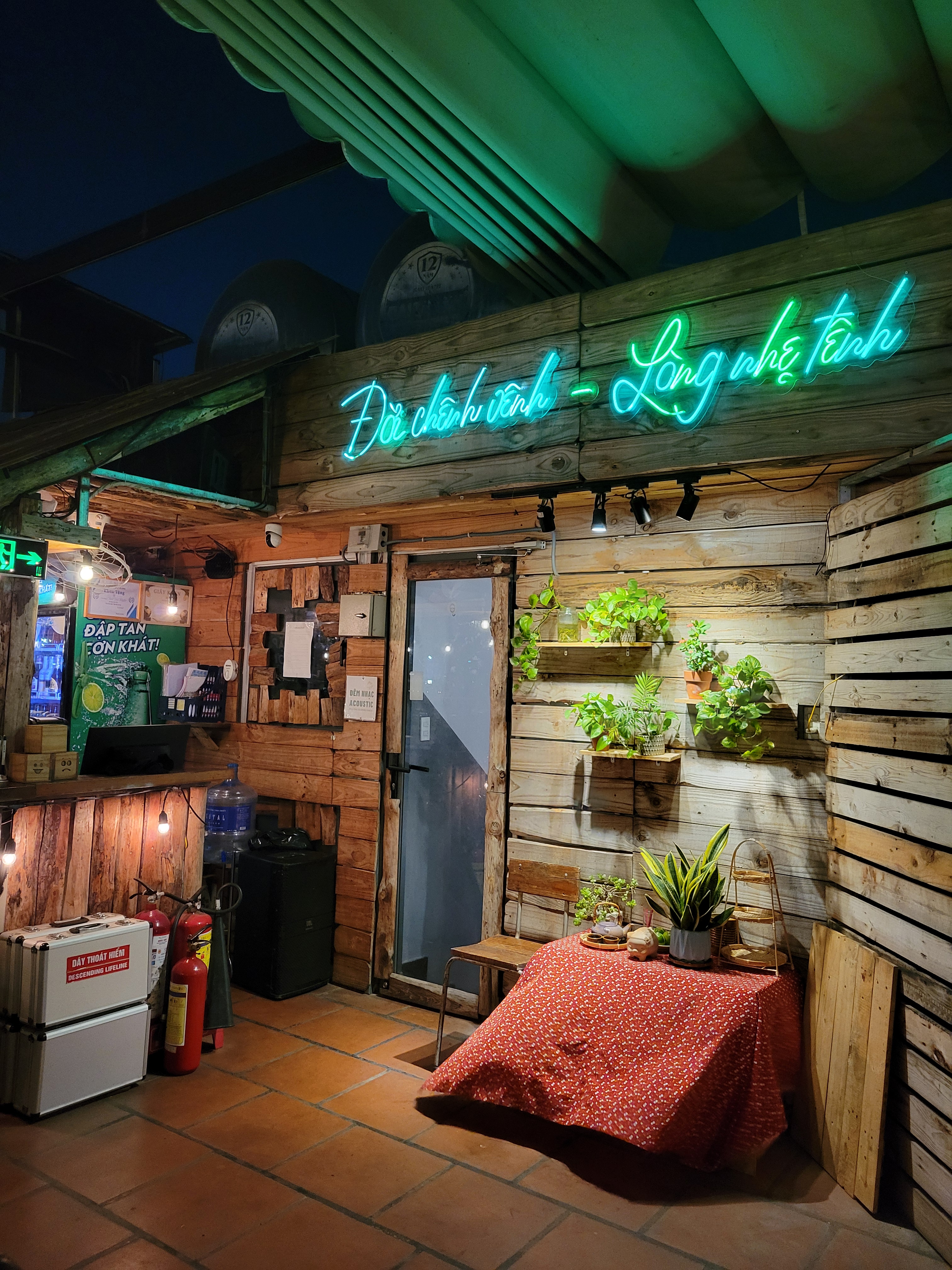
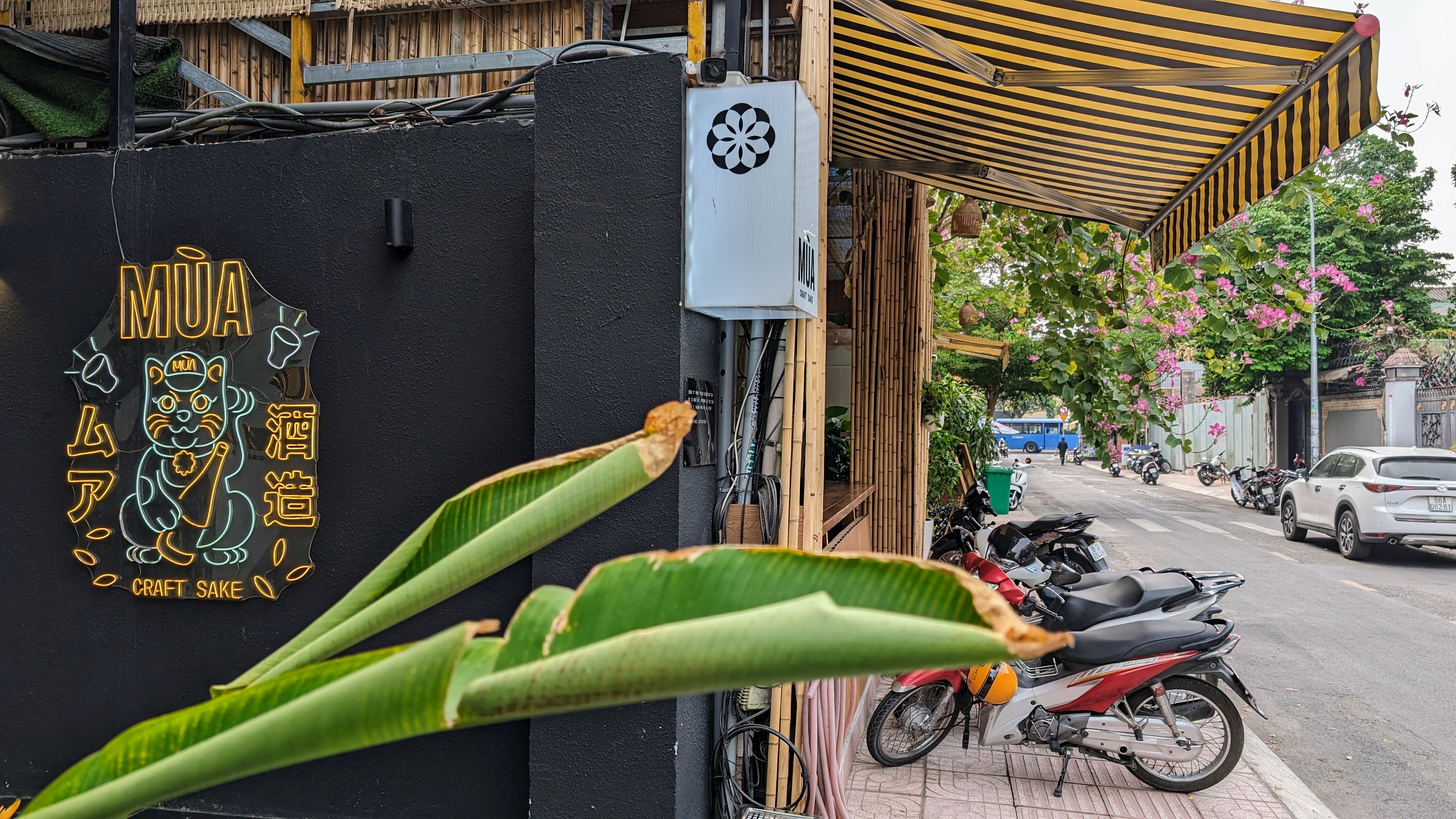
1- Urban Exploring and Adventures – Four nights in Ho Chi Minh City: We flew Starlux Airlines from Los Angeles with a connection in Taipei to SGN – Tân Sơn Nhất International Airport. Even if it was our 3rd visit to HCM, we decided to spend a bit more time here to expand the areas we would visit. We usually spend most of our time in District 1 but ventured out to District 2 this time. District 2 has a bit more of a neighborhood atmosphere, with some interesting places to eat/drink, and some fun shops, like Note Scent Lab where you can take a workshop to blend your own scent. Ho Chi Minh City is a very lively place! It’s a mix of old and new; it feels like you get a glimpse of the past and the future at the same time. Independent businesses seem to really thrive, and it is intoxicating to walk the streets just to see life happening in a way that is so different from our segregated lifestyle in North America. As for where to stay, there are many great options in the city, but we love the Park Hyatt Saigon and decided to stay here again for the third time due to the convenient location, comfortable rooms, excellent service, and nice pool area. You can find out more about how we like to experience the city by reading our “72 Hours in Ho Chi Minh City” post.





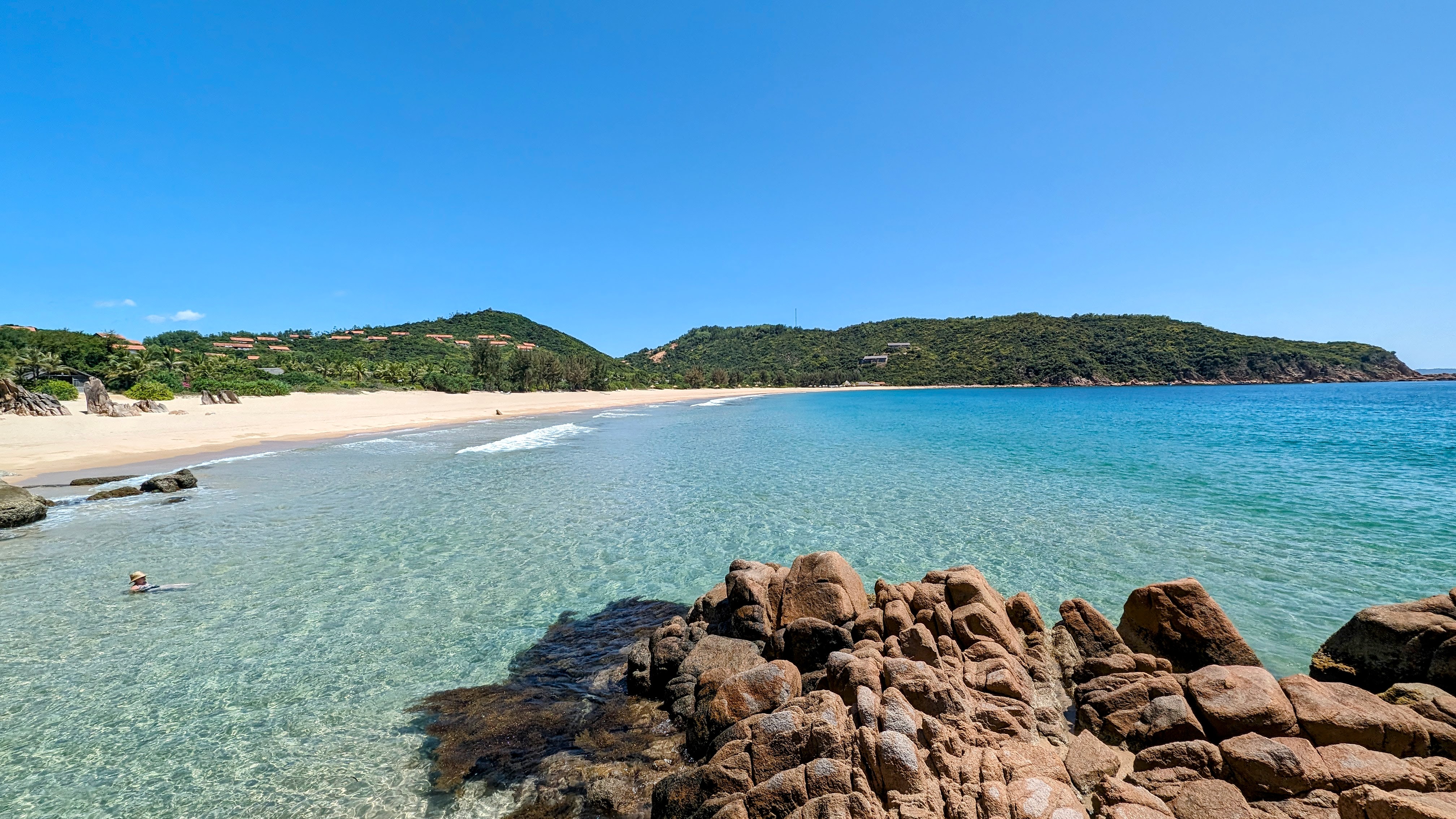
2- Off-the-radar luxury that blends well with its natural surroundings – Four nights at the Zannier Bai Han So in Phu Yen: After 3 fun days in busy Ho Chi Minh City, it was time to board a 1 hour Vietnam Airlines flights to Phu Cat Airport, followed by a 1.5 hour transfer to the Zannier Bai Han So for 4 days of relaxation. Tucked away on a private bay in the Phu Yen province miles from any other resorts and about 1 hour from Quy Nhon, the Zannier Bai San Ho is a truly unique resort offering guests a dreamy beach vacation set on a scenic hillside resort village with rice paddies. The beautiful private beach and resort amenities are the main draw here, otherwise there are only small local villages nearby. The resort has some sightseeing activities for guests, but they are quite expensive, which is something we were disappointed about. However, we decided to rent some bikes and explore on our own and visited a small fishing village nearby that was very atmospheric. Other than one small local restaurant nearby where you can eat seafood on a dock, you will be spending your time eating at the resort. The resort’s dining program is unapologetically Vietnamese, with many delicious options, which we enjoyed.


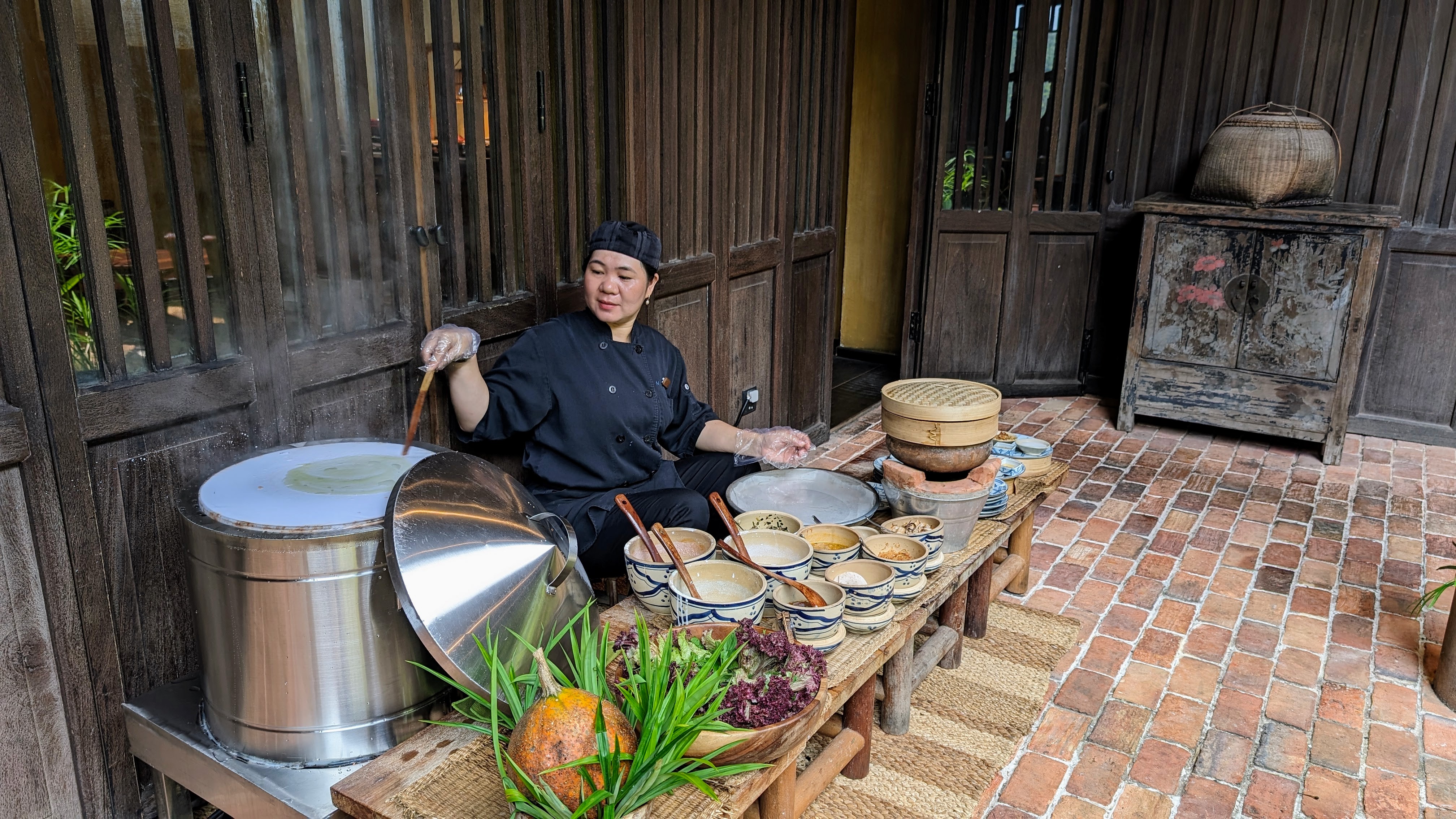

3- Luxury Train Travel from Quy Nhon to Danang on Anantara’s The Vietage: The next chapter of our trip included a train journey from Quy Nhon to Danang for about 6 hours on Anantara’s new luxury railway, The Vietage. Currently, you can travel either from Da Nang/Hoi An in the north to Quy Nhon and/or Nha Trang to the south. As part of the service on The Vietage, you are served a 3-course meal, unlimited drinks, and can get a 15-minute massage. If you travel during the day on the Danang to Quy Nhon route, you will get to see more of the scenery. If we get to do this trip again, we would spend a few days in Hoi An and Danang, then take the train to Quy Nhon and stay at the Anantara Quy Nhon Villas or the Zannier Bai Han So for a few days to relax.


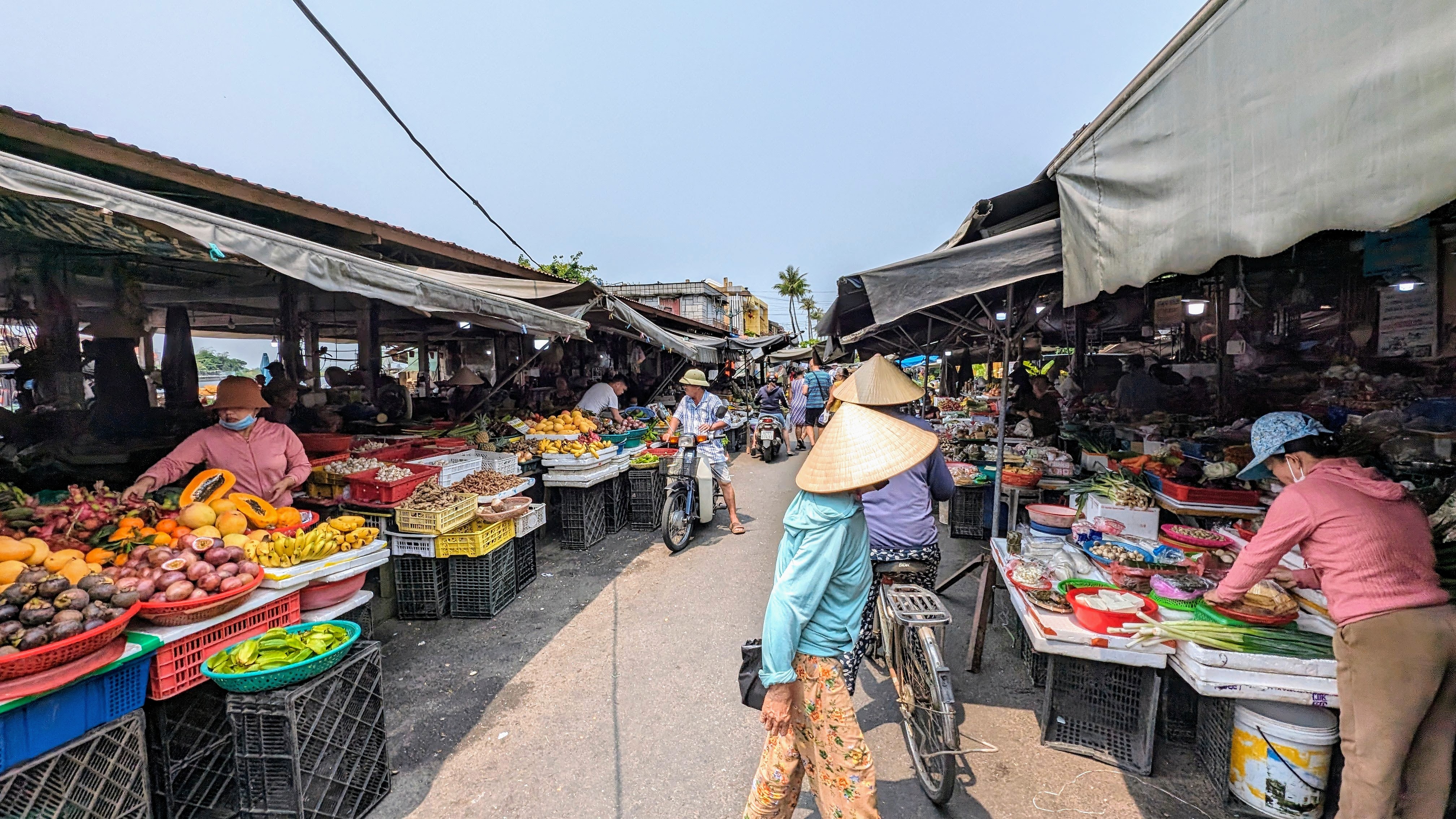
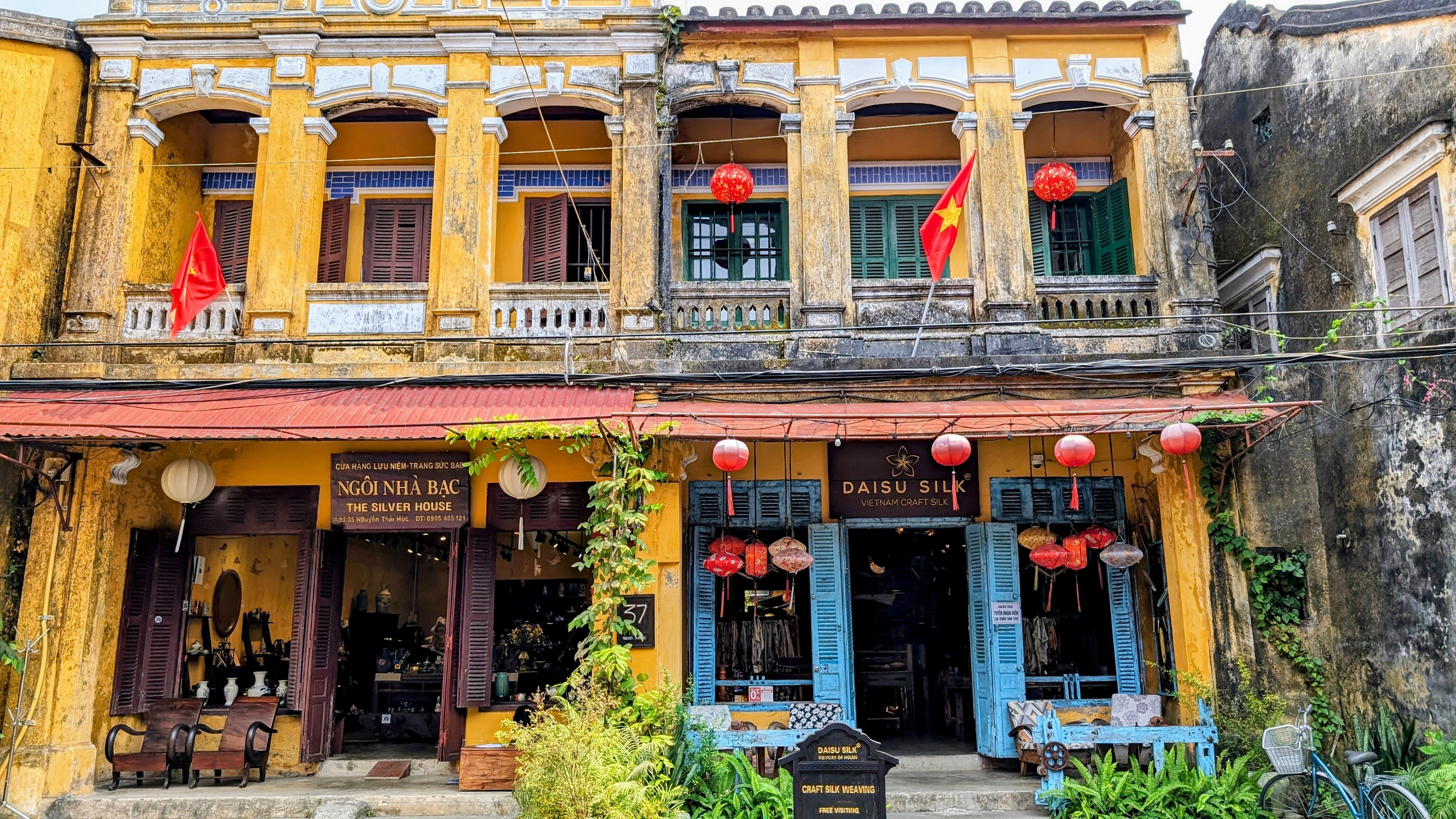
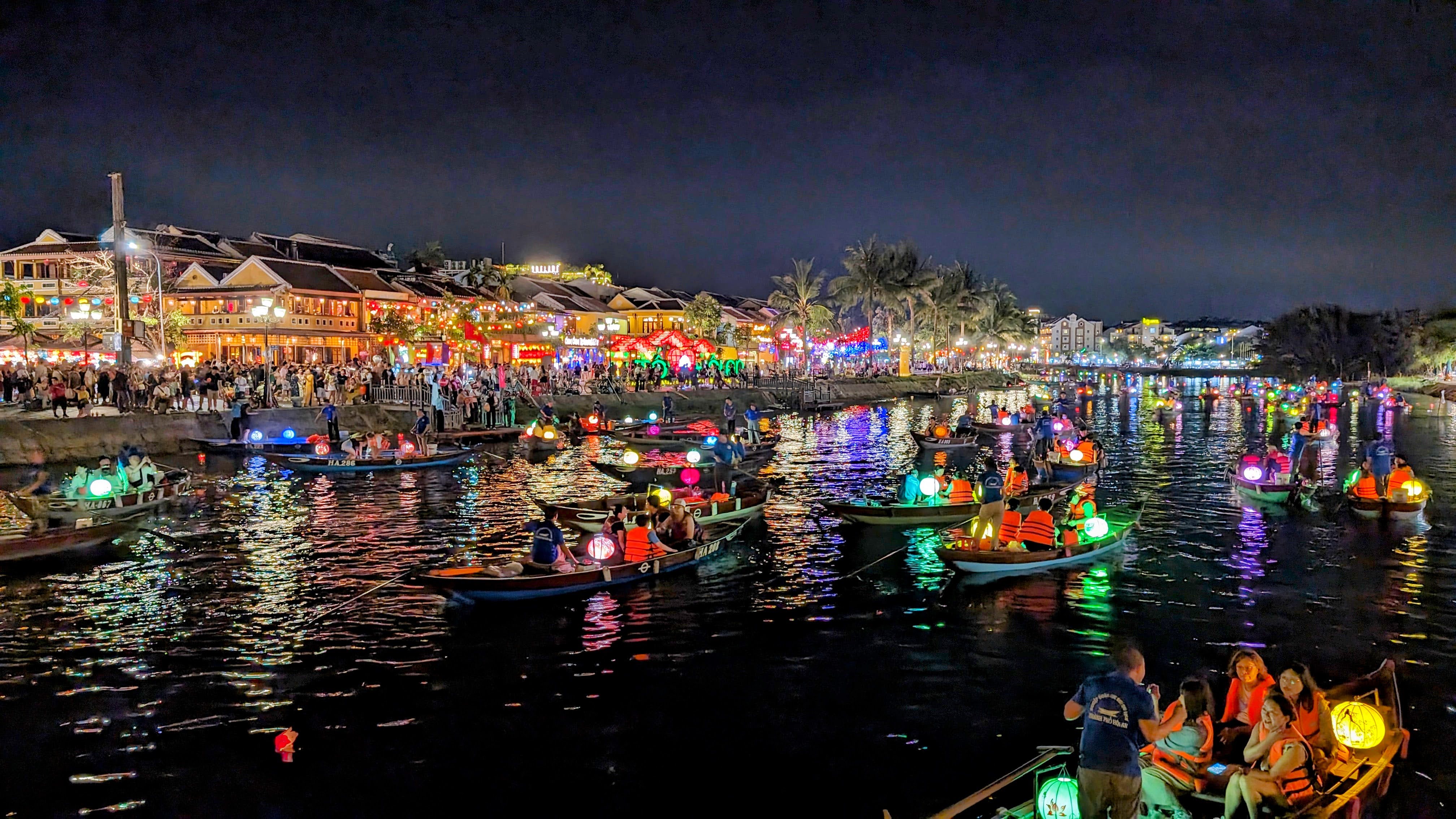
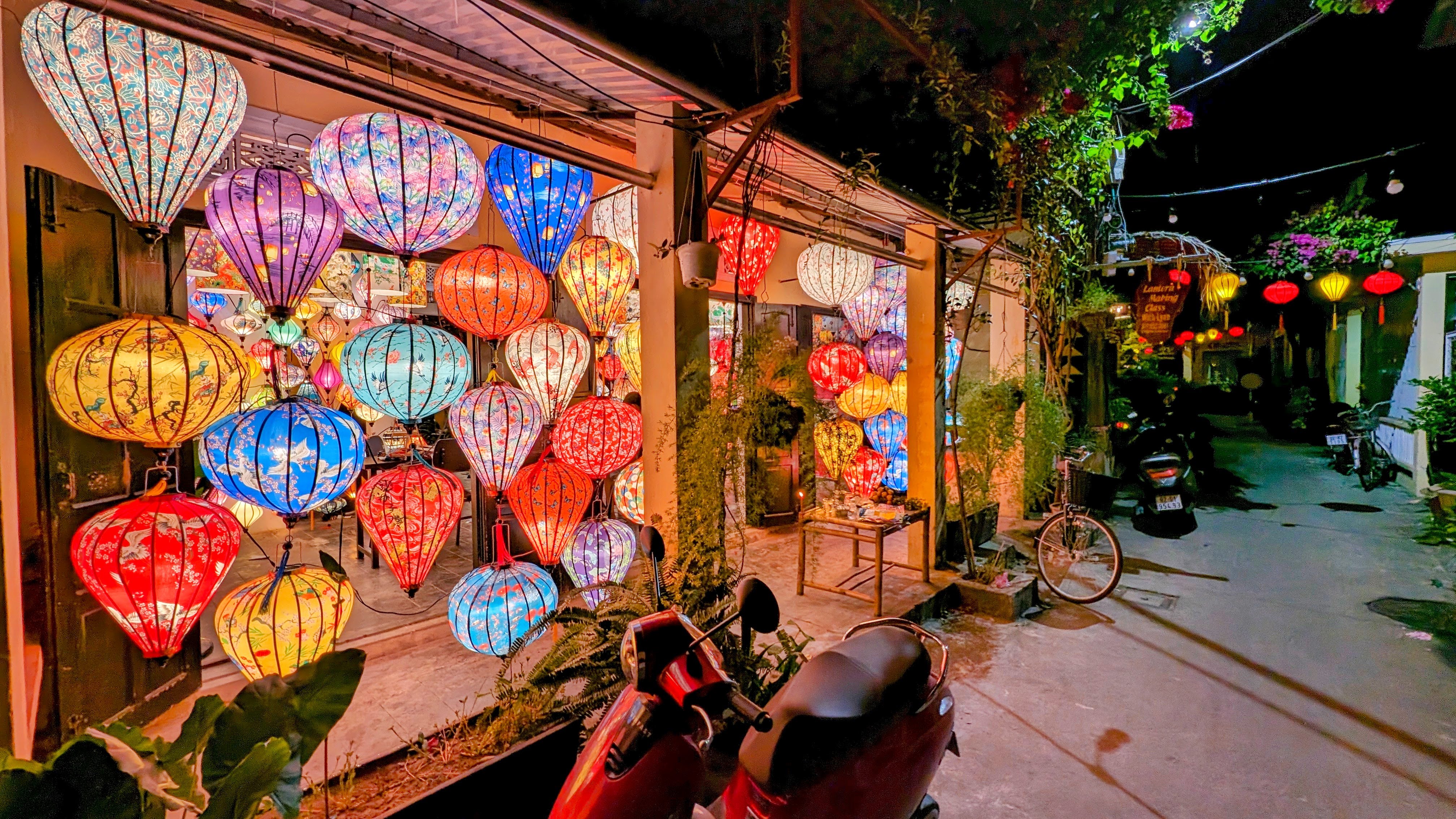
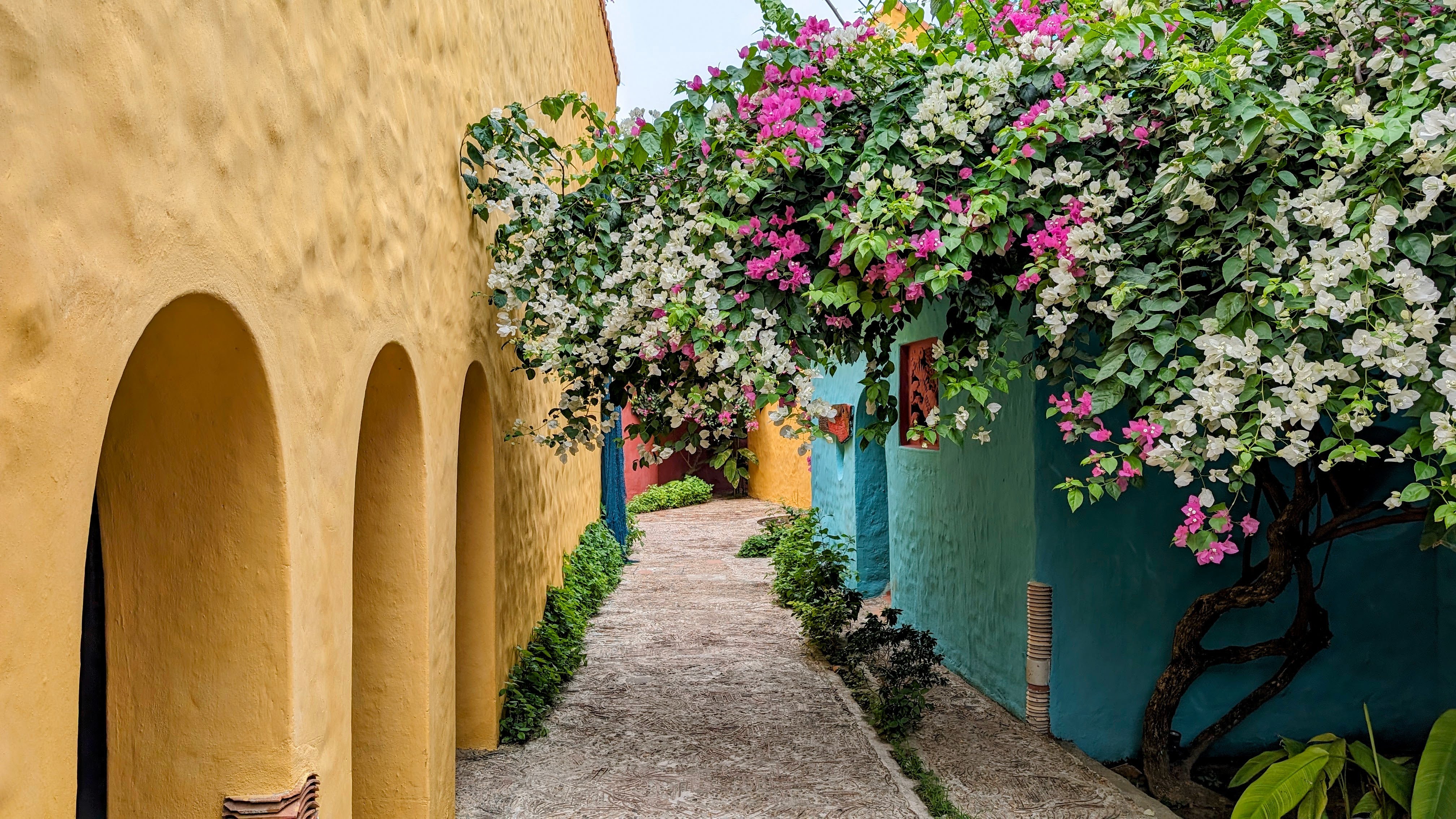
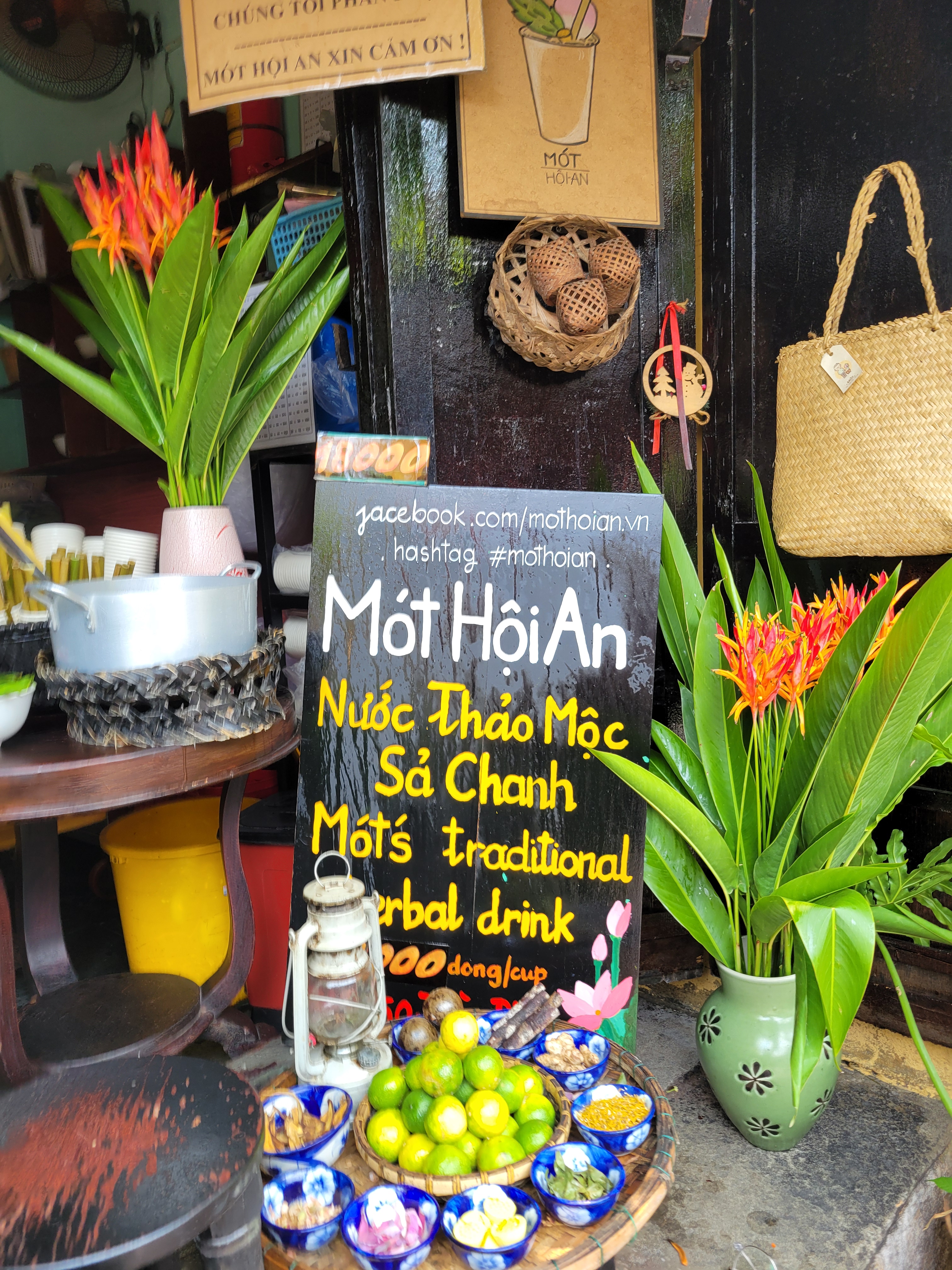
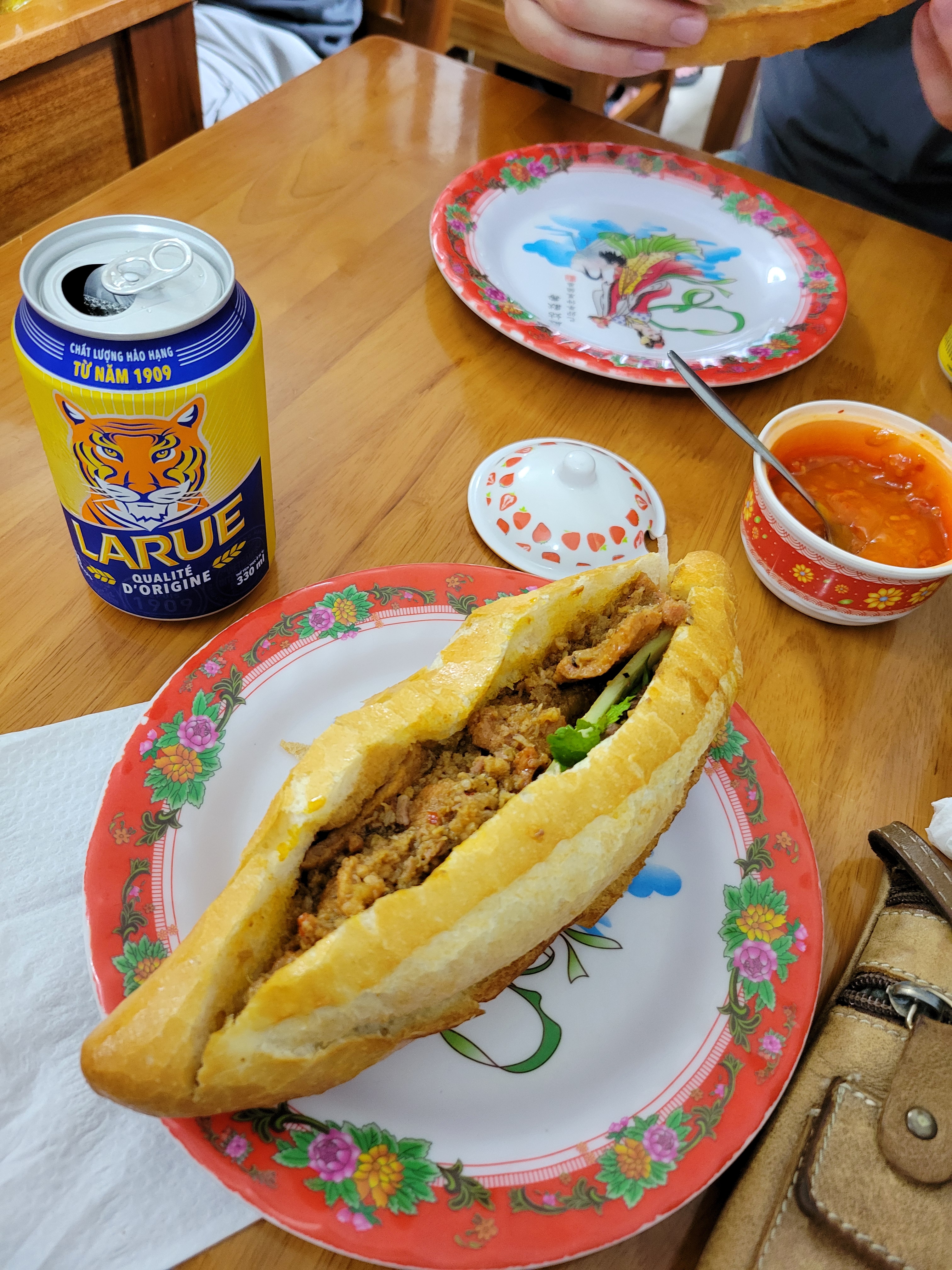
4- Exploring Charming (…but very crowded) Hoi An Old Town and Rice Fields – 3 Days of Cycling and Walking: After our luxurious and indulgent train journey on The Vietage, we arrived in Hoi An for a 2 night stay at the Anantara Hoi An. We chose the Anantara Hoi An due to its convenient location to Hoi An Old Town, their complimentary bikes, and they offer The Vietage and hotel packages. Hoi An’s Old Town is actually a UNESCO World Heritage site due to its importance as a South Asian trading port during the 15th to 19th century. In Old Town, you will find an abundance of places to get clothing tailored, shops selling souvenirs, clothing, and spices, cafes, bars, restaurants, and glimpses of life by the river with markets and local noodles drying in the sun. It is also worth venturing out of Old Town to visit the rice fields nearby where you can have a meal, and also visiting the nearby beaches. If you are ambitious, you can also add day trips to Hue and My Son. At night, parts of Hoi An transform themselves into one of the largest and busiest night market’s we have ever been to. Hoi An can be a bit overwhelming at times due to the numerous sales pitches to get close tailored and the crowds of people who come for day tours, but it is also peaceful when you find yourself biking in landscapes of serene rice fields and under developed beaches with just the sound of the waves around you.
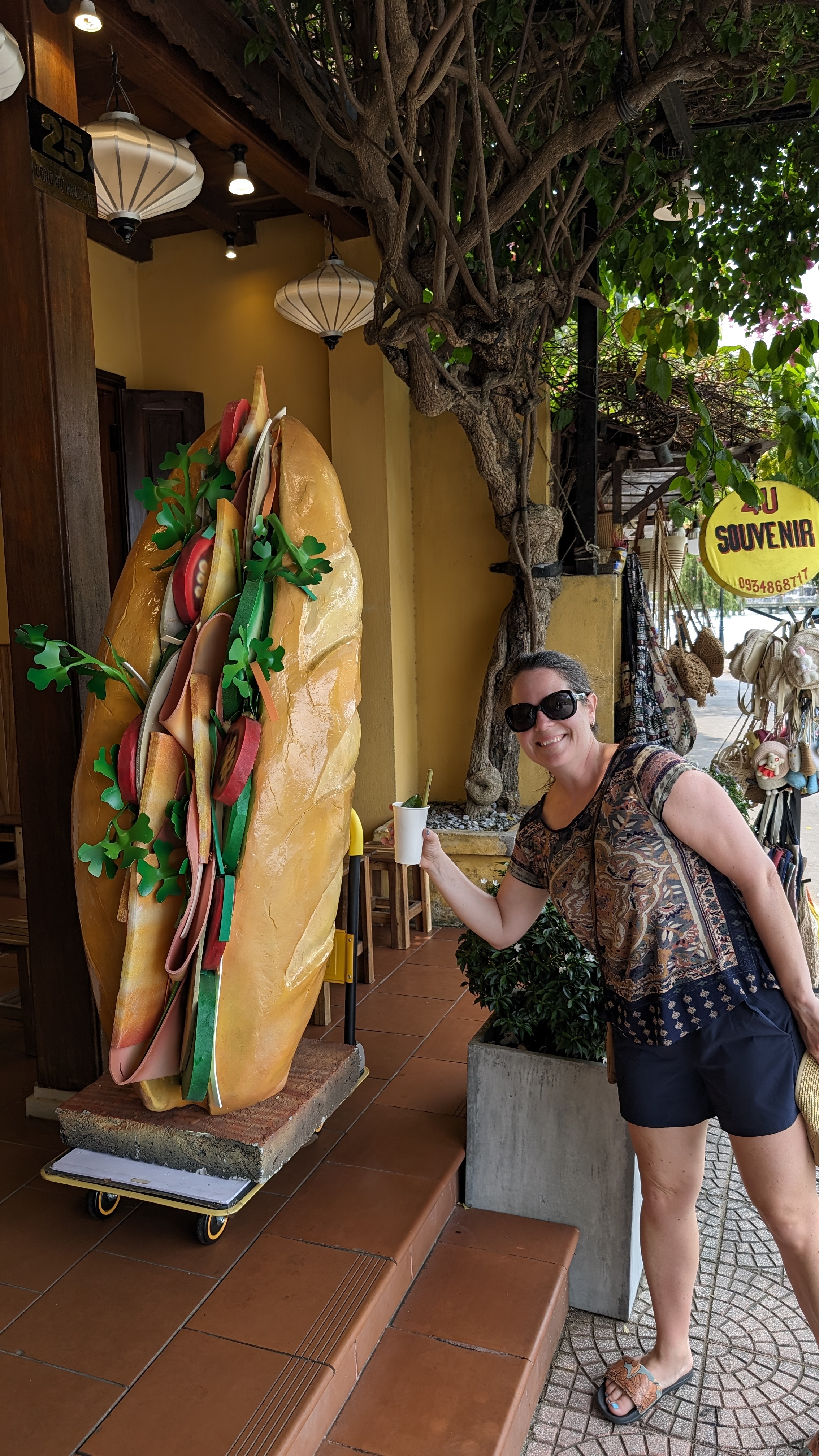





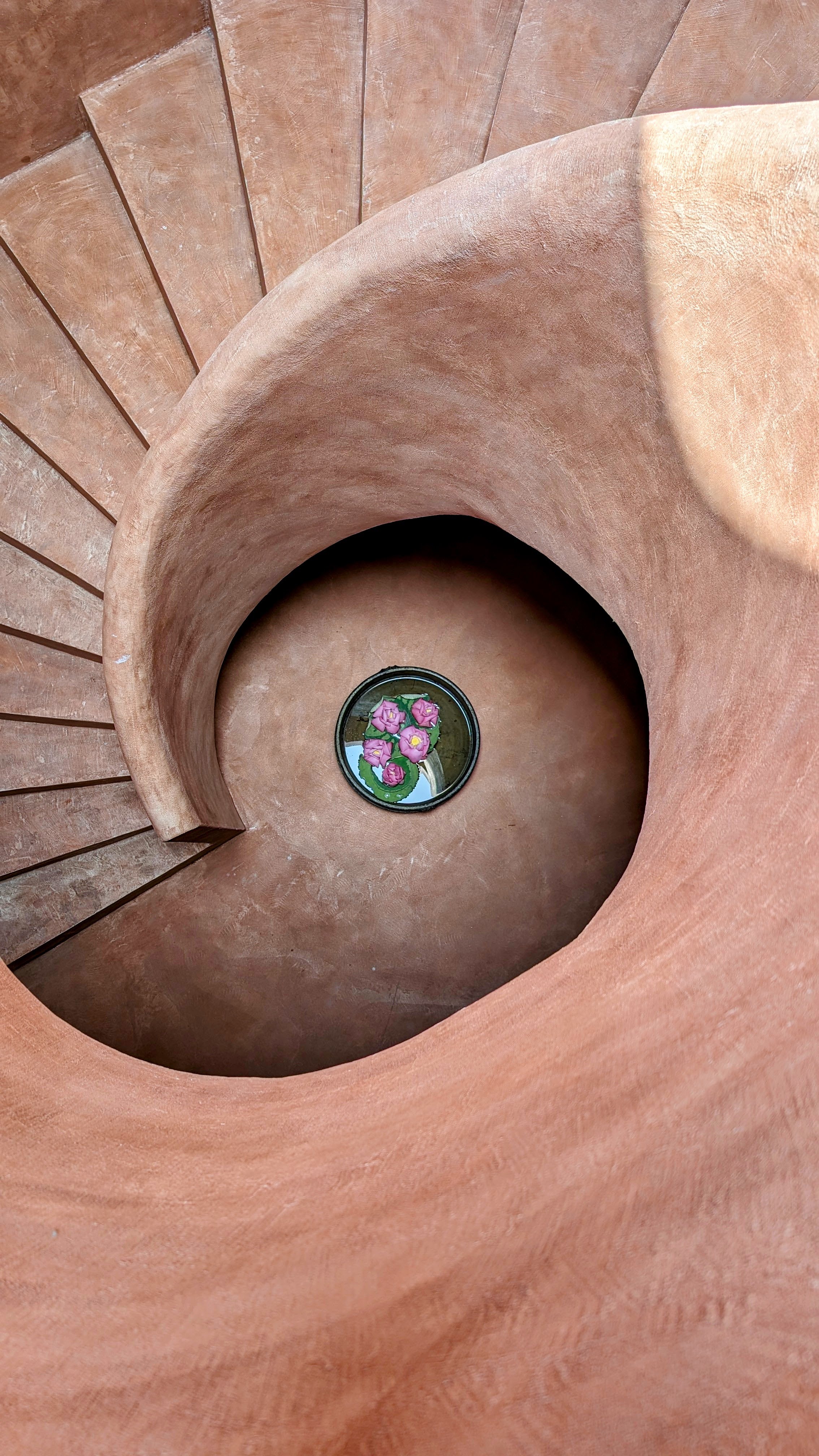
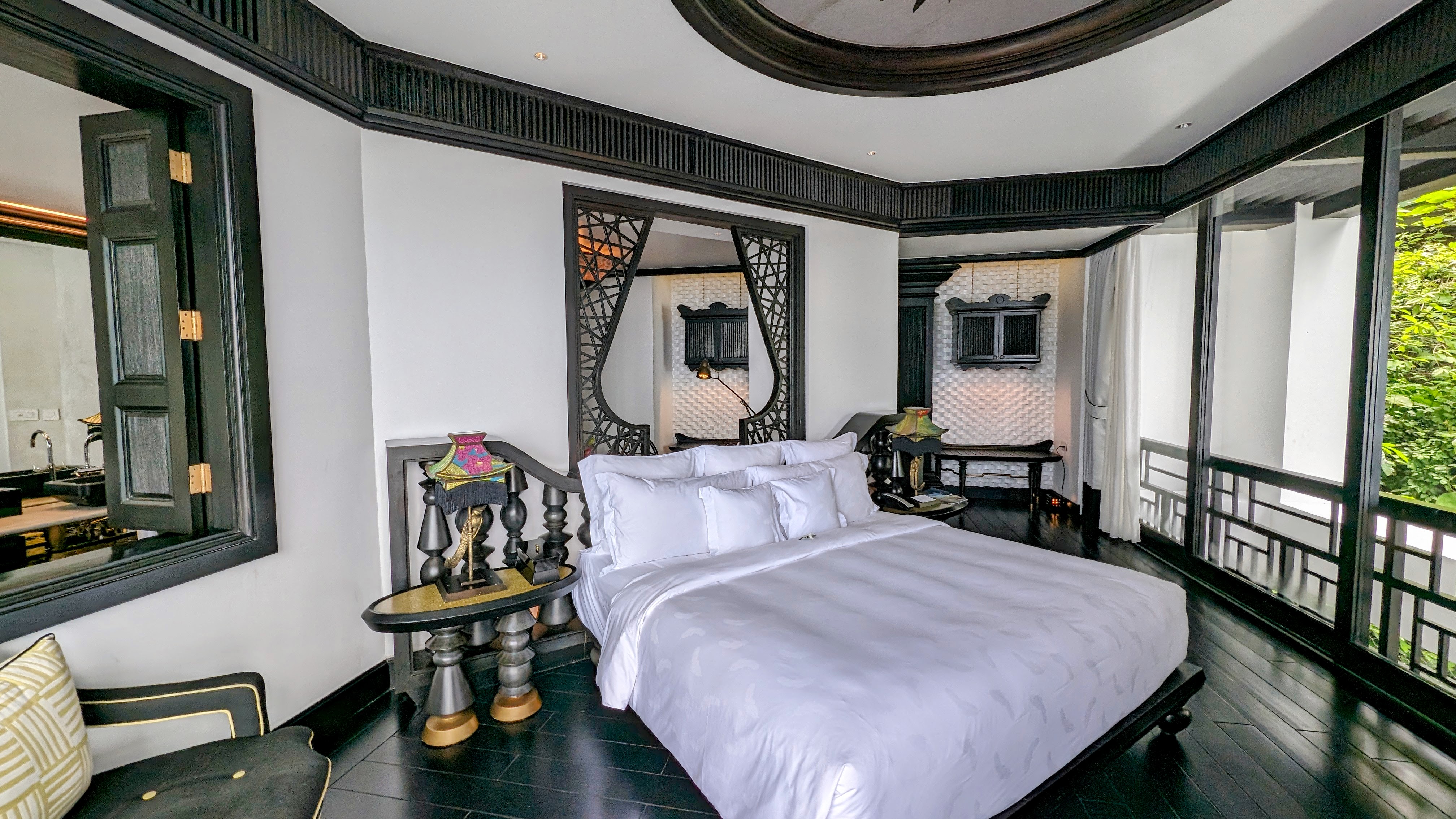
5- Four Nights at the Intercontiental Danang – Resort Life with some time in Danang City – 4 Nights: Located in a stunning private bay, the Intercontinental Danang Sun Peninsula is located just 30 minutes from the beach front city of Danang. This aspirational hotel, an Instagrammer’s wonderland, is a remarkable resort with impressive architectural features and design unique to Bill Bensley. You could enjoy spending all your time here, but it is also possible to leave the resort and enjoy what Danang has to offer. The resort has a variety of activities, like nature walks, fishing, games, fitness classes, pools, and watersports like kayaking and stand-up paddle boarding. The hotel also offers shuttles to Hoi An and Danang. On site, there are many dining options too, including a Michelin star French restaurant , a Japanese omasake restaurant, a Vietnamese restaurant, and a few bars. We enjoyed venturing out to Danang twice by taking a taxi, which cost about $10-$15 each way. We thought it was worth it to go shopping, check out the night market, the Dragon Bridge, and also eat and drink, as there are many options in Danang. We highly recommend eating at Pizza 4Ps if you are craving pizza and cheese. Their pizzas are delicious, but their house-made cheese plate was spectacular! Pizza 4Ps actually makes their cheeses from milk sourced at farms in Vietnam. This leg of the trips was the perfect mix of relaxing resort/beach life during the day and city exploring in the evening.




Summary:
We really enjoyed this 2 week itinerary and would do the entire trip over again, if we could. The only thing we would switch, is taking The Vietage from Danang to Qui Nhon to see the scenery during the day. We have not had the best of luck with beaches in South East Asia in the past, but the ones we experienced at the Zannier Bai Han So, Intercontiental Danang, and Hoi An were very nice, and perfect for swimming. It was interesting for us to see how much Vietnam has changed since our first visit in 2010. Vietnam might be less popular than other destinations in South East Asia, but its tourism infrastructure is developing fast, and in some spots, it might be too much too soon. Hopefully this isn’t our last trip to Vietnam, as this one may have been the best one yet!
Related Posts:
- 72 Hours in Ho Chi Minh City
- Tips: Planning a Trip to Vietnam
- Review -The Vietage by Anantara Luxury Train in Vietnam
- Review – Zannier Bai San Ho: Rustic-Luxury Beach Resort in Phu Yen, Vietnam
- Review – Intercontinental Da Nang Sun Peninsula: A Luxurious Instagram-Worthy Resort
- Review – Anantara Hoi An Resort: Ultimate Riverside Relaxation in Vietnam
- Review – Park Hyatt Saigon: Urban Elegance in Ho Chi Minh City’s District 1
- Review: Park Hyatt Saigon, Ho Chi Minh City, Vietnam (older review of a suite)

 weleavetoday.com
Leave a comment