

Overview:
This past September and October, we had the opportunity to visit India, where we spent time in Udaipur, Jaipur, and Goa. We had a wonderful trip and would love to go back again one day! In this post, we’ll share tips and information based on our experience to help you plan your trip.
1) When to Visit:
We visited from late September to mid-October and found the weather to be quite pleasant overall. It was very hot everywhere, as expected, but we didn’t experience any pollution and only had one or two days of rain in Goa. Most travel guides suggest that the best time to visit is from October to March for cooler and drier weather, but be aware of regional differences. For example, many guides recommend December to February as the best time for Goa. We did notice that many of the hotels we wanted to stay at were quite full and sold out, as October to March also coincides with the post-monsoon wedding season in India.
The charts below were taken from WeatherSpark, our preferred website to research weather trends in places we are planning trips to.


It’s also a good idea to check for special events and holidays, as these offer a unique experience. Religious holidays like Diwali and Holi are a popular time to visit. We were in Jaipur when they were preparing for Dussehra, a festival that celebrates the victory of good over evil by burning giant models of the demon king Ravana at night. It was very interesting to see the preparations.
2) How Long to Stay:
We were in India for two weeks and would have liked at least an extra one to two weeks to explore a few more spots in the country. Depending on how far you’re traveling from and what you want to do, we think two to three weeks is a good amount of time. With an extra week, we could have added a stop in Kerala, maybe visited Mumbai, or spent another day in Delhi. Here is a quick summary of our itinerary:
- Delhi: We spent one night here at an airport hotel before catching a flight to Udaipur. We didn’t visit the Taj Mahal, but if you plan to, it’s easy to add it to your itinerary from Delhi and you can dedicate one to two days to it. While it’s possible to visit the Taj Mahal as a day trip from Delhi, many guides recommend staying in Agra for the night to account for potential delays and to make the trip more enjoyable. As for visiting Delhi itself, you could spend two nights here to have one full day to see the city, but friends who have lived there advised us not to spend too much time here.
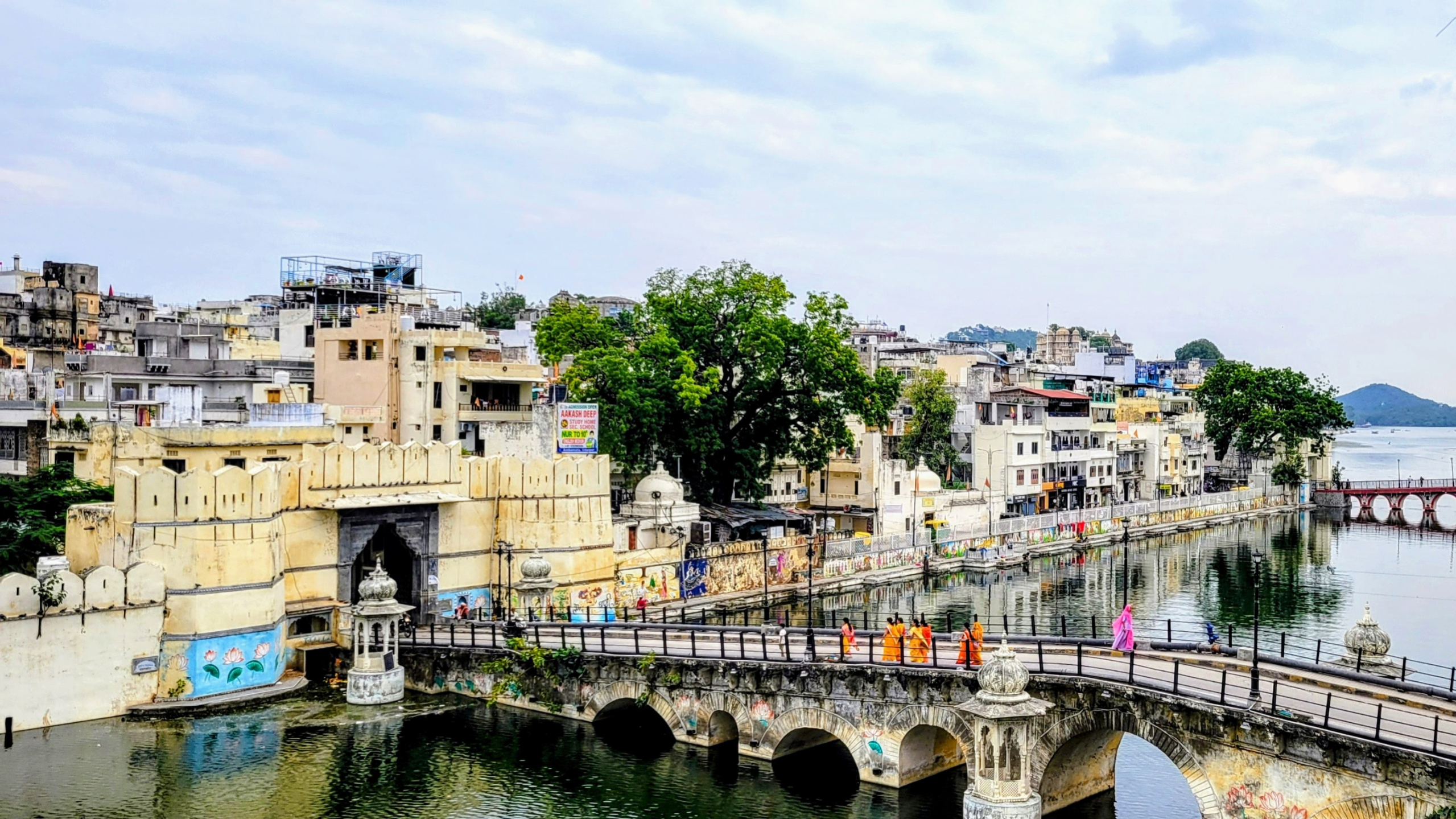
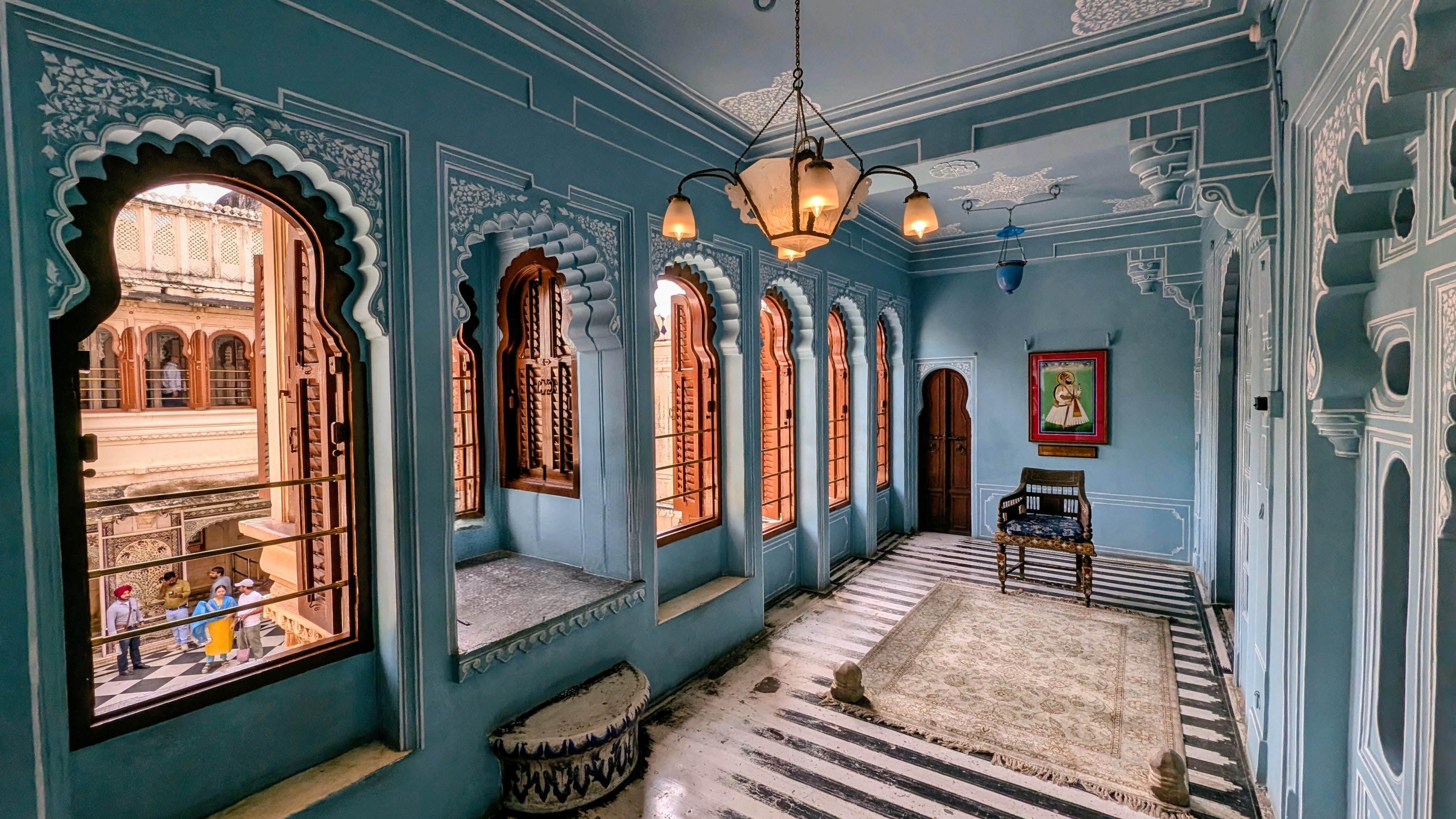
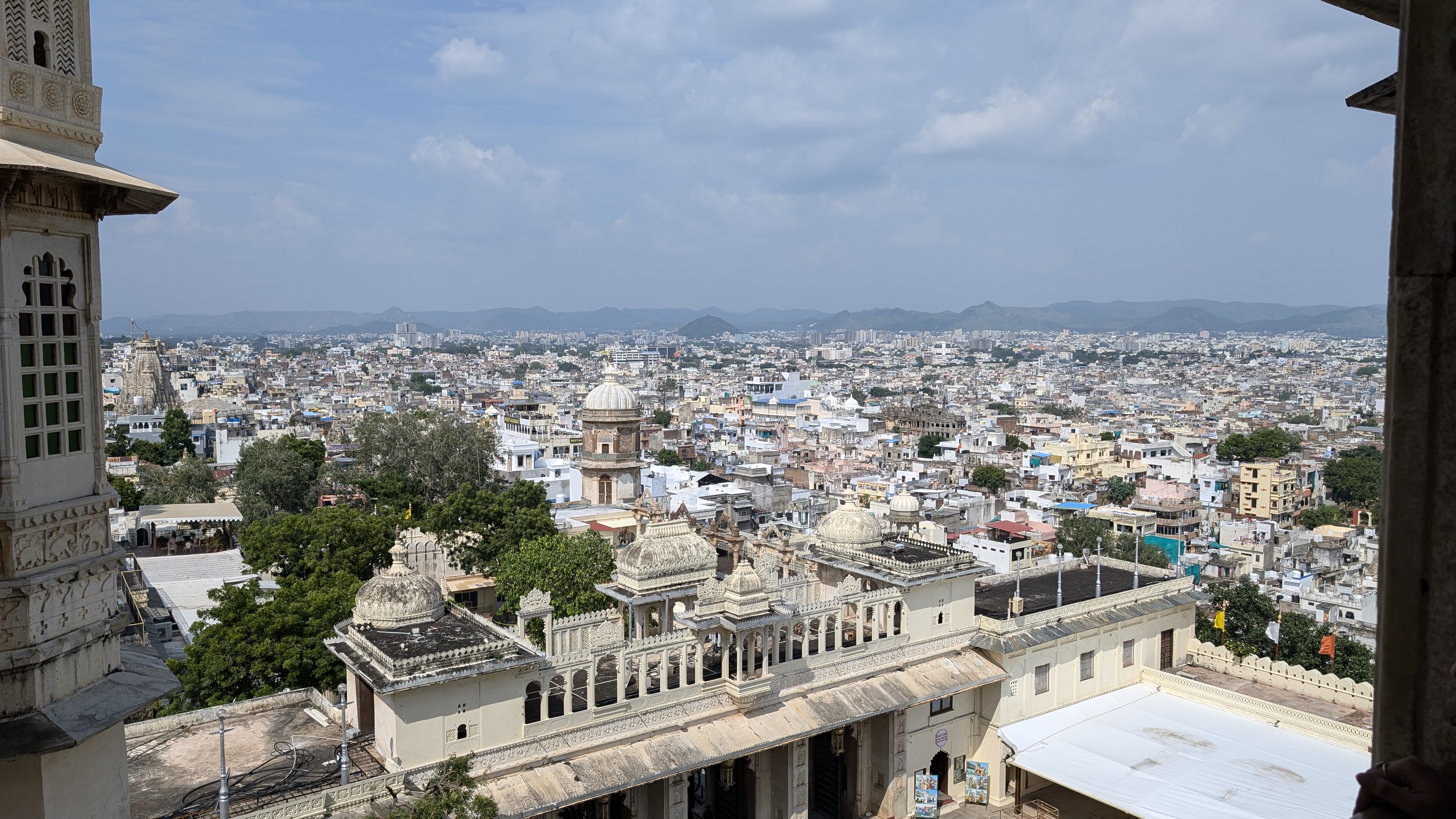
- Udaipur: We spent three nights at a luxury resort to relax, get over jetlag, and explore Udaipur. We believe two days is sufficient to explore the main sites. During your two-day stay, you can visit the City Palace, some of the palaces on Lake Pichola, and Ambrai Ghat.
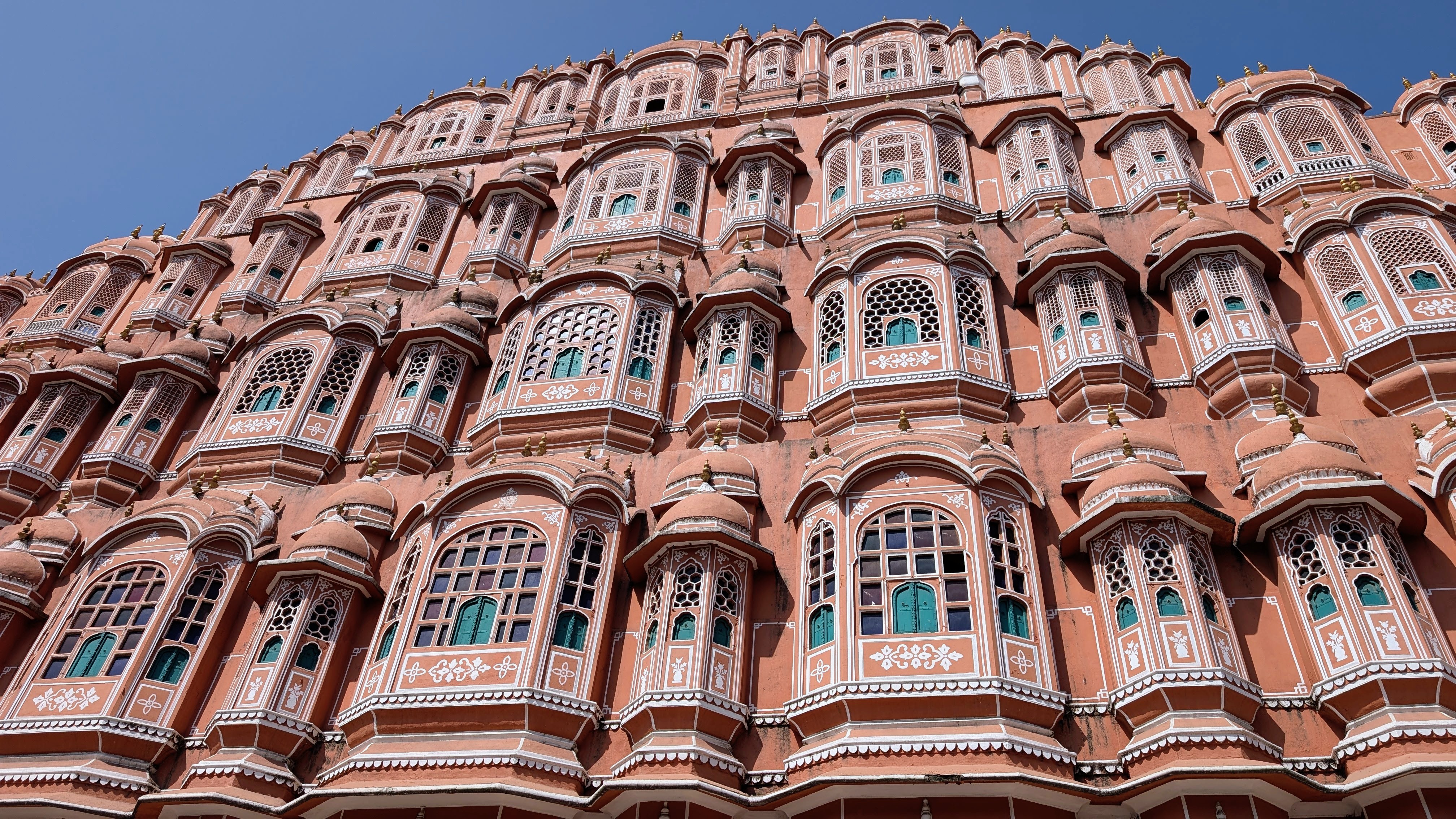
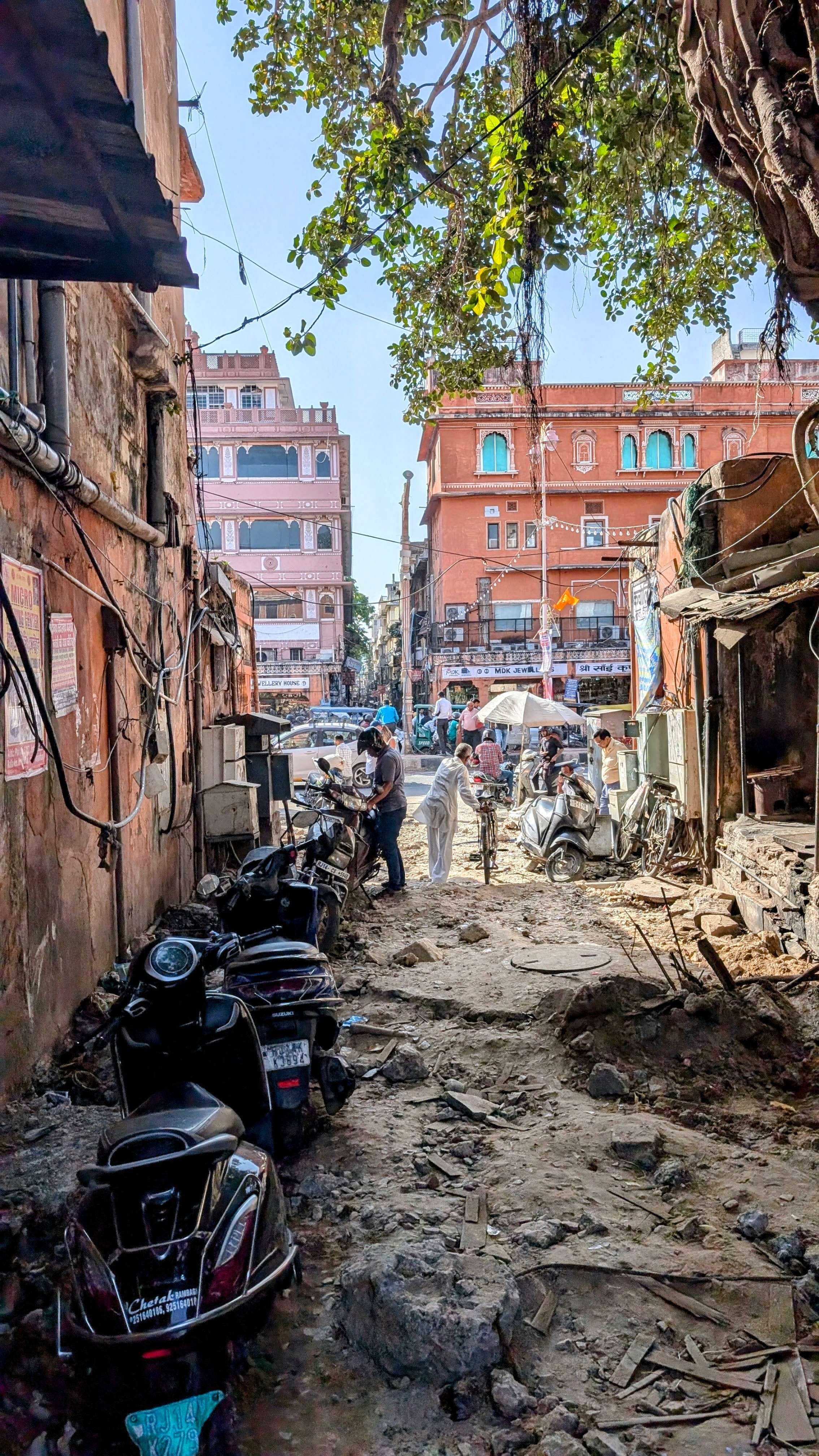
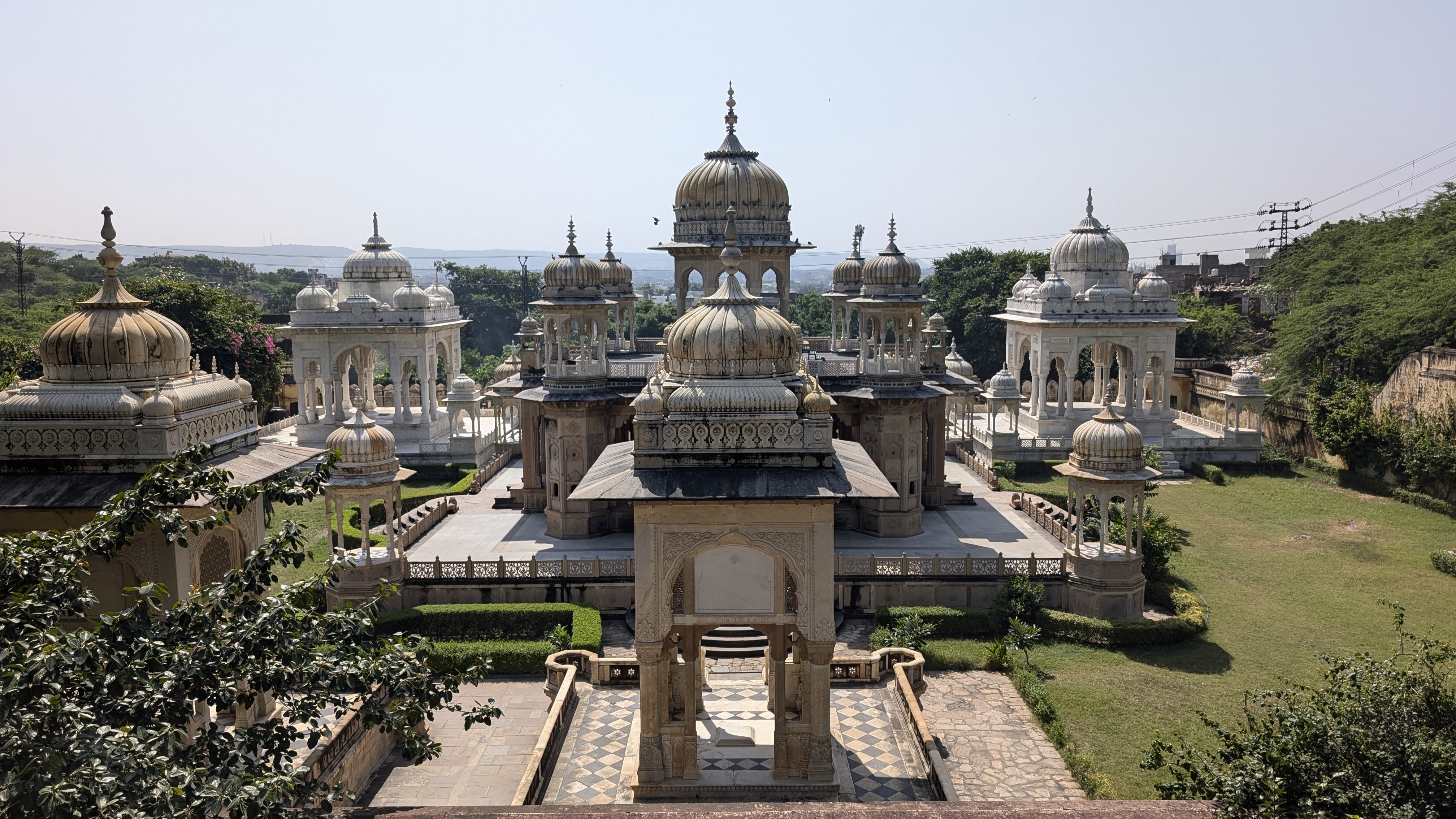
- Jaipur Area: We spent four nights in the Jaipur area, splitting our stay with two nights at a resort about an hour outside the city and then two nights in the city itself. We think two to three days is enough time to explore Jaipur. We booked one of the popular day tours where you are driven by tuk-tuk to see the city’s sites, such as Hawa Mahal, Nahagarh Fort, the City Palace, Jantar Mantar, Amber Fort, and more. We also enjoyed walking around the market areas in and around the old city.
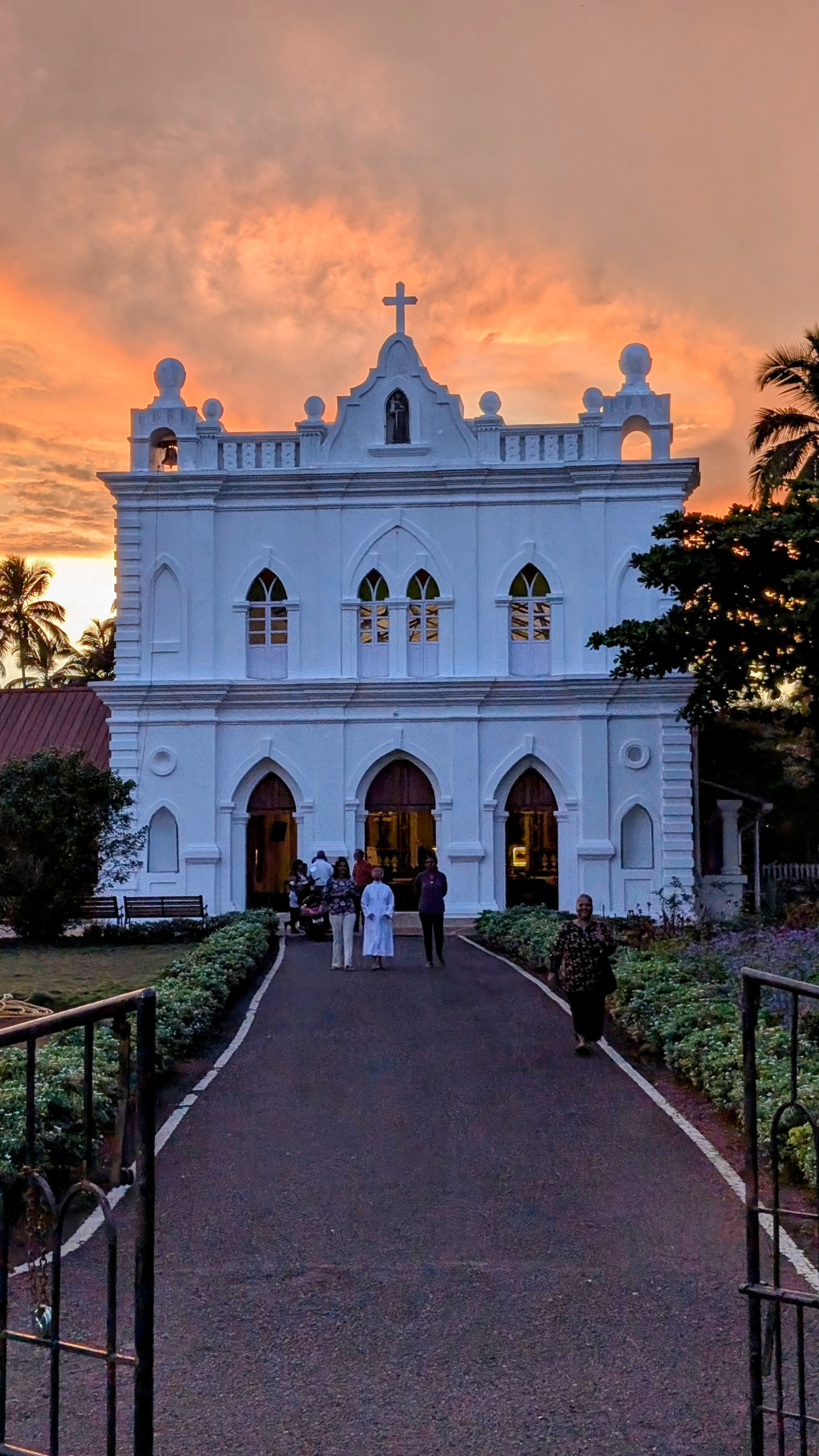
- Goa: We spent eight nights in the Goa area and divided our time between north, south, and central Goa at three different hotels. Having been there, we would now feel comfortable shortening our stay to five nights. During our time in Goa, we enjoyed exploring the food scene, walking on the beach, and taking a day trip to Panjim to see the architecture.
We booked all flights, hotels, and transfers for this trip on our own, but it is also common for people to book trip packages that handle all the details, including visits to tourist attractions.
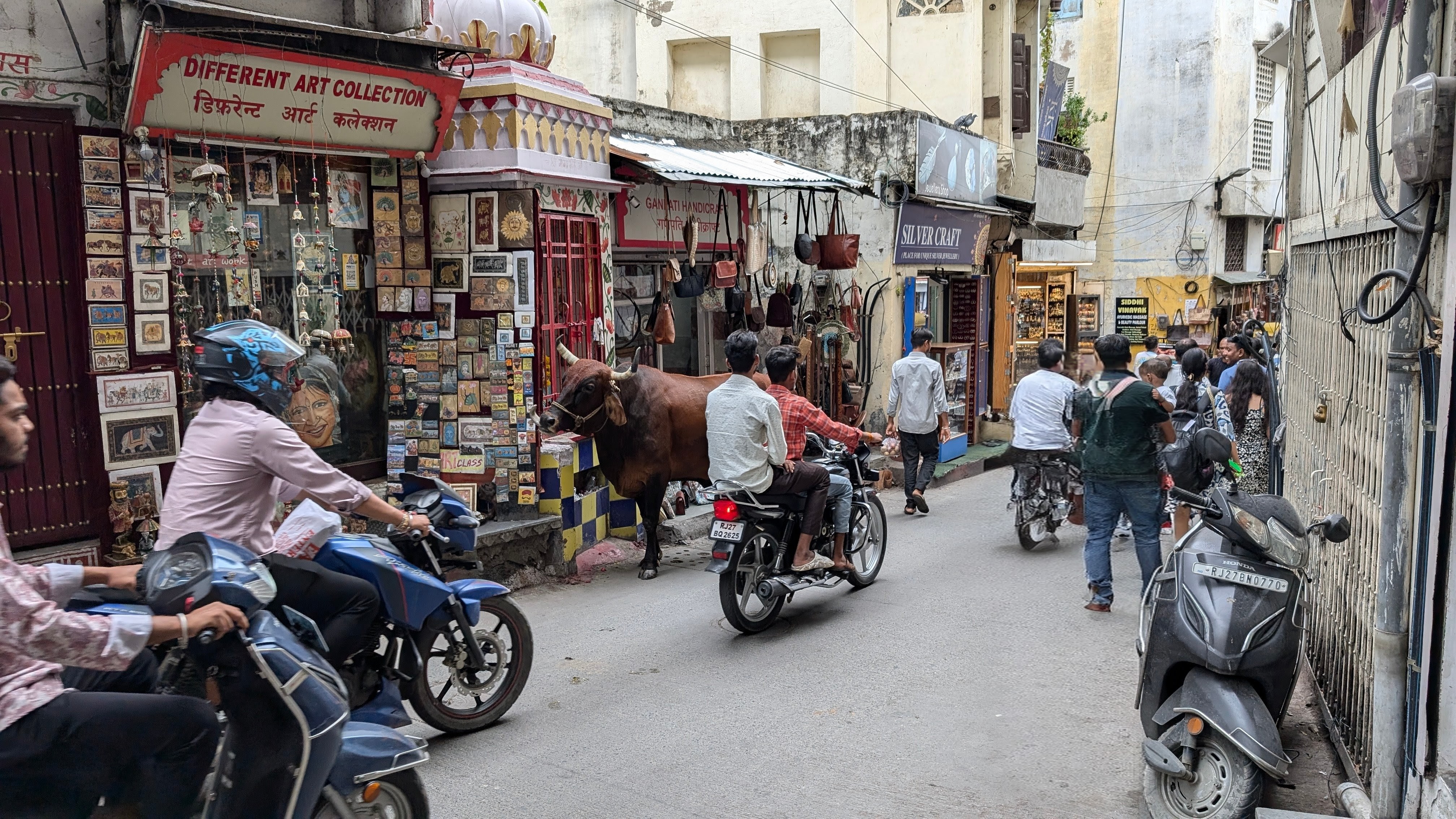
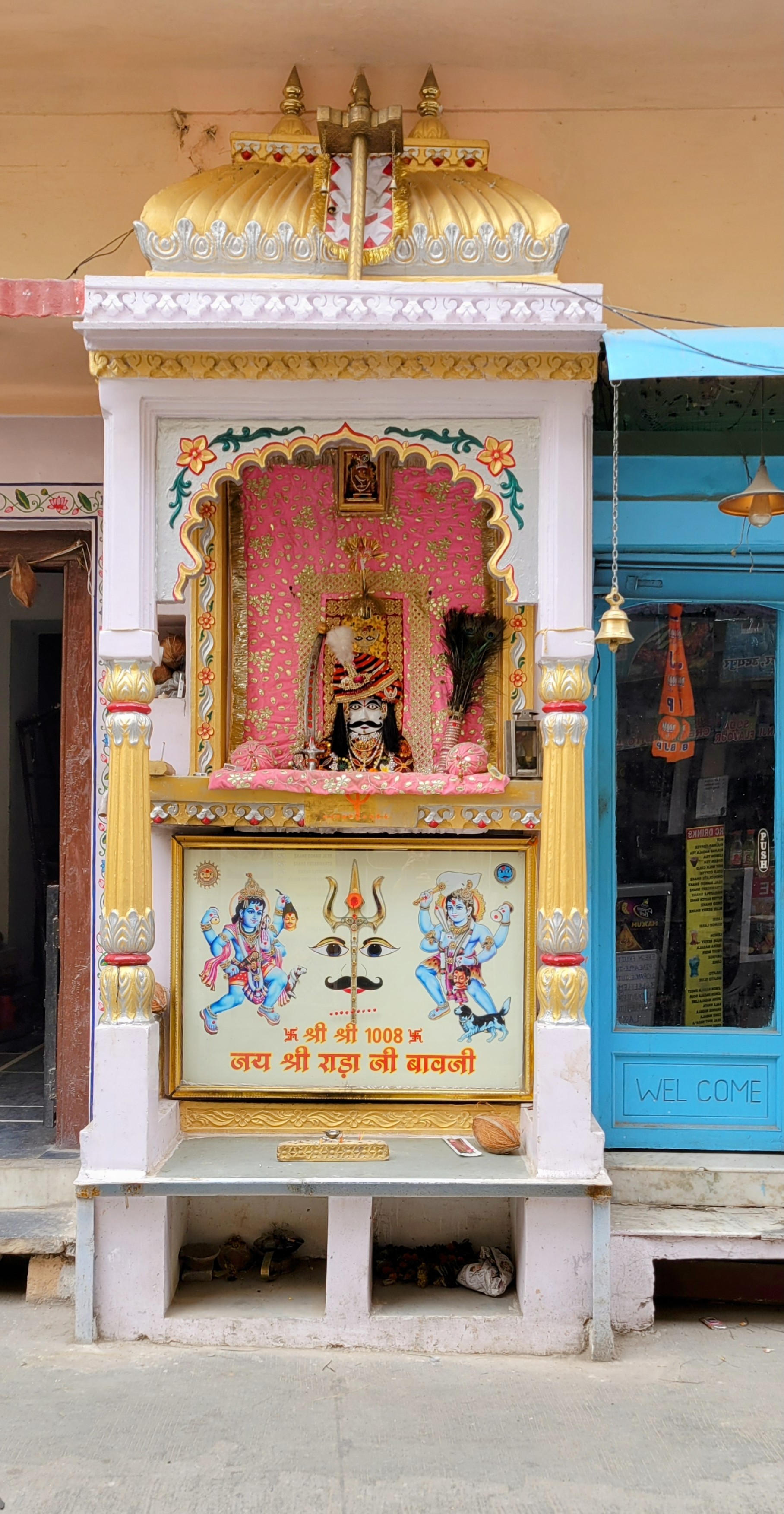
A selection of Udaipur photos:




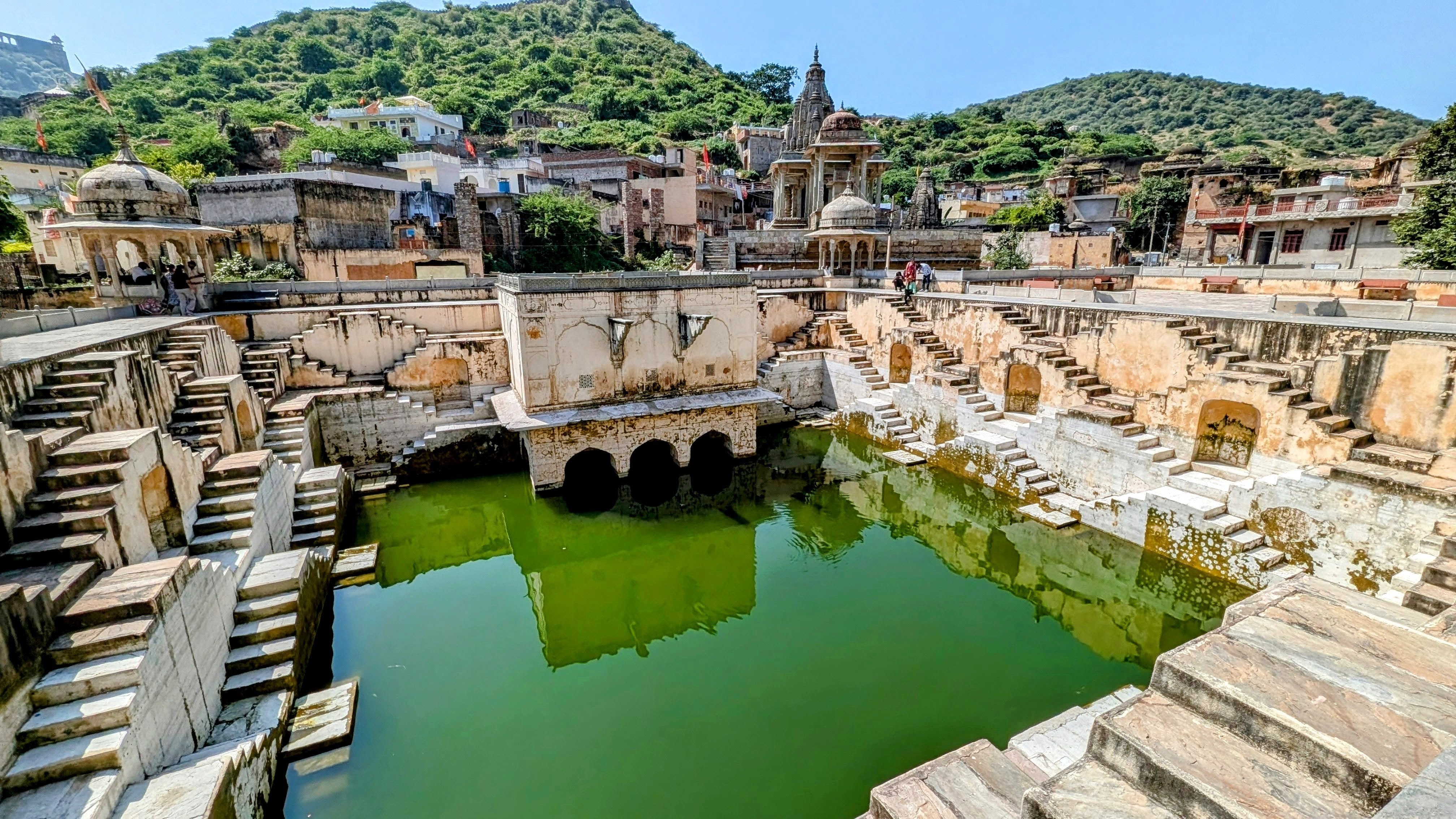
A selection of Jaipur photos:



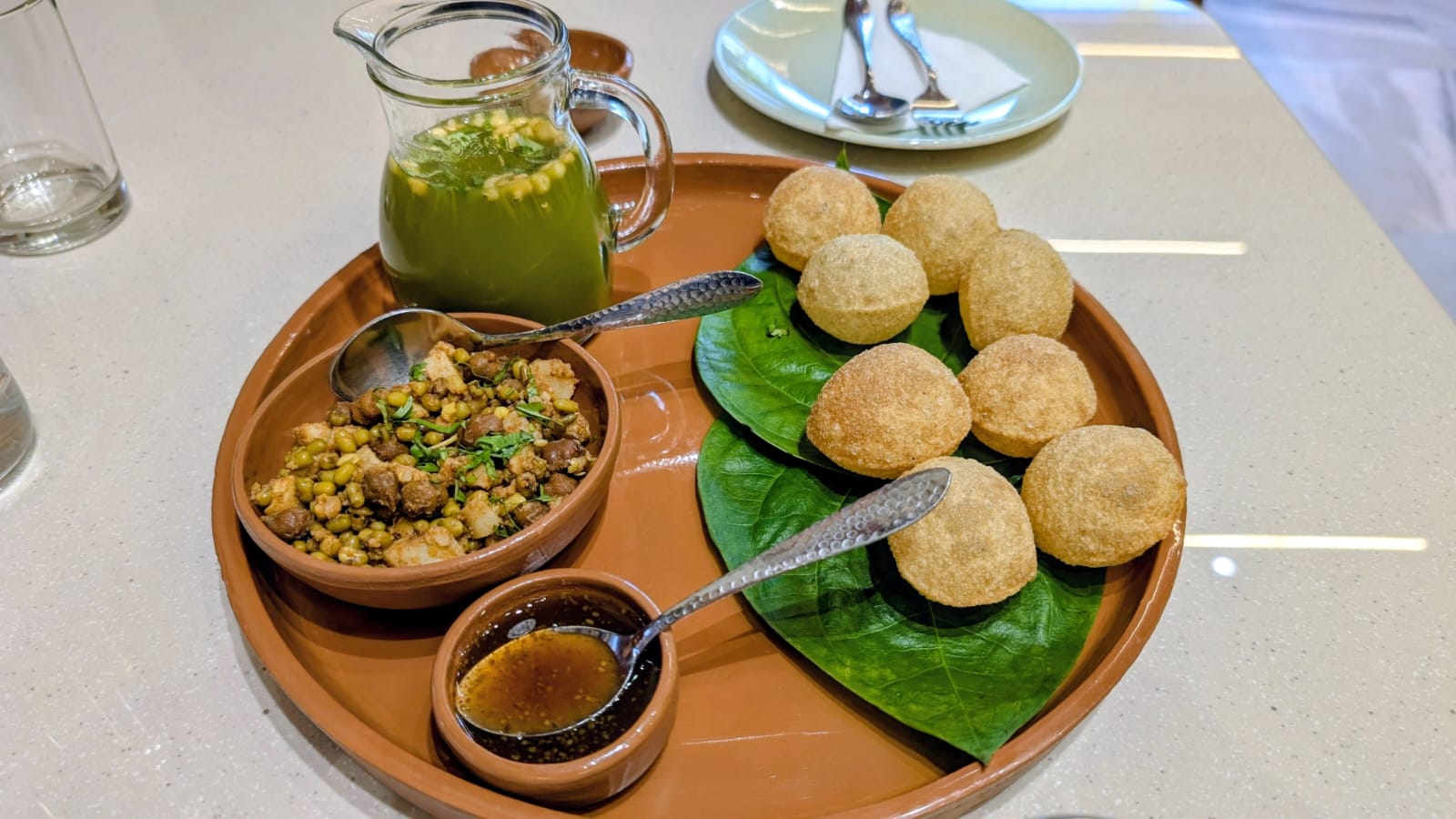

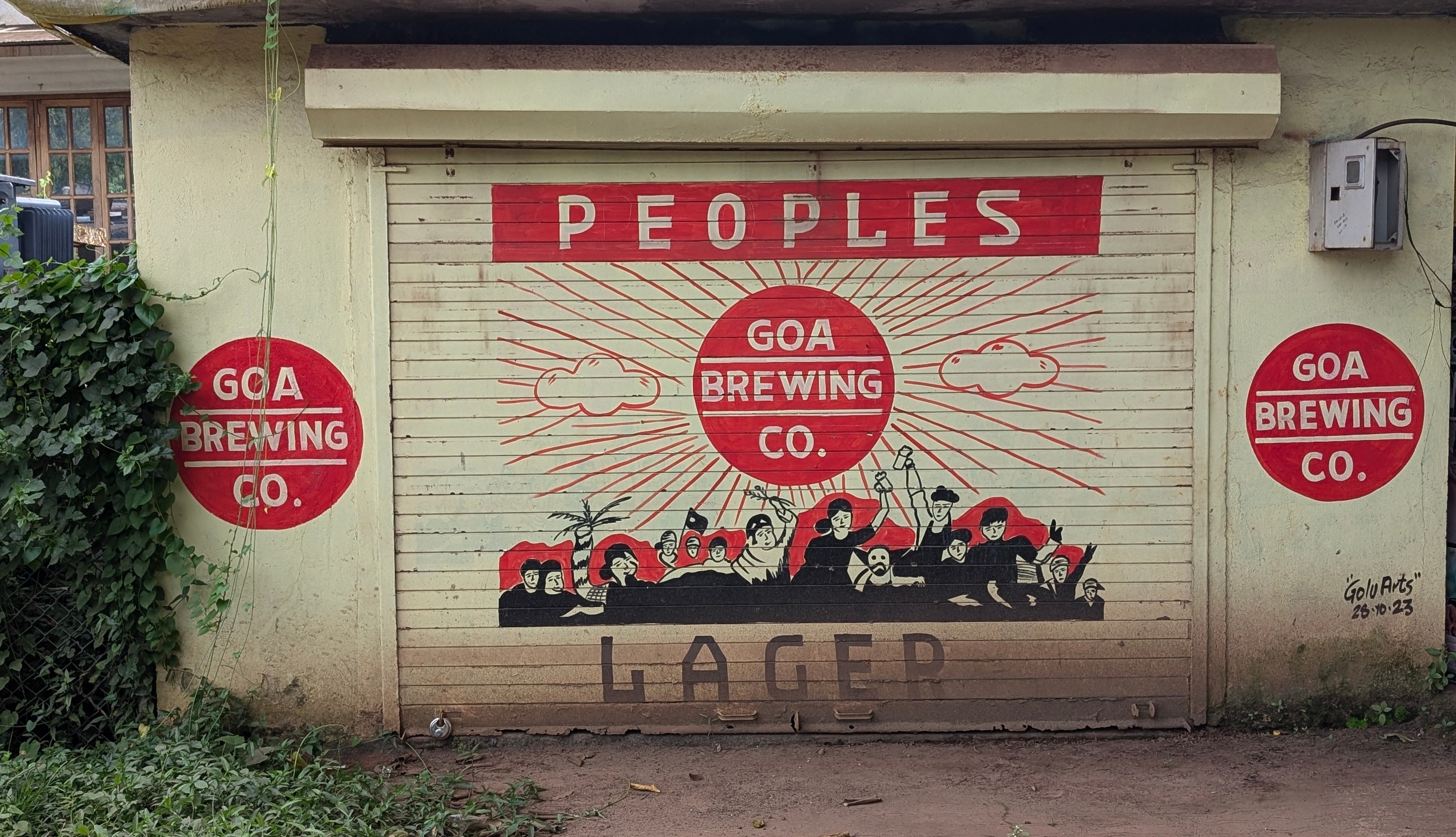
A few photos of Goa:
More Goa photos are available in our full Goa Guide.


3) Tourism Infrastructure – Getting Around:
Overall, it’s easy to travel within India because of the well-developed tourism infrastructure. In this section, we’ll discuss air travel and airports, as well as ground transportation.
Air Travel and Airports:
- Getting Here: It was quite easy for us to get to DEL – Indira Gandhi International Airport with nonstop service from either YUL (Montreal) or YYZ (Toronto) with Air Canada. If you’re willing to add a connection, you can consider carriers like Qatar Airways, Emirates, and others to get to Delhi, Mumbai, Goa, and other destinations.
- Flights within India: It was also very easy to book flights within India on IndiGo and Vistara (now Air India). We had positive experiences on all our flights. They operated on time, the aircraft were clean and comfortable, and the meal service was surprisingly good for such short flights.
- Airports: The airports themselves were decent, and we had no issues. Here’s a summary of our experiences at each one:
- DEL – Indira Gandhi Airport: We didn’t enjoy our time at this airport for a number of reasons. As expected, everything available for purchase is extremely expensive. The domestic airport lounges were disappointing—they were very crowded and had limited food and drink options, though we were able to get some bottled water at the American Express Lounge. Domestic-to-international connections are not easy, and you can expect to sit for hours in the check-in area with no seating or facilities because customs limits access to two to three hours before departure time. We were told to come back in 45 minutes, then again in an hour, before an airline agent was able to help expedite us through customs and security. Once we made it to the Encalm Lounge, it was enjoyable, and we were able to have some delicious Indian food before flying back home!
- UDR – Maharana Pratap Udaipur Airport: This is a fairly small and older airport with basic facilities. There are no airport lounges, but there is a small cafe/restaurant after security. The women’s washroom facilities have toilets.
- JAI – Jaipur International Airport: The Jaipur Airport has two terminals, one for international flights and the other for domestic flights and cargo. We found the domestic terminal to be a little small, but it was adequate. We were able to get some coffee and snacks at the lounge and do some shopping. There is a duty-free shop on both arrival and departure for domestic passengers where you can buy spirits, wine, beer, snacks, and other products.
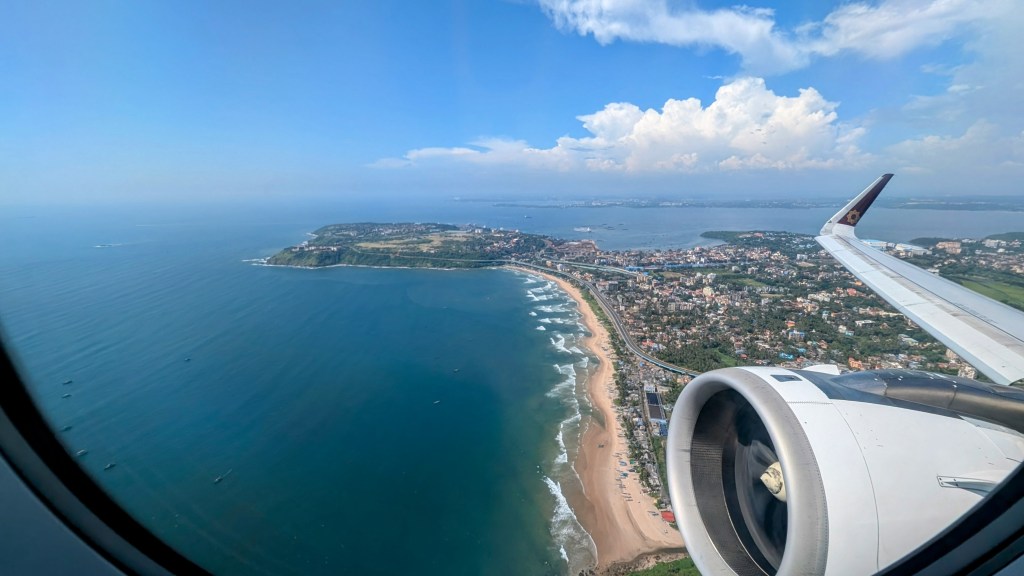
- GOI – Goa Dabolim International Airport: This is one of two airports in Goa. Goa Dabolim is near the capital city of Panaji and is the more convenient option for South Goa. During our visit, the lounge was not open, but since then, a Priority Pass Lounge has opened in the domestic terminal. This airport had an older feel to it, but we enjoyed walking around and checking out the shops.
- GOX – Manohar International Airport: This is the other of two airports in Goa. Goa Manohar is the more convenient option for North Goa. We only arrived at this airport, but it was nice and modern, with restaurants and cafes outside that are accessible to the public.



Ground Transportation:
During our trip, we used a variety of ways to get around: Uber, private transfers booked through a hotel, tours booked through a hotel or online, and Goa Miles (we’ll dedicate an entire post to Goa Miles, which is Goa’s version of Uber).
- Uber: Overall, Uber was easy to use, but we did have one issue with a driver refusing to pick us up at our designated spot, so we cancelled the ride. Since Uber is quite affordable, we recommend booking the highest class of vehicle to ensure the best experience possible. Many Uber drivers are also taxi drivers and tour guides and may try to sell you tours or invite you to their home for a meal. It’s easy to politely decline. We used Uber for our arrival at the Delhi Airport and for our return, which was easy and seamless. For our return to Jaipur Airport, we scheduled an Uber the night before, and that worked out very well.
- Private Transfers: Some of our transfers required an hour or more of driving, and we didn’t want to haggle with taxis about fares. Booking a transfer with our hotel made things easy and was a worthwhile investment.
- Tours: On our tour of Jaipur, we knew in advance that the tour guide would try to encourage us to shop. We were clear and upfront about not wanting to shop or buy things, but they do need to take you to certain stops as part of the tour. If you ask to leave, they will take you to the next stop.
- Goa Miles: In Goa, you can either use taxis, hire a driver for a set number of hours, rent a motorbike, or use Goa Miles, the Goa government’s licensed, app-based taxi service. When it works, it’s a great service, but we had mixed results and will detail it more in our “Goa Tips” post.
4) Cash vs. Credit Card:
We had no issues using credit cards at most of the places we visited, such as restaurants, bars, and stores. However, there is generally no option to add tips to bills, so you will need cash for that. If you plan to shop and eat at local markets and street stalls, you will need cash. We also had cash for tipping any tour guides and taxi drivers. Grab had a tip option on the app, but some drivers still asked for cash tips, perhaps because we are Caucasian.
5) Entry Requirements:
We won’t share too much in this section, as things change frequently and vary depending on your passport. We were able to get a tourist e-visa for Canadians for up to 30 days without any difficulties or delays. However, we did find the paperwork more complicated and detailed than other e-visa applications we have completed. We consider the e-visa and visa process somewhat of a deterrent to visiting India. As much as we would like to return, we might consider other options, like Sri Lanka, as their process is much easier.
6) Budget:
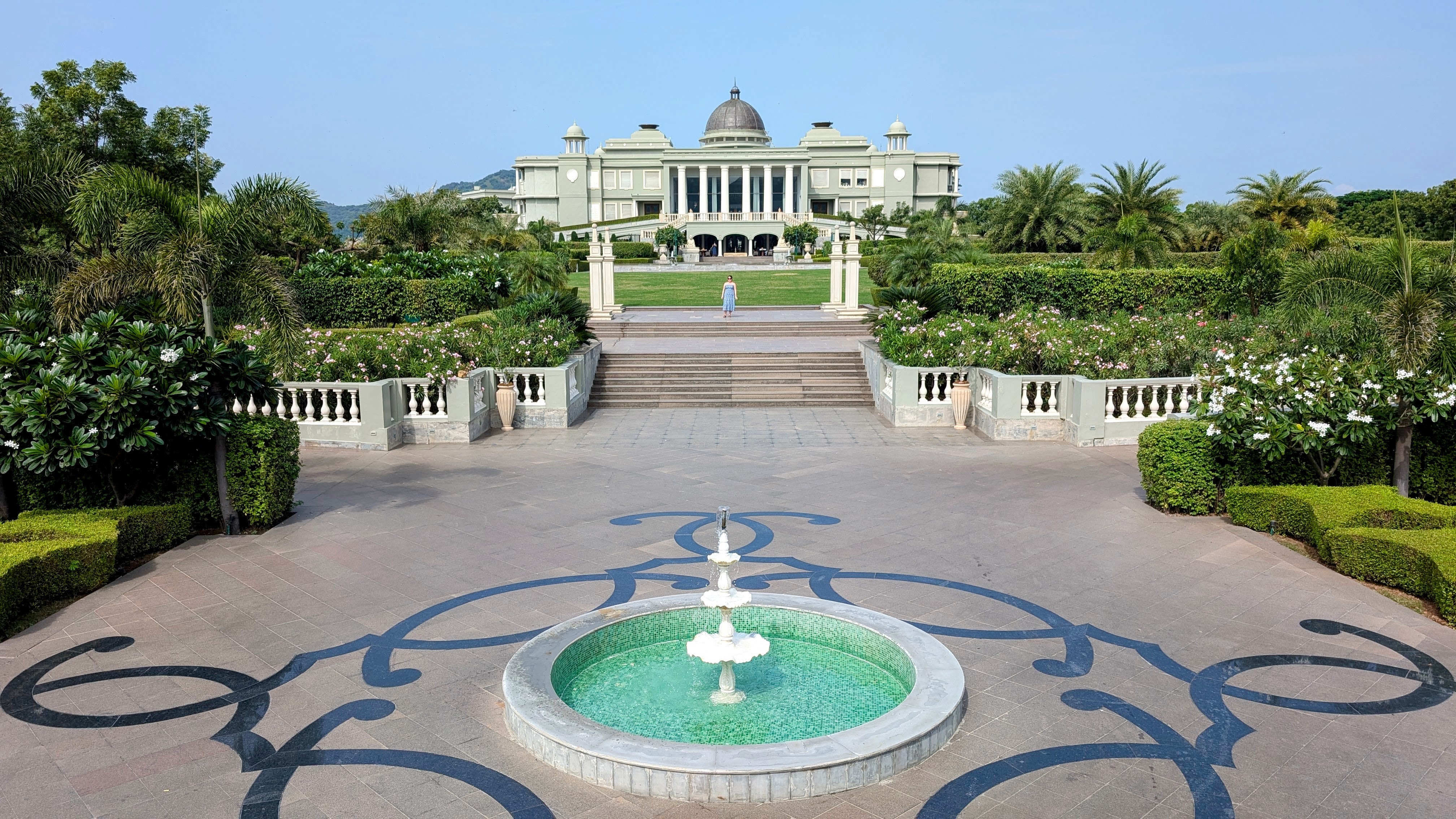
India can be as inexpensive or as expensive as you want it to be. Overall, we found it to be very reasonable from a budget perspective. We chose to splurge on some hotels, like the Raffles Udaipur and Alila Fort Bishangar, and we also found good deals on other hotels when comparing prices to similar accommodations in other tourist destinations. We also found meals and drinks at hotels and offsite to be very reasonable.


When reading what people say online about tipping, there are many different opinions. Depending on the setting and service, we tipped about 10-15% in cash. In Goa, a couple of places we went to had a tip option on the credit card machine, which made things easier. Tipping in India can be a little complicated because they don’t always add a tip line on bills when paying with a credit card, and we didn’t see people leaving cash anywhere. It is not appropriate to tip in US dollars; always tip in Indian Rupees.
7) Culture:
Visiting India is an opportunity to explore a country rich in culture—from historic sites and cultural events to delicious food and natural beauty, there is so much to see and experience. In general, visitors are welcomed, and people will go above and beyond to introduce you to their culture and share things with you. Here are some general tips and observations.
- Culture Shock: It’s hard to predict how much culture shock someone will experience in India, as there are many factors to consider, such as where you have traveled in the past, your general comfort level with new things, and what you will actually be doing (e.g., taking public transit). When we think about our trip, there wasn’t anything truly surprising that we didn’t expect, other than how difficult it is to walk in many of the places we visited. The roads are incredibly busy, with cars and motorbikes that honk incessantly, as well as cows, horses, wagons, people, and shops all vying for space. The aspect of poverty was also quite present and difficult to handle at times.
- Attire: It is recommended for women to dress more conservatively in India, meaning covering shoulders and knees, avoiding very tight clothing, etc., when out in public. If you are visiting religious sites, be sure to check specific requirements before your visit. Light cardigans and shawls are useful and recommended. As for wearing local attire, we didn’t see many tourists wearing saris or kurtas, and some local people dressed in Western style. Arrivals at hotels can be quite an event, and the staff may try to get you into a costume for photos. Our general opinion on this is to just go with the flow and have fun, as people are eager to share and celebrate their culture with you.
- Birds: In India, feeding birds is seen as a way to accumulate positive karma, foster compassion, and appease ancestors. There might be other reasons, but there are so many birds everywhere! We’re used to shooing them away at home, especially when they come near us while we’re eating, but we stopped doing this in India, as maybe it brings bad karma?
- Food: We really enjoy Indian food at home, but the food we had in India was even better because of all the unique flavors and spices! In Rajasthan, we ate mostly vegetarian food without setting out to do so, as it is more common there. Most travelers will avoid eating beef, as it is generally not common and has negative stigma attached to it due to religious beliefs. In Goa, we also ate vegetarian food but also had more seafood, beef, and pork, as it is more common there. We avoided eating street food and stuck to hotels or higher-end restaurants to minimize potential issues. We also didn’t have to eat with our hands and were provided with cutlery for each meal. The only thing we didn’t care for were some of the chilled fruity drinks with masala powder in them.
8) Safety in India:
The Government of Canada Travel Advisory for India is “Exercise a High Degree of Caution,” with separate regional advisories. The travel advisory lists things you would expect from most destinations about crime, fraud, and scams. Due to ongoing tensions with Pakistan, there are also threats of terrorism across the country. You will notice a high security presence and thorough checks at places like airports, hotels, and tourist attractions. It is common to have all your bags x-rayed to enter public places and to also go through a metal detector or full pat-down. When going through the airport, they check all your electronics and adapters thoroughly, and everyone gets a full pat-down.
Walking is one of our favorite ways to explore places we visit, and we walked less in India than anywhere else! Many places are not pedestrian-friendly, with no sidewalks and many motorbikes, cars, bikes, and cows vying for space on the road. It’s not necessarily unsafe to walk in India, but it’s not something we would recommend. When walking and out in public, we took regular precautions: being mindful of when and where we took our phone and wallet out, avoiding walking at night unless in more tourist-friendly areas, dressing modestly and conservatively, and avoiding talking to random people as much as possible to avoid scams and pickpocketing.
9) Language:
There are many languages spoken in India, but Hindi is the official language. English is also commonly spoken, and we had no instances where we couldn’t communicate with someone due to a language barrier. You can learn a few basics like “hello” (namaste) and “thank you” (shukriya).
If there is one thing that’s worth learning prior to departure, it’s about the food. Indian cuisine is very diverse, and during our initial research for restaurants, we had to Google what many ingredients were. A lot of the local produce and spices listed are not common here. Some of the restaurant menus also listed the name of the dish in Hindi with no description, so sometimes our meals were an adventure with an element of surprise!

10) What to Pack:
In addition to things you need for the trip, such as sunscreen, good DEET bug spray, and adapters, the most important thing to pack is PATIENCE! We enjoyed our trip very much, but some aspects of India can feel very overwhelming. Some spots are very noisy and crowded, and people will try to sell you anything and everything—from souvenirs to tips for taking your photo. And yes, you will see extreme poverty and how it affects some people.
India, especially in Udaipur and Jaipur, has been the noisiest place we have ever visited because people just honk all the time. As a Caucasian tourist, people will gravitate towards you and offer every service and product imaginable to try and earn a living. There will also be people who are just very curious about you and will ask to take photos of you and with you. We ended up taking photos with an entire family when visiting the Amber Fort and explaining where we were from, etc. Our advice for that is to just go with it and appreciate the curiosity and kindness, even if it can feel a little uncomfortable.
Compared to places like Thailand and Bali, where you can’t walk more than 50 feet without coming across a convenience store, there are fewer shops with products geared toward tourists in India, from what we experienced. There are small corner shops that sell basics like water and snacks, but not necessarily in a 7-Eleven style. We did find that there were more shops geared toward tourists in Goa compared to Jaipur and Udaipur.
Here are some items we recommend bringing with you:
- DEET Bug Spray: Some of the hotels we stayed at provided bug spray, but it was not DEET-based. We highly recommend bringing strong DEET spray with you, as it is not easy to find in stores.
- Feminine Products: Some blog posts said that feminine products are hard to come by, and while we could see that being true in rural areas, it wasn’t as bad as we expected. It’s still advisable to bring a supply with you due to fewer options.
- General Health Supplies: We also made sure to have a full health kit with Pepto-Bismol and other things for any tummy issues, ibuprofen, sunscreen, hydration packets, Polysporin, band-aids, hand sanitizer, and alcohol wipes.
Summary:
Not only did we survive India, but we really enjoyed it! It is definitely one of the most vibrant and overwhelming places we have been to, and in some ways, it feels like a dream. And no, we did not get sick at all, even though we broke some of our own rules when it came to food and beverages, because you cannot avoid everything!
We have taken a long time to put this post together as it has been one of the more complex travel experiences we’ve had. When we talk about our trip with people who have been to India, there’s a mutual agreement that it’s a crazy place with many problems but also lots of good, and that it is worth visiting. When we speak with people who haven’t been to India and share our positive experiences, they question our sanity and project negative thoughts about our trip. We have never had a reaction like this about a trip or destination before and wonder why this is the case. It is interesting to note that many of these people have limited travel experience, so why do they have such strong opinions about a place they have never even visited? To that, all we can say is that India is not for everyone. It takes a certain sense of adventure, openness, and a level of patience and comfort in not understanding things that can be difficult at times.
Have you been to India? If so, what are your thoughts?
Related Posts:
- Goa: Is It Worth the Trip? Our Honest Verdict
- Review: Raffles Udaipur – A Modern Day Palace in Rajasthan!
- Review: Alila Fort Bishangarh – Yup, you’re staying in a restored 235 year old fort in India!
- Review: Hyatt Regency Mansarovar Jaipur – Felt like we we’re at an Indian wedding!
- Review: Alila Diwa Goa – Delivered in all areas!
- Review: St. Regis Goa – A work in progress, not quite a St. Regis yet.
- Review: JW Marriott Goa – One of the best JW’s we’ve ever stayed at!
- Review: Andaz Delhi – An airport Andaz?

 weleavetoday.com
Leave a reply to Review: JW Marriott Goa – One of the best JW’s we’ve ever stayed at! Cancel reply