
Last Updated: July 19, 2024 to fix formatting.
Overtourism is becoming a problem in many tourist destinations around the world, and this topic has been receiving more media coverage in the last few years. One place that we love, and have visited where overtourism is a problem, is the island of Bali in Indonesia. During the last few years, a garbage emergency was declared, traffic has become horrendous, water scarcity is an ongoing problem, and tourists are offending locals due to their disregard of cultural norms by taking inappropriate photos in temples.
/arc-anglerfish-tgam-prod-tgam.s3.amazonaws.com/public/EJLKK57FNJF43IW7JF5KBMF7CY)
Our first visit to Bali in 2010 was shortly after the release of “Eat Pray Love” (EPL) to the big screen. Millions saw Julia Roberts play Elizabeth Gilbert in an autobiographical story about her life where she “found herself” by spending time in Bali. If you Google “overtourism in Bali”, you will find many articles and posts casting blame on the “Eat Pray Love” crowds that catapulted Bali’s popularity and led to a tourism boom that hasn’t slowed down since. Some go as far as saying that EPL did ruin Bali, and we’d be lying if we said we didn’t contemplate it too, to a certain degree.

During our first visit, we saw signs of overtourism, but it wasn’t until our most recent visit in 2018 that we really felt the effects. Let us say, that we are aware of our contributions to overtourism in Bali, by choosing to visit the island 6 times since 2010. During a 3 month trip around the world in 2010-2011, Bali ended up topping the list as one of our favorite destinations and why we’ve returned on our own and even brought family to visit the island. We visited in 2010-2011, 2012, 2014, 2016, 2018, and 2019 staying about 1 week. We usually spend a few days in Ubud’s relaxing and magical jungle setting and a few days somewhere along the coast.
In this post, we discuss overtourism in Bali for anyone interested in visiting, and share tips to help you minimize your tourist footprint.
Statistics:
Bali is an island with an area of 5,780 km2 and home to about 4.22 million people (2014). Bali is roughly half the size of Jamaica with 50% more people living on the island (in 2017, Jamaica reported a population of 2.89 million). While Bali is not a small island, it is densely populated even before the tourists arrive.

In 2002, Bali recorded 1,285,844 tourist arrivals compared to 5,697,739 in 2017 (as reported by the Badan Pusat Statistik Provinsi Bali). This represents an increase of 343% in 15 years.
Table: Total Arrivals Statistics from 2002-2017
| Year | Visitors |
| 2002 | 1,285,844 |
| 2003 | 993,029 |
| 2004 | 1,458,309 |
| 2005 | 1,386,449 |
| 2006 | 1,260,317 |
| 2007 | 1,664,854 |
| 2008 | 1,968,892 |
| 2009 | 2,229,945 |
| 2010 | 2,493,058 |
| 2011 | 2,756,579 |
| 2012 | 2,892,019 |
| 2013 | 3,278,598 |
| 2014 | 3,766,638 |
| 2015 | 4,001,835 |
| 2016 | 4,927,937 |
| 2017 | 5,697,739 |
There is no denying that tourism in Bali has grown exponentially in the last 15+ years. Since tourism is such a big part of the economy now, the government has set an even higher target of 6.5 million tourist arrivals for 2018, which is 1 million arrivals higher than the target set for 2017. Despite a few blips due to the nightclub bombing in Kuta in 2002 , and most recently the eruption of Mount Agung , the arrival numbers keep rebounding, fueling the tourism industry here.
While Bali is popular with Australians, it’s also very popular with other tourists in South East Asia. There has also been an increase in visitors from North America due to the launch of new flights as a result of consumer demand, but also new aircraft models that make a lot of money flying passengers through connecting hubs in Asia.
Are all the visitors “Eat Pray Love” fans looking to meet “Ketut” or “Wayan” causing overtourism in Bali? We would say no, as Bali is a popular destination for many, but there is no denying that “Eat Pray Love” put Bali on the tourist map for sure.

People want to visit places they have seen beautiful photos of. In addition to EPL, Bali is a popular destination for Instagram influencers too. Bali is a really photogenic place because it has natural beauty, including 3 UNESCO World Heritage sites, rich and interesting culture, luxury villas in unique and natural settings, and a vibrant food scene, which makes it a must-visit for anyone who is into travel and blogging.
Overtourism:
After speaking with people and conducting research, we are sharing the definition of “overtourism” published by Forbes:
“Overtourism” is when too many tourists overwhelm a destination, shifting the balance from a positive experience to one where tourism becomes unsustainable.
The World Travel & Tourism Council partnered with McKinsey & Company to produce a study on the effects of overtourism. The results were boiled down to five challenges associated with overtourism:
- Alienated local residents
- Degraded tourist experience
- Overloaded infrastructure
- Damage to nature
- Threats to culture and heritage
We have seen and experienced overtourism in Bali for all the categories listed above and we will go into detail later on in this article.
According to the United Nations Environment Programme, tourism is one of the largest and fastest-growing job sectors in the world and contributes 10% of the local GDP, 7% of global exports and accounts for one in every 10 jobs worldwide. The United Nations is advocating for a focus on sustainability due to modelling that shows in a “business-as-usual” scenario, tourism would generate through 2050 an increase of 154% in energy consumption, 131% in greenhouse gas emissions, 152% in water consumption and 251% in solid waste disposal.”

Many people embrace tourism to make money, and it does create jobs in a number of sectors. As places become popular for whatever reason, they start to build tourism infrastructure, from modernizing airports and facilities to welcome more visitors, to building more hotels and resorts, to people creating short-term rentals, then restaurants open, and tour operators start to offer excursions. If a tourism boom happens too fast without a long-term plan, it can overwhelm the place and lead to overtourism. If you’re interested in learning more about overtourism, check out BuzzFeed’s list of places that are suffering from overtourism.
Overtourism in Bali:
In this section, we talk about how we’ve experienced overtourism in Bali and things to do to minimize your impact on it.
- Ubud’s Magical Setting: Ubud is located about 1-2 hours away from Bali’s largest airport in Denpasar, and offers visitors a peaceful and relaxing jungle setting among rice fields. Known as Bali’s artistic centre, it offers visitors a magical experience due to its landscape, culture, and peacefulness. Whereas Ubud used to be more of a pilgrimage, now it’s a stop on the tour bus circuit. The roads are pretty narrow and all the noise, traffic, and air pollution that comes with these large tour buses and taxis affects the town’s energy in our opinion. Where Ubud used to be smaller hotels and villas, they’re planning to open larger hotel chains, like Westin, and Element by Westin, which will surely change a place where no high-rises existed until the construction of these hotels.

- Garbage on the Beaches: You will see garbage on Bali beaches year-round but it’s worse during rainy season. While the bulk of the garbage is said to come from elsewhere in Indonesia, and wash-up on the beach, you do see garbage everywhere in Bali due to a lack of infrastructure to minimize waste. Some small towns do not have waste disposal services, and waste ends up on the side of the road and elsewhere. As places modernize for tourism, more convenience products are introduced, and consumed by tourists and locals alike, which often leads to more trash. We were so sad and depressed after walking on Seminyak Beach to watch the sunset last December 2018 due to all the garbage, but it didn’t stop people from taking selfies where there was no trash visible as they sipped their drinks from plastic cups with plastic straws.

- Kuta, the Tourist Ghetto: After staying in Ubud in 2010, we went to stay in Kuta thinking it would be convenient and affordable. We ended up staying one night due to how unpleasant it was. Kuta reminded us of the worst of the party scene common in some spots in Mexico, where people just go to party and get drunk. It was really trashy and people didn’t seem particularly respectful to the locals, who were there to mostly sell clothing/souvenirs with offensive slogans, and the very popular Bintang shirts. There was also a lot of garbage here! Everyone can make choices on how they spend their vacations, but when a country is facing overtourism, places like Kuta make the problem worse. Unfortunately, the Kuta effect seems to be taking over Canggu too.

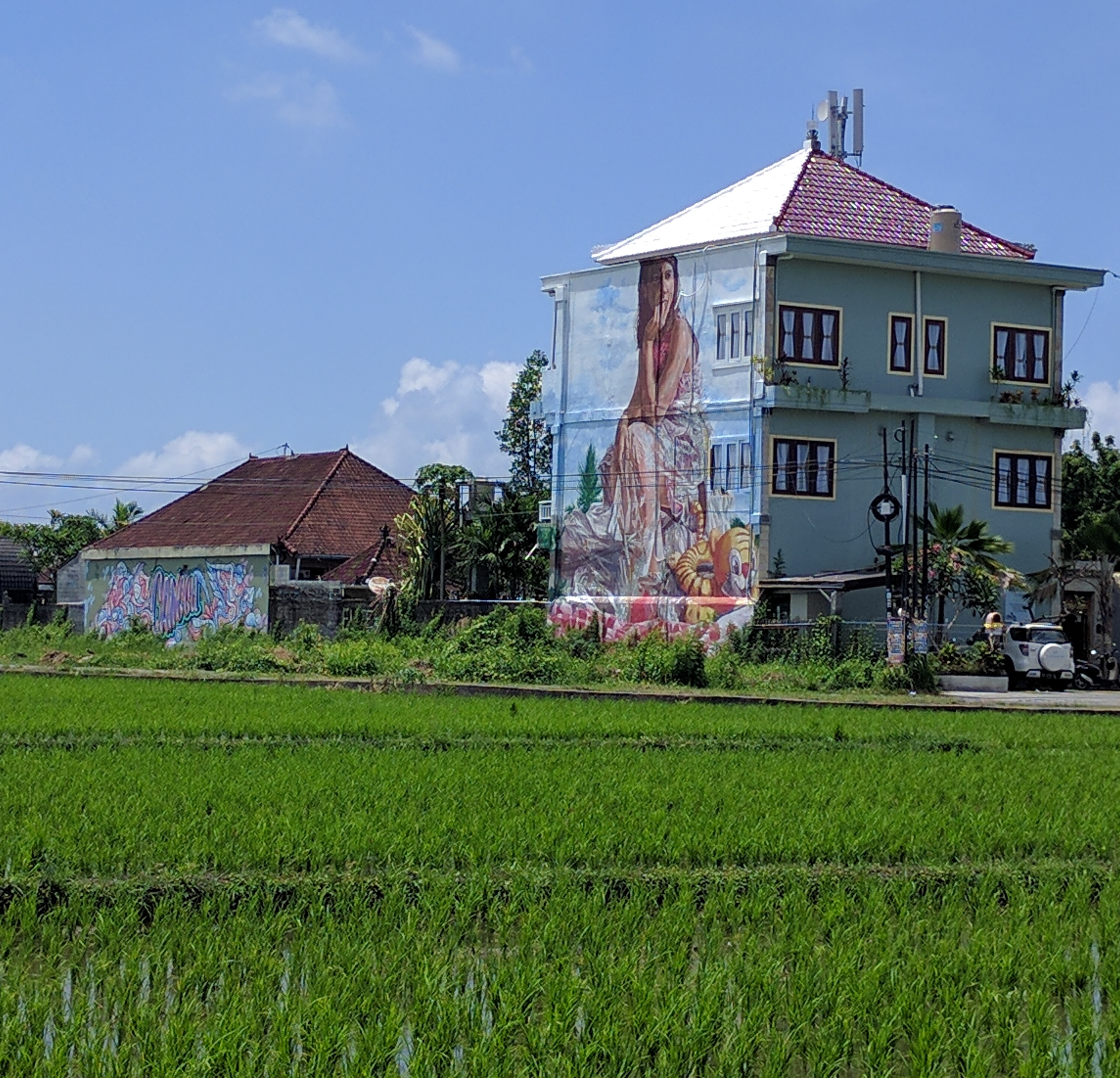
- Canggu: Where have all the rice fields gone?: Canggu is located close enough to Seminyak, but far away from it to get away from the craziness. That being said, all of that has changed lately due to the ongoing over-development in Bali; according to locals and some news articles, hotels are being built without the proper licensing without adhering to building specifications, and more bars and restaurants are being built in rice fields. Local people who have lived in Canggu for generations and used the land for agriculture are being squeezed out, and forced to move. There are also only two ways to get to Canggu; the highway and the shortcut. Cars and motorbikes use the shortcut, but it wasn’t built for cars, nor is it a two-way road. The Canggu we knew and loved doesn’t exist anymore due to all the excessive development that transformed it from a sleepy little surf town amidst the rice fields to just another Kuta. We really recommend reading “Paradise paved: Bali rice fields disappear beneath hotels, bars” by Al Jazeera about what’s been happening in Canggu lately if you are planning to visit.
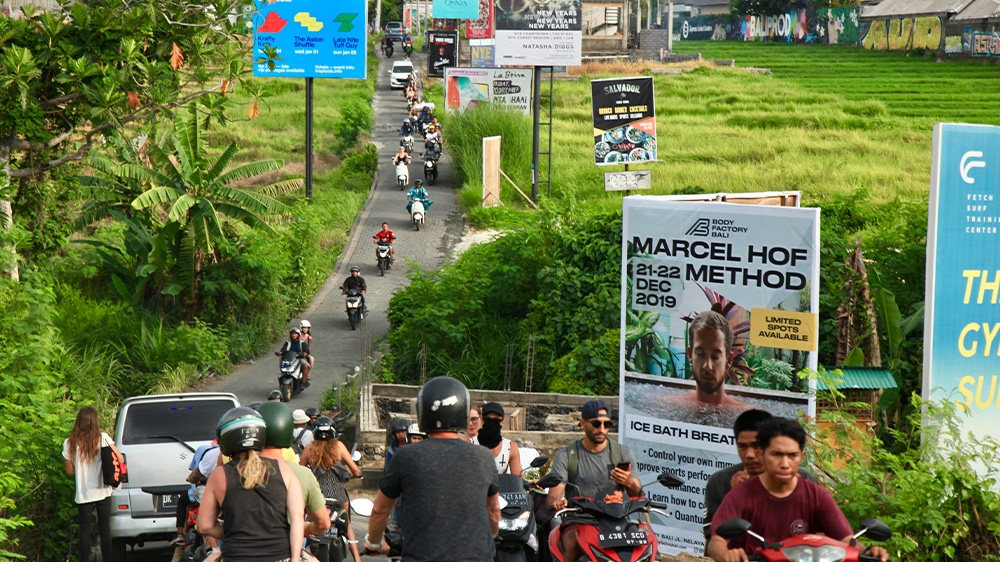
- Crowded Temples and Traffic: Bali has thousands of temples and some are very small, but some of the larger ones are set against backdrops of cliffs and ocean, making them popular spots to visit at sunrise or sunset for thousands of people. We did go to Tanah Lot at sunset, and we can understand why so many people want to experience it, but we also got stuck in a 2 hour traffic backup. These temples are for worship, and we wonder how many local people actually get to enjoy them now, and feel bad for the people who live near Tanah Lot, including the school children who have trouble getting to and from school due to all the traffic.

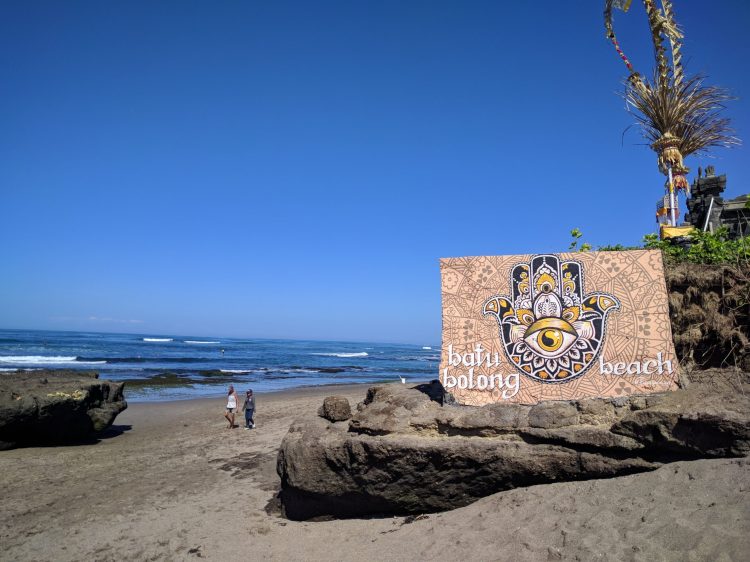
- Over-development in General: We feel that over-development is affecting what makes the place so special in the first place. Similar to Ubud, some beach destinations are also seeing growth, and affecting the smaller towns where locals live. One such place is Canggu, where locals were protesting the construction of the new IHG Hotel Canggu InterContinental on Batu Bolong Beach. The issue is that the road to Pura Batu Mejan, a popular temple is closed off and locals no longer have access to the beach where they hold cremation ceremonies. To get to Canggu, you need to drive through another resort town Seminyak and this is compounding an already problematic traffic situation. There are also only 2 ways to get into Canggu: a highway that causes people to make a detour or the infamous Canggu shortcut that is not large enough for 2 cars travelling in the opposite direction and has led to numerous cars and scooters tumbling into the the rice field.
Things You Can Do to Help Minimize Your Tourist Footprint in Bali:
Writing a blog post about overtourism won’t make it better in Bali, just like going there 6 times probably made it worse. As the world’s population grows, the emergence of the middle class in developing countries, new low cost airlines, and social media influencers, more people will travel and visit Bali. As much as people encourage you to visit other places, it’s easier for the average tourist to go where there is tourist infrastructure.
If you do visit Bali, here are a few things that you can do to help:
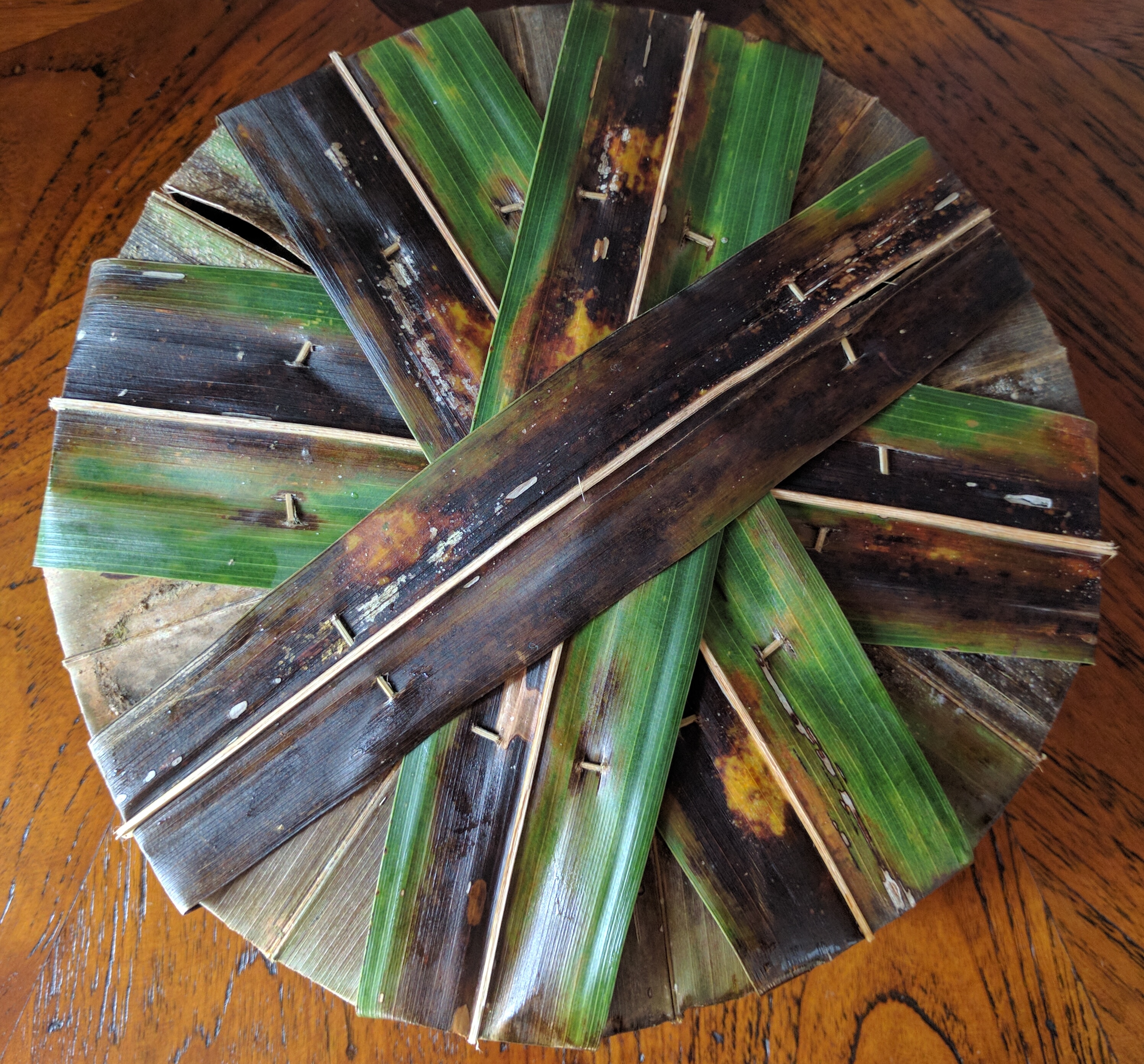
- Say no to plastic: Starting in 2019, plastic bags will be prohibited in Bali thankfully! To minimize the use of plastic bags, we always pack a reusable bag to use when we’re out shopping. We also do our best to make sure that our drinks don’t need a plastic straw, and if we get takeout, we ask if they have compostable containers before ordering. Since you can’t drink tap water in Bali, it can be hard to avoid plastic bottles, but when possible, we refill our water bottle from a water cooler.


- Choose places to stay that care about the environment: It can be hard to find out what environmental policies and practices hotels have in advance, but don’t hesitate to reach out and ask, or check TripAdvisor reviews. We were very impressed by The Purist Villas and their glass bottles for water, paper straws, and the tote bag they lent us for shopping. Eco-resort Bambu Indah takes it to the next level by using sustainable materials for the hotel buildings, and the natural pool filled with filtered water. On site, the restaurant uses as much local produce as possible, and they operate the Green School Bali to teach children about sustainability and conservation for the future of the island. The Slow in Canggu refills glass water bottled twice daily, uses refillable containers in place of single use for toiletries, uses glass straws and recycled packing in addition to using line caught-seafood and local produce when possible.

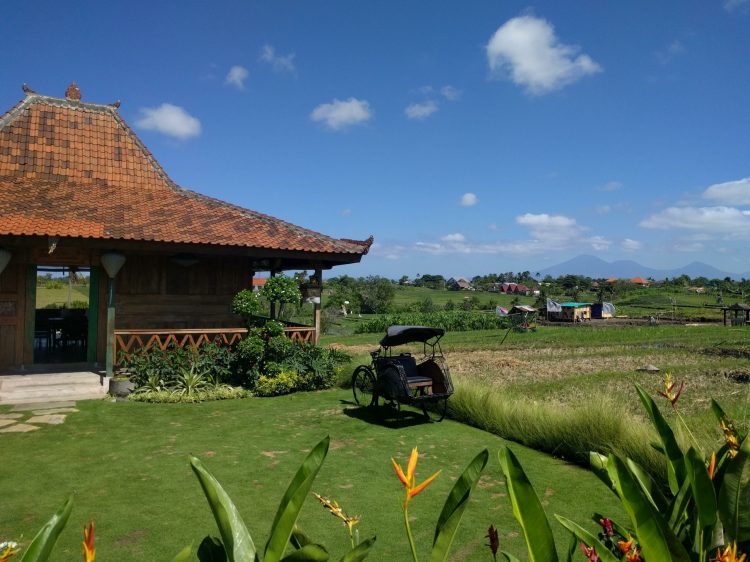
- Eat Local: Sure, it’s your vacation, but choosing to eat locally grown and sustainable food, and supporting local businesses, rather than large American chains, makes a difference environmentally and locally. In Ubud, it is a nice walk through rice fields to reach Sari Organik, a working farm and café. In Seminyak, Ijen is Indonesia’s first zero-waste restaurant serving line-caught local seafood and “conscious cocktails” in which the spirits are made in-house and by-products are reused when possible.


- Walk/Bike: Bali might not be the easiest place to walk or bike due to the lack of sidewalks, space on the road, and how hot it gets, but if you plan, you can pull it off and depend on one less taxi ride per day.

- Be Aware: Being aware about overtourism and sustainable travel is a step in the right direction. You can’t make a difference if you don’t know there is an issue.
Final Thoughts:
We are not sure if we will be back to Bali despite how fond we are of the Island, its people, its landscapes, its energy, and its food, but we hold so many fond memories of our visits there, that we can only hope overtourism won’t destroy the place. On our most recent trip, we were lucky to have the chance to visit Sumba Island to stay at Nihi Sumba and escape overtourism in Bali for a few days to ponder this topic further. Right now, there are only 2 resorts on Sumba and organizations like the Sumba Foundation are trying to get ahead of a potential tourism boom due to more garbage ending up everywhere. Perhaps it is easier to tackle overtourism before it becomes a problem through education and community partnerships between hotels and the communities they are in.

To address overtourism in Bali, the government is thinking of implementing a tourist tax, but will it make a difference? Bali already collects 21% tax on most things and you wonder where the money goes as we have heard many local people complain about corruption and misuse of public funds. Many are skeptical that a new tax to help fund waste disposal will help the problem overall. Will this new tax be enough to keep waste to a minimum when development seems to be unregulated? Can the island continue to support an increase in tourism that leads to more visitor arrivals and people relocating for tourism jobs? Only time will tell. Based on our recent experience, we feel things have gotten worse despite the feel- good strategies that don’t address the systemic causes.
Do you think “Eat, Pray, Love” ruined Bali? Have you experienced overtourism anywhere? If so, where?
Related Posts:
- Stay: A Review of The Slow in Canggu Bali
- How We Use Points for Hotels and Flights – Our Trip to the UAE, Maldives, Qatar, and Indonesia
- Indulge – Indonesian Food in Ubud Bali
- Stay – Review of The Purist Villas in Ubud Bali
- Stay – Fairmont Sanur
- Travel Deals to Bali: Should you go right now?
- Stay – Review of Nihi Sumba
- Visiting Barbados: Pros and Cons
- Travel Advisory for Mexico – A Vacation Horror Story
- Plan: The Maldives on a $500 budget per day
- Getting Sick while Traveling: Dos and Donts to Minimize the Risk
- Sargassum Seaweed in the Caribbean: Will it ruin my beach vacation?



 weleavetoday.com
Leave a reply to Melissa Cancel reply