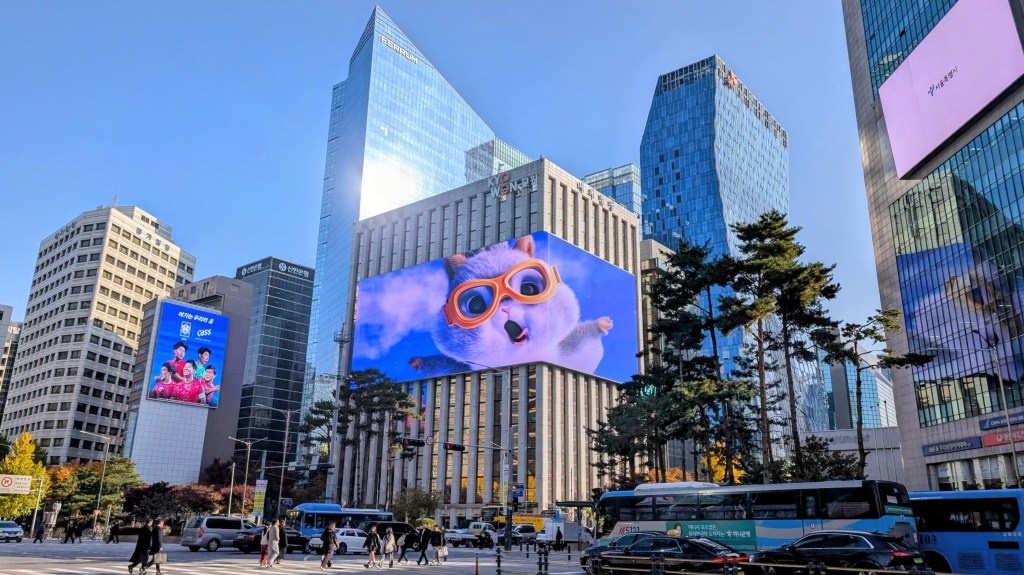
Seoul has always been on our travel bucket list, but the thought of packing extra layers for cold weather, especially when pairing it with a trip to warmer destinations in Southeast Asia, always felt a bit daunting. Recently, we finally had the chance to visit during the pleasant fall season. Here is a recap of our trip and some tips to help you plan your visit to this vibrant and fascinating city!
Getting Here
From Vancouver, getting to Seoul is relatively easy thanks to many non-stop flights on carriers like Air Canada and Korean Air. You can also fly Alaska Airlines via Seattle or the newly launched service by T’way Air, a South Korean low-cost carrier. If you don’t mind a layover, options expand even further with Taiwanese carriers like EVA Air, Starlux, and China Airlines. Japan’s low-cost carrier, ZipAir, also offers flights with a stop in Tokyo.
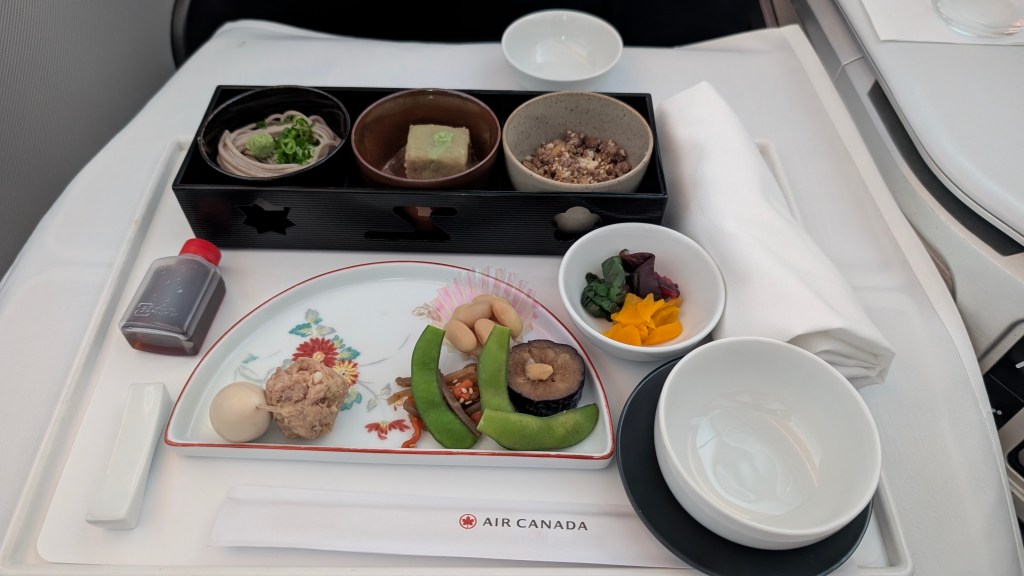
We ended up flying Air Canada to Osaka and then to Seoul on Asiana. It was a treat to fly Asiana one last time before they merge with Korean Air! While the aircraft was older, the service and food were excellent.
Getting Around
Navigating Seoul is incredibly easy. Between the extensive public transit system, Uber (which integrates with local taxis), and the city’s general walkability, you’re never stranded.
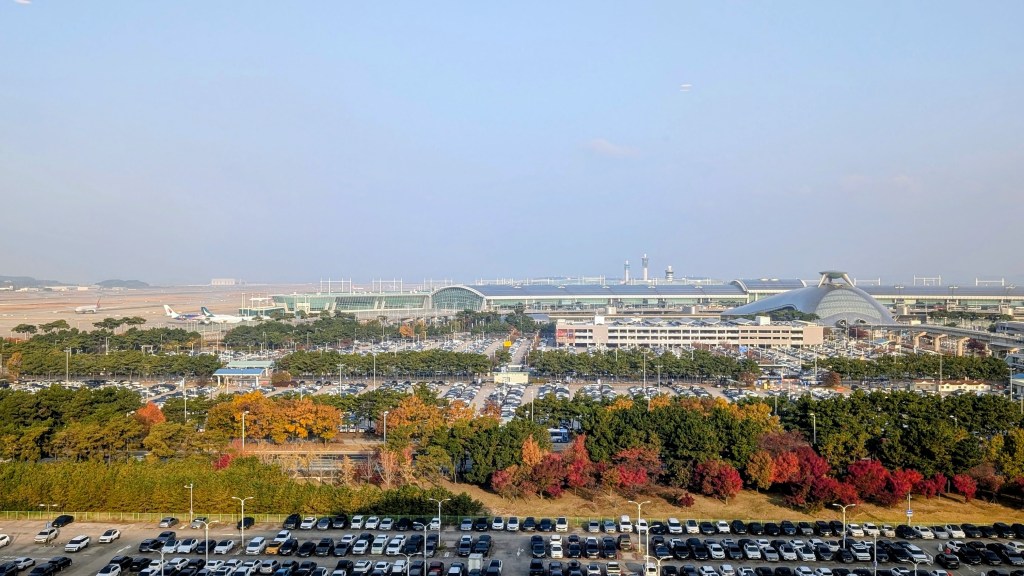
As our flight arrived late, we spent our first night at the Grand Hyatt Incheon (which is slated to become the Hyatt Regency Incheon Paradise City in March 2026). The following morning, we had several options to get into the city: a shuttle bus, various trains, or Uber. Since traffic was light, we opted for an Uber, which cost about $50 CAD to reach the Grand Hyatt Seoul. You can read our full review about this hotel here.
Throughout our trip, we found the transit system easy to navigate once we understood the signage. Ubers were also plentiful and affordable.
If you are used to using Google Maps to navigate, you won’t be able to in Seoul due to the South Korean government limiting the export of geospatial data to foreign servers. You should download either Naver or Kakao maps to use instead. We used Kakao maps and it worked really well, especially for the transit system.
Where to Stay
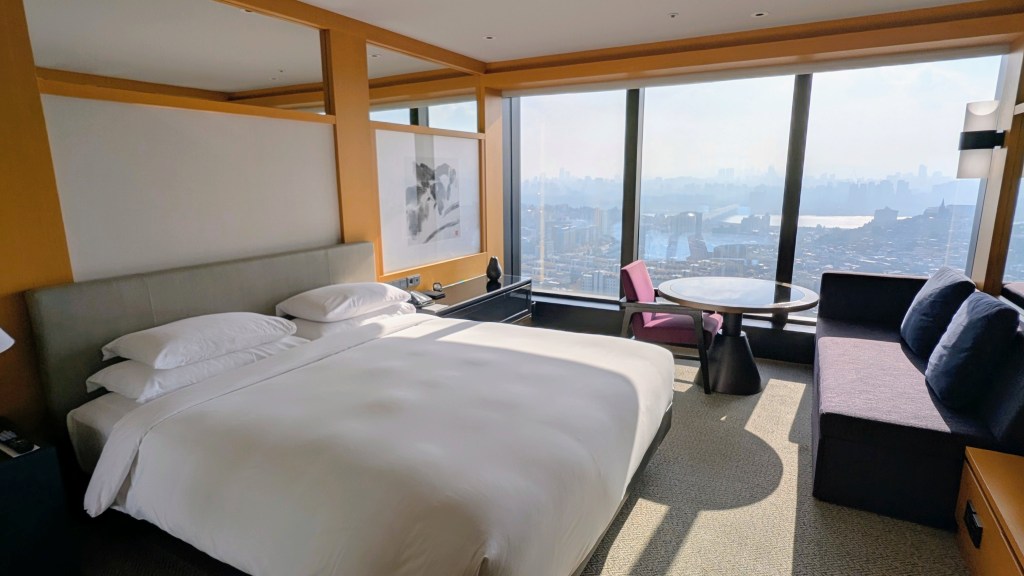
Seoul has roughly 6,500 hotels. We narrowed our choices down to three top contenders: the Grand Hyatt Seoul (near Itaewon), the Andaz Seoul (Gangnam district), and the Conrad Seoul (Yeouido business district). Ultimately, we chose the Grand Hyatt Seoul, and it was the perfect home base. Perched near Namsan Mountain, it is walkable to the Itaewon district and the Hangangjin metro station. The hotel also provides a shuttle bus to Myeong-dong. You can read our full hotel review here.
Weather: Best Time to Visit
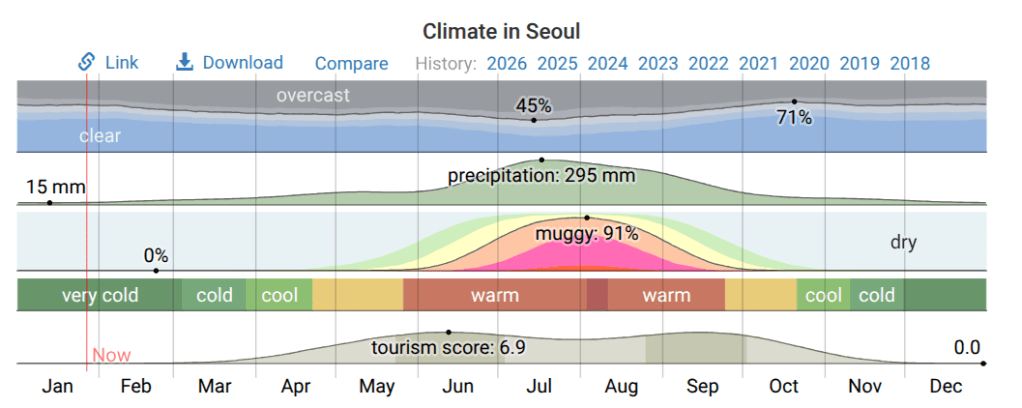
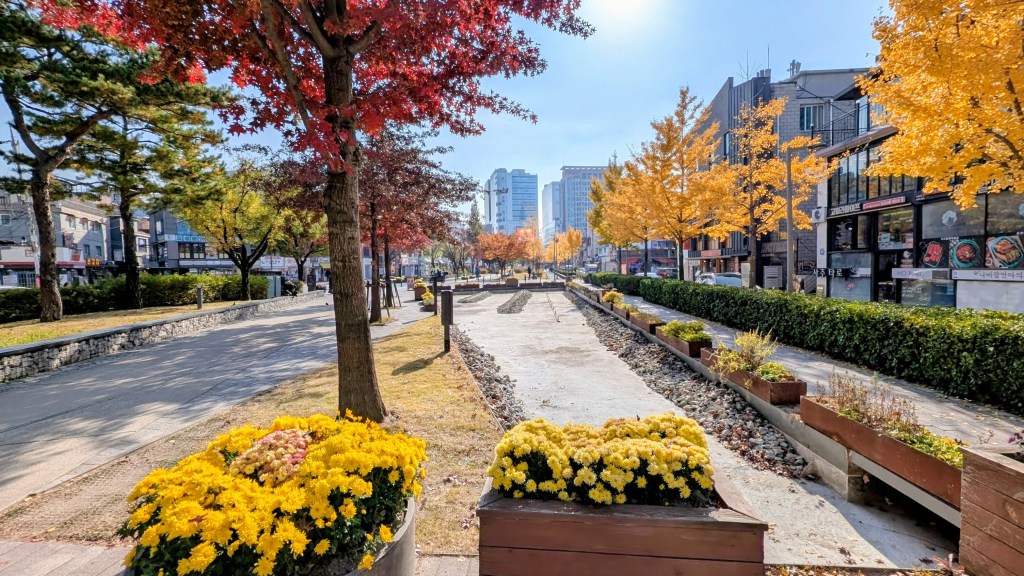
Summers in Seoul can be hot, muggy, and rainy, while winter temperatures drop much lower than you might expect. To avoid extreme weather and typhoon season, we recommend visiting between March and May or October and November.
Transit Tips
While Seoul is modern, getting a transit pass is slightly more complex than in cities where you can simply tap a credit card. We purchased a Climate Card and loaded it with a 3-day pass. The total cost was about $13 CAD (13,000 KRW: 10,000 for the pass and 3,000 for the physical card), which included a trip to the airport.
Note: We bought the card at a convenience store using a credit card, but the actual pass must be loaded using cash at a subway station kiosk because they do not accept foreign credit cards. Also, contrary to some online instructions, the card is activated at the station kiosk, not online.
The stations are clean and safe. Many—including Seoul Station, Myeong-dong, and Gimpo Airport—offer luggage lockers. While some trains were crowded, the experience wasn’t as hectic as we anticipated.
How Long to Stay
This is always a tough question to answer and provide some tips for because so many factors come into play: are you planning a layover here as part of another trip? What other places are you visiting on this itinerary? Are you spending all your time in Seoul? Are you planning to visit other places in South Korea?
Hypothetically, you could visit some things in Seoul, maybe one neighbourhood if you were transiting and had a 10-12 hour stop-over. As part of a multi Asia trip, 3-5 days would be optimal in Seoul. For a slower trip focused just on South Korea, 4-7 days would be advisable. There are so many things to see, eat, and interesting neighbourhoods in Seoul, that we think 5 days would allow you to explore at a steady pace without rushing. It is such an interesting place though, you could easily spend a month here too. It would also be a very safe place to consider for a term abroad.
Budget
Seoul isn’t strictly a “budget” destination, but it is backpacker-friendly if you seek out hostels and street food.
- Expensive: Korean BBQ (especially beef) and craft beer.
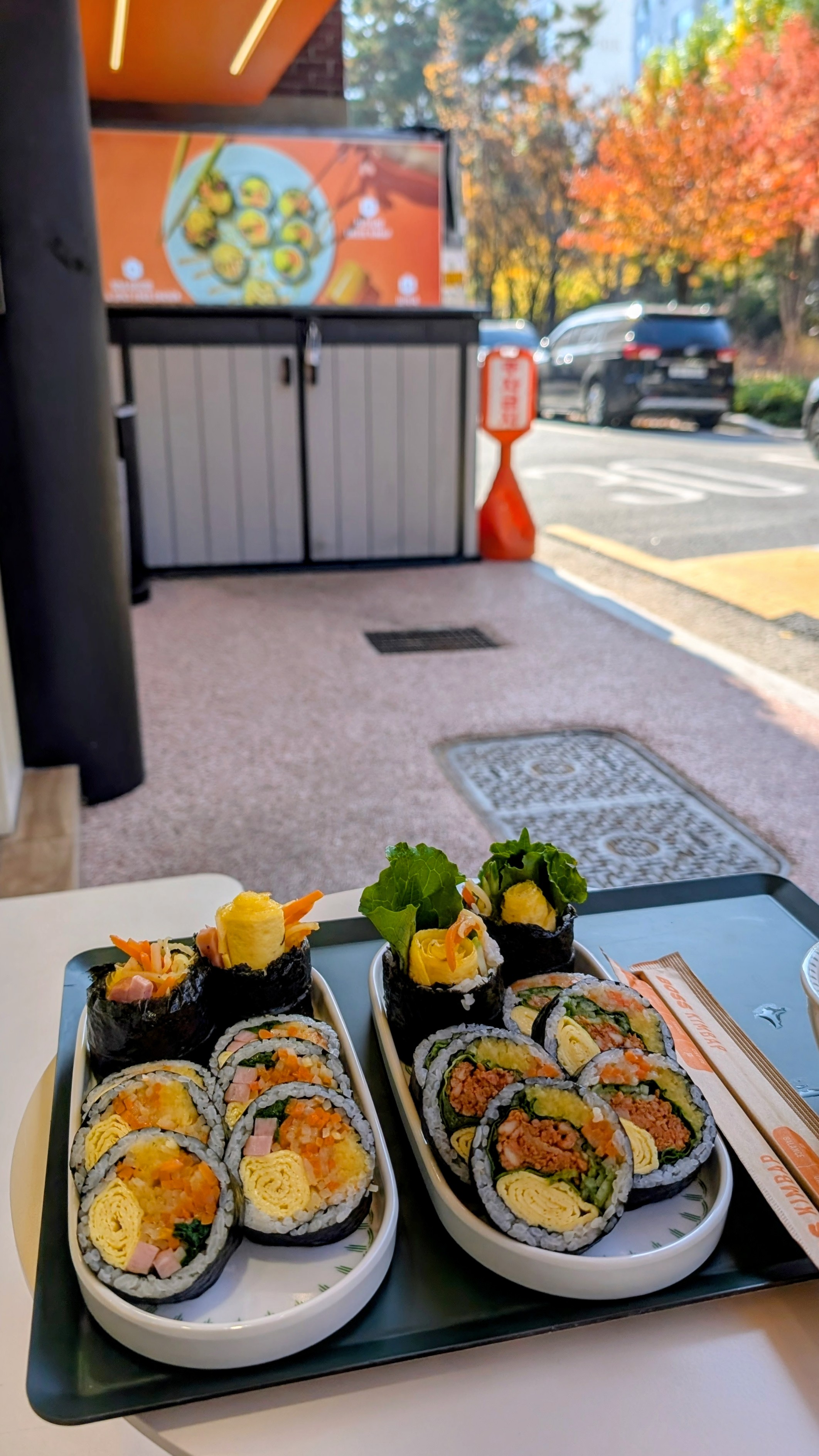
- Affordable: Public transit and market food. For example, our market meal of gimbap and tteokbokki was under $10 CAD.
One perk: the price you see is the price you pay. Tax and gratuity are included, similar to Japan. While credit cards are widely accepted, keep cash on hand for small purchases and transit top-ups.
Language
We don’t speak Korean but had no issues. While English can be limited, signage is bilingual. We used Google Translate for menus and learned a few basic phrases: annyeonghaseyo (hello) and gamsahabnida (thank you), but we are not sure if anyone understood us due to having to change the pitch of our voices and emphasize some syllables more, which we found very difficult!
Things to Do
We recommend mapping out your “must-dos” by neighborhood to save time. For example:
- Morning: Bukchon Hanok Village (go early to avoid crowds).
- Afternoon: Explore the nearby palaces.
- Evening: Myeong-dong for shopping and food.
For more ideas, check out our friend Fleming’s blog, Ware On the Globe, for info on DMZ tours and food tours.
Our Activity Highlights
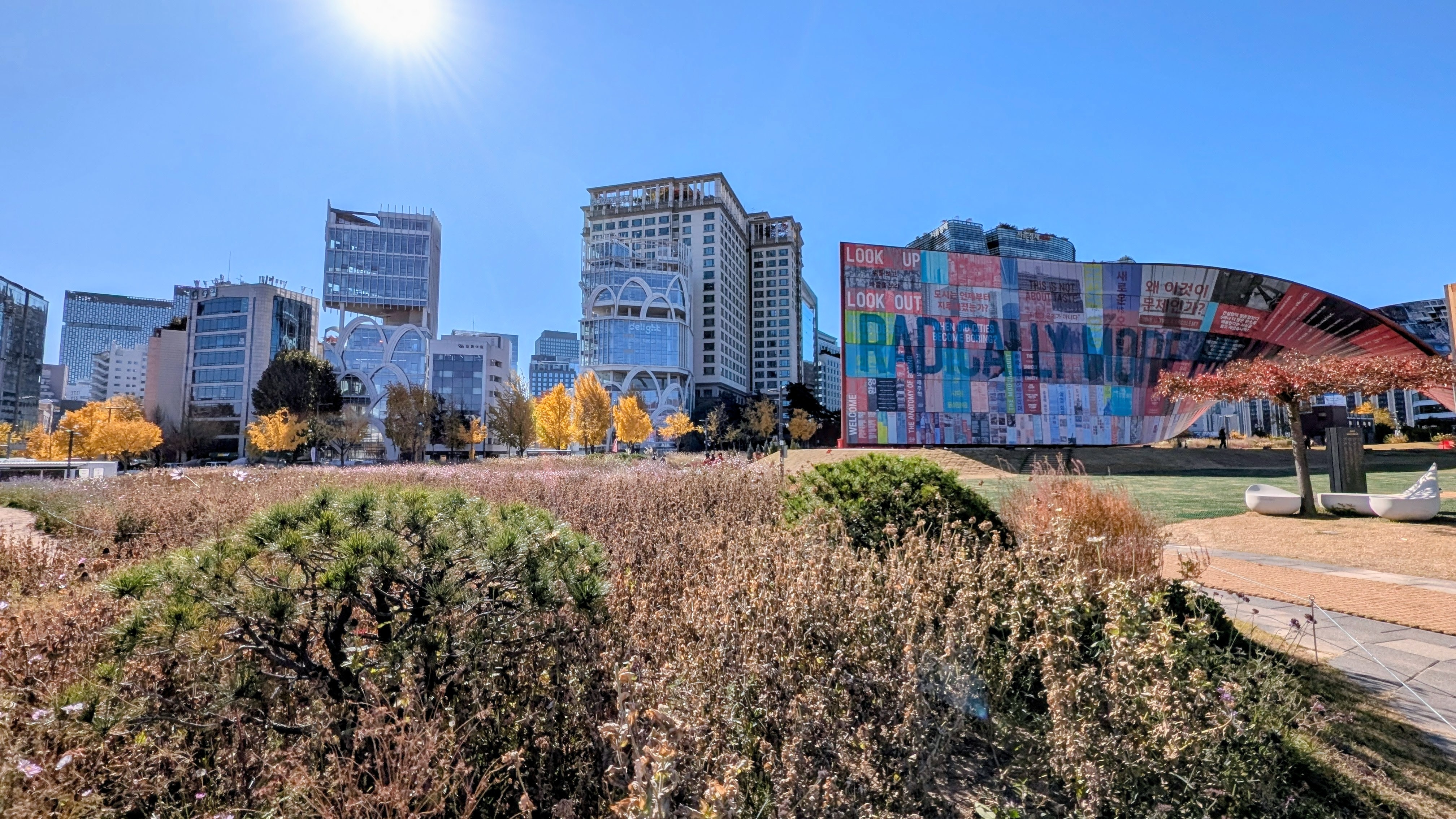
We did lots of walking on this trip, some with intent to visit certain things and sometimes just to wander.
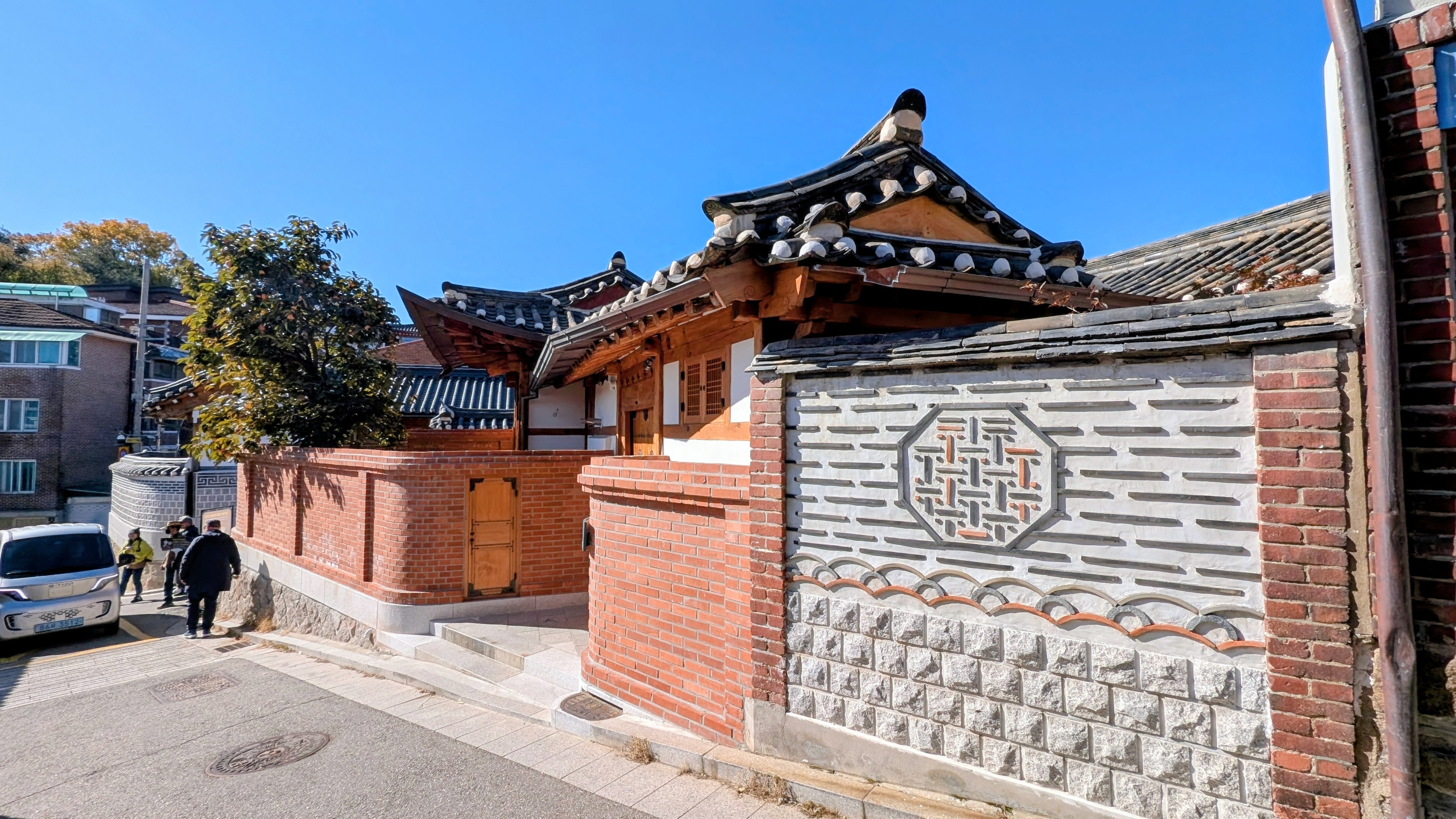
- Bukchon Hanok Village: We spent some time here and think it is absolutely beautiful. It was very busy though and it just felt like people were here to take selfies. It seemed a little disrespectful to be disrupting people’s home life by treating their neighbourhood like an amusement park. We arrived around lunch time and it was very busy and recommended going earlier.
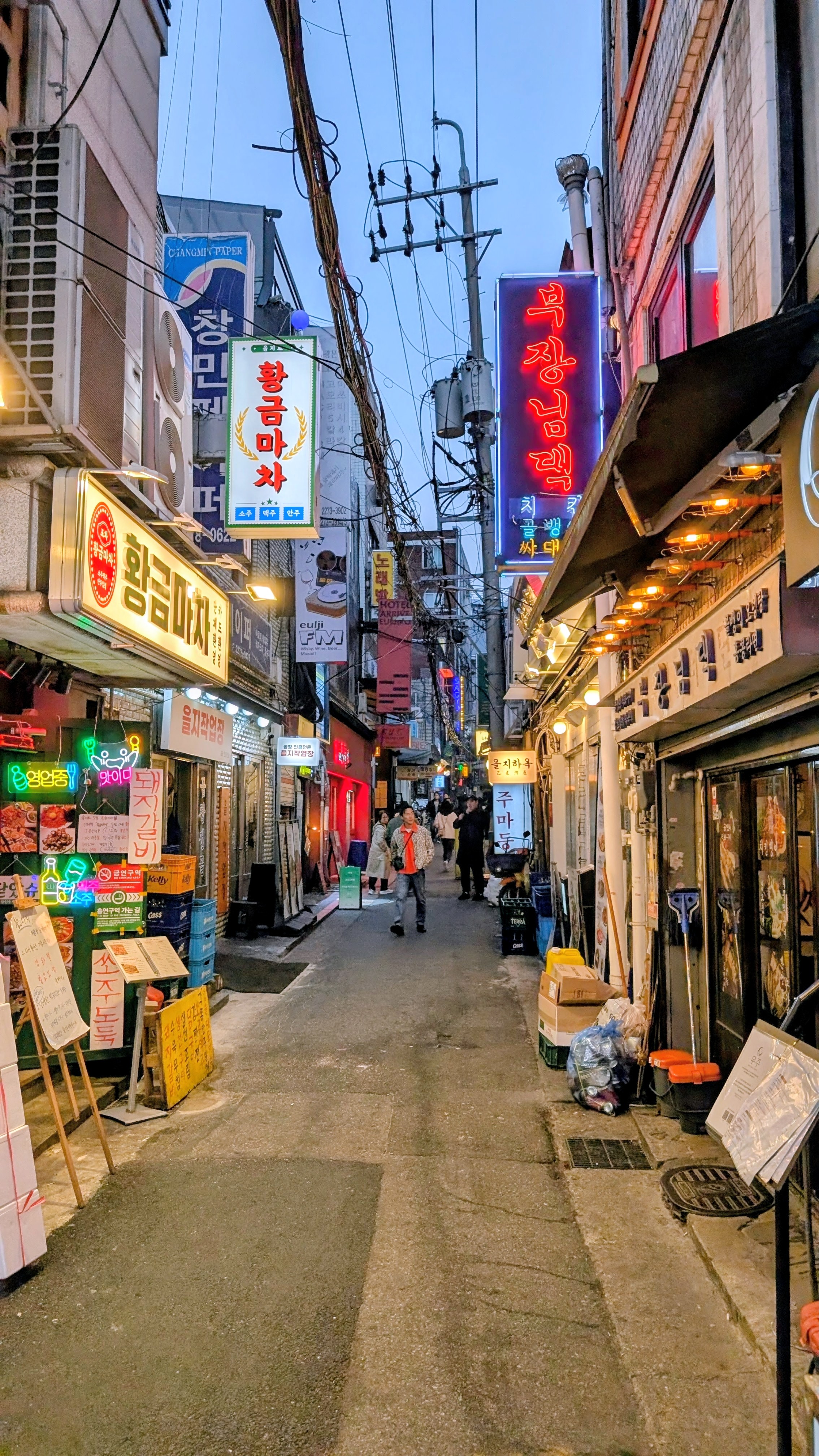
- Itaewon: We spent some time just walking around here, going up and down stairs and veering off into hidden alleys. There is a mix of trendy cafes and eateries with smaller and more traditional restaurants. The antiques street is also worth visiting.
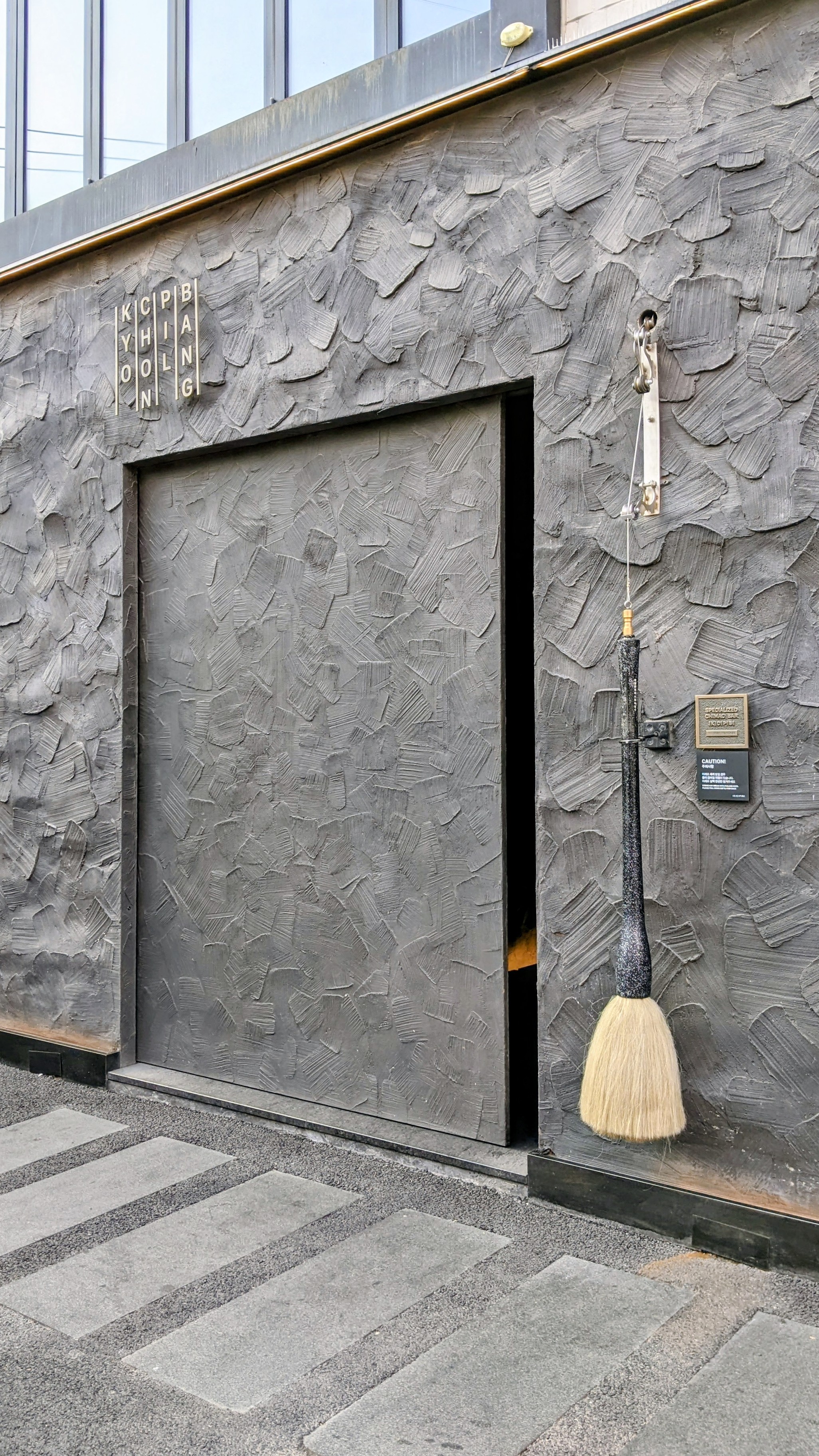
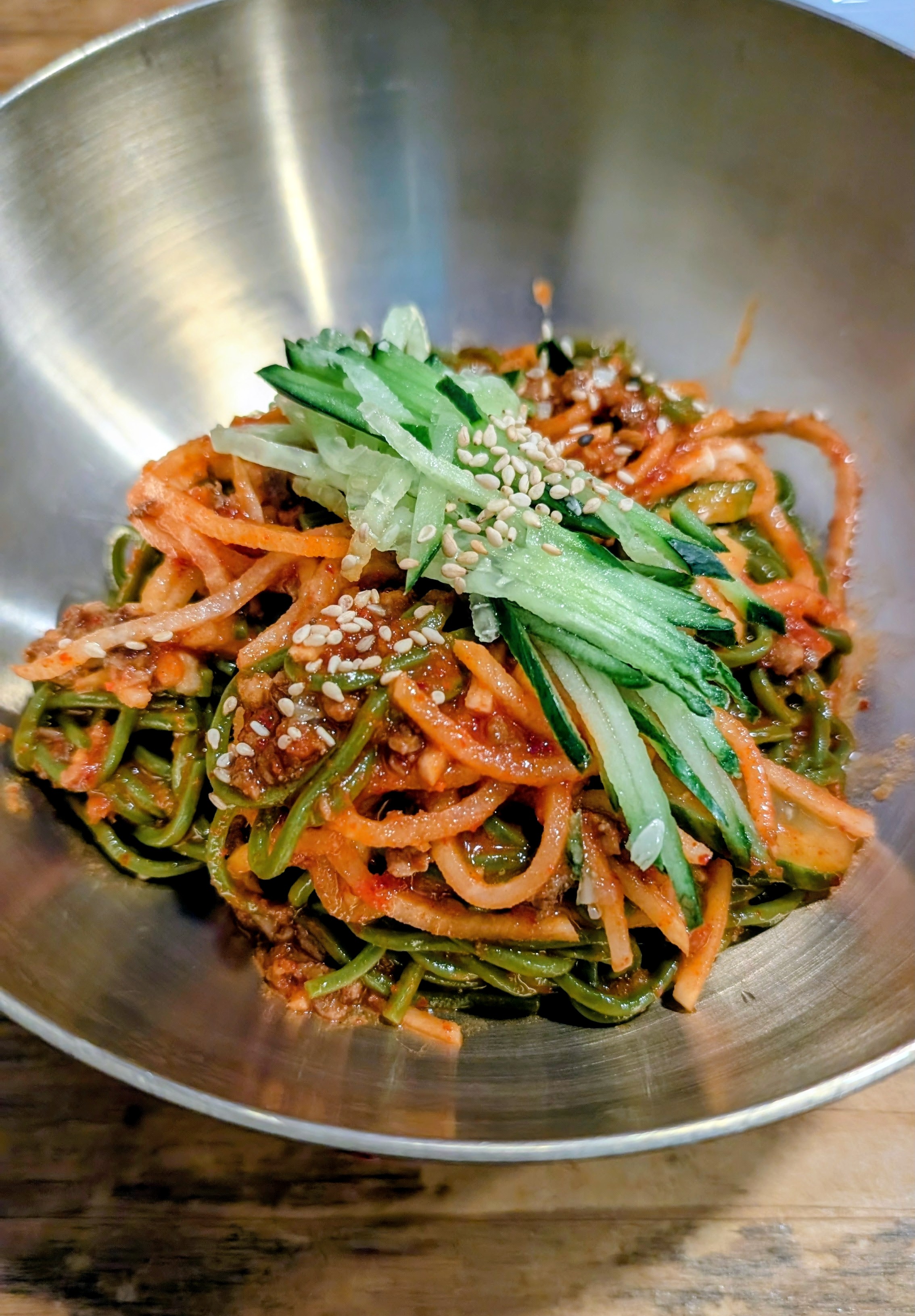
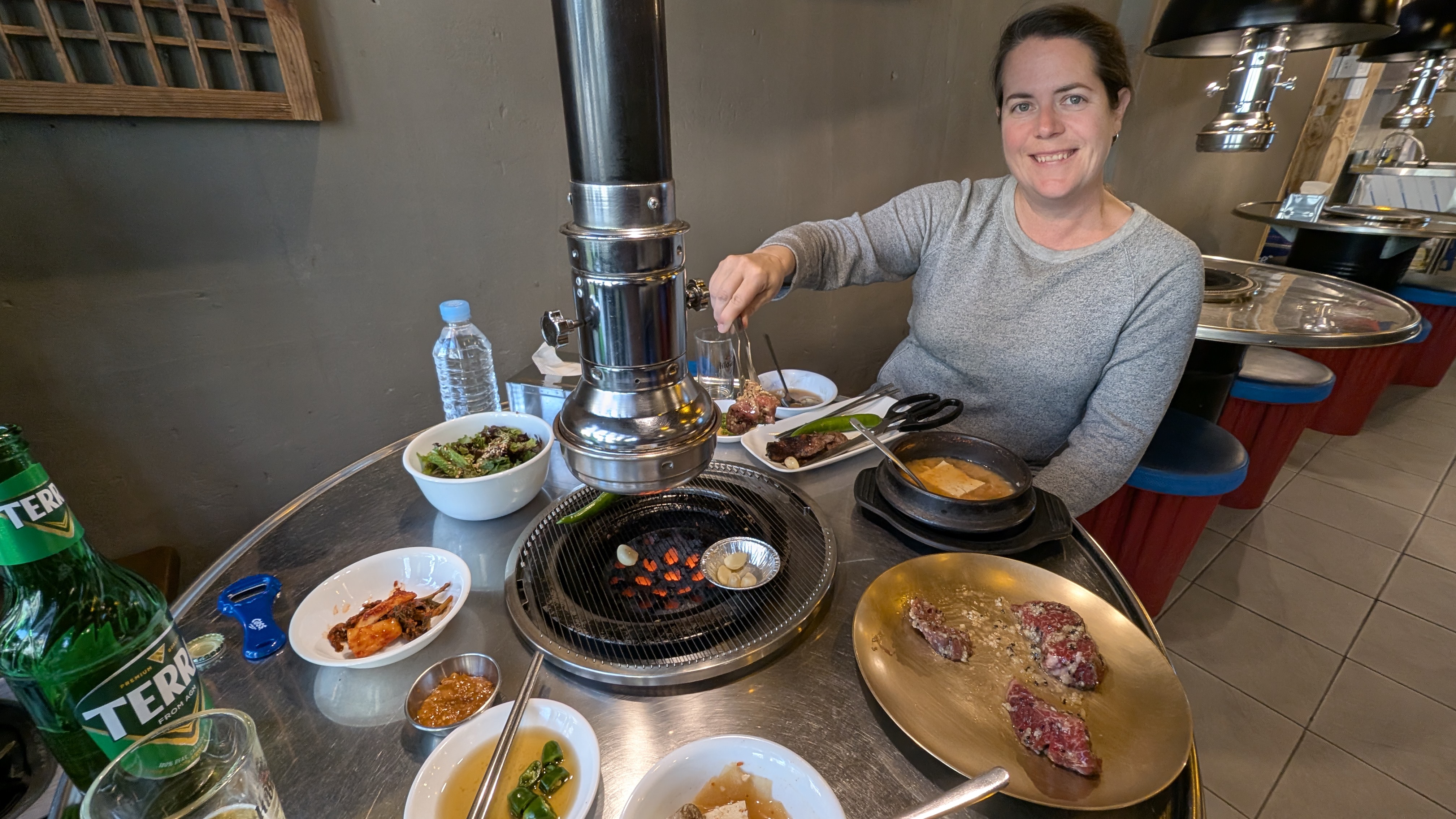
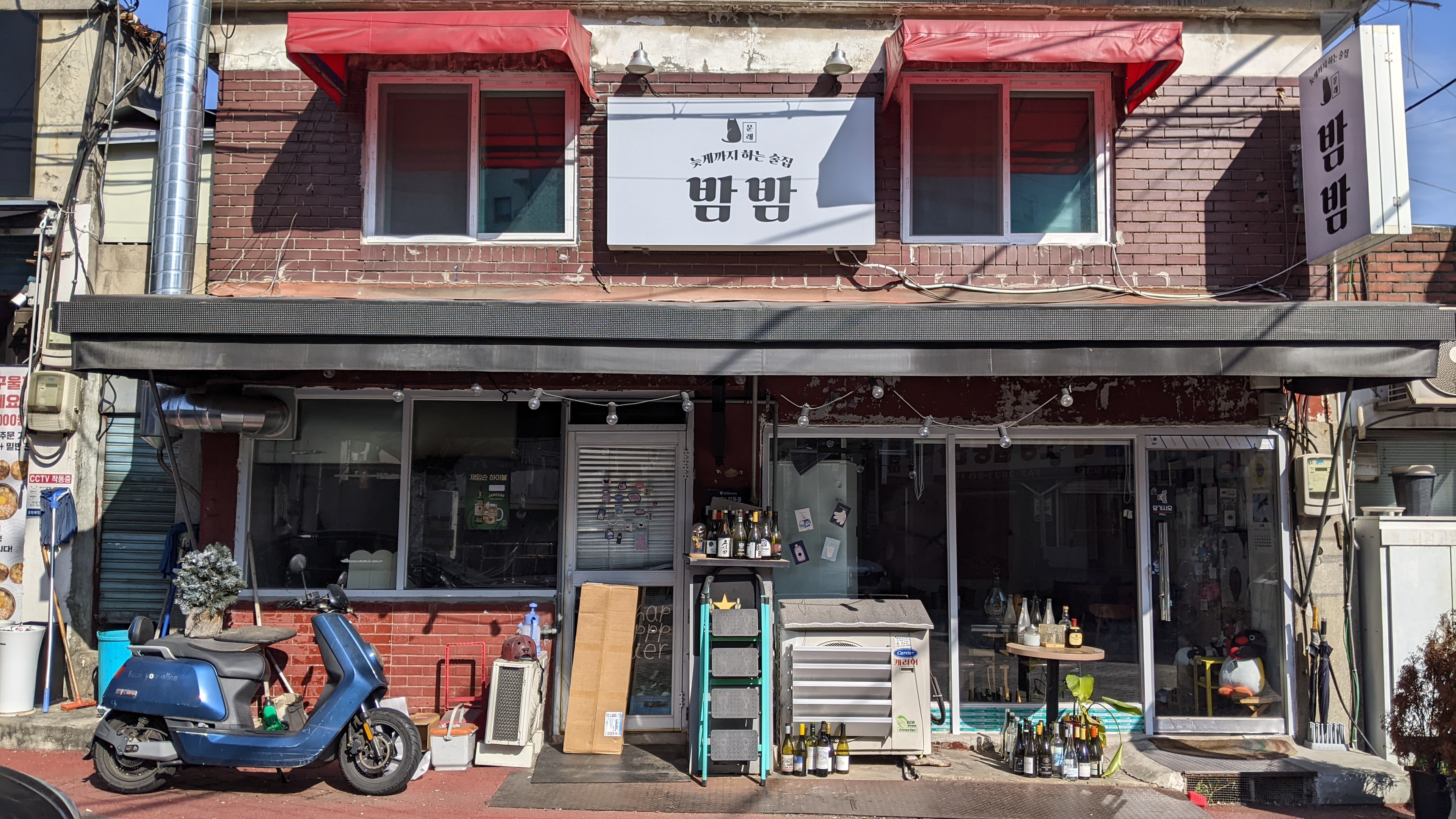
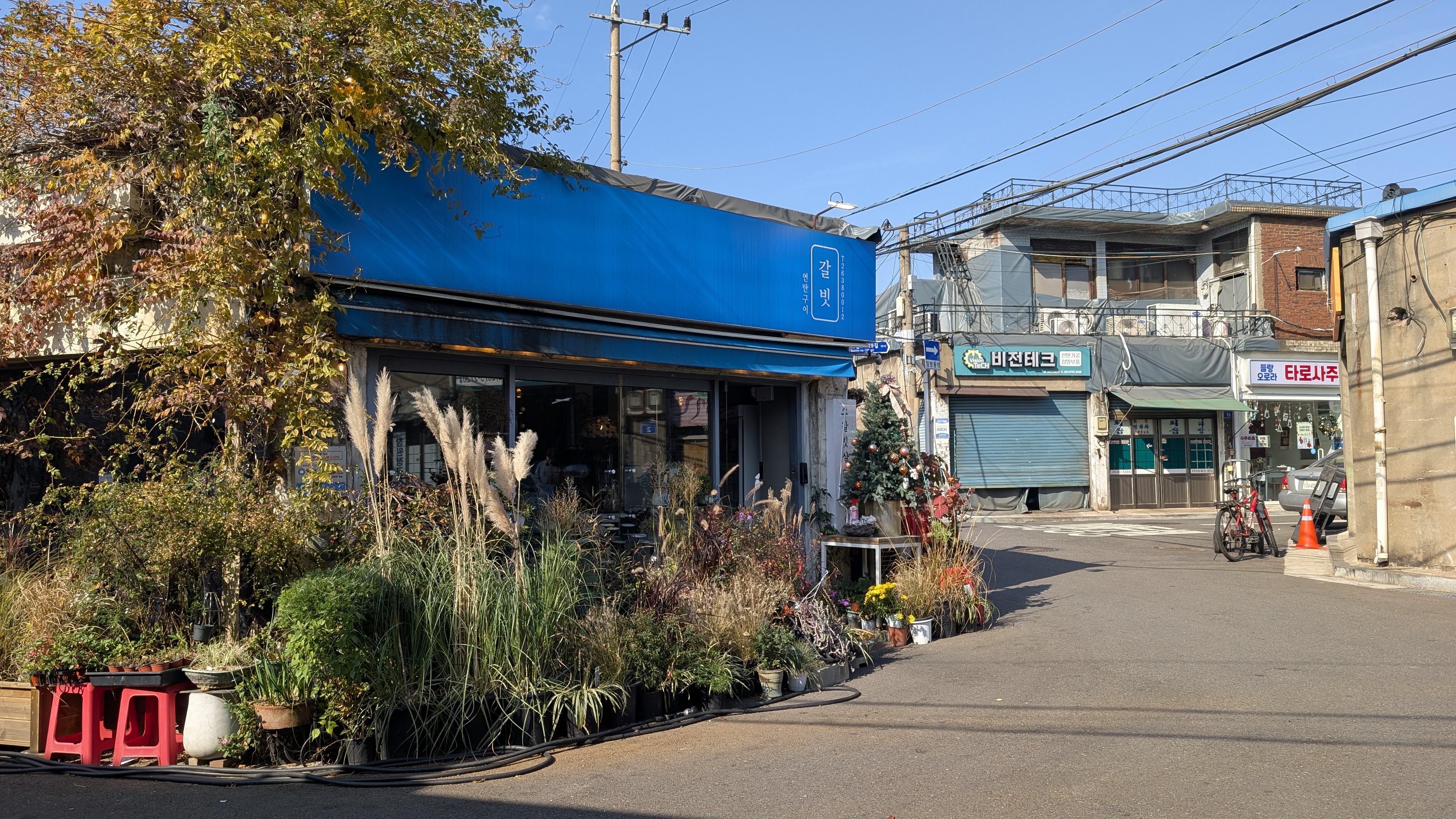
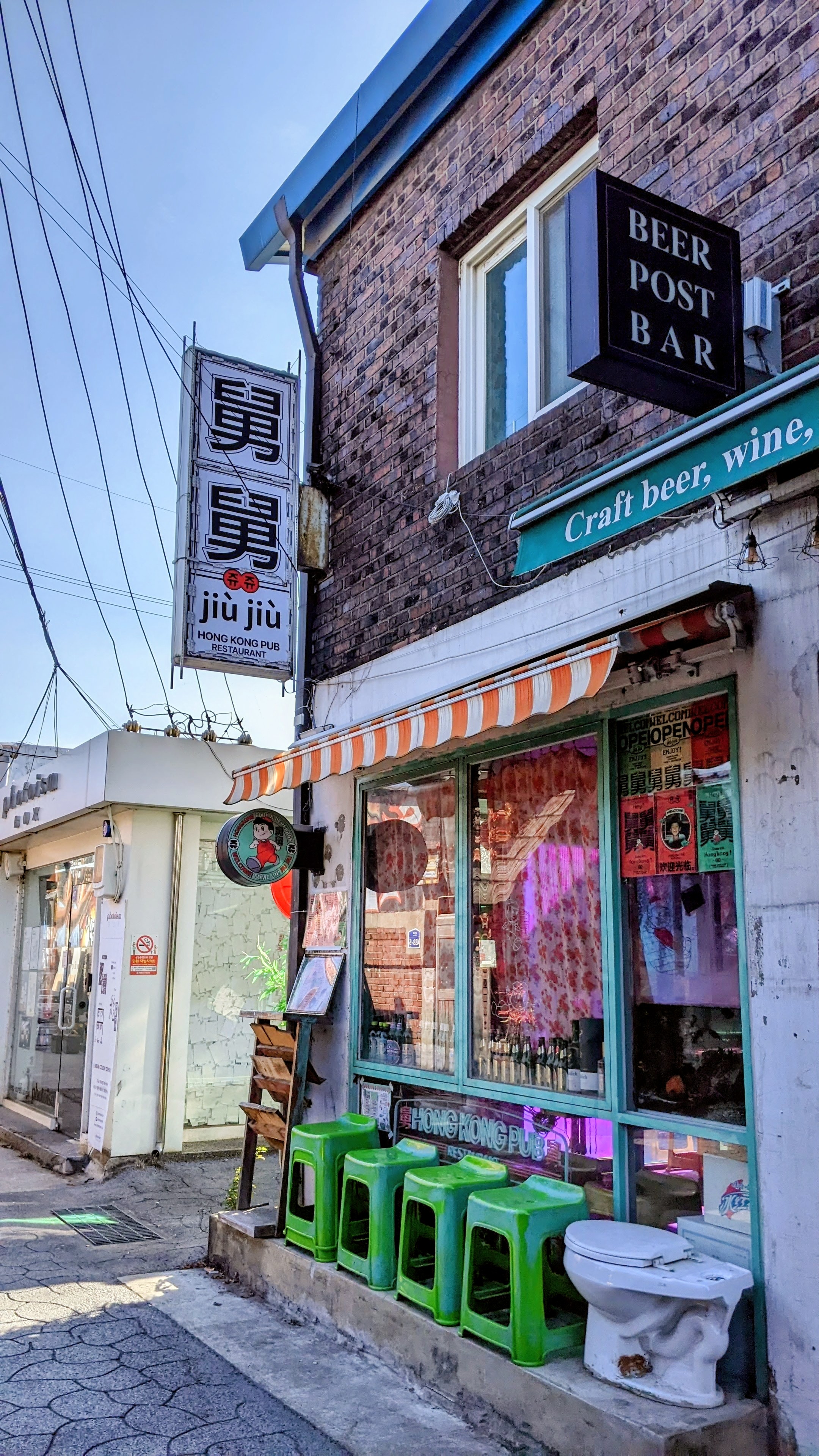
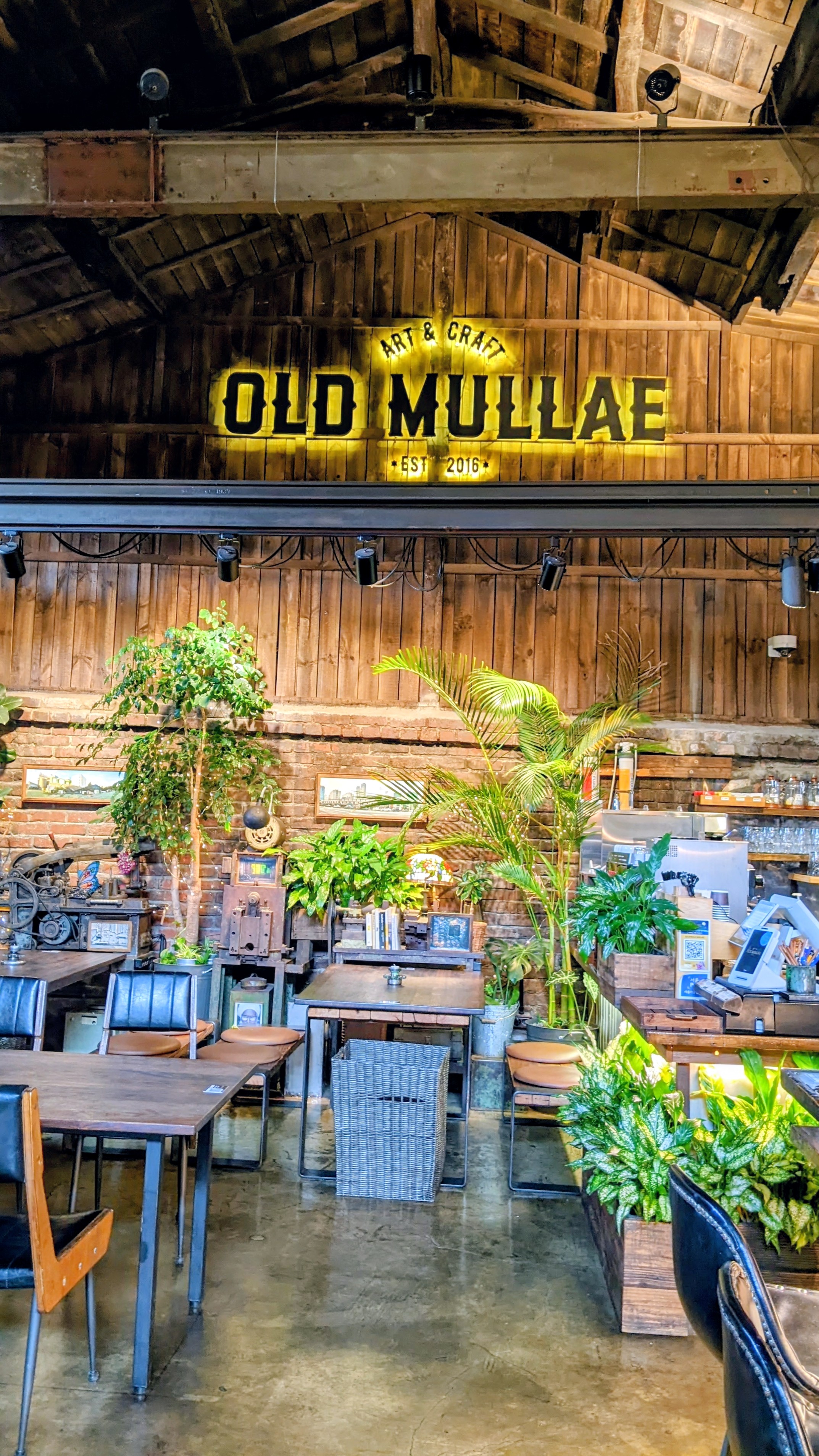
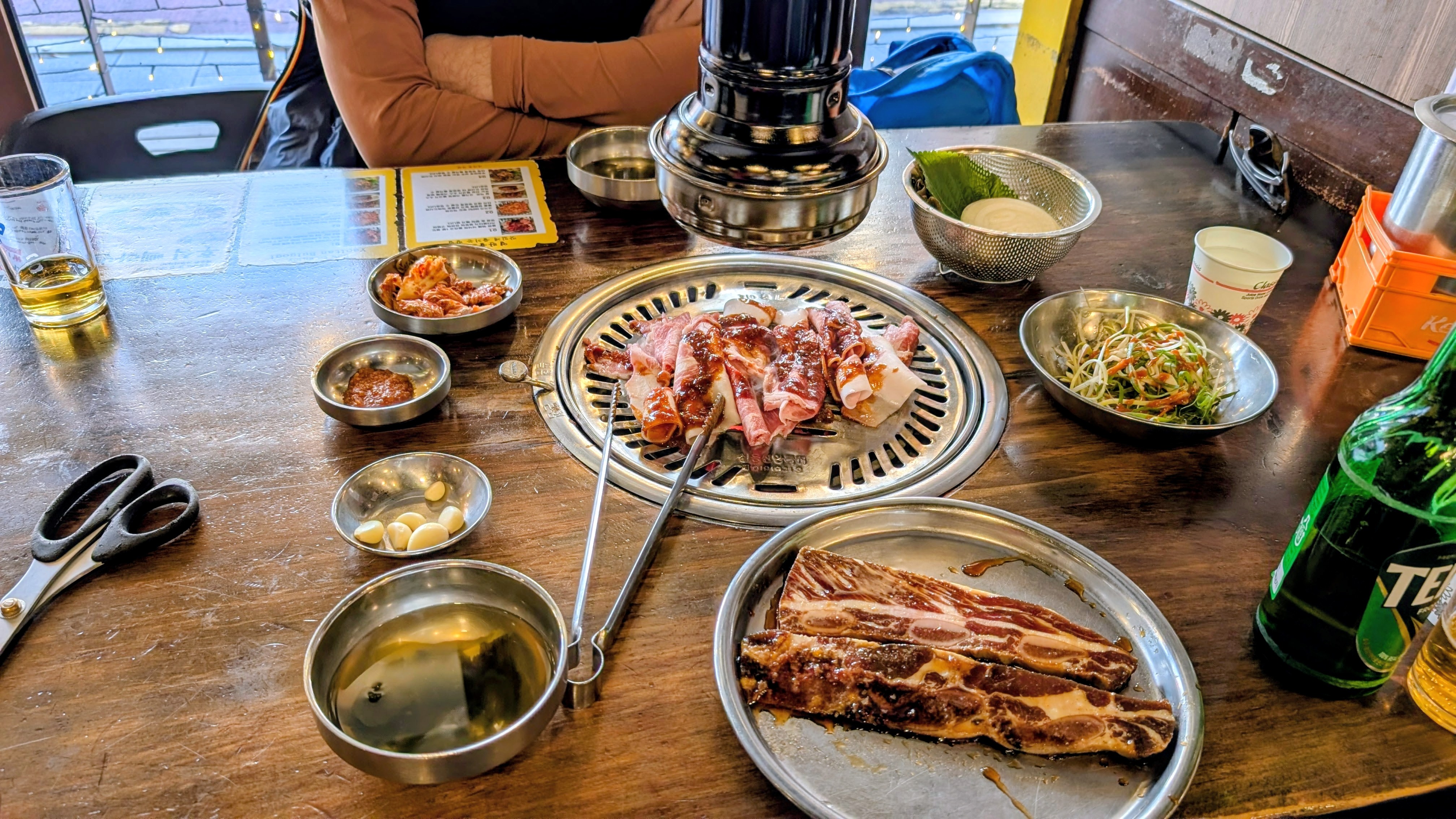
- Mullae-Art Village: We spent some time wandering the small streets here, which are a mix of car repair and parts shops with newly opening art studios, cafes, and lifestyle stores. It is a little lesser known than other places, but there are some interesting things to see, eat, and drink here. We even spontaneously decided to have lunch at a small BBQ restaurant that featured beef. It was our first experience cooking for ourselves and for someone who doesn’t cook at home ever, Jason did a fantastic job with the grilling!
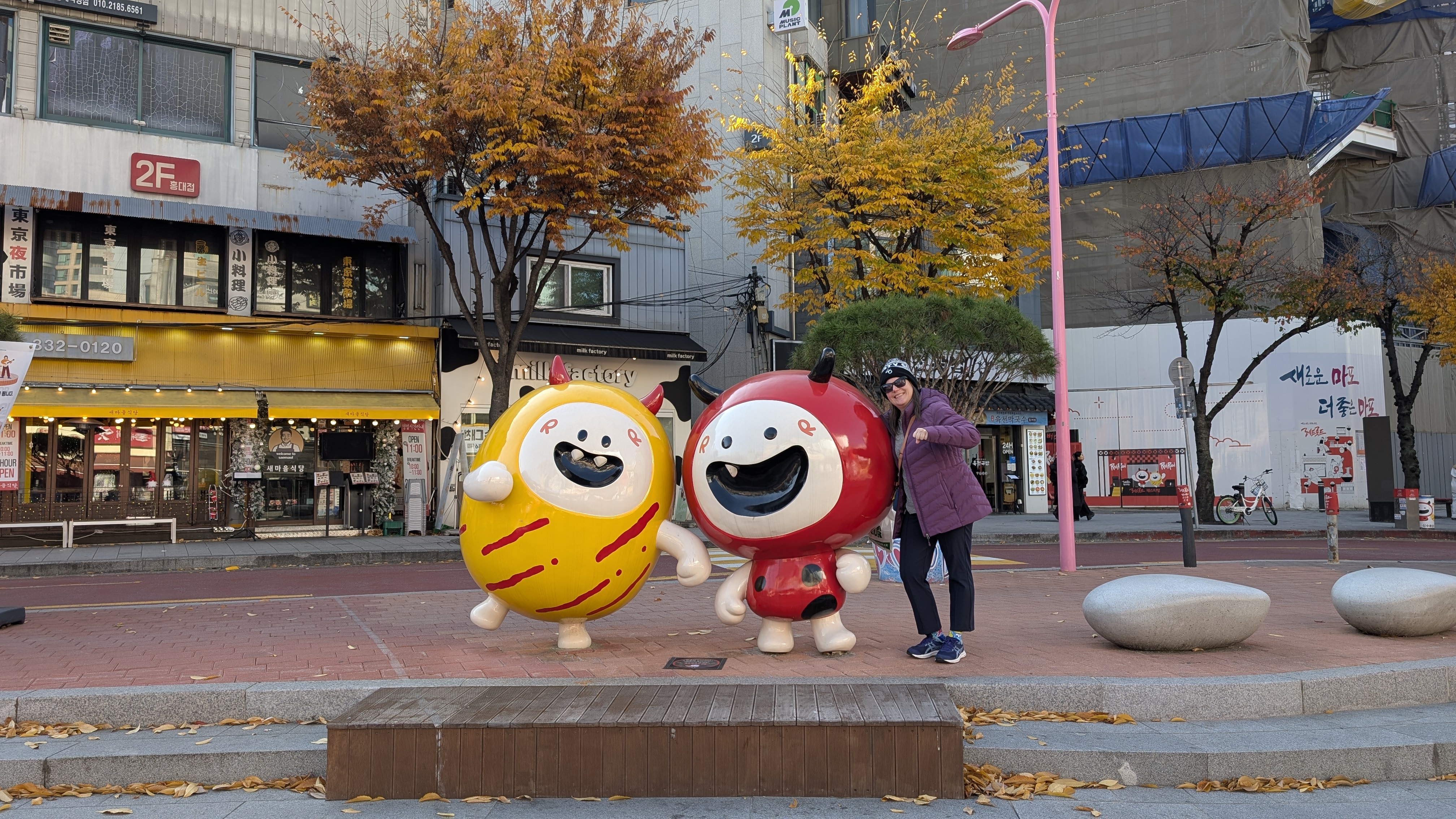
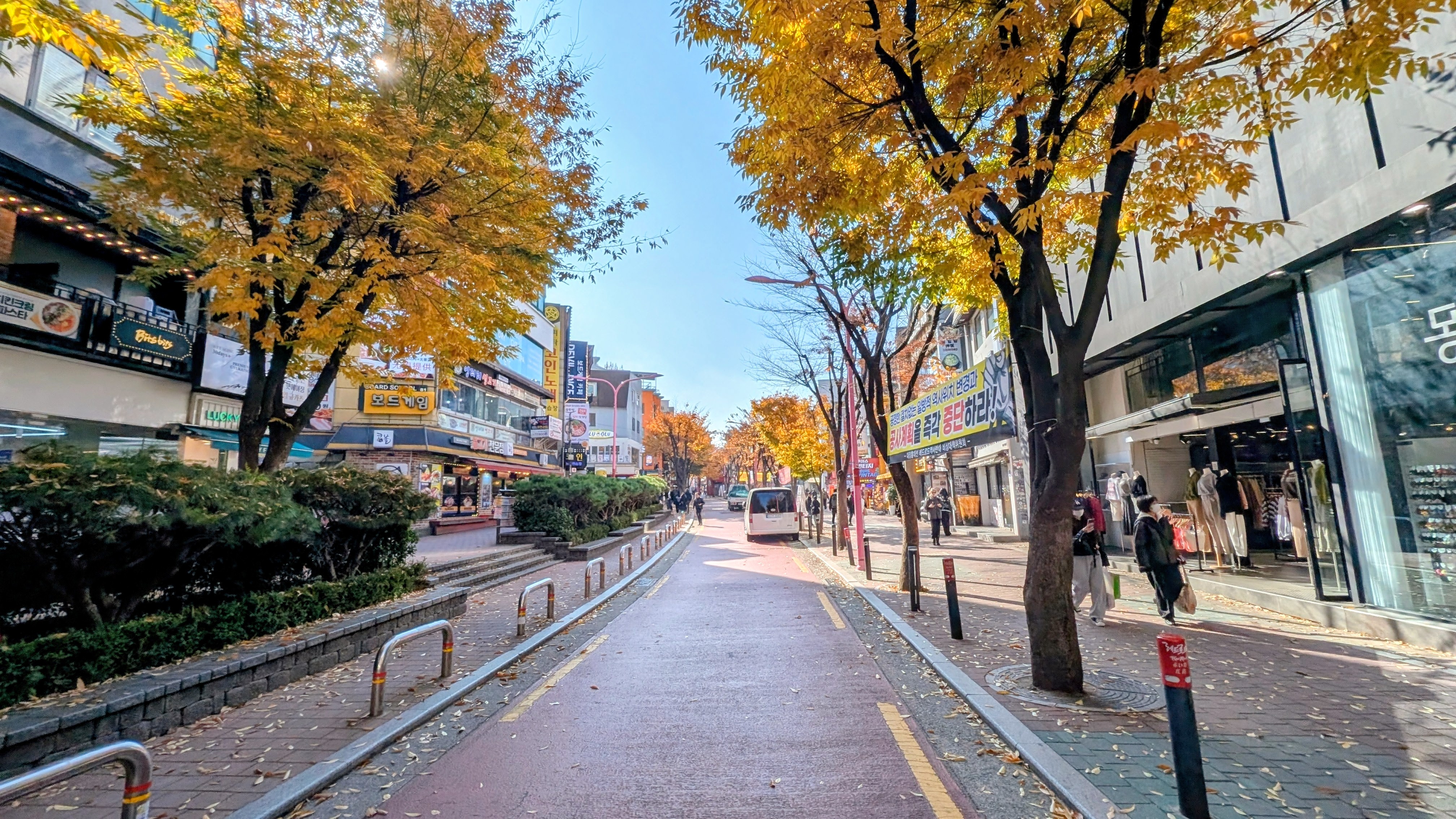
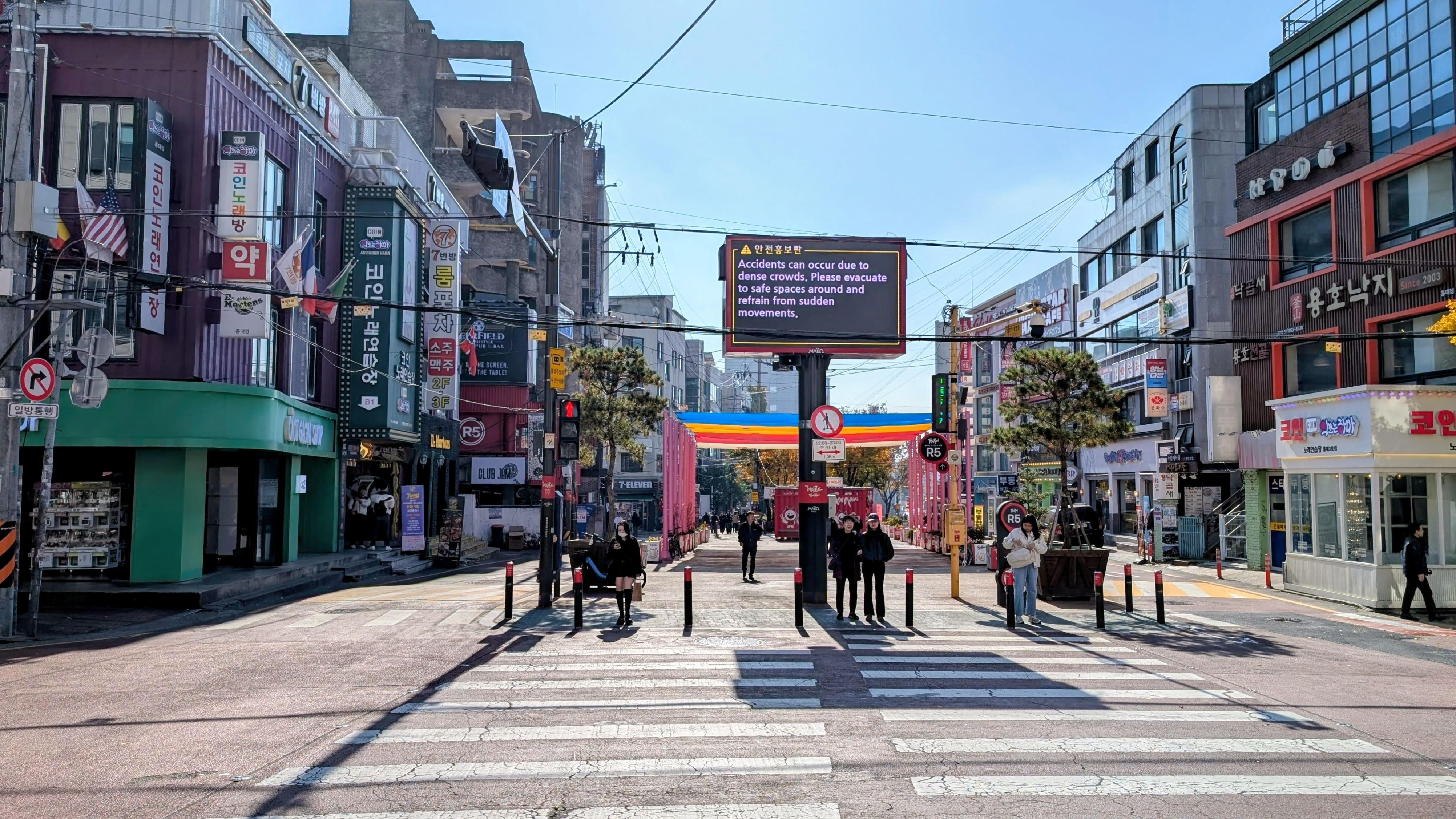
- Hongdae: We just wandered around this neighbourhood and did some shopping. The Red Road is a nice path.
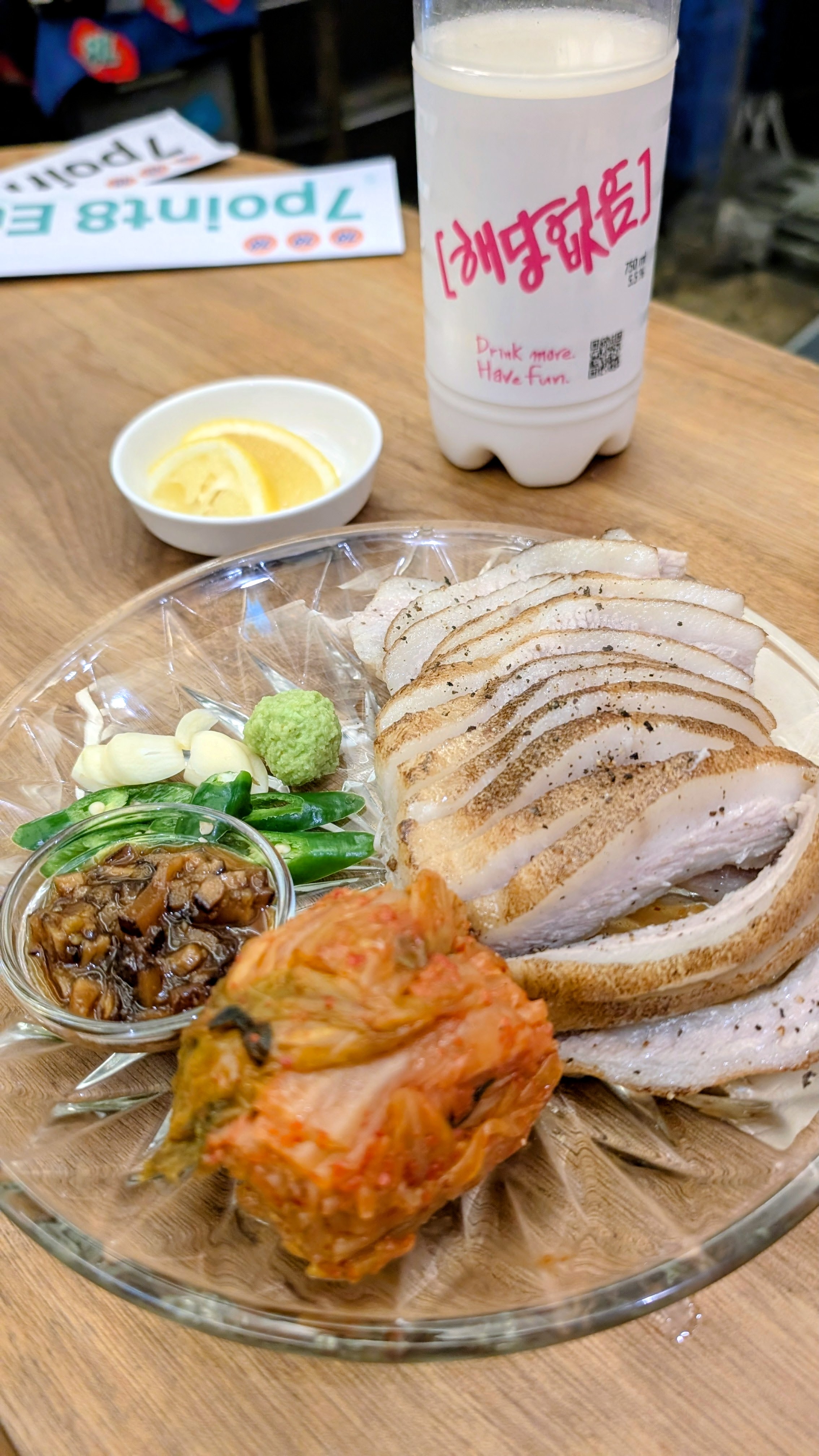
- Korean BBQ: We had never tried Korean BBQ before visiting, and we are hooked! We tried a few and enjoyed each one for offering a very different experience. We tried one that specialized in pork and actually grilled the meat for you. Thankfully our first BBQ experience was somewhere where they grill the meat for you, as this demo would come in handy for the other spots where we had to cook for ourselves. The young man grilling our food may have had the nicest and most pristine complexion ever seen, perhaps due to the BBQ smoke and the access to cheap and plentiful high quality beauty products?
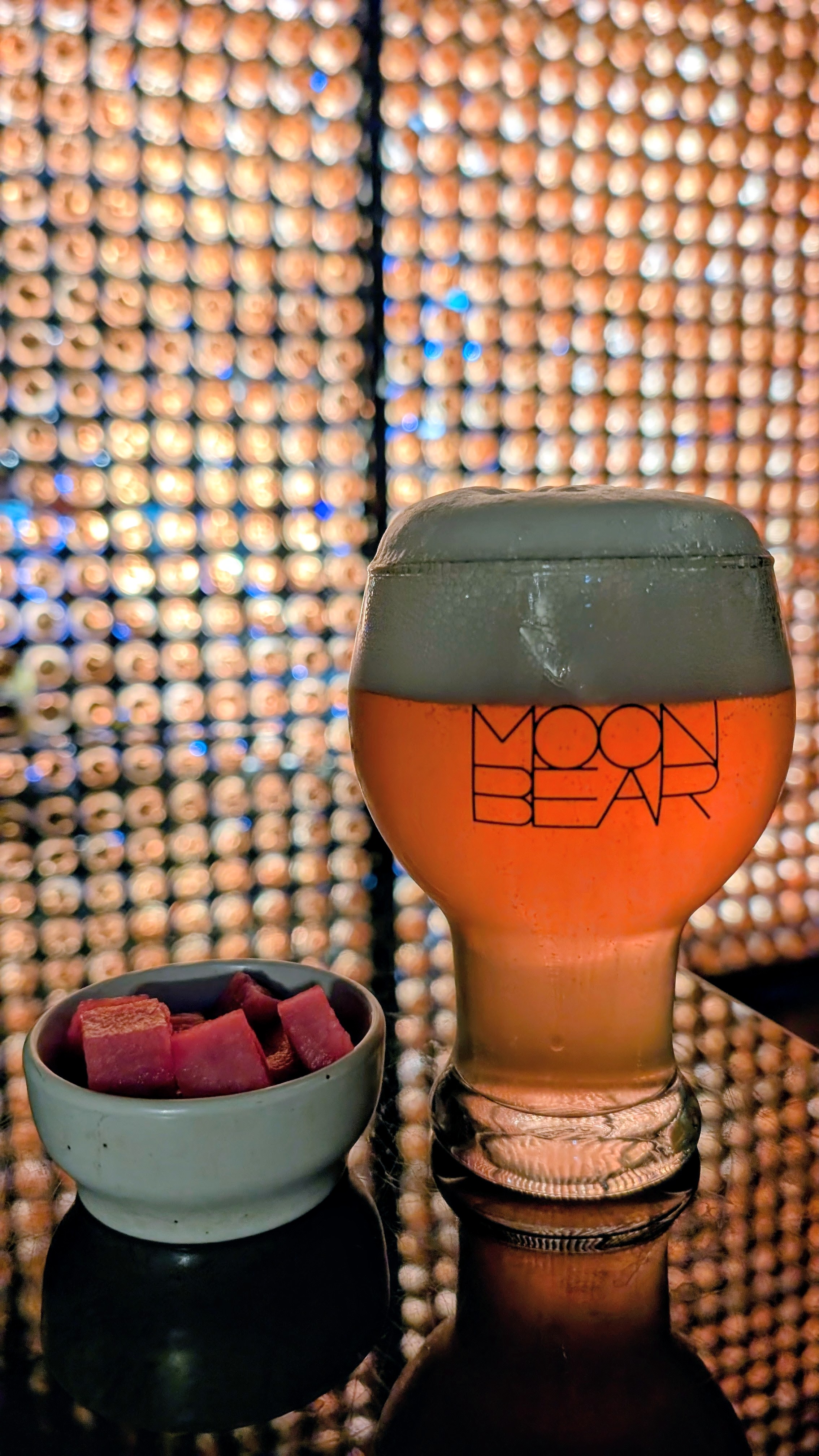
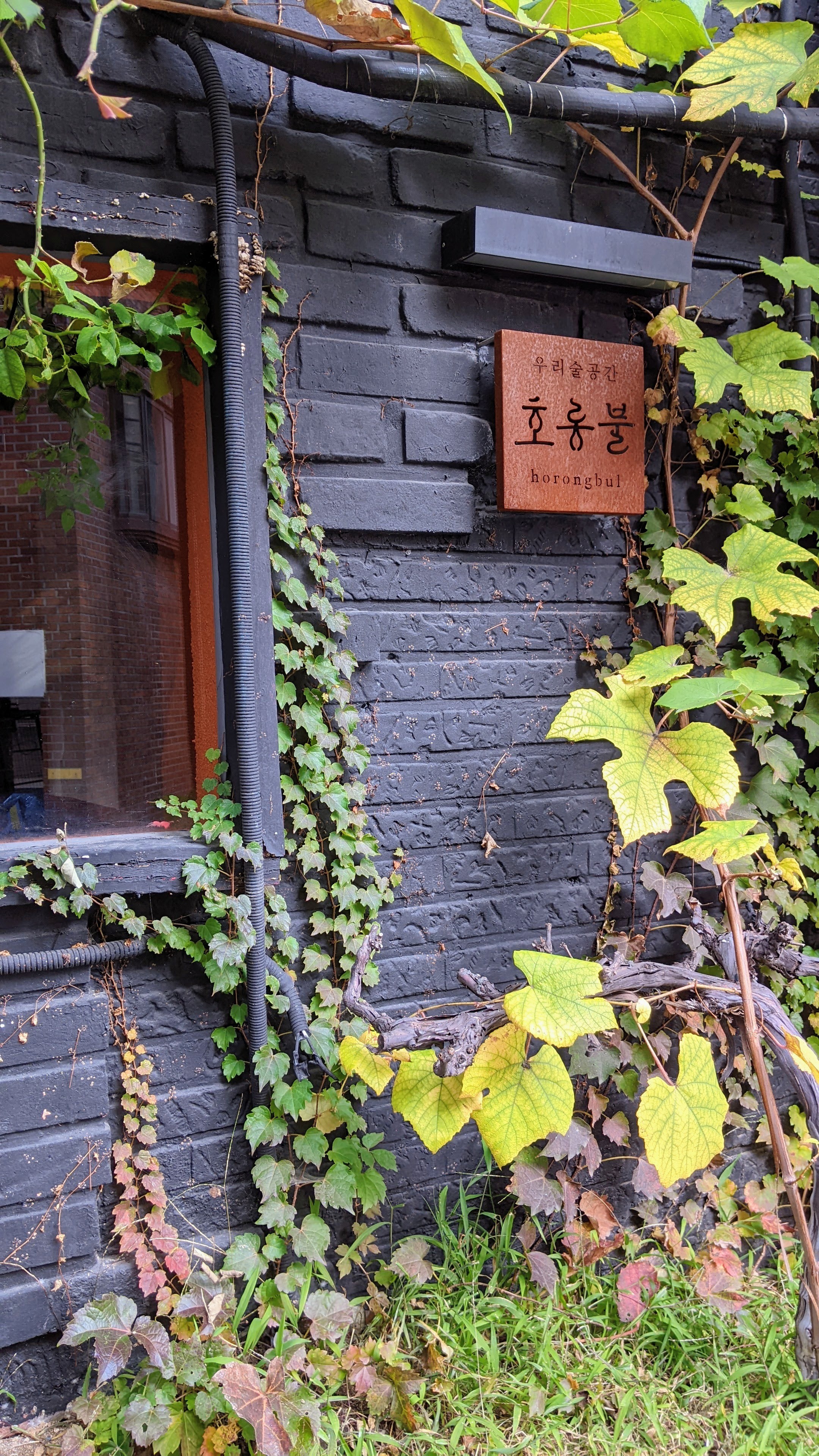
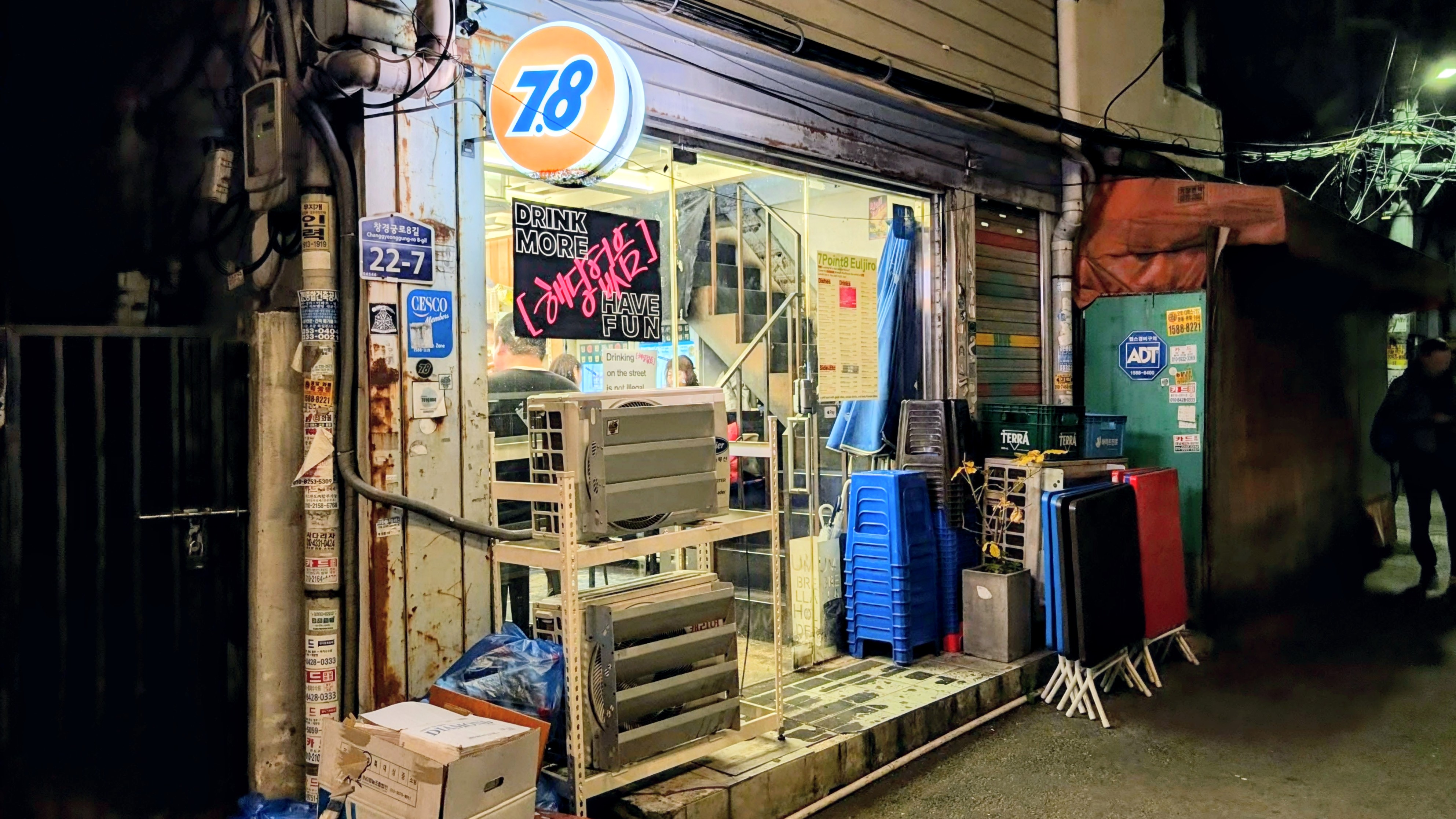
- Makgeolli Bars: We knew nothing about makgeolli, a a traditional, milky, and lightly sparkling Korean rice wine with a 6-9% ABV, offering a sweet, tangy, and slightly bitter flavor profile until reading about it in “The Passenger: South Korea”. We decided to visit a bar that brews and serves their own paired with suitable food. We are not too sure about makgeolli overall, but this was a very fun experience and would highly recommend trying it.
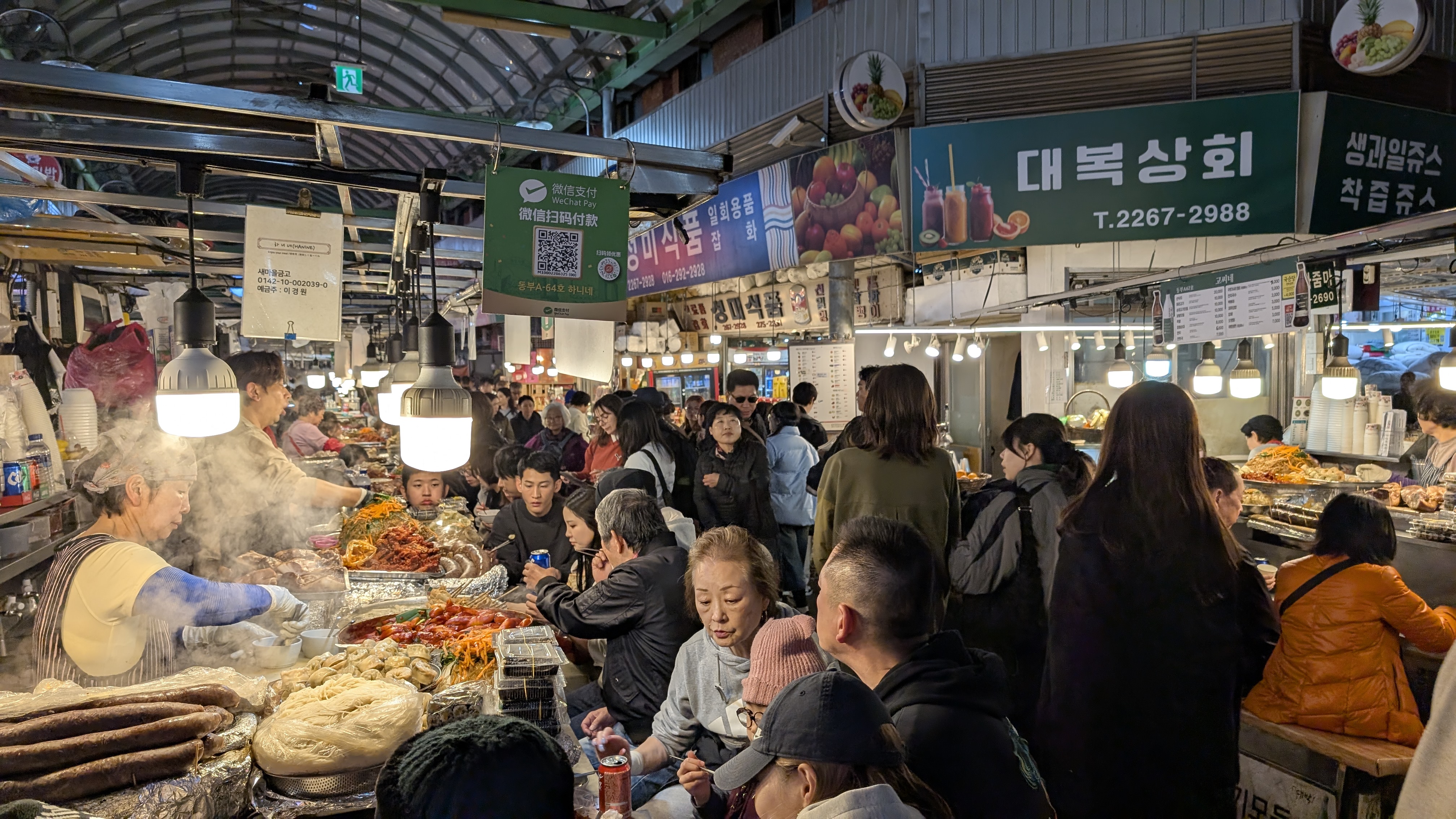
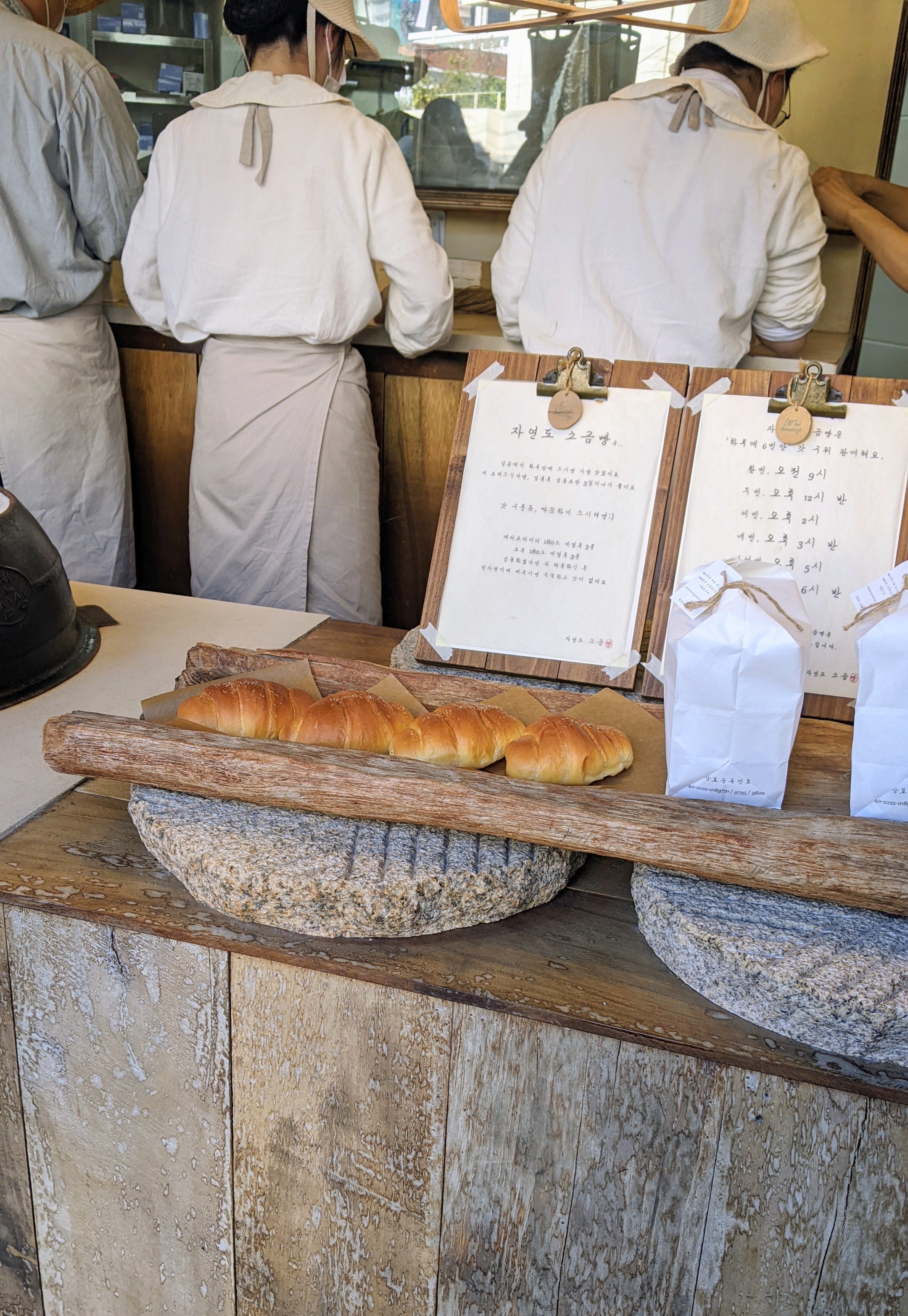
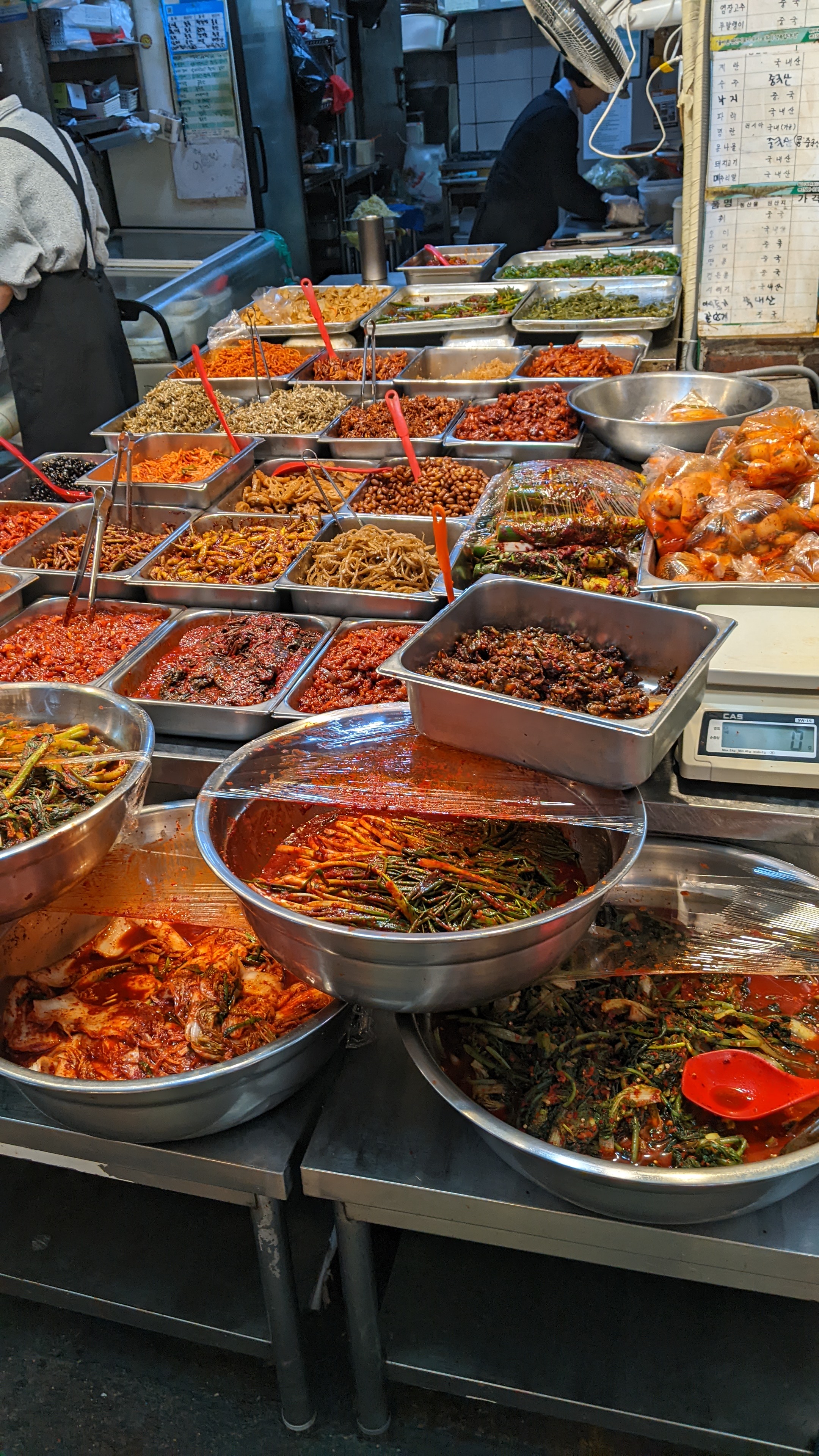
- Markets: During our visit, we checked out 3 different market areas. Mangwon Market is a little smaller and more traditional, Gwangjang Market, which is the larger and more touristy one, and the Markets in and around Myendong. At Gwangjang, we just wandered and chose a random stall to have some snacks. It was so interesting to see all the different types of kimchi you can buy and the stalls that grind up the chilli powder they use in the preparation!
- Shopping: When people say you should have an empty suitcase when visiting Seoul, they are correct! There are so many things to buy, especially the beauty products. We ended up bringing back sheet masks, sunscreen, and socks!



Summary
We loved Seoul! It’s a safe, approachable, and culturally rich city that felt even easier to navigate than Tokyo. If you love urban adventures, Seoul is waiting for you!
Related Posts
- Review: Grand Hyatt Seoul Incheon (West Tower) – A luxury hotel, walkable to the airport!
- Review: Grand Hyatt Seoul – A busy, but beautiful hotel!
- Review: Flying with Starlux to Asia
- Our Trip To Tokyo: 7 Things We Learned
- Flight Review: Japan Airlines 787 Business Class From NRT – Tokyo Narita to CGK – Jakarta
- Flight Review: Japan Airlines 777 First Class From SFO – San Francisco to HND – Tokyo Haneda
 weleavetoday.com
Leave a comment