

Known for its powdery white sand, calm turquoise waters, and postcard-perfect sunsets, Boracay is often considered the Philippines’ premier beach destination. Its popularity is reflected in the numbers: in 2025, the island welcomed a record-breaking 2.1 million visitors, more than 50% higher than Bohol and over three times the approximately 642,000 visitors who travelled to El Nido, one of Palawan’s most iconic destinations.
While the island has experienced its share of growing pains over the years, including a six-month government-led closure and rehabilitation in 2018 aimed at addressing environmental concerns and improving long-term sustainability, it remains one of the most beautiful and visitor-friendly beach destinations in the Philippines.
We spent five days in Boracay at the beginning of our Philippines trip and found it to be the perfect place to unwind, recover from jet lag, and ease into island life. If you’re considering adding Boracay to your itinerary, here’s our honest assessment based on our most recent visit.
Getting Here – Is It Easy to Get to Boracay?
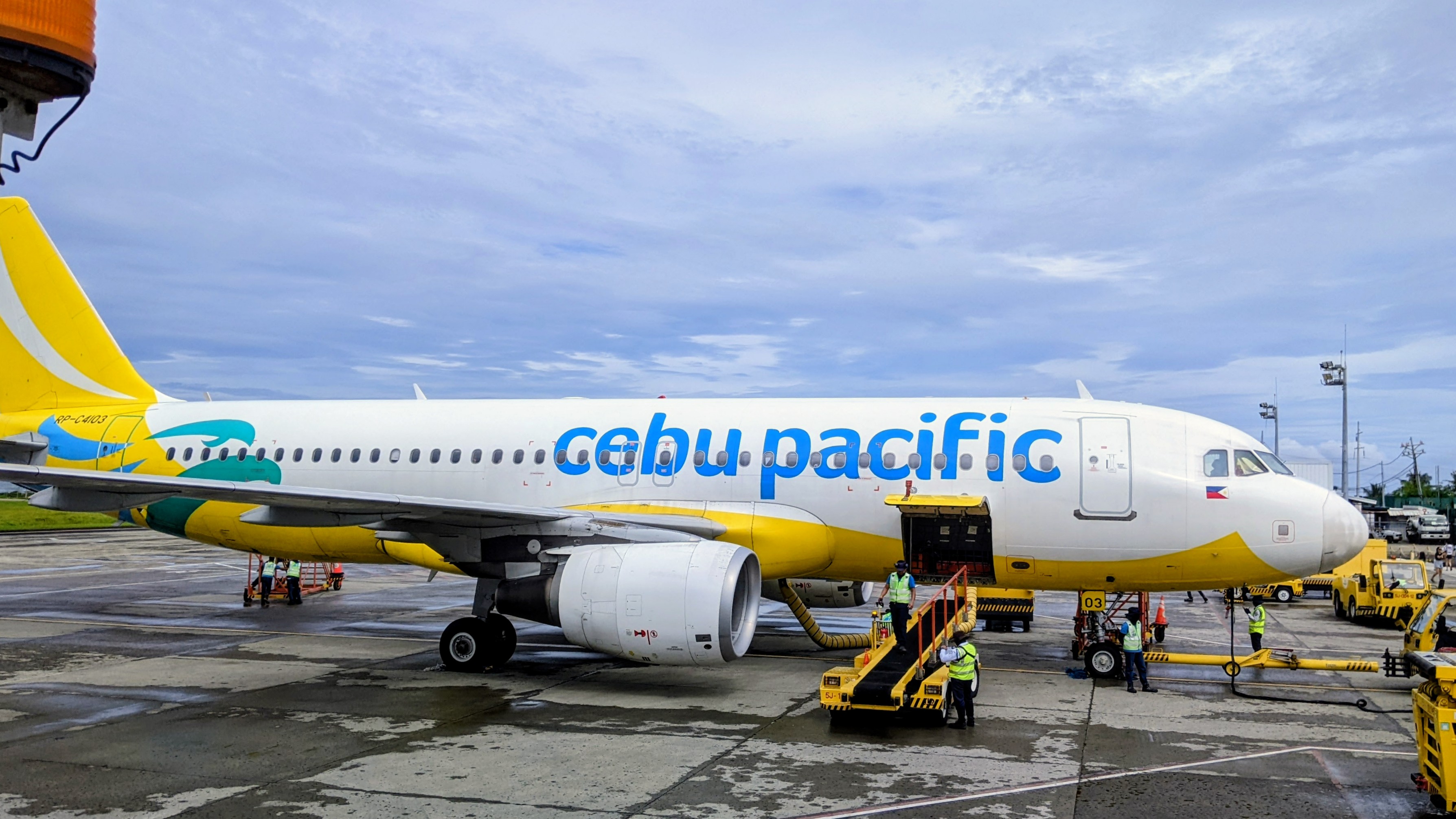
We flew Air Canada from YVR (Vancouver) to MNL (Manila) before connecting to Caticlan on Cebu Pacific after a few-hour layover. The transfer was actually quite easy, as our Cebu Pacific flight departed from the same terminal where our Air Canada flight arrived. This mitigated very long and painful transfers to different terminals in Manila, which has been known to take hours.
While the journey involves several steps: airport transfer, ferry crossing, and local transportation, the process is well organized because tourism is such a significant part of the local economy. Our hotel, The Lind, included a private transfer as part of our stay, which made the experience even easier.
The Verdict: Boracay is one of the easiest island destinations in the Philippines to access. While it requires more effort than a typical beach destination near a major city, the logistics are straightforward and tourist friendly.
Itinerary – How Long Should I Stay in Boracay?
We spent five days in Boracay and felt that this was the sweet spot.
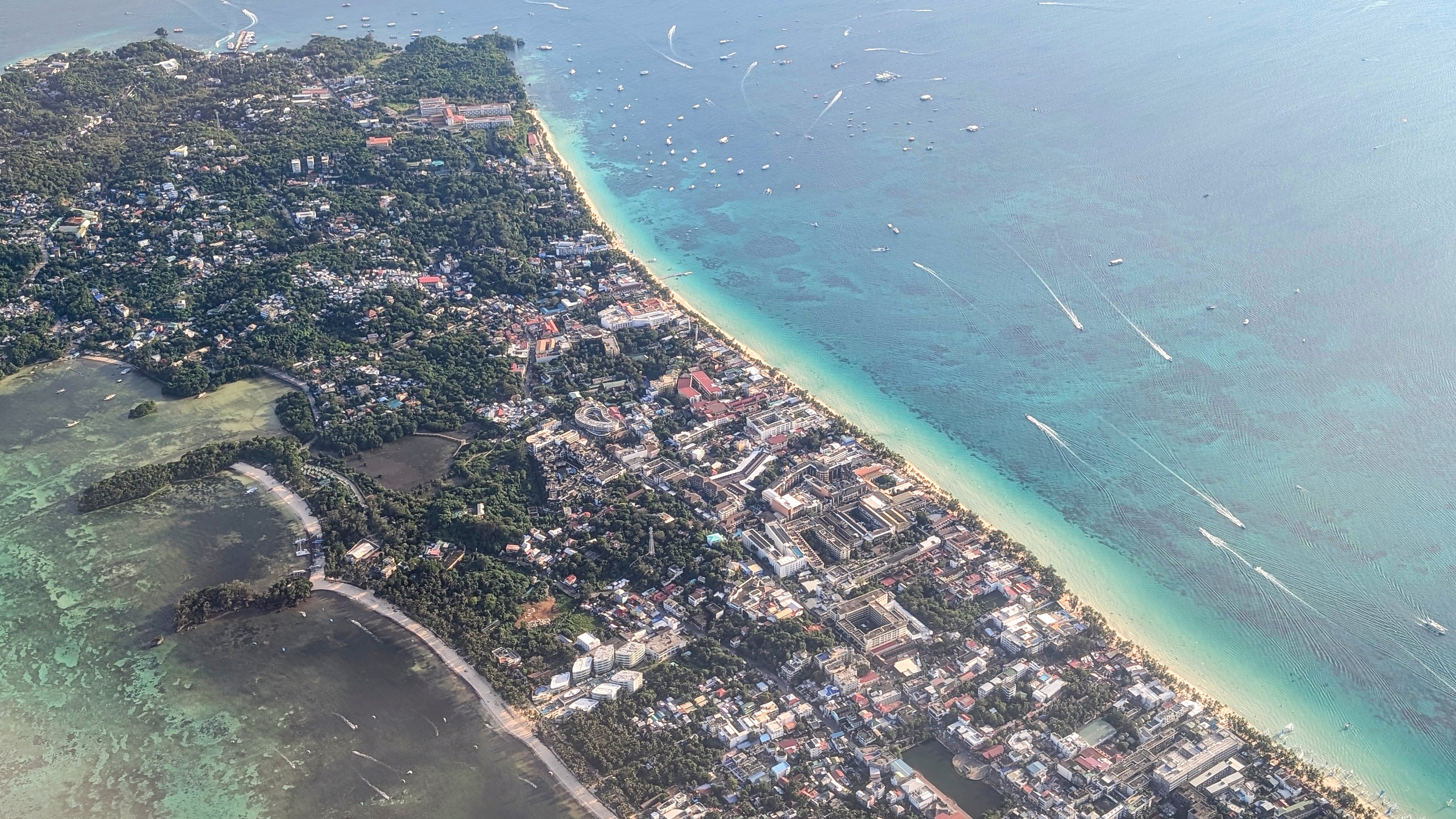
The island isn’t particularly large, and most visitors come primarily for the beaches, dining, water activities, and relaxation. You can certainly see the highlights in three days, but having four to six days allows enough time to settle into a slower rhythm, enjoy the beach at different times of day, and avoid feeling rushed.
Boracay also works exceptionally well as either:
- A standalone beach vacation.
- The relaxing portion of a larger Philippines itinerary.
- A recovery stop before or after more active destinations such as El Nido, Coron, or Siargao.
The Verdict: If you are flying all the way from North America, four to six nights is ideal if you are adding Boracay as part of your itinerary. If you are coming just to visit Boracay, plan for 7-10 days, but that might be a little long.
Weather – When Is the Best Time to Visit Boracay?
The dry season generally runs from November through May, with December to April offering some of the best beach conditions. March and April are among the best months to visit Boracay for sunny weather and calm seas, but they also coincide with the period when seasonal algae (lumot) is often most prevalent. Depending on conditions, this can affect both the appearance of White Beach and the quality of the swimming experience in some areas.
During our visit over the Christmas and New Year period, we enjoyed mostly sunny skies, warm temperatures, and calm seas. We did experience a few rain showers, but they were brief and didn’t significantly impact our plans.
Even during the dry season, tropical weather can change quickly. It is not unusual to experience a sunny morning followed by a brief afternoon downpour.
The Verdict: December through April offers the best combination of sunshine, calm water, and comfortable beach conditions.
Beaches – What Are the Beaches Like in Boracay?
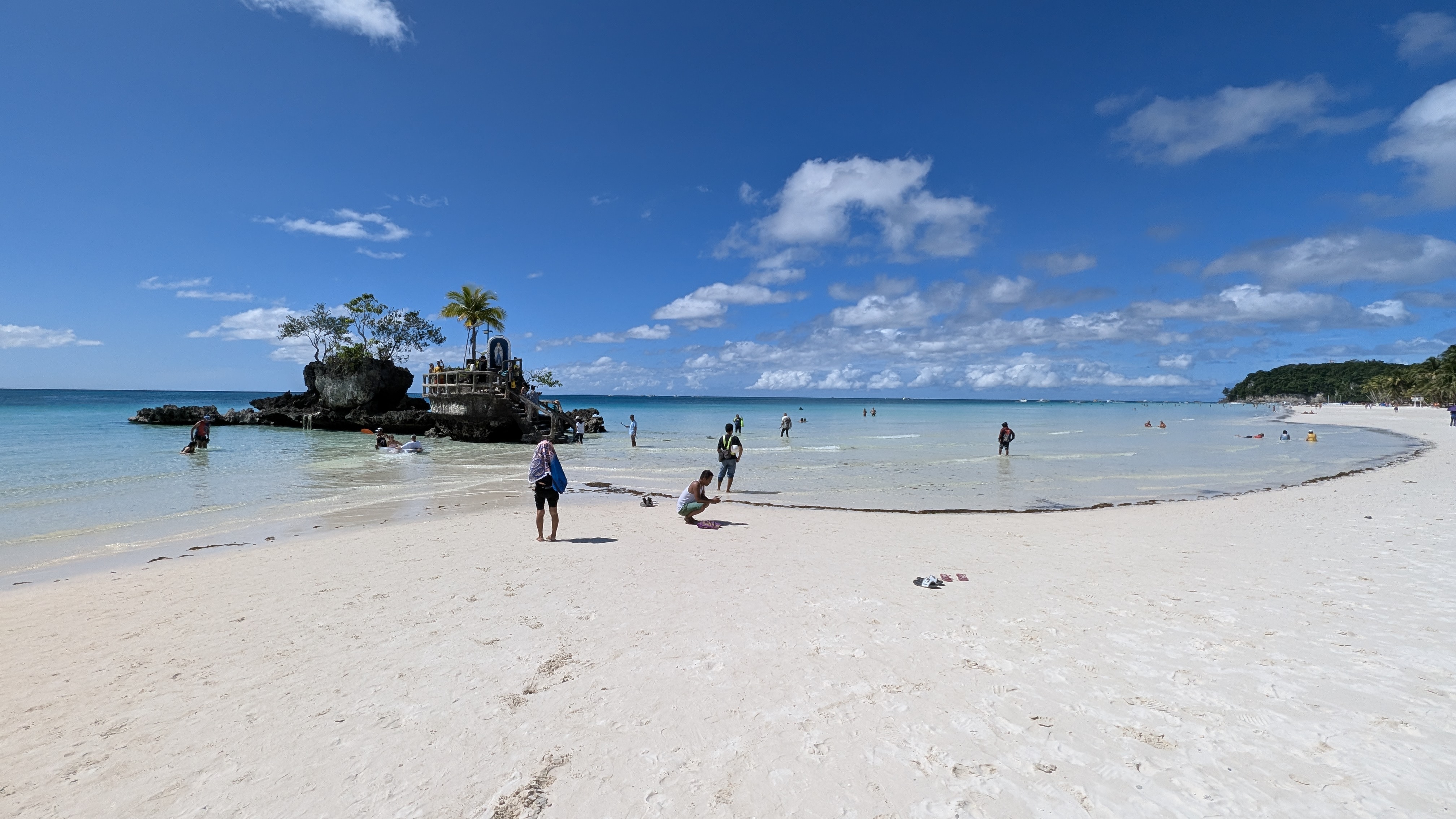
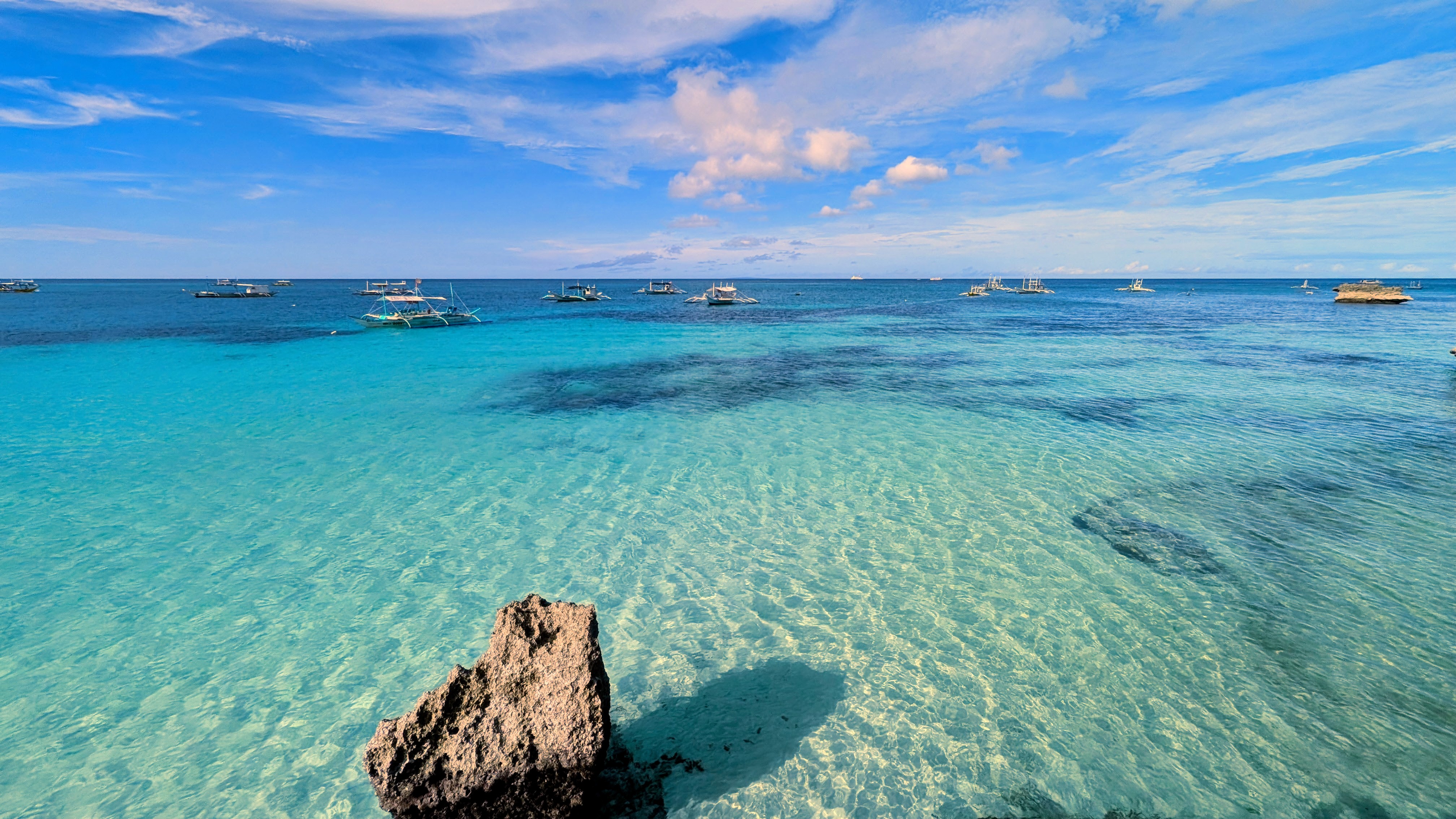
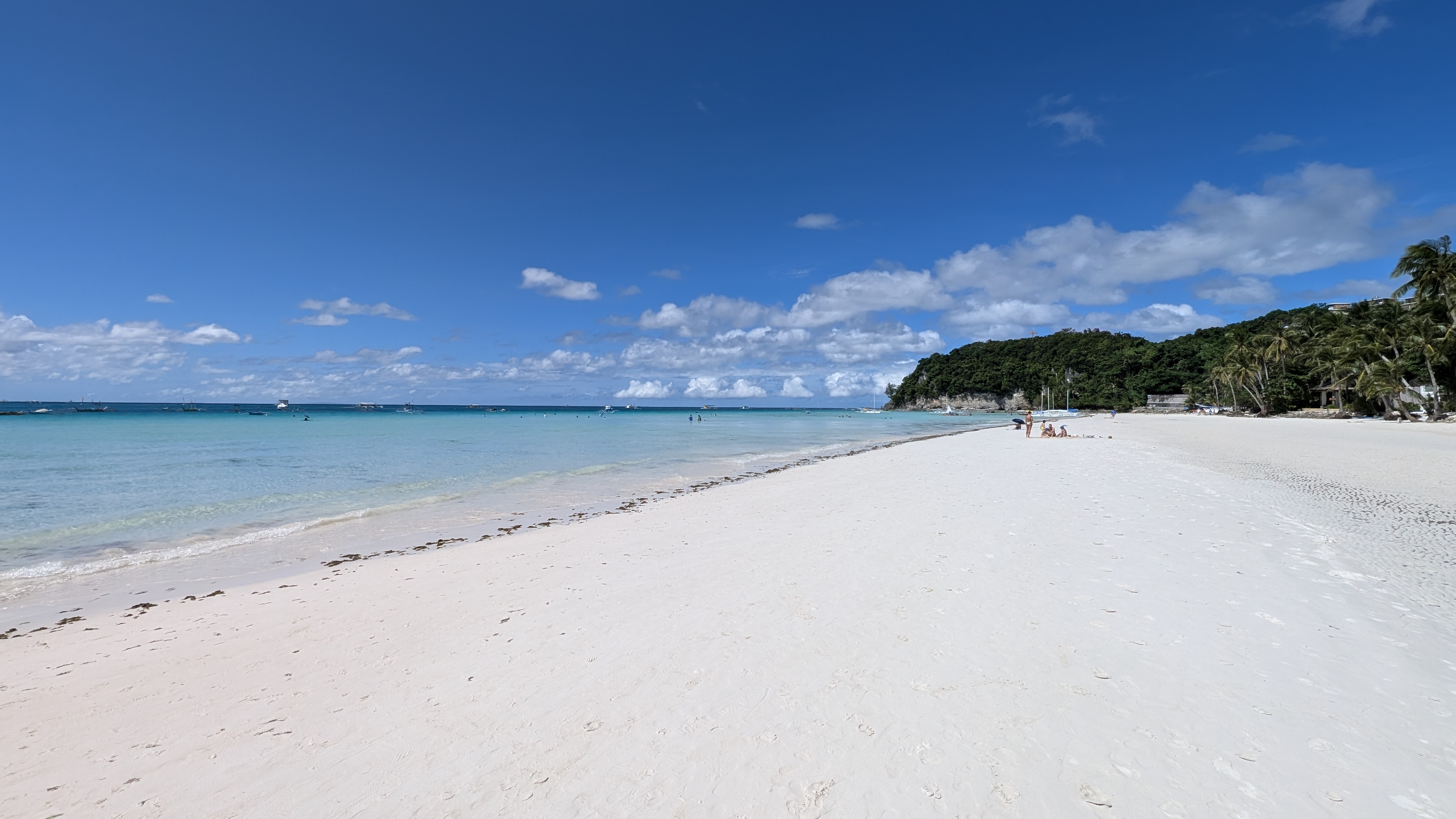
White Beach, the island’s main beach, tops our list of favourite beaches thanks to its powdery white sand, calm turquoise waters, and ample space to find quieter sections even during busy periods.
The biggest downside is the lack of shade. While some travellers may consider this a drawback, Boracay has intentionally limited commercialization along the beach. Beach clubs are relatively scarce, and standalone umbrella and chair rentals are prohibited to help prevent overcrowding and preserve the beach’s natural character. One of the hotels we stayed at, The Lind, did offer chairs, umbrellas, and showers on its property, although not directly on the beach itself.
Boracay can be peaceful at times—particularly early in the morning—but overall it is a busy and bustling destination. The beach and water are often filled with people trying to capture the perfect social media photo, which may be frustrating if you’re trying to carve out your own space. The locals have certainly embraced the trend and, for a small fee, will act as photographers from kayaks, stand-up paddleboards, or while standing in the water. It was genuinely entertaining to watch some of them use a paddle to position a guest’s foot at exactly the right angle for the perfect shot.
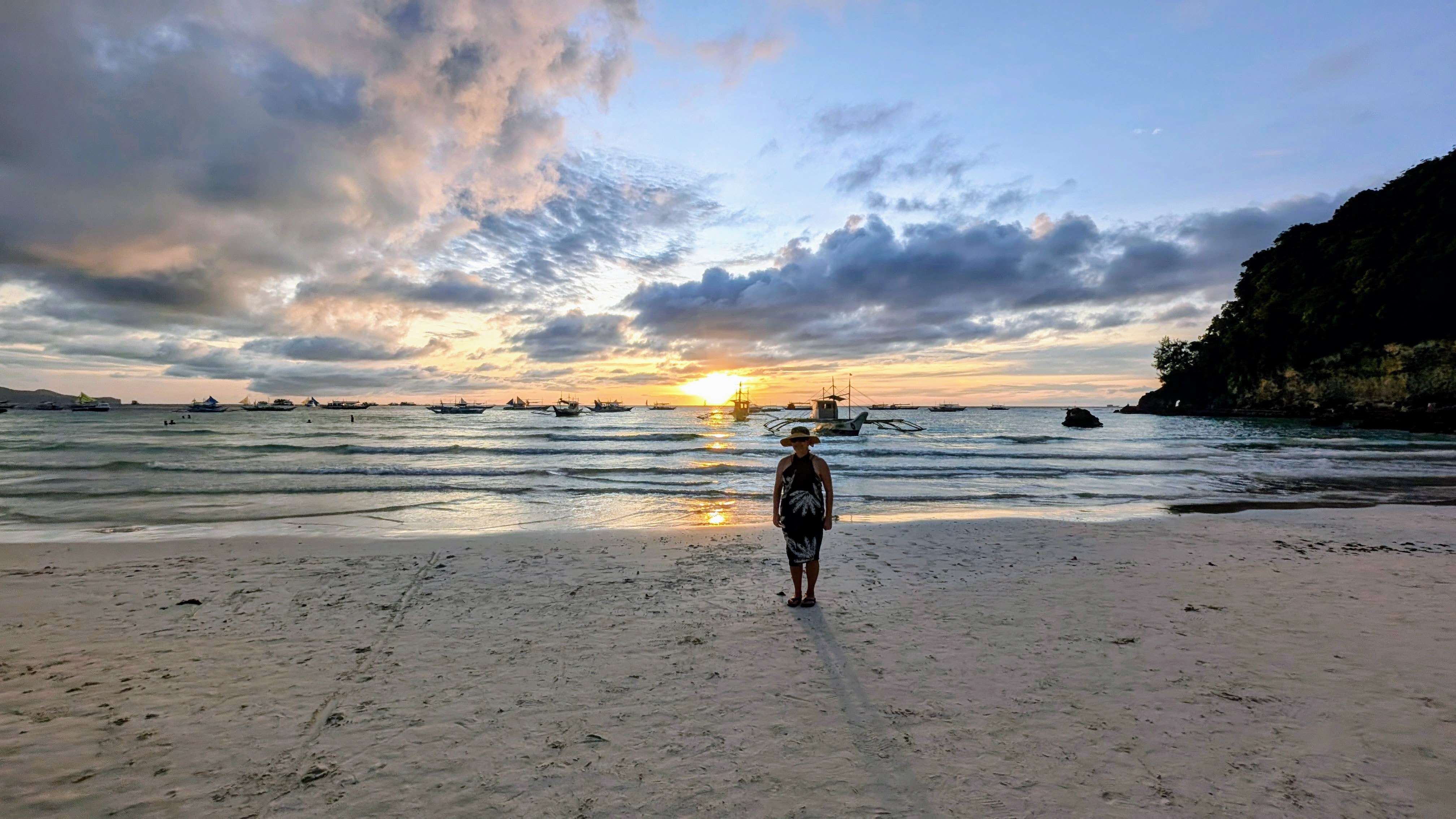
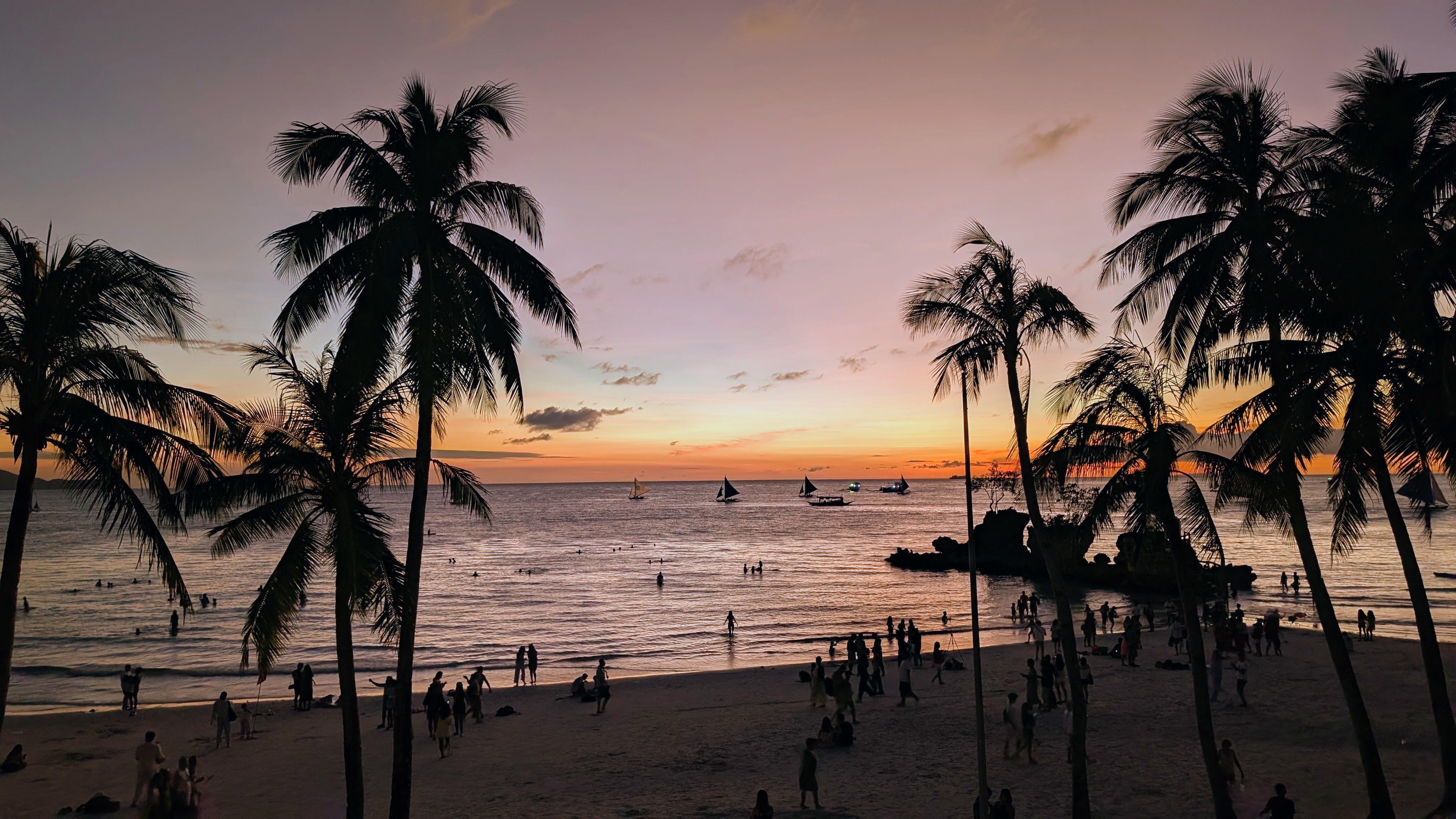
At sunset, the atmosphere shifts completely. Live music drifts along the shoreline, local drum groups walk the beach, and the entire area takes on an energy that feels somewhat reminiscent of Waikiki.
Unlike some tropical destinations where strong surf limits swimming opportunities, Boracay’s western-facing coastline often feels more like a natural swimming pool. The water is shallow, clear, and ideal for relaxing in for hours at a time.
The beach is divided into several stations:
- Station 1: Quieter, wider beach, and home to many higher-end resorts.
- Station 2: The busiest area, with restaurants, nightlife, and shopping.
- Station 3: More laid-back and often slightly less crowded.
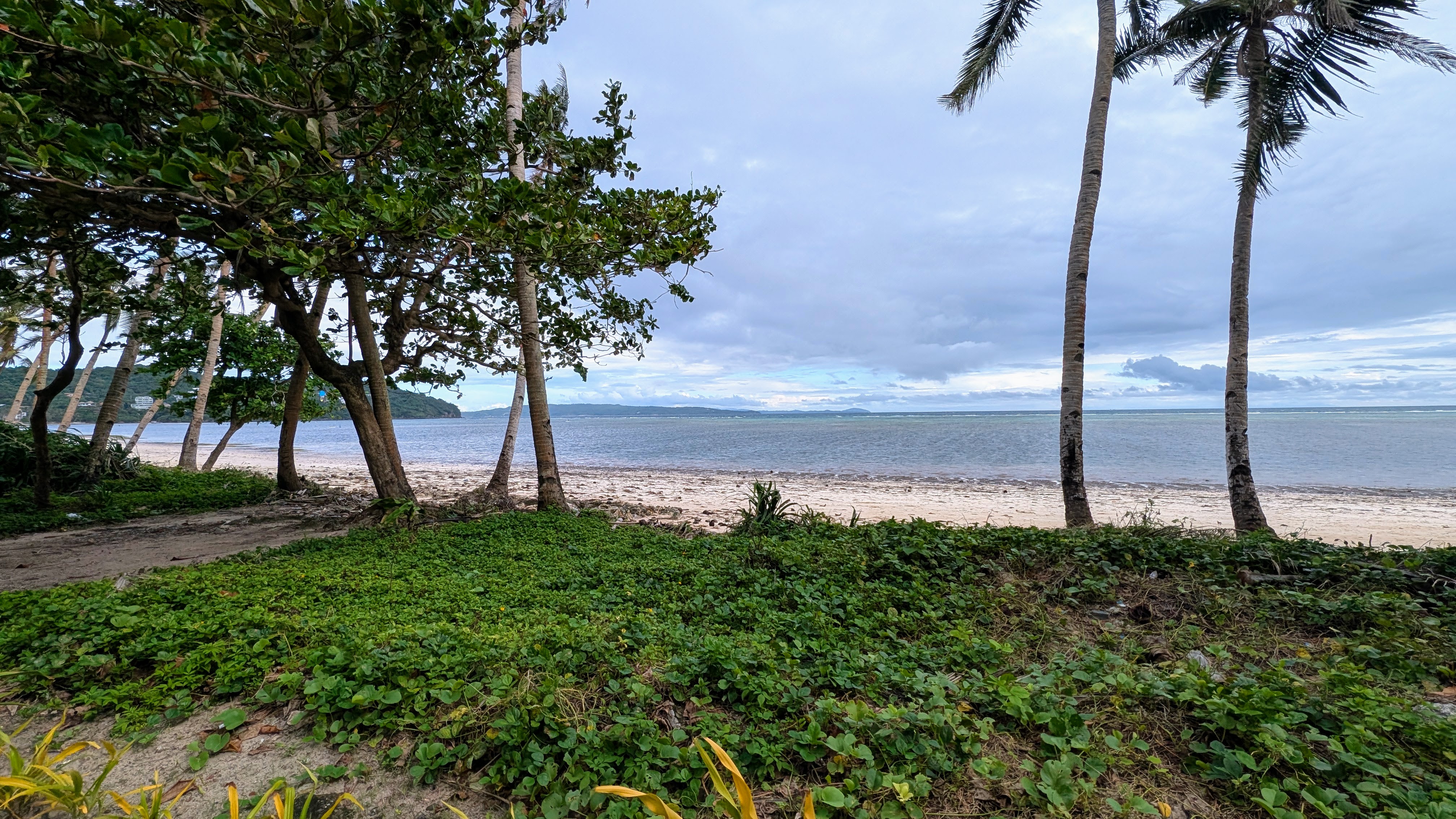
Beyond White Beach, Diniwid Beach offers a quieter atmosphere and a more local feel, while Bulabog Beach attracts kiteboarders and windsurfers depending on the season.
Despite the surprisingly limited number of garbage bins along the beach and pathways, Boracay is cleaner than you might expect. We did occasionally come across small pieces of broken glass, particularly around Diniwid Beach beyond Lambros Point, where the shoreline becomes rockier.
One thing worth noting is that there are very few public facilities. Public washrooms are limited, and even at D’Mall in Station 2, you generally have to pay to use them. Public showers are essentially nonexistent.
The Verdict: Boracay’s beaches absolutely live up to the hype. If your primary goal is swimming, relaxing, and spending long days by the ocean, it is a good choice. Just know that it can also be loud and crowded at times, and unless your hotel is on the beach, there are limited facilities for lounging.
Where to Stay – What Are the Best Areas?
Where you stay depends largely on the type of vacation you want.
Station 1 is ideal for visitors seeking a more relaxed atmosphere, beachfront resorts, and quieter evenings.
Station 2 places you in the centre of the action, within walking distance of restaurants, bars, shops, and activity operators.
Station 3 offers a more local feel and often provides better value accommodations.
One thing we appreciated about Boracay was how walkable it felt compared to many other beach destinations in Southeast Asia. Many restaurants, hotels, and attractions can be reached without requiring taxis or scooters.
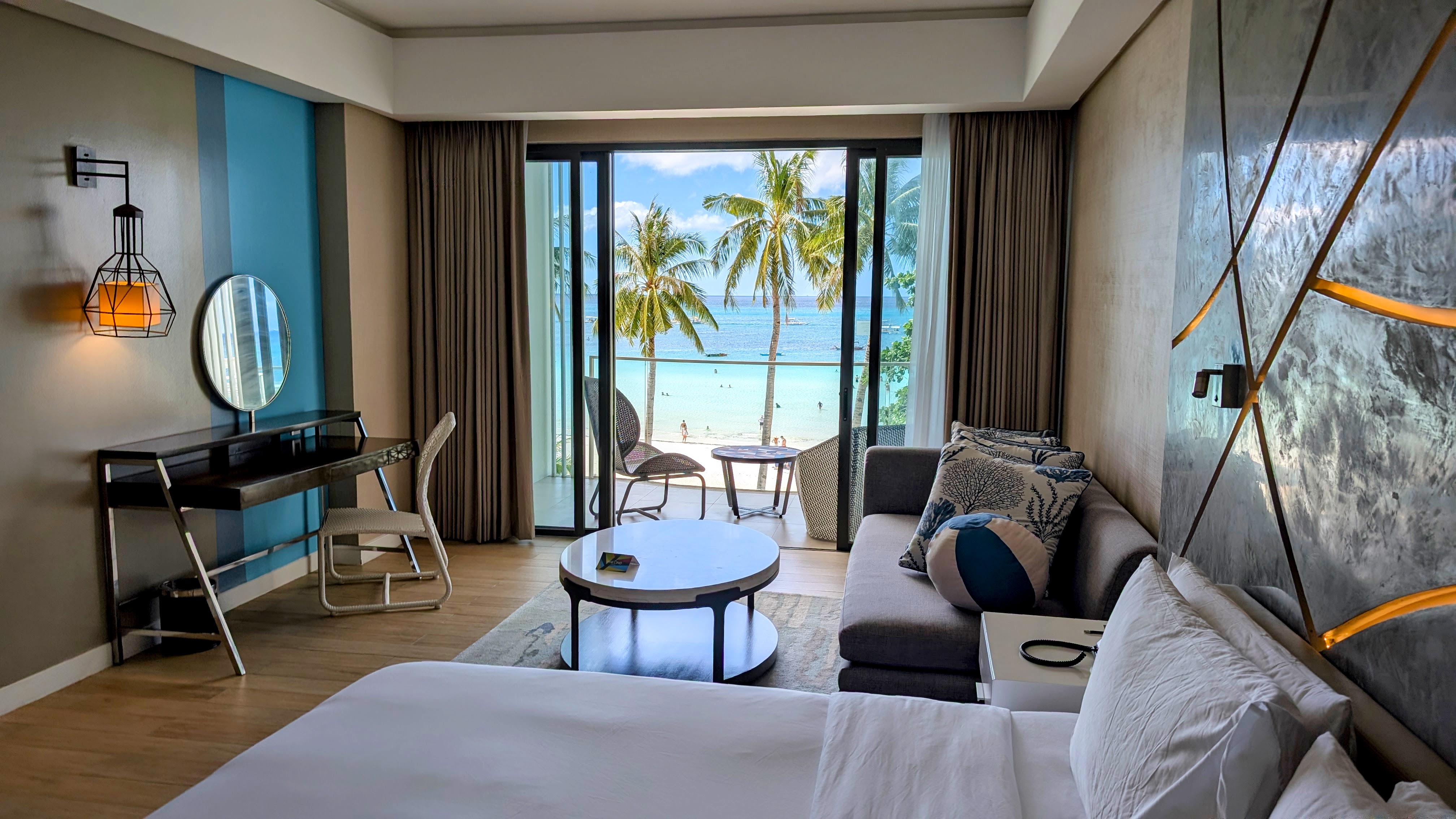
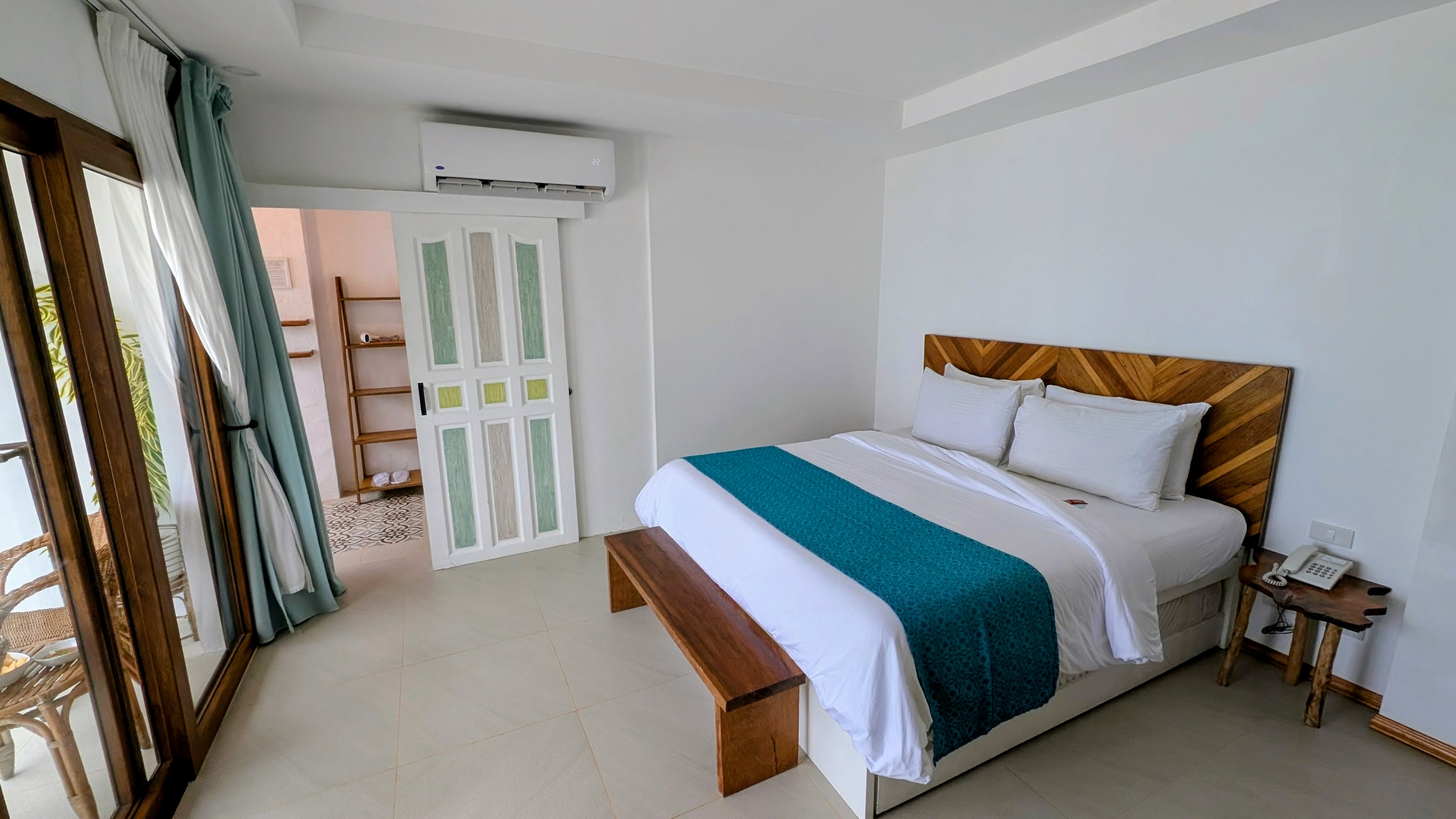
We stayed at a full-service beach resort and a smaller boutique hotel. You can check out our reviews here:
- Hotel Review: The Lind Boracay – A nice resort on Boracay’s White Beach!
- Hotel Review: Seaworthy Boracay – A small boutique hotel on the beach in Boracay!
The Verdict: First-time visitors will likely be happiest in Station 1 or on the border between Stations 1 and 2, where convenience and beach quality are both excellent.
Budget – Is Boracay Expensive?
Boracay is not the cheapest destination in the Philippines, but it still offers excellent value compared to many North American, European, or Caribbean beach destinations.
Accommodation ranges dramatically:
- Budget hostels and guesthouses.
- Mid-range boutique hotels.
- Luxury beachfront resorts.
Food prices are equally flexible. You can enjoy a simple local meal for very little or splurge on seafood dinners and sunset cocktails at beachfront restaurants. We were able to enjoy several meals, including drinks, for under $20 USD per person.
The Verdict: Boracay can fit almost any budget. While it is one of the more developed tourist destinations in the Philippines, it remains very affordable by international standards. We found accommodations much more expensive during the Christmas/New Year’s peak, but still not exorbitant when compared to places like Hawaii and Costa Rica.
Food – What Is the Food Like?
One of our favorite ways to experience a place is through its food: from its local offerings to places that make standout food, we take curating our “eatineraries” very seriously!
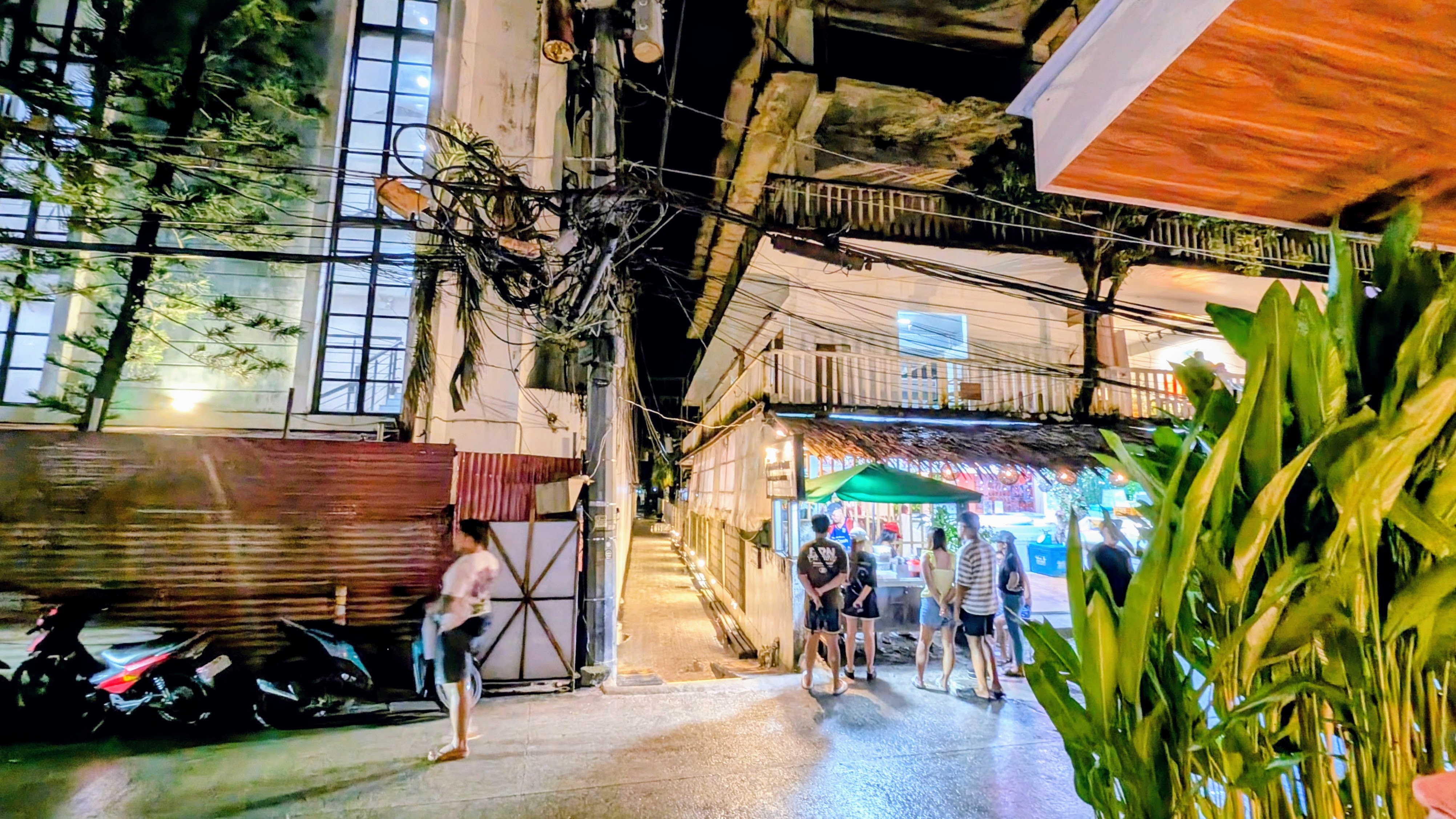
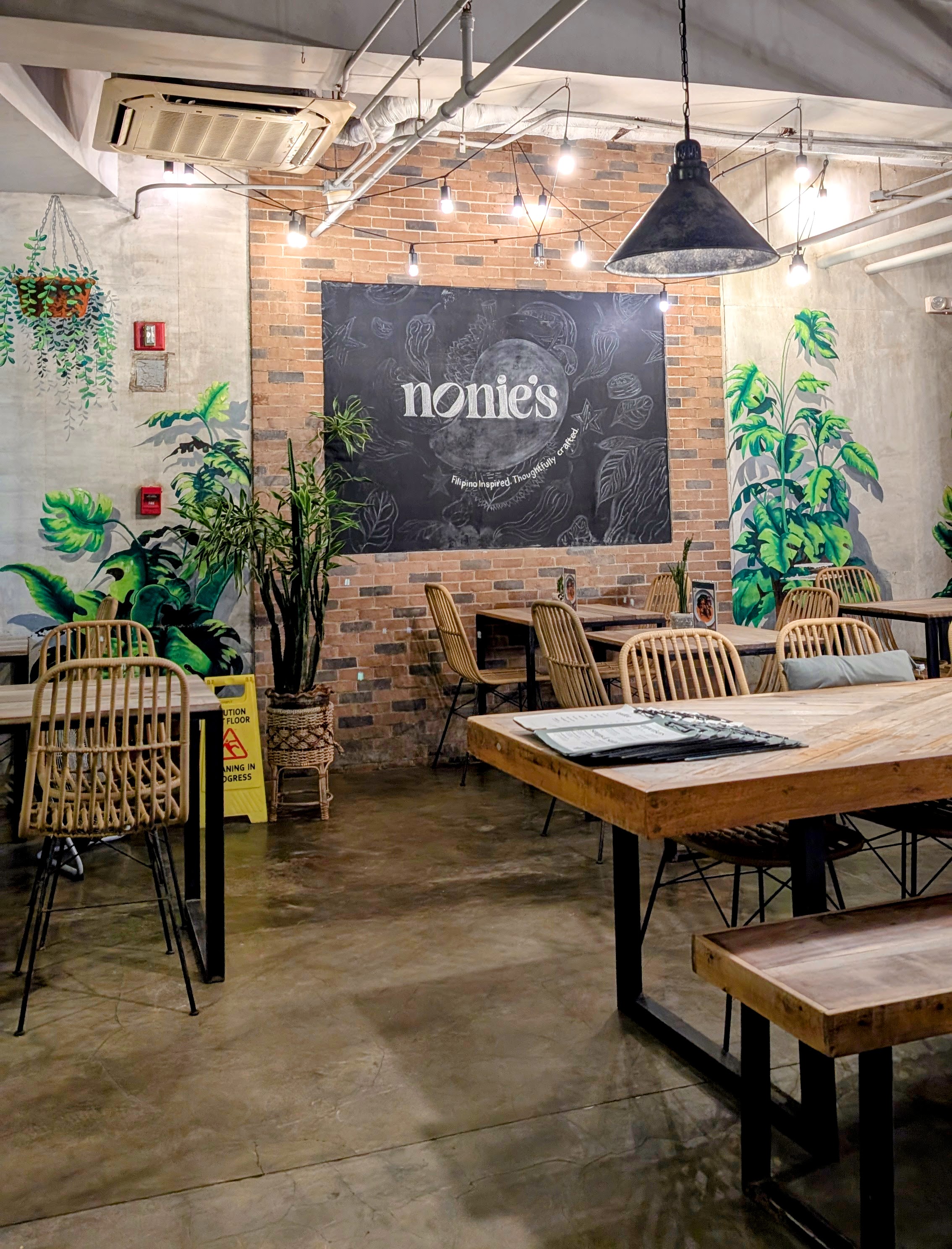
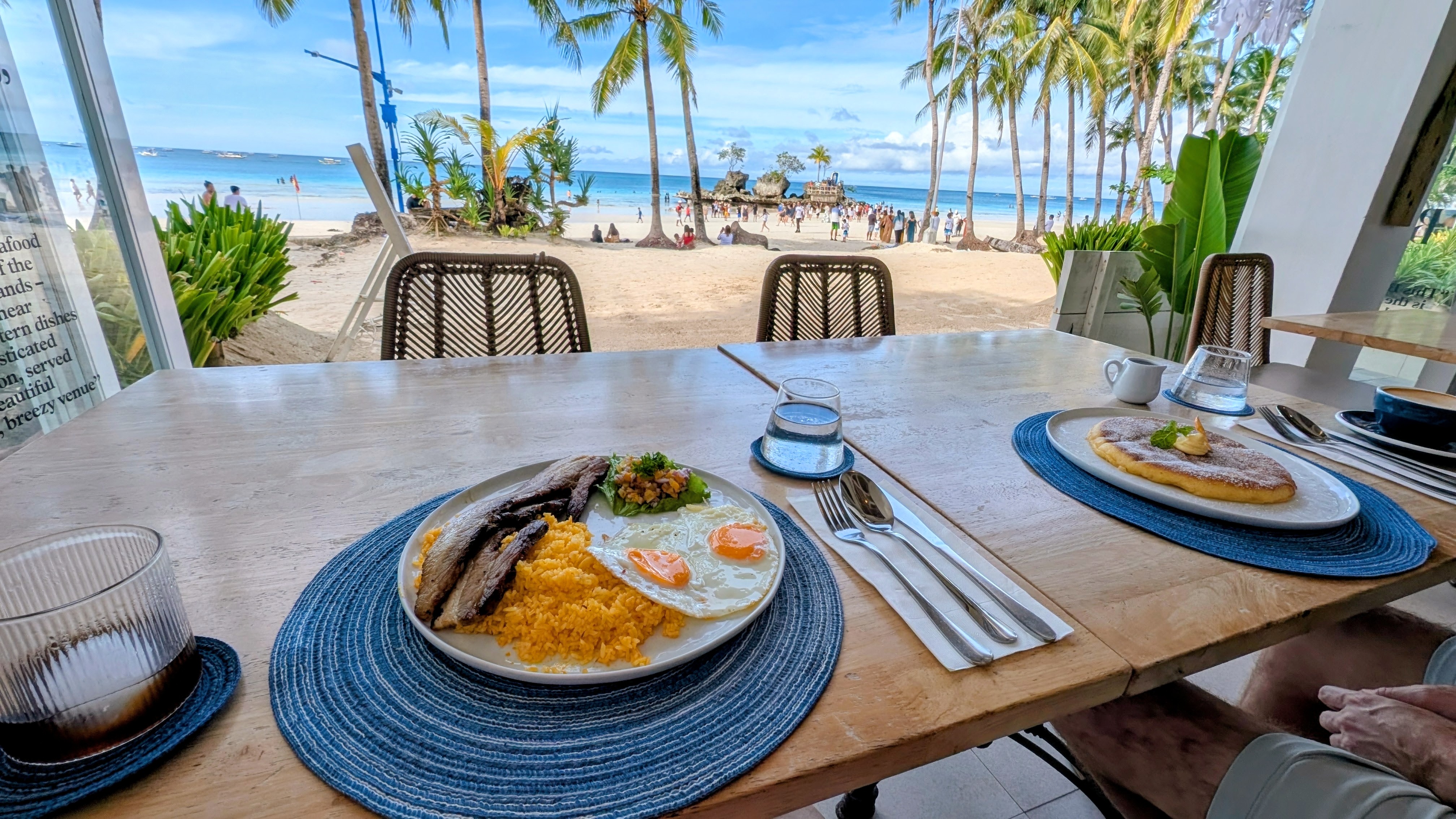
As a destination that attracts domestic and internation tourists, Boracay has a wide range of dining options and venues. You will find cheap, mid-range, to how end traditional and modern Filipino cuisine, restaurants specializing in fresh seafood, Italian and Mediterranean, cafes, dessert shops, American inspired food, night markets with street food, and much more.
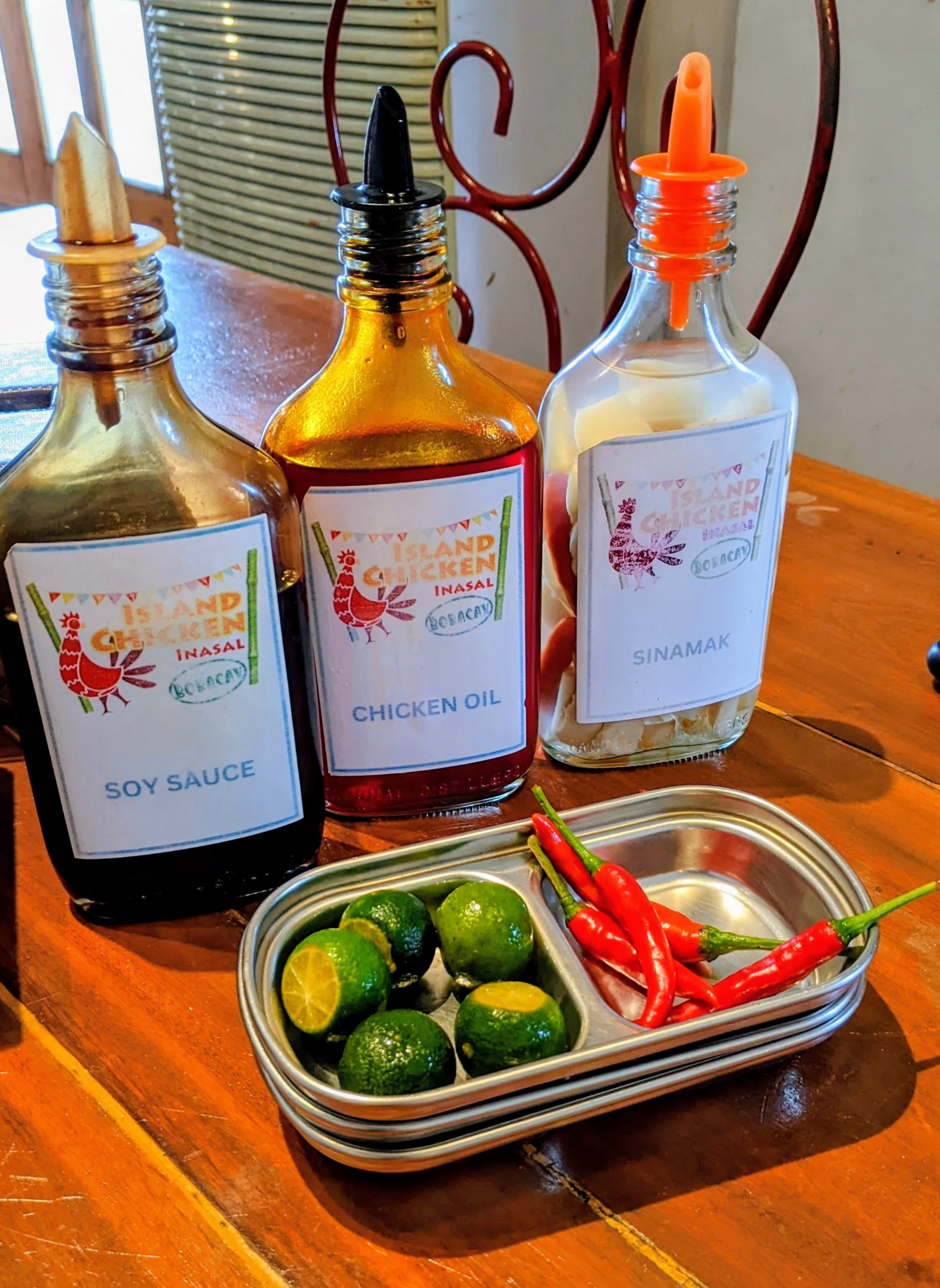
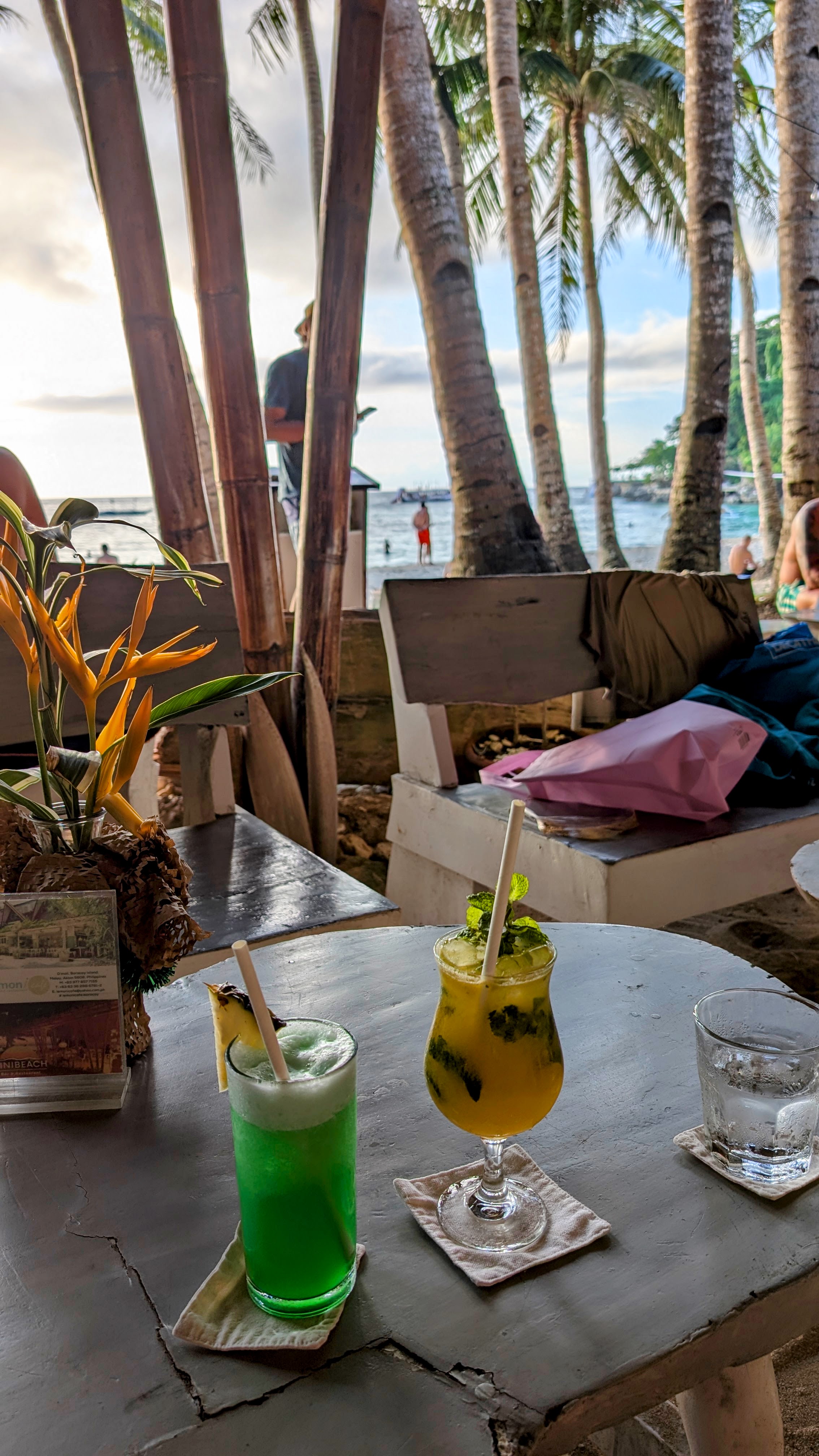
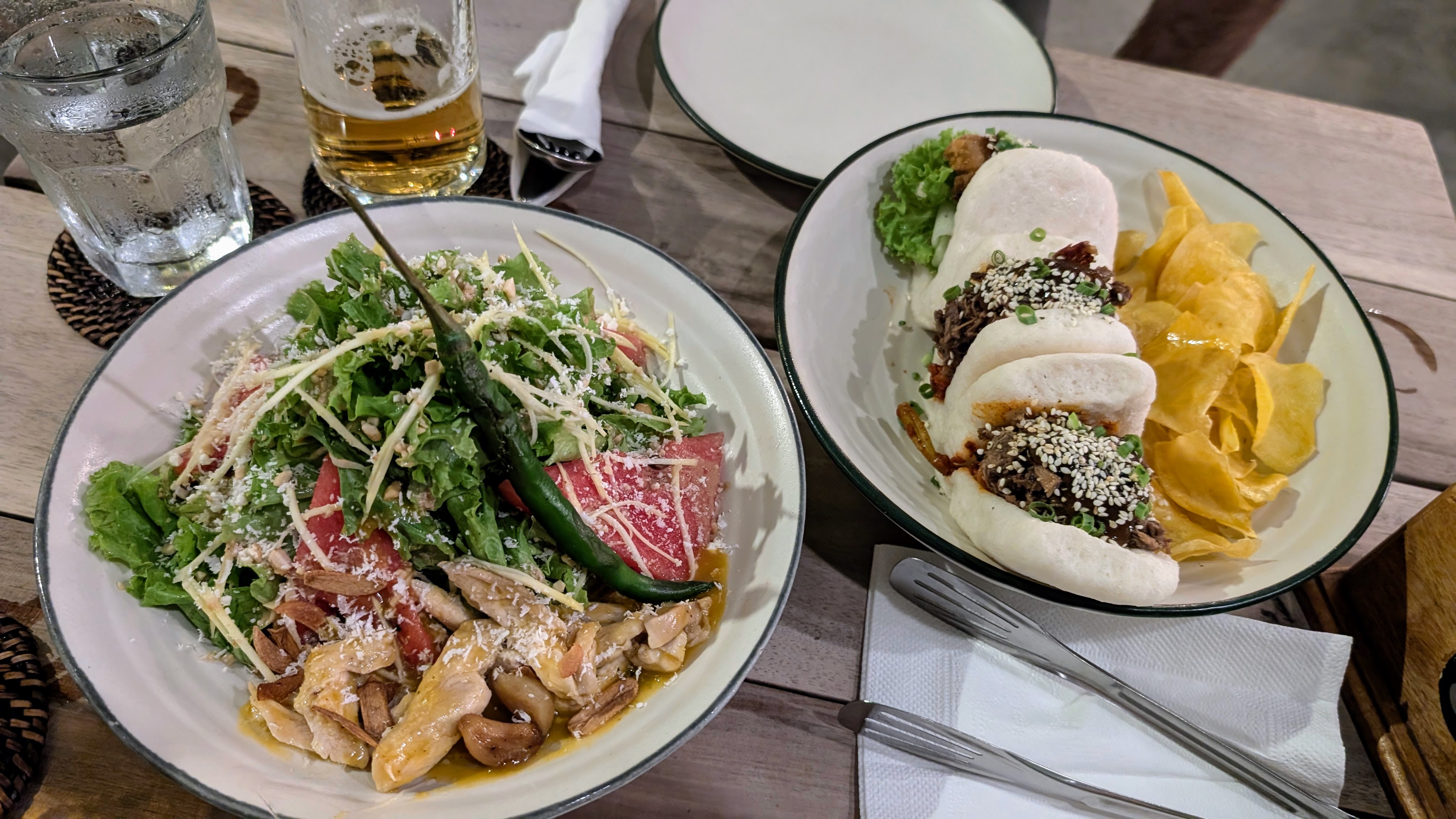
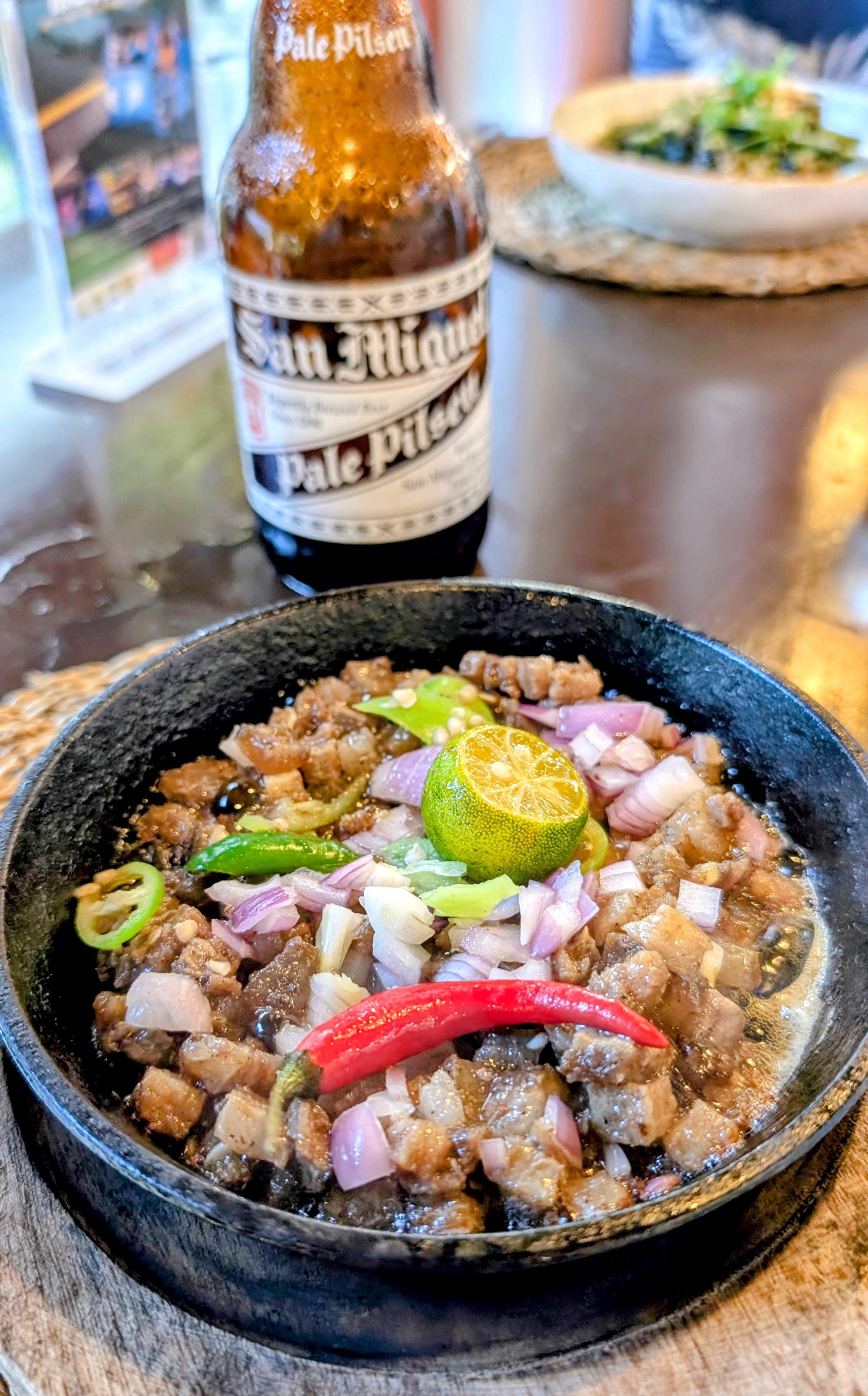
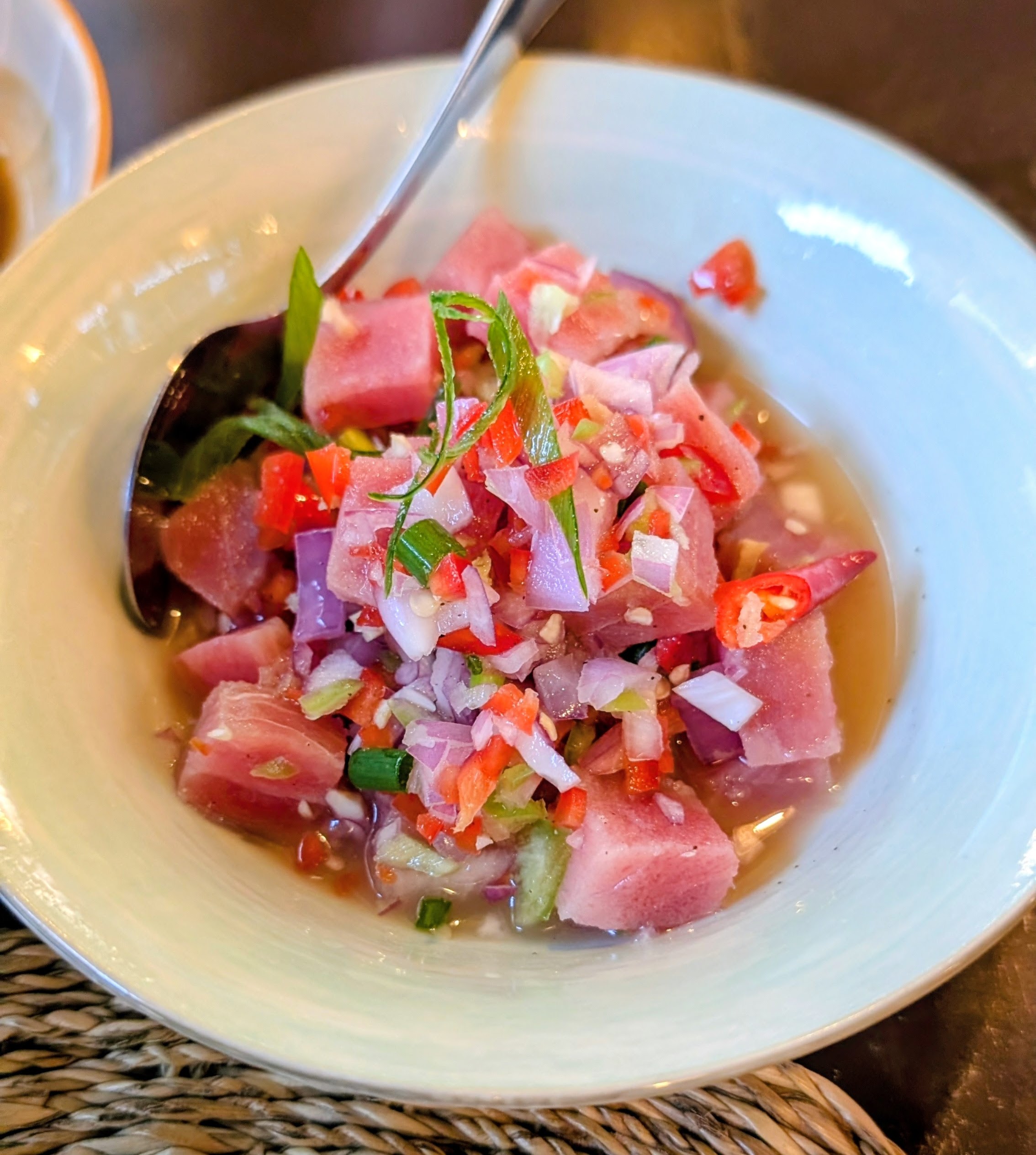
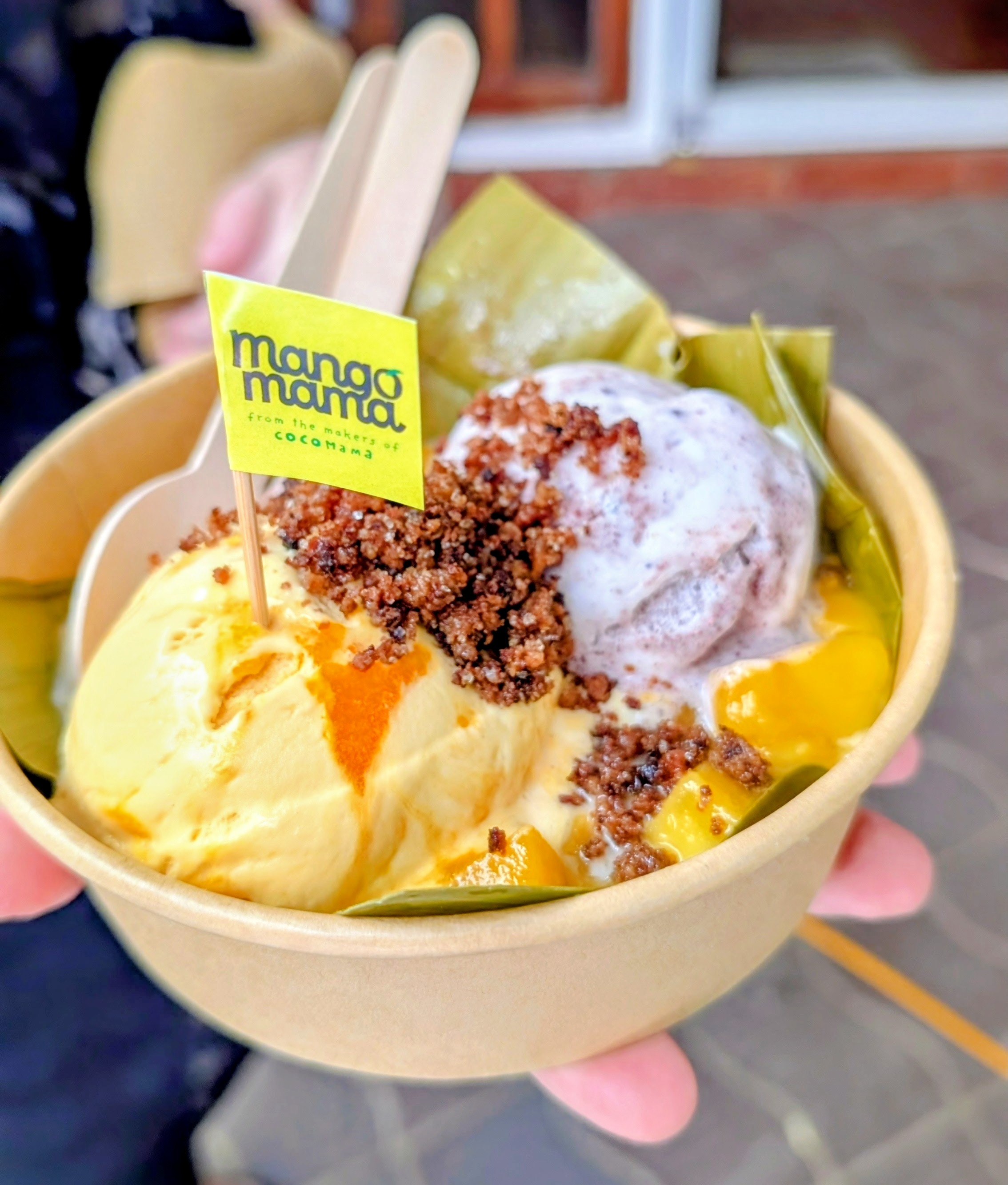
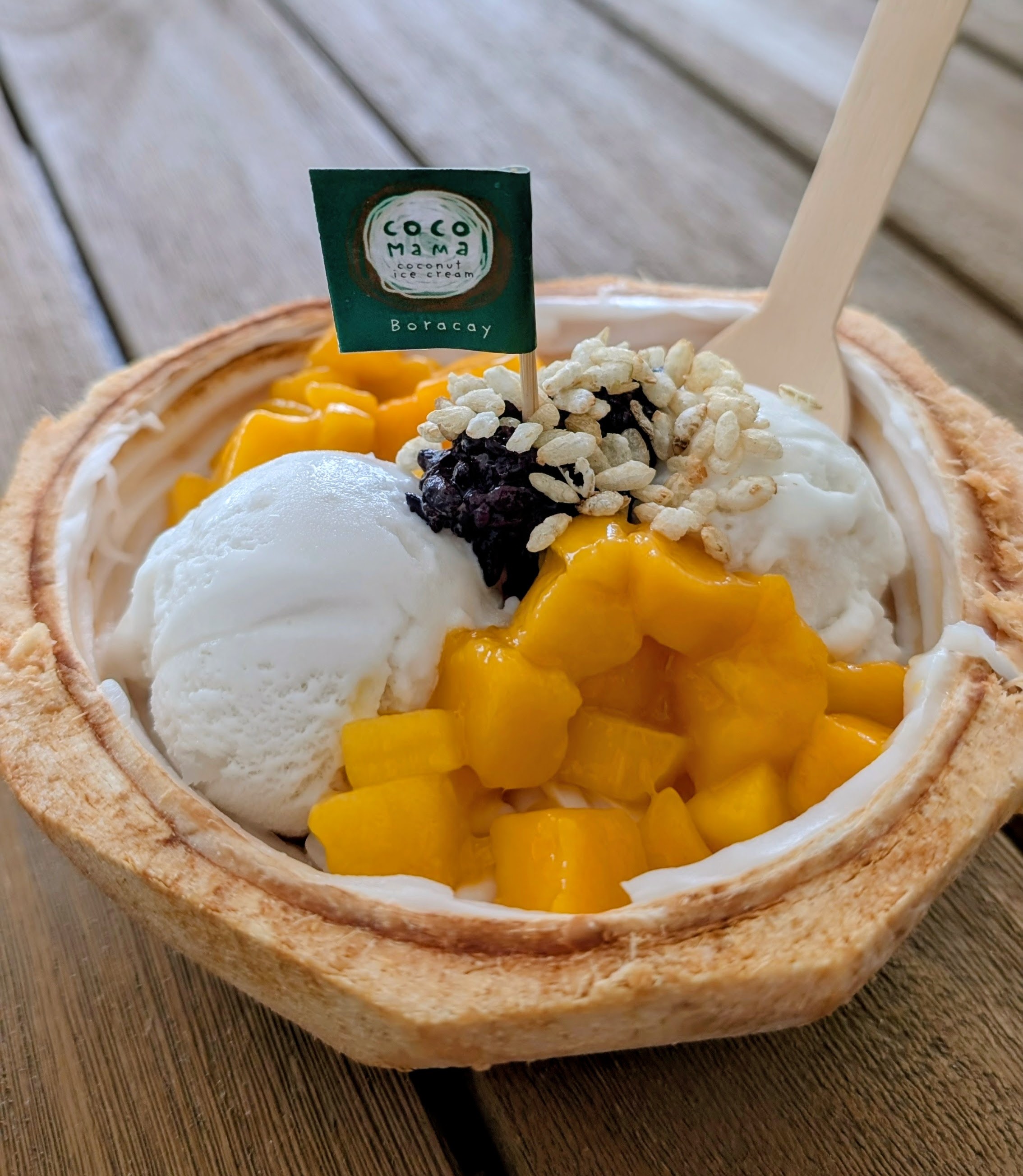
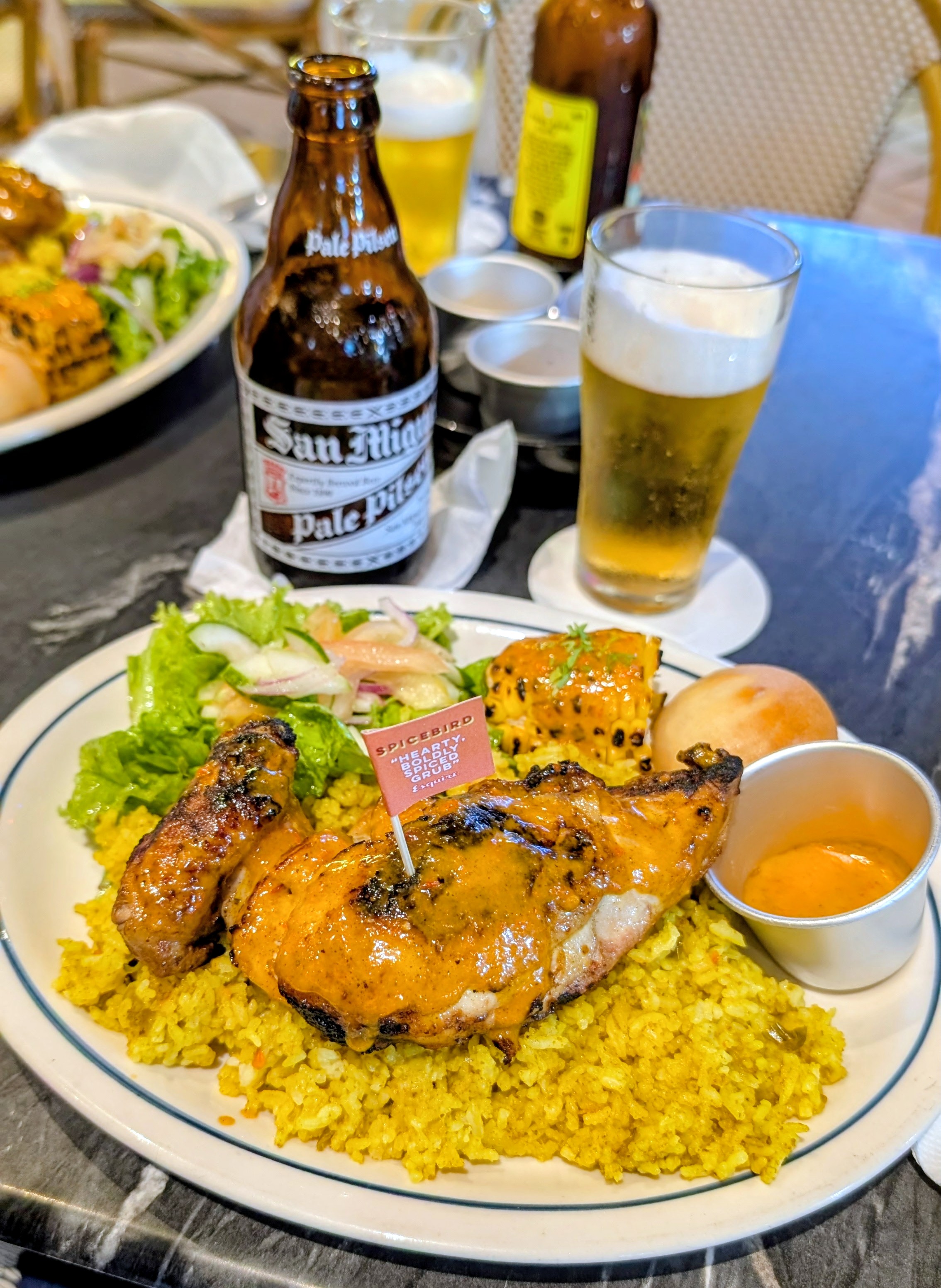
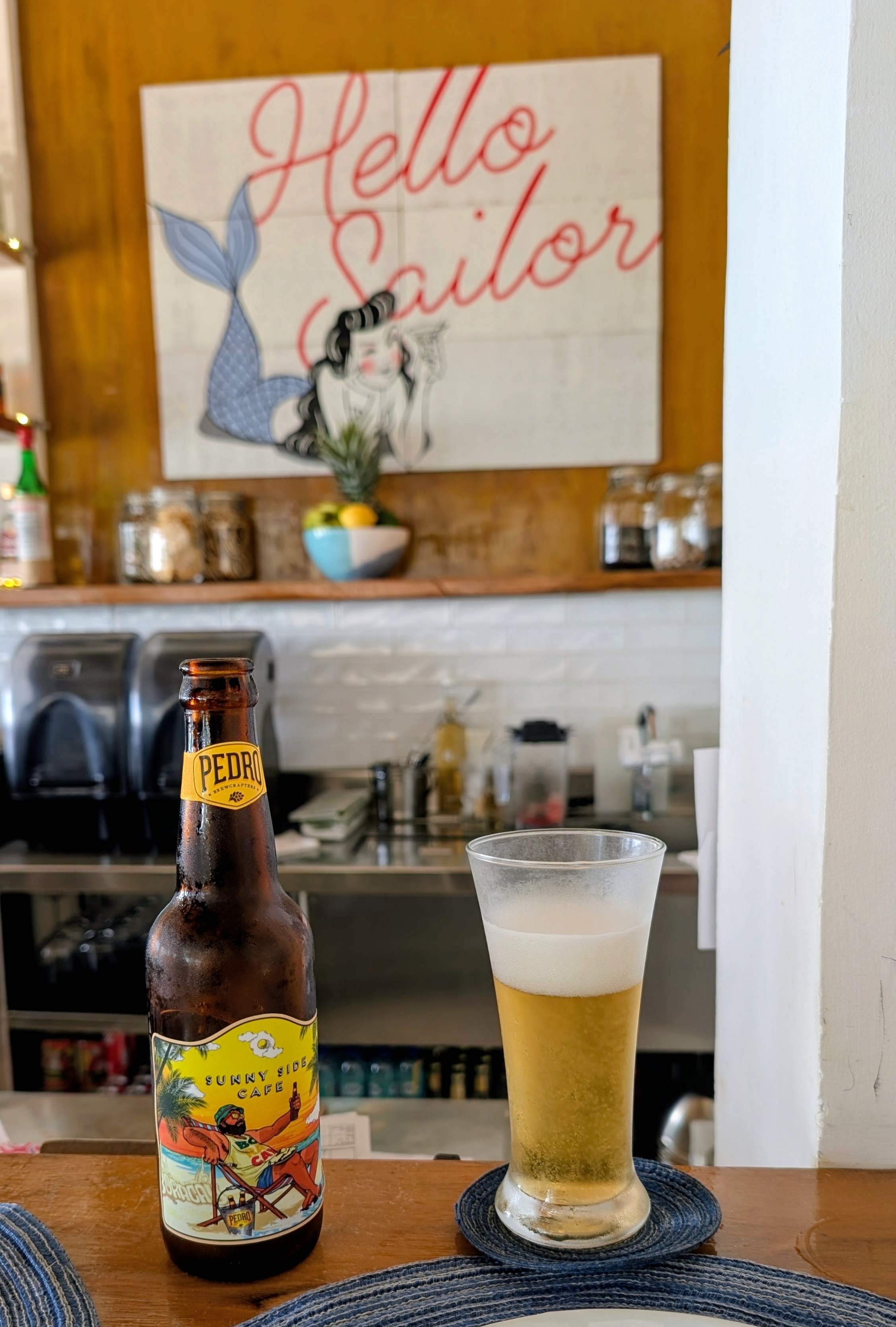
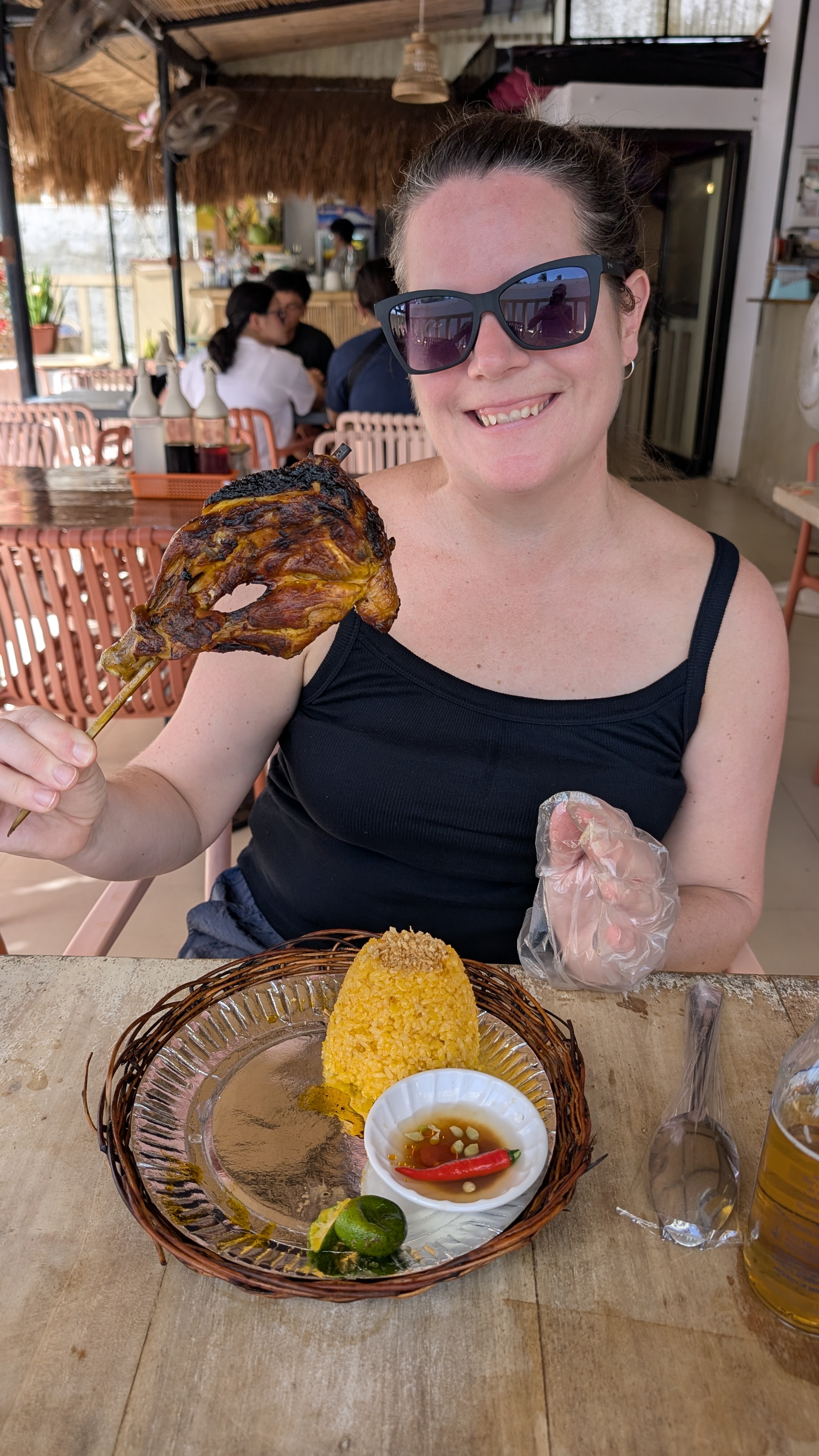
Our focus was on trying as many Filipino classics as possible and enjoyed chicken inasal, kinilaw, sisig, and adobo. We also made it our mission to try all the mamas: Mango Mama, Coco Mana, and Ube Mama. We also enjoyed a few happy hours: Bistro les Amis for cocktails and tuna tartar, Dini Beach for cocktails and snacks, drinks at Two Brown Boys, and wings and craft beer at Boracay Island Brewing Company.
The Verdict: We did enjoy many meals and drinks in Boracay, but the food scene was not as exciting as other places we’ve been to that have amazing food (Thailand, Vietnam, Mexico, Greece).



Things to Do – Is There More Than Just the Beach?
While many visitors come primarily for the beach, Boracay offers plenty of activities: sunset sailing excursions, snorkeling trips, island-hopping tours, parasailing, paddleboarding, scuba diving, ATV tours, Instagramming (…in the wild), sunset walks along White Beach, lots of live music, and more.
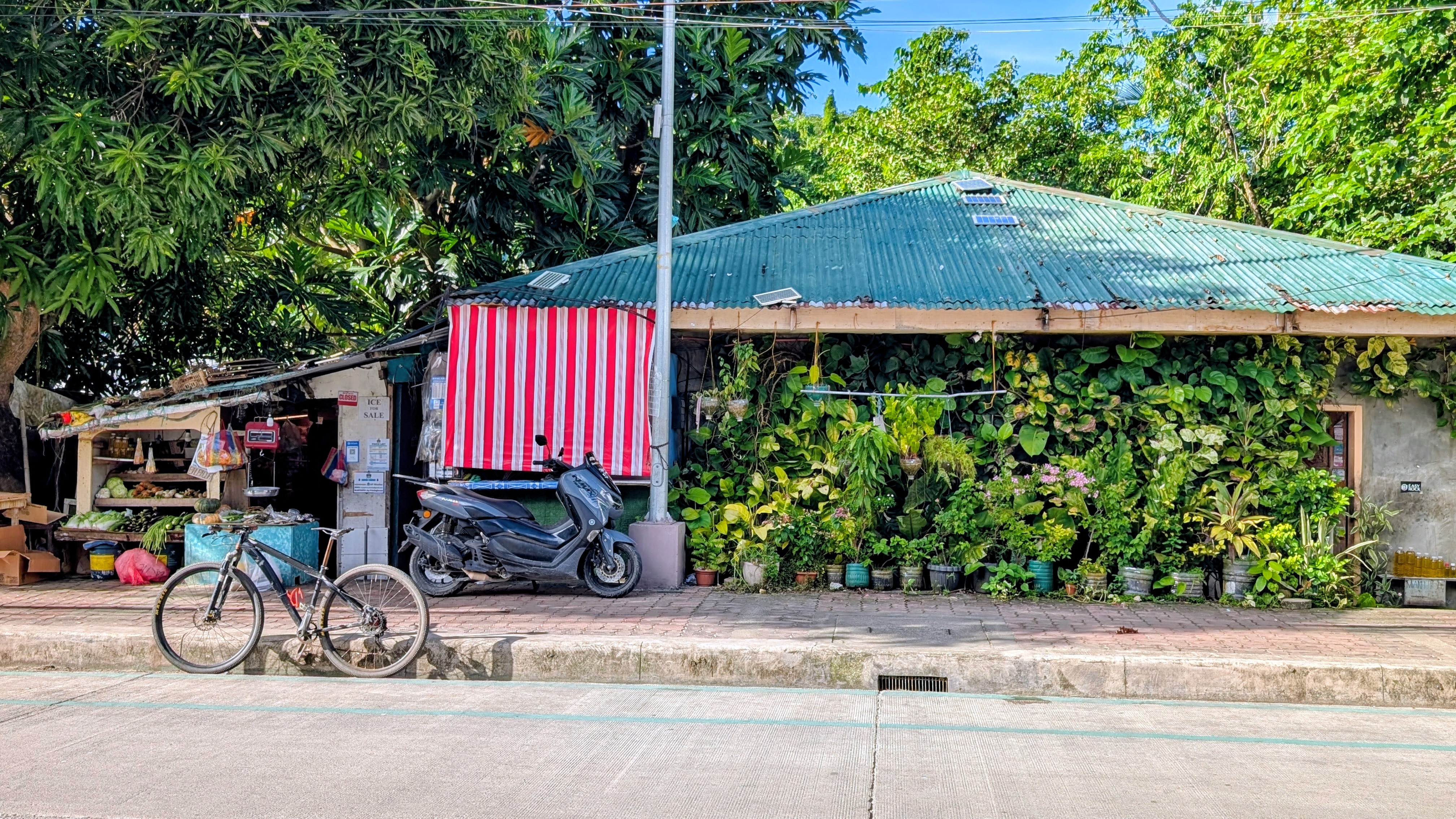
That said, one of Boracay’s greatest strengths is that it doesn’t require a packed itinerary. Some of our favourite moments involved simply spending hours in the water before wandering down the beach in search of lunch, dinner, or desert! It was also nice to walk outside of the main tourist areas to catch a glimpse of real life.
The Verdict: There is enough activity to keep you entertained, but Boracay’s greatest attraction remains doing absolutely nothing.
Getting Around – What Is Most Practical?
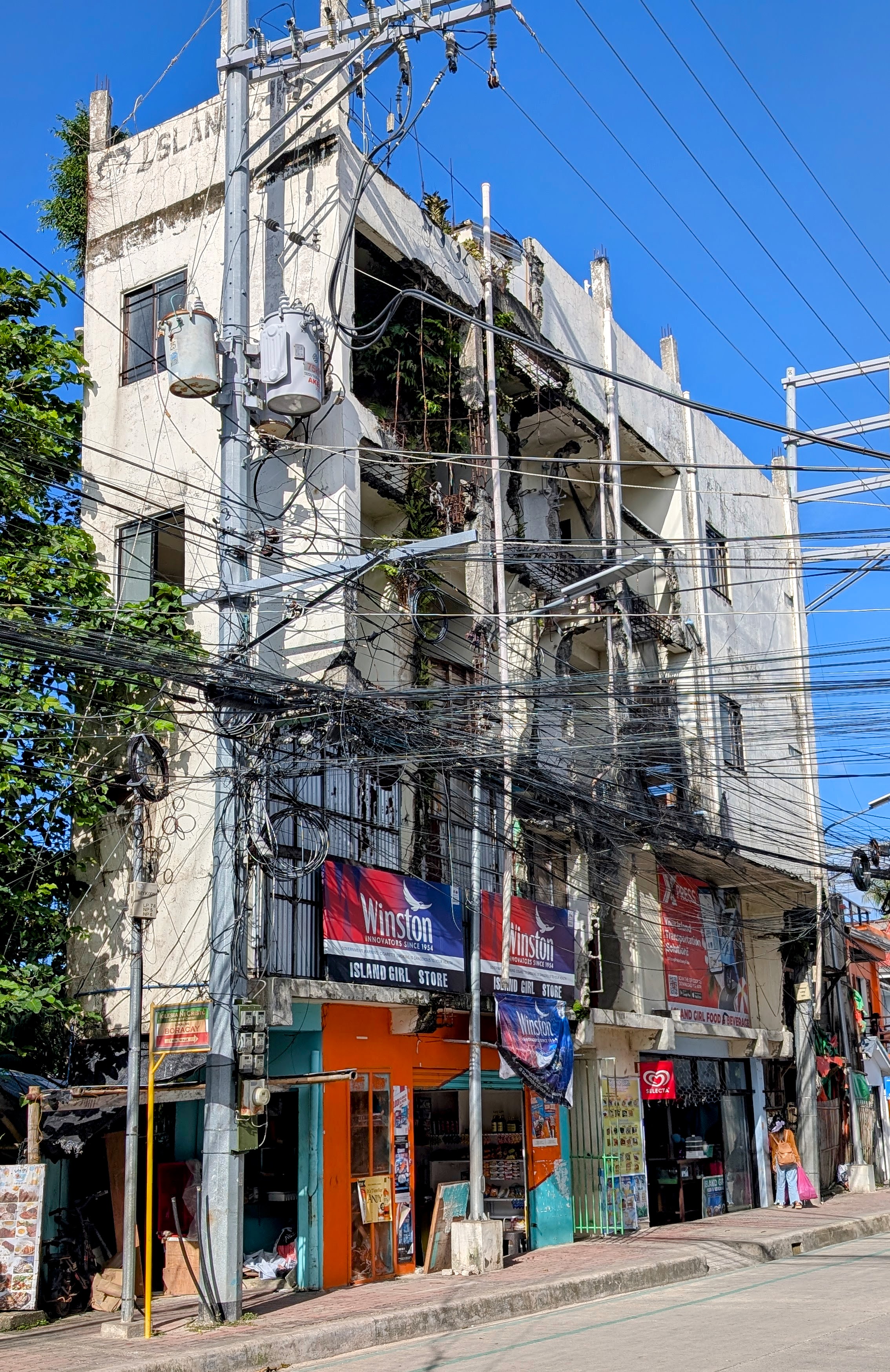
Compared to many other destinations in Southeast Asia, getting around Boracay is remarkably simple. Most places are within walking distance, and some areas are pedestrian-only. We regularly walked between Stations 1 and 3 and everywhere in between, both during the day and at night.
For longer distances and self-exploration, electric bicycles and e-trikes are plentiful and inexpensive. You can also hire taxis and tuk-tuks to get around or tour the island.
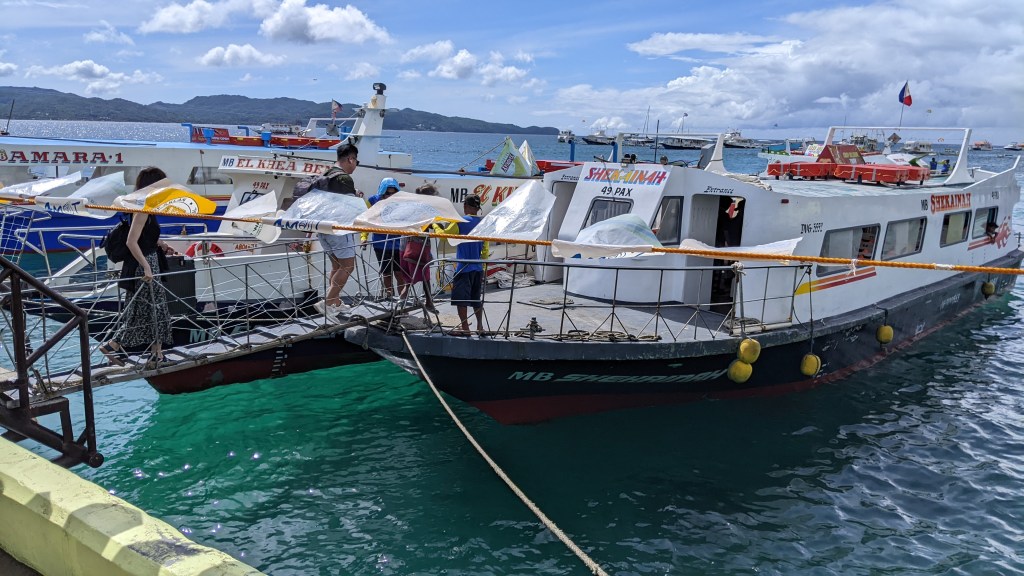
On arrival, our hotel arranged a private transfer. For our departure, we booked a shared transfer. While the shared option was a bit busier, the overall process was still straightforward. The only mildly challenging part was carrying our luggage onto the ferry via a narrow walkway that felt somewhat like boarding a pirate ship, but porters are readily available if needed.
Unlike other Philippine destinations where transportation can become a major part of your day, Boracay feels compact and easy to navigate.
The Verdict: One of the easiest destinations in the Philippines to explore without renting a vehicle or arranging complicated transportation.
Summary
Overall, we really enjoyed our time in Boracay, and it was the perfect introduction to our Philippines trip. Before arriving, we worried it might feel overly commercialized given its popularity. And yes, it was busy, especially during the Christmas holidays, but it never felt unmanageable.
The beach itself is genuinely spectacular. The dining scene is decent, the atmosphere is lively yet relaxed, and the island is incredibly easy to navigate. Some of our favourite moments were simply spent swimming in the warm ocean and wandering around in the sunshine.
Is Boracay the most adventurous destination in the Philippines? Probably not. In fact, some travellers may find it a little too polished. However, after spending time in places like El Nido and Port Barton, we found ourselves appreciating many of the conveniences that Boracay offers.
Is it the best beach destination in the Philippines for first-time visitors seeking an easy, relaxing tropical vacation? Quite possibly.
We were also impressed by the progress made since the island’s rehabilitation, particularly in balancing tourism infrastructure with efforts to keep Boracay clean and beautiful.
If we return to the Philippines, Boracay is a place we could easily see ourselves revisiting for a few days of sunshine, great swimming, and a slower pace of life.
Related Posts:
- The Practical Guide to Planning Your Philippines Vacation
- Beyond El Nido: Is Port Barton Palawan’s Next Unscripted Paradise?
- Hotel Review: Diwatu Villas El Nido – Funky eco-friendly pool villas in El Nido!
- Hotel Review: Maremegmeg Beach Club – A small boutique hotel on one of El Nido’s nicest beaches!
- Hotel Review: The Lind Boracay – A nice resort on Boracay’s White Beach!
- Hotel Review: Seaworthy Boracay – A small boutique hotel on the beach in Boracay!
- Hotel Review: Yumi Villas – one of The nicest places to stay in Port Barton!
- Hotel Review: Grand Hyatt Manila – Convenient location and excellent breakfast!


Leave a comment