
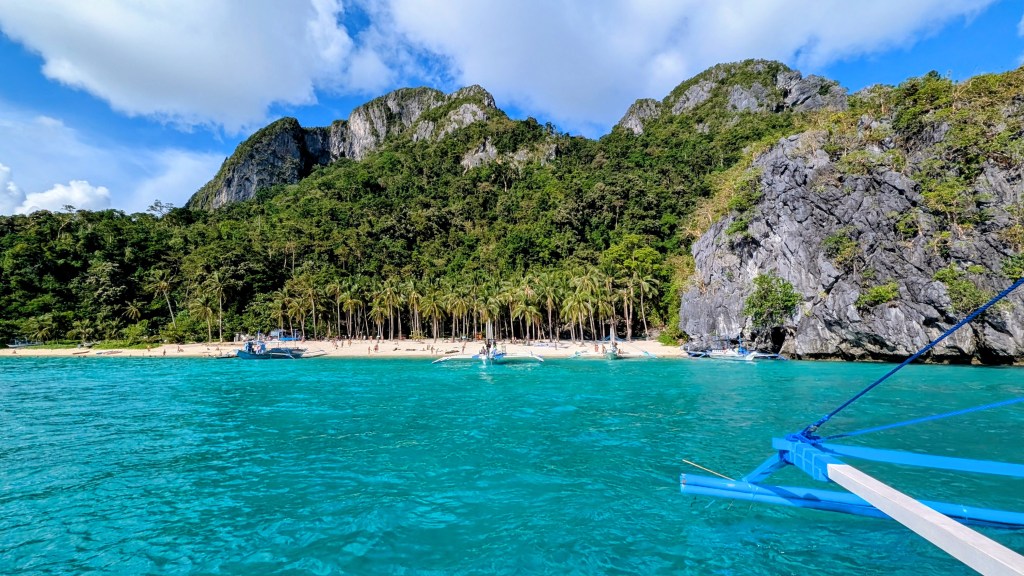
So, you’re considering a trip to the Philippines? It is an incredible choice. With over 7,600 islands, this archipelago offers magnificent beaches, world-class diving, and some of the most welcoming hospitality in the world. However, because it is a massive collection of islands, planning a trip here requires a bit more logistical foresight than traveling through other parts of Southeast Asia.
Having recently wrapped up a trip here over the Christmas and New Year period, we learned a great deal about how travel here works (…or doesn’t). Here is our honest, firsthand guide to figuring out where to go, how to plan your itinerary, what to pack, and what to expect from travel within the country.
Where to Go: Choosing the Right Destinations
The primary challenge when planning a trip to the Philippines isn’t finding beautiful places to see; it’s prioritizing your itinerary so you don’t spend your entire vacation in transit. Depending on your travel style, here is how the main regions break down:
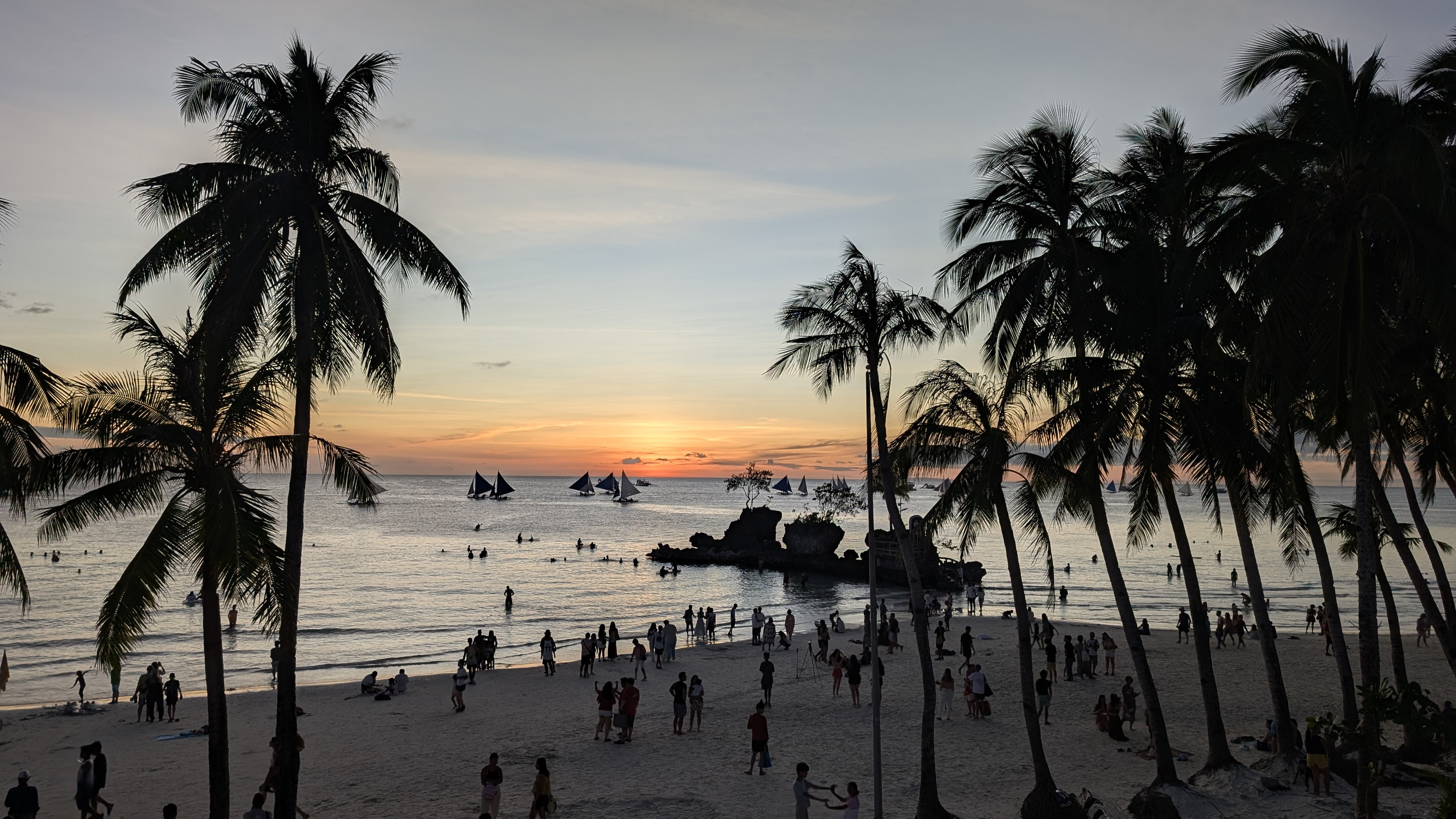
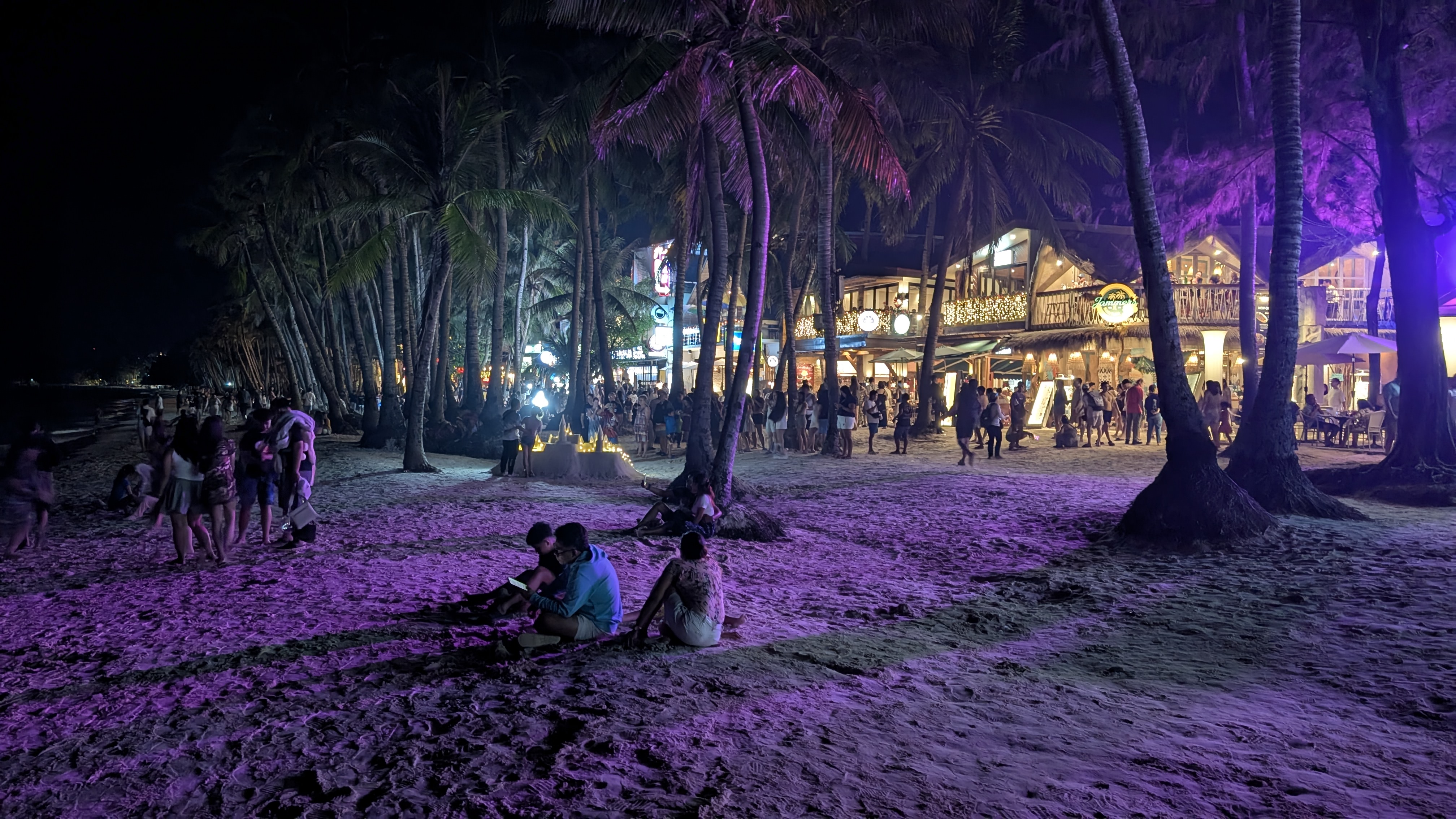
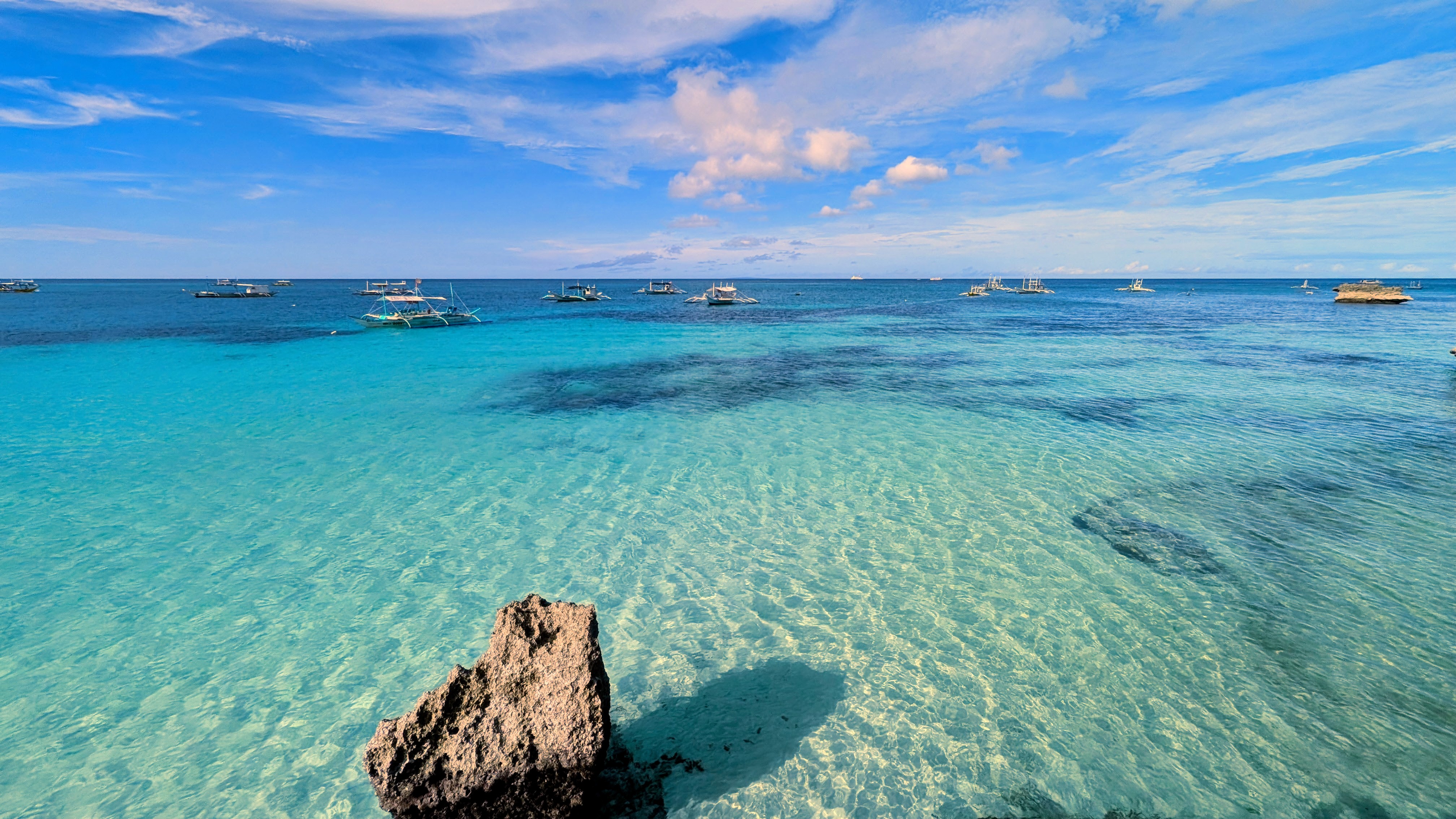
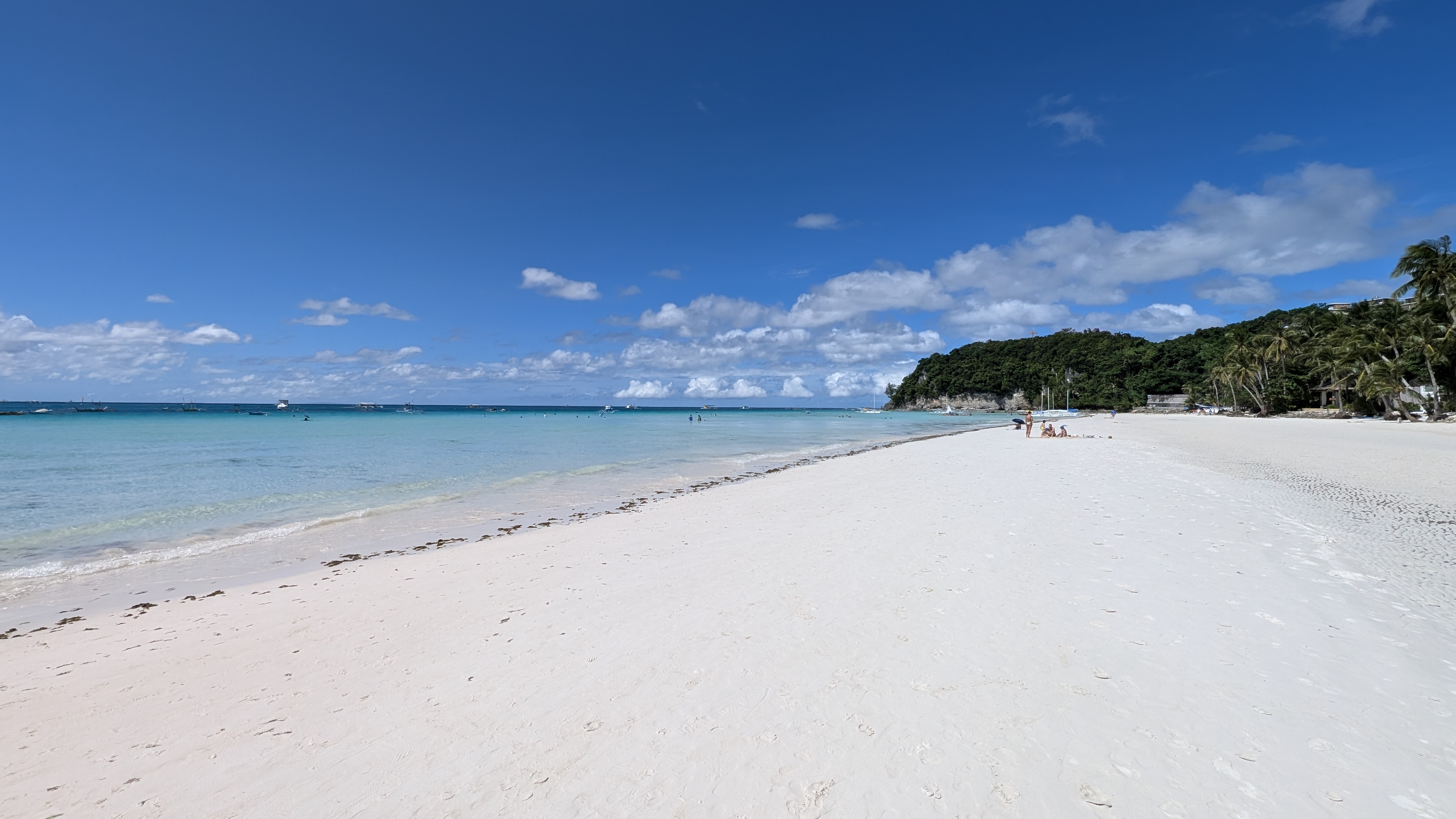
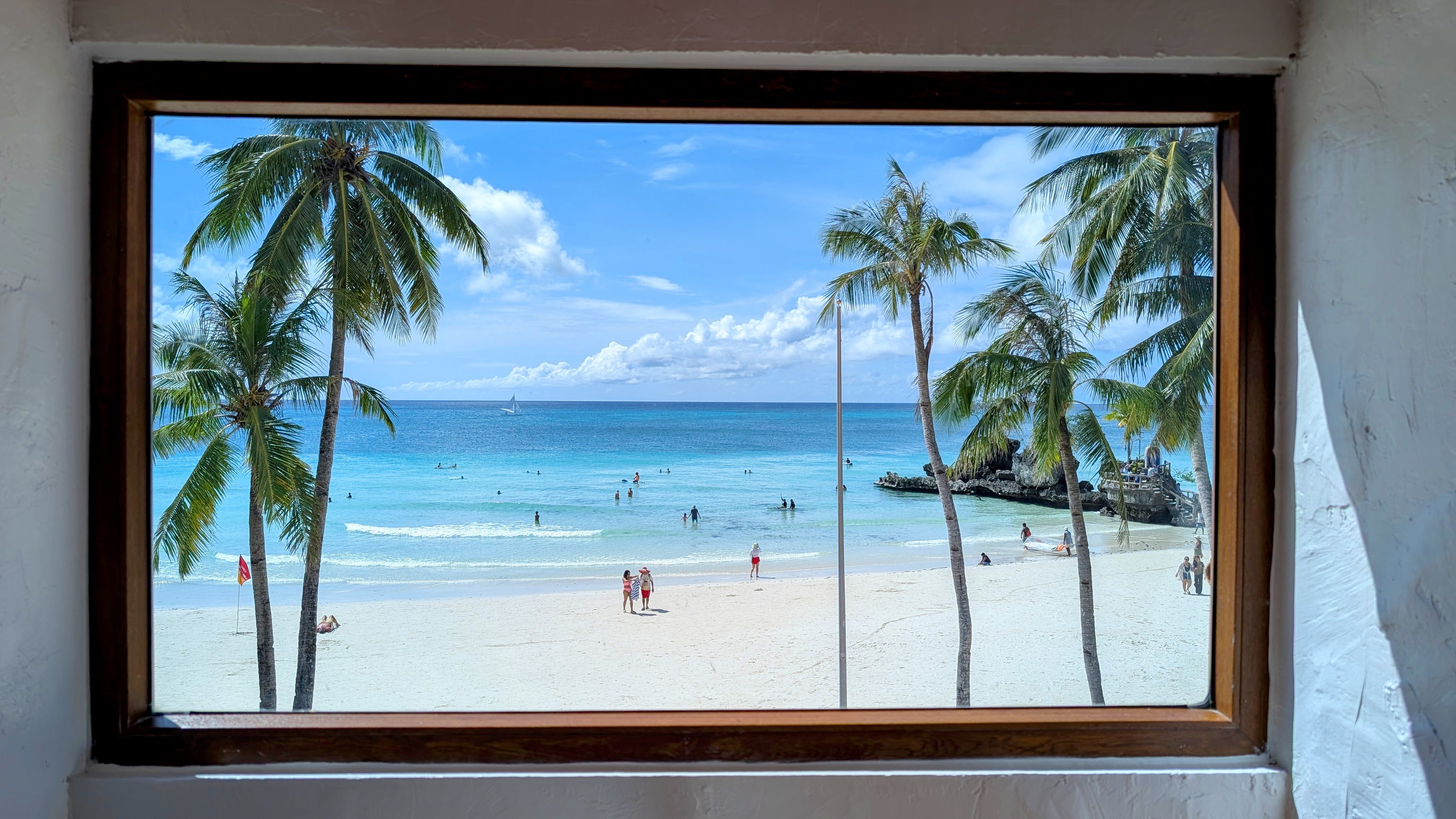
- For a Classic Beach Vacation: Boracay is the premier choice. The powder white sand is pristine, the water is exceptionally calm, and the island pairs a vibrant dining and nightlife scene with a relaxed, family-friendly atmosphere.
- For Island-Hopping, Diving, and More: Head directly to the island province of Palawan. El Nido and Coron offer breathtaking limestone formations, hidden lagoons, and world-class diving. A popular travel option is a 3-to-5-days/nights sailing tour with overnight camping on small islands, offered by Keeloma Expeditions and Tao Expeditions. If you prefer a slower, quieter coastal town on the same island, consider taking a 3.5-hour van transfer to Port Barton or San Vicente. While in Palawan, you can also visit the Puerto Princesa Subterranean River.
- For Surfing & Coastal Scenery: Siargao is the country’s surfing capital, known for its laid-back coastal community and beautiful natural landscapes.
- For Nature Treks & Cultural Heritage: If you want to explore inland, head to Bohol to see the famous Chocolate Hills, the Bicol region to tour the volcanic trails of Mayon Volcano, or the mountains of North Luzon to hike the 2,000-year-old Banaue Rice Terraces.
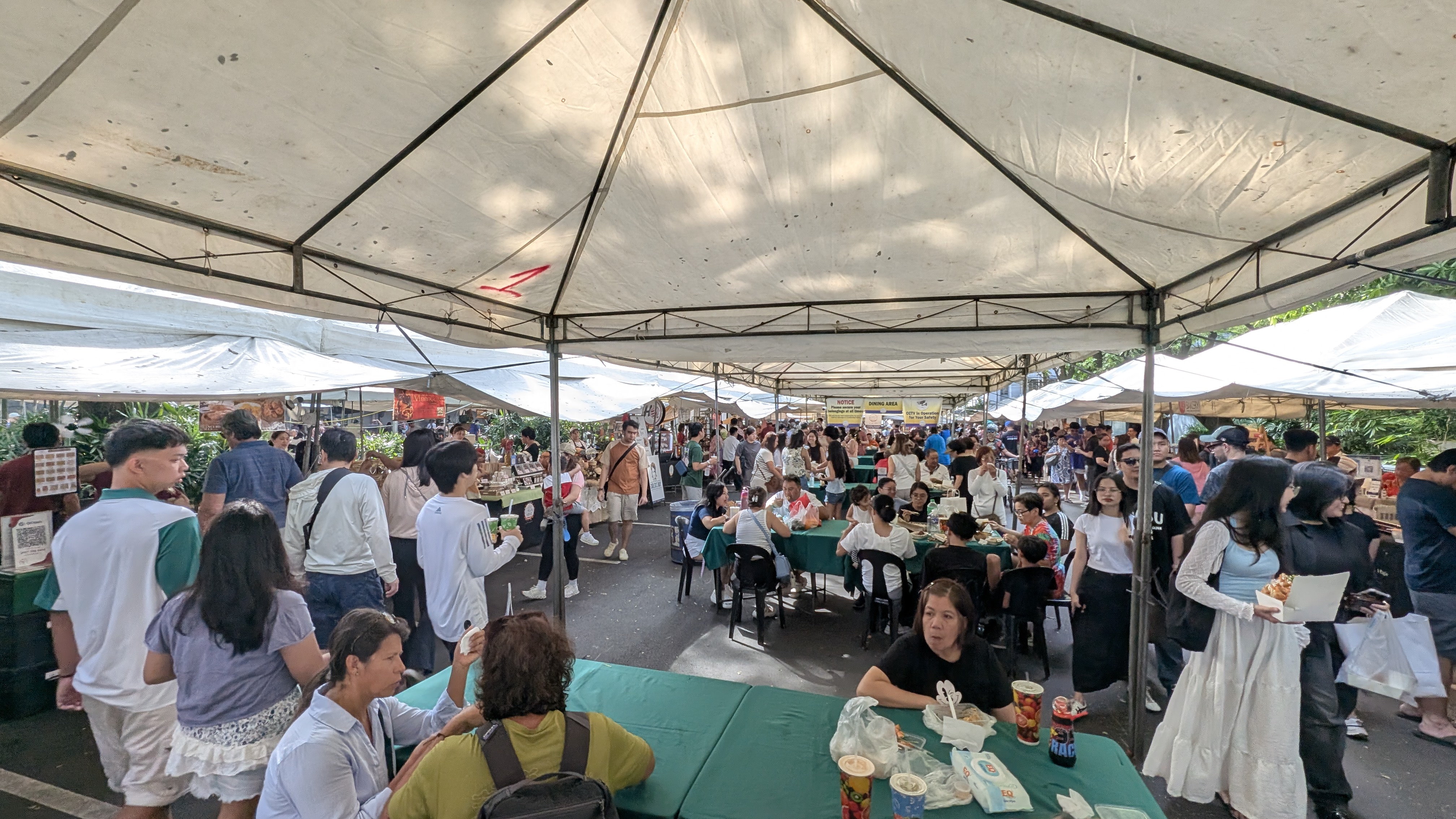
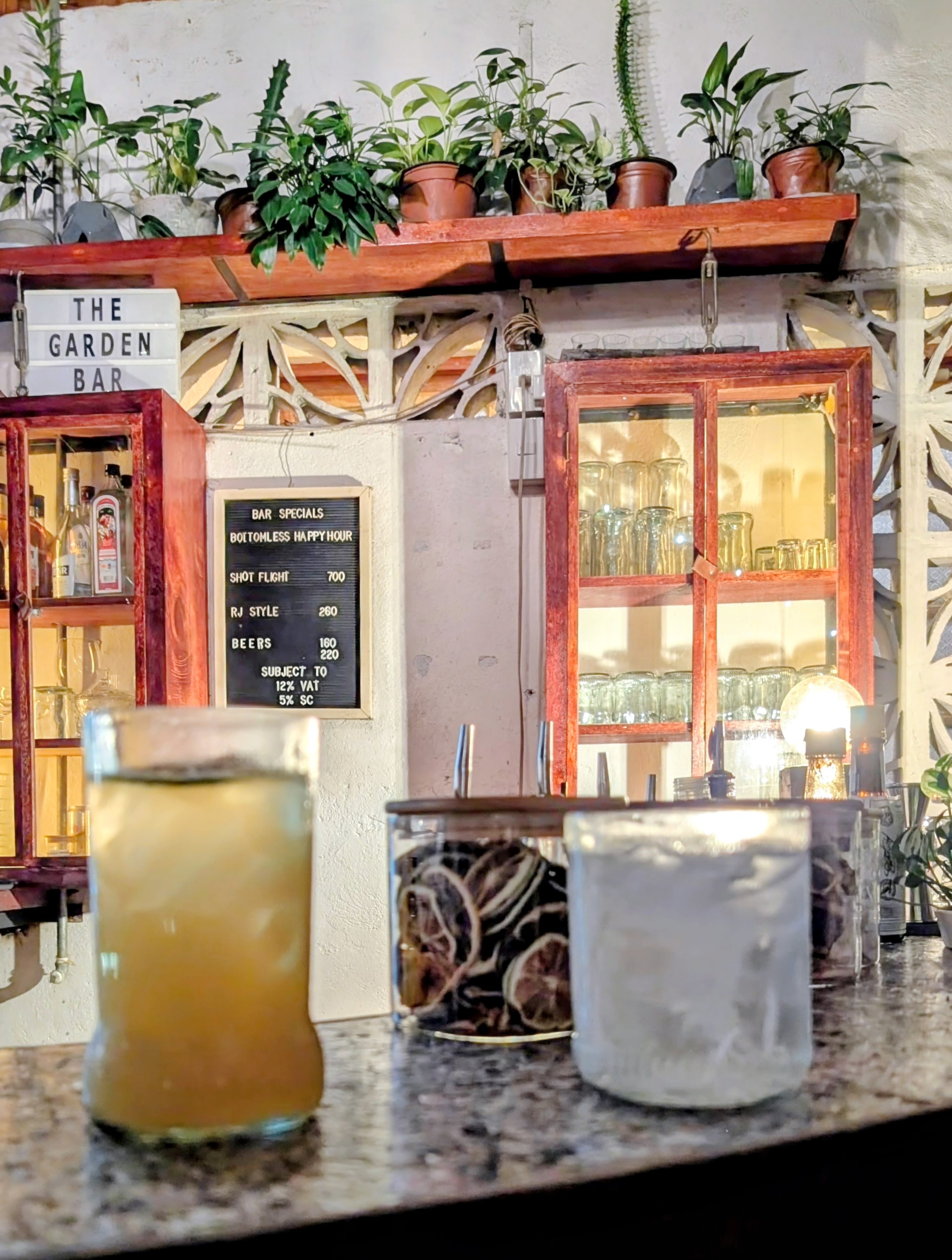
- For a City Stopover: You’ll likely fly into Manila. Spend a day or two exploring Makati’s modern district, the Legazpi Farmer’s Market on Sundays from 07:30-14:00 (…make sure to arrive early, if you want to try some lechon, as it sells out fast!), the trendy Poblacion neighborhood, Binondo, the world’s oldest Chinatown, and history buffs will want to check out Intramuros for some incredible 16th-century Spanish colonial history.
Because the Philippines is an archipelago and regional travel takes time, a minimum of 14 days is highly recommended to get the most out of your trip. If you have less time, you can certainly have a wonderful week relaxing exclusively on a single island like Boracay, but it is a very long journey from North America for a short stay.
Our itinerary was structured as follows:
- Boracay: Our 5 days were ideal for unwinding at the start and orienting ourselves.
- El Nido: We spent 6 days split into two 3 day stays and stayed in 2 different areas as part of a 9 day Palawan itinerary.
- Port Barton: Our 3 days here offered a wonderful, slower pace in between the first 3 days in El Nido.
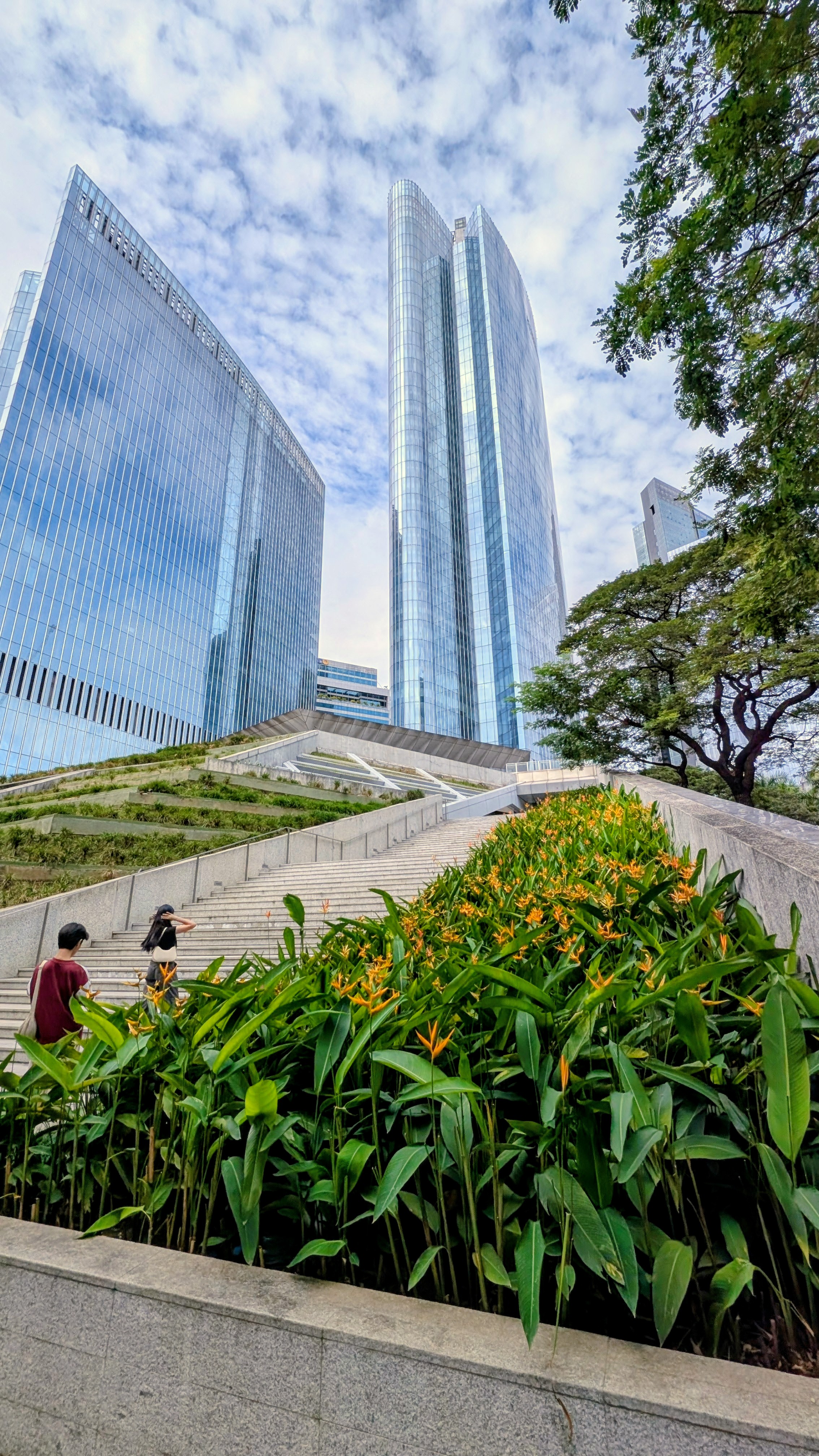
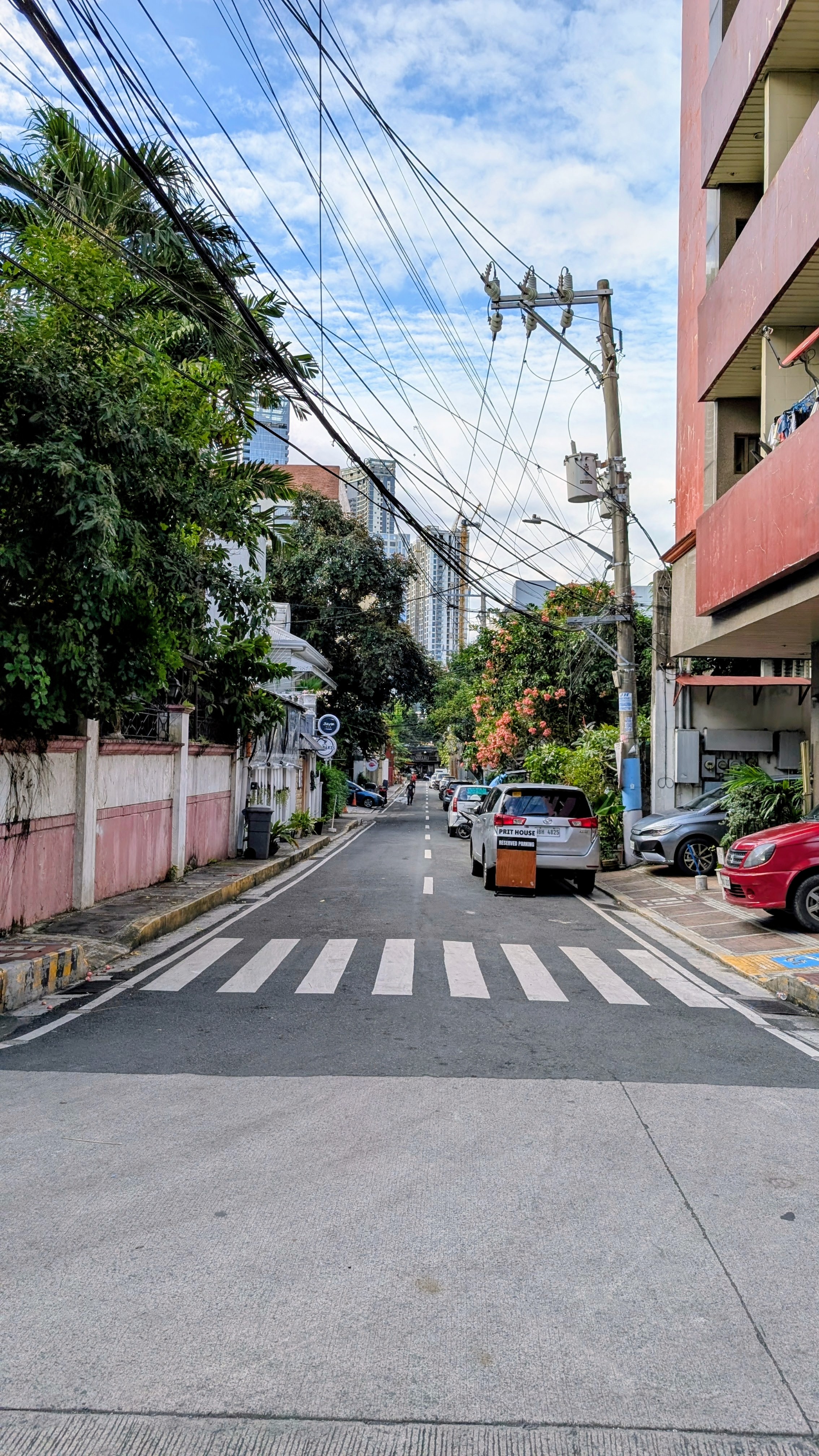
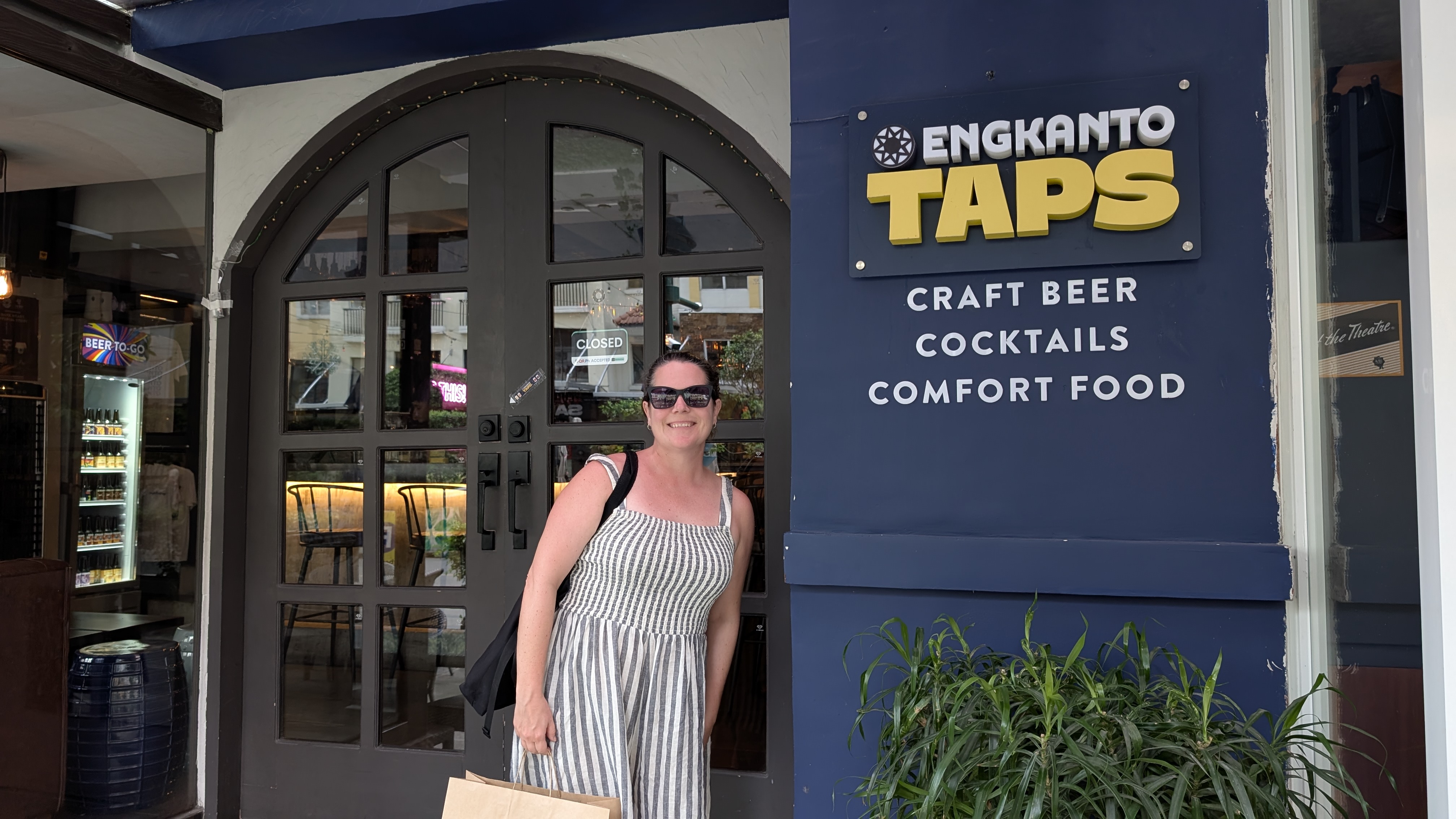
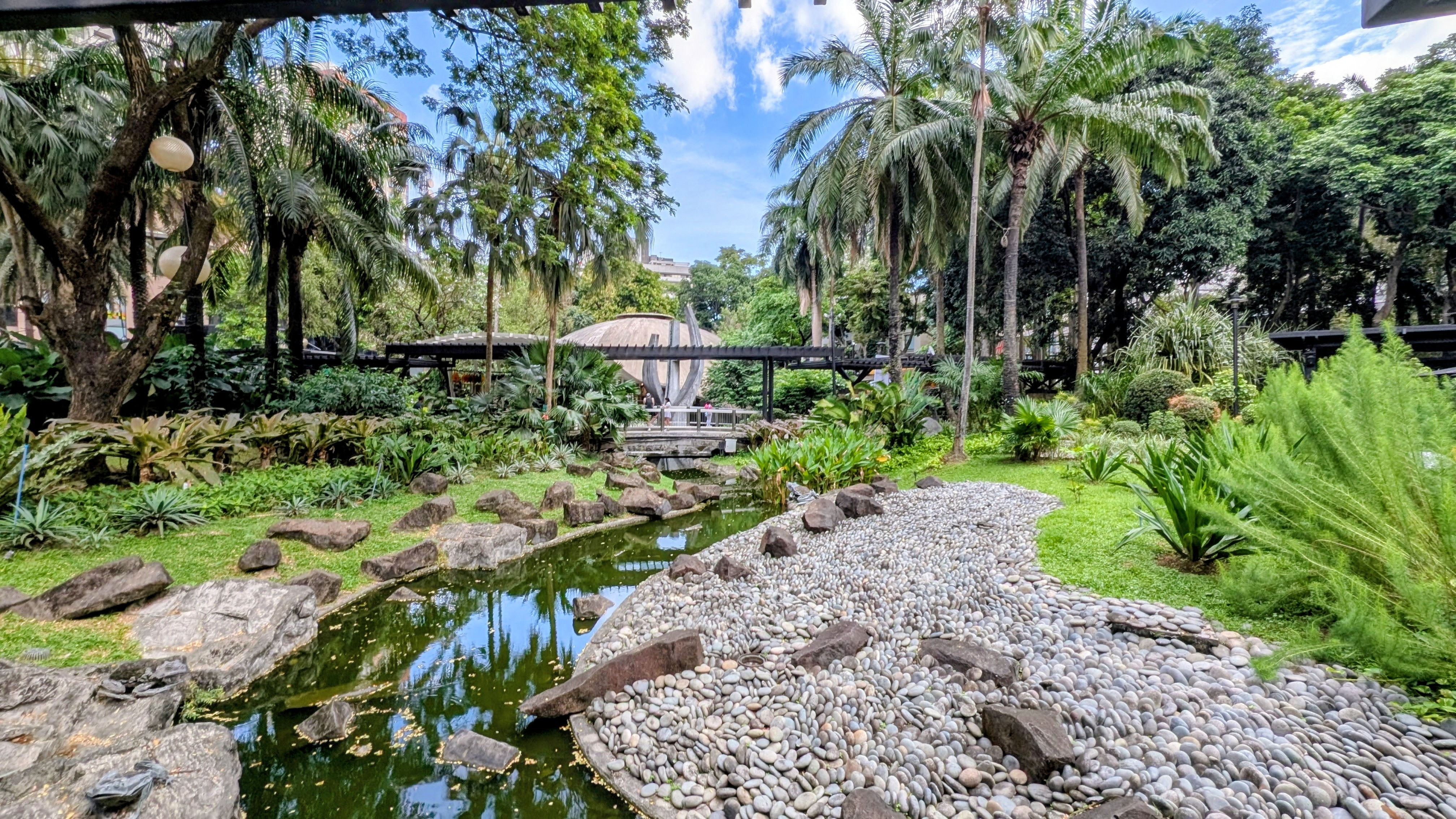
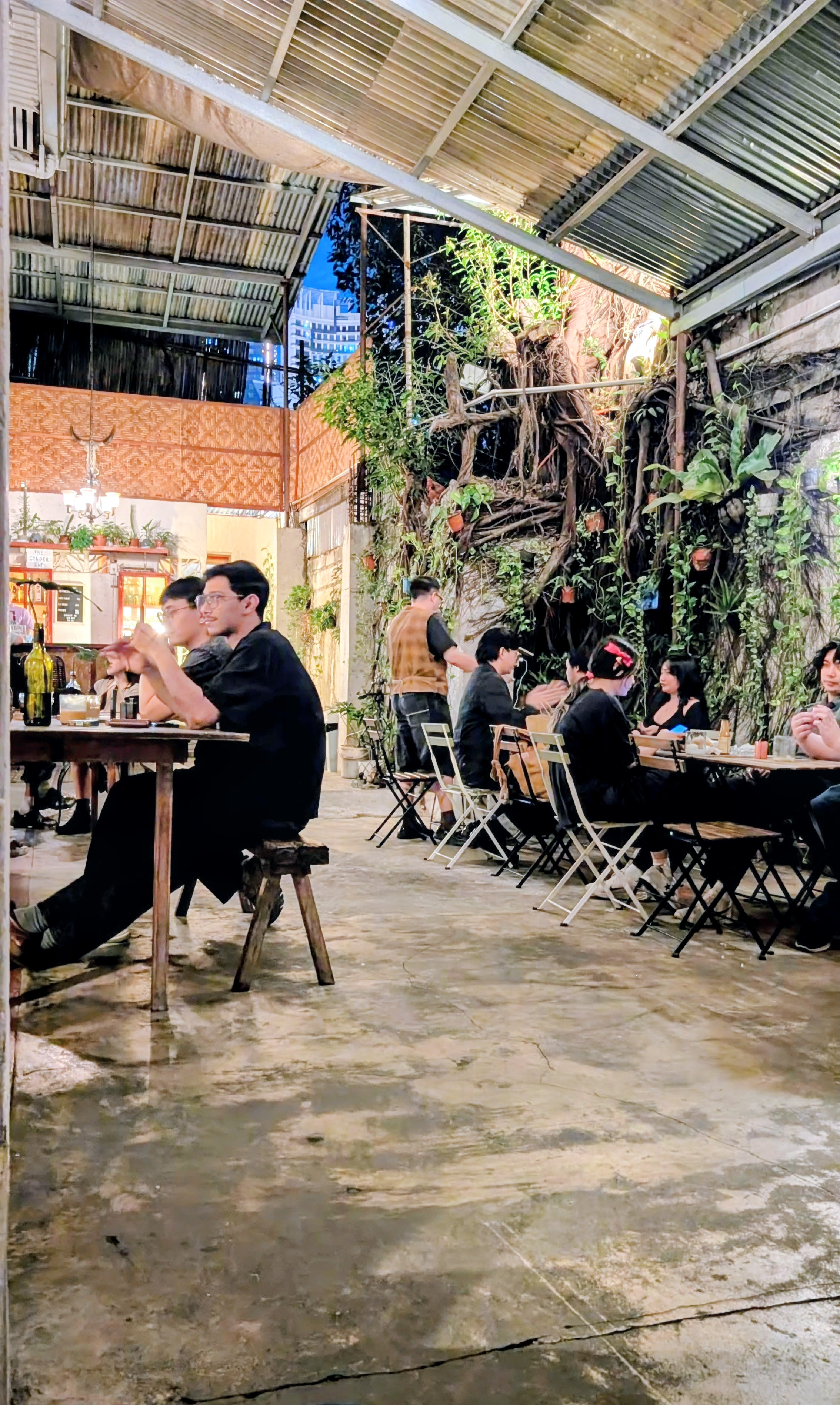
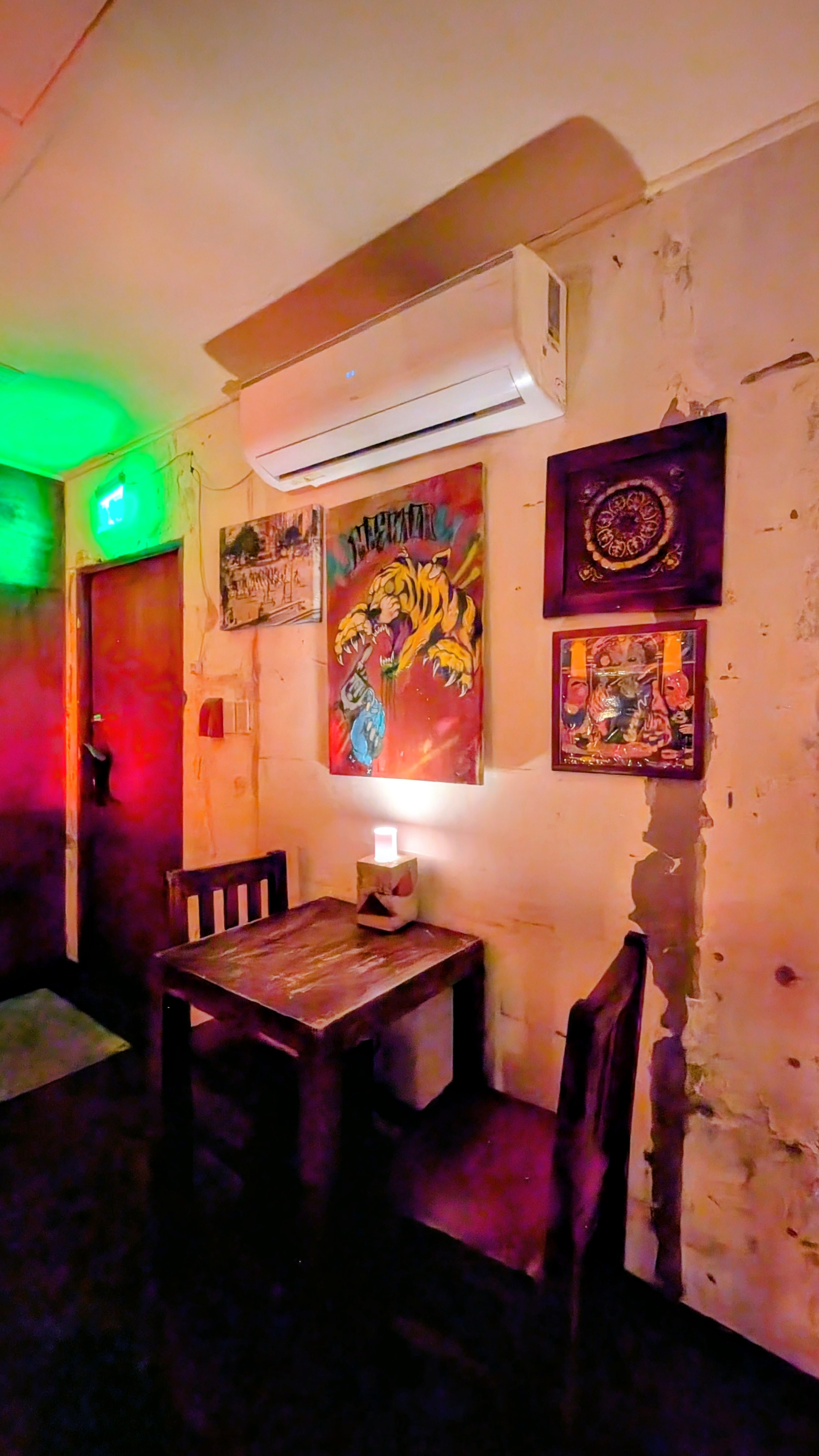
- Manila: Our 1.5 days here were very fast paced and perfect for some urban adventures before flying home.
We found this pacing worked well, though we could have easily reduced El Nido to 3-4 days. With a few extra days, we would have rearranged our route to include Bohol, but at the time of booking this trip 9 months in advance, many options were already sold out. If you plan to venture off the beaten path, consider expanding your trip to 5 or 6 weeks, several travelers we encountered did exactly that and felt it was the perfect amount of time.
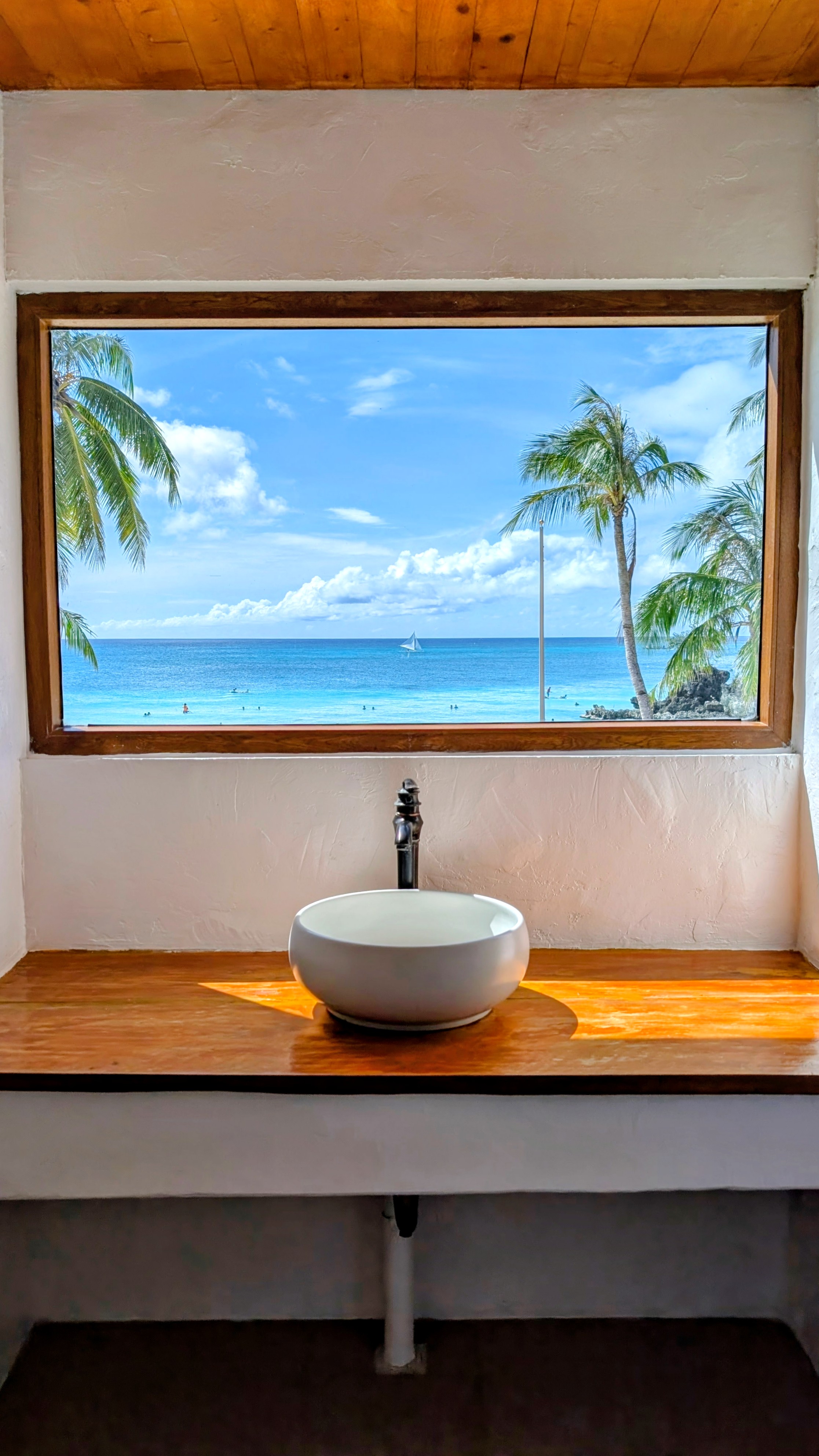
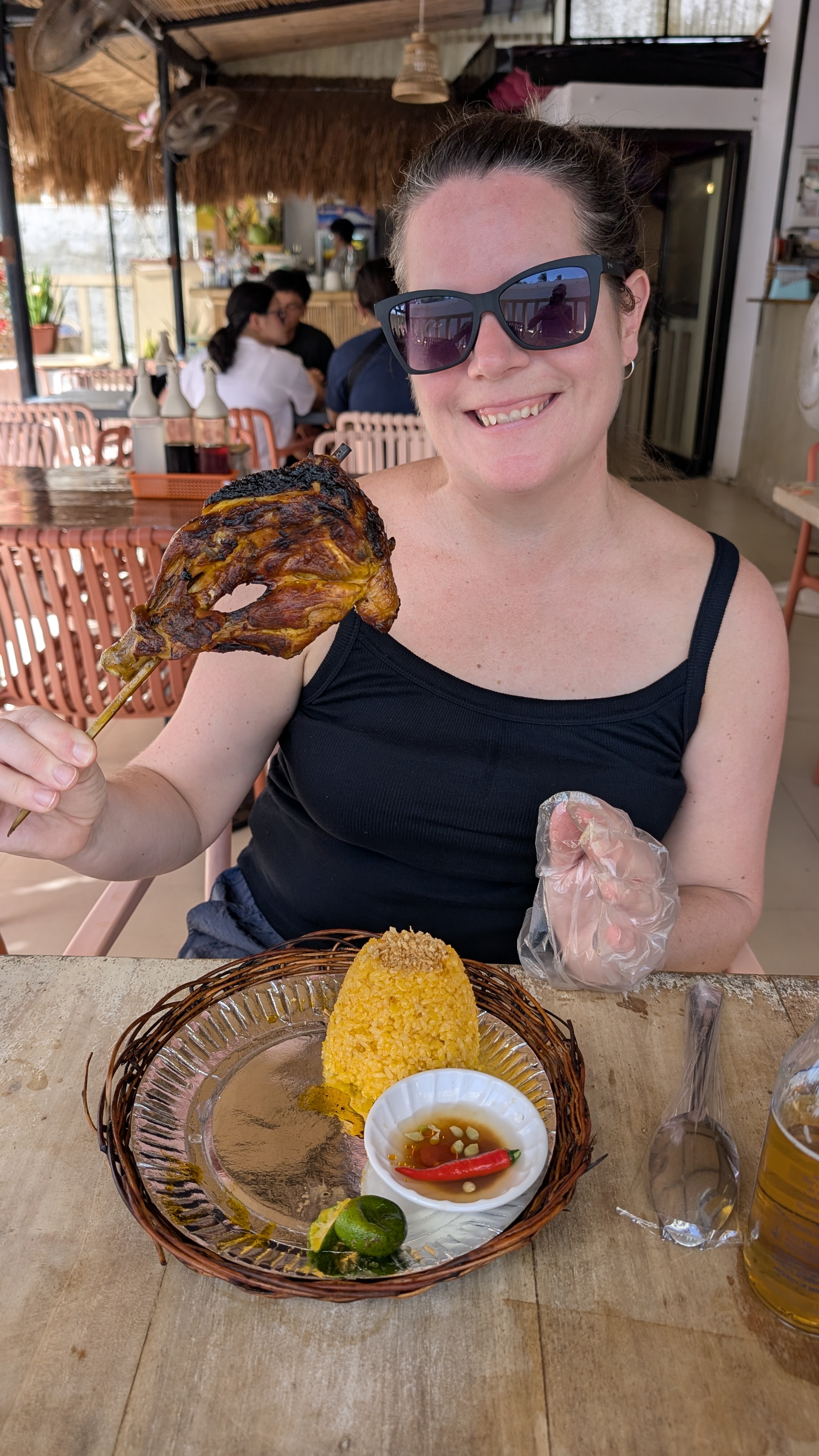
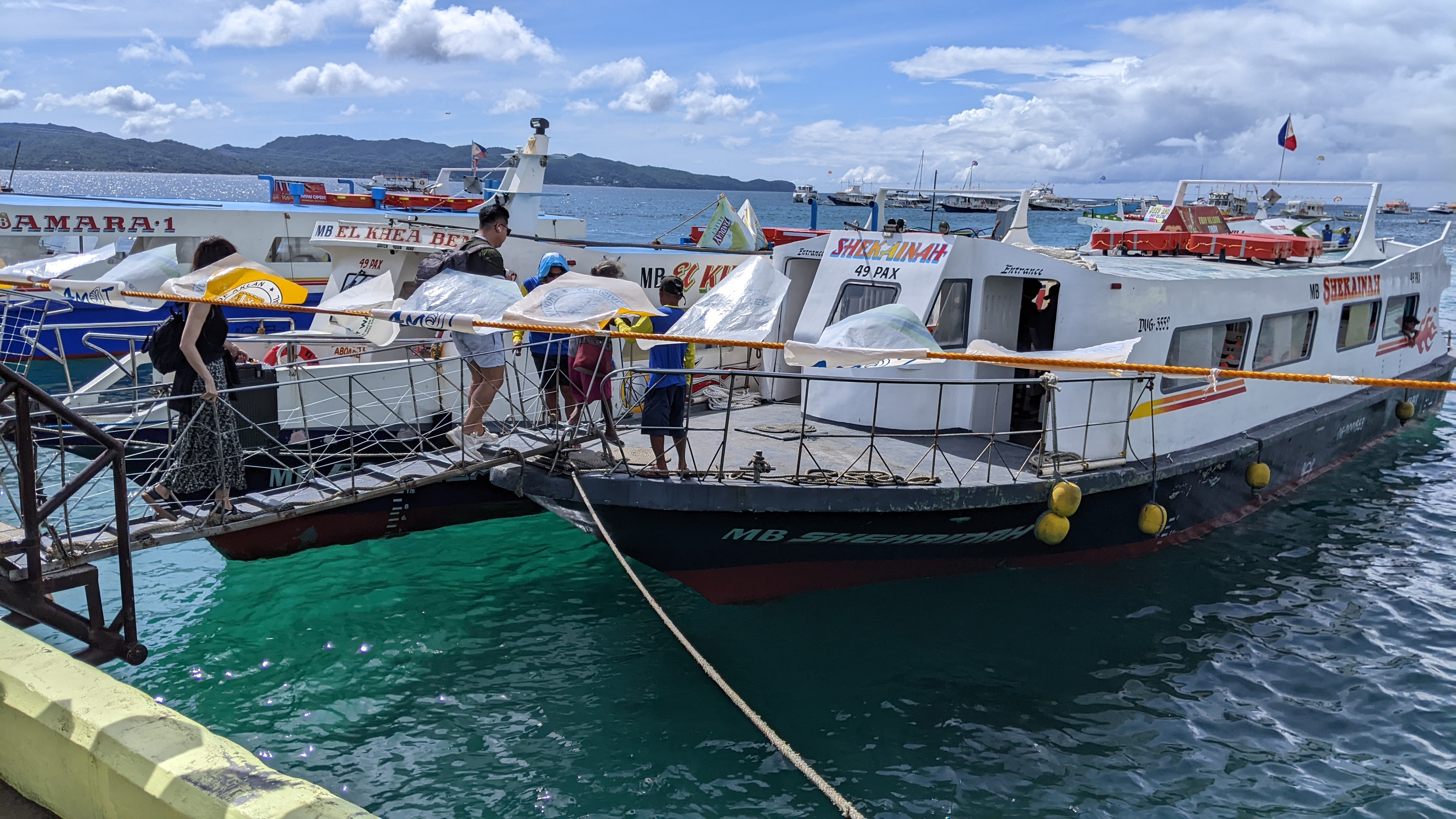
Boracay Photos:
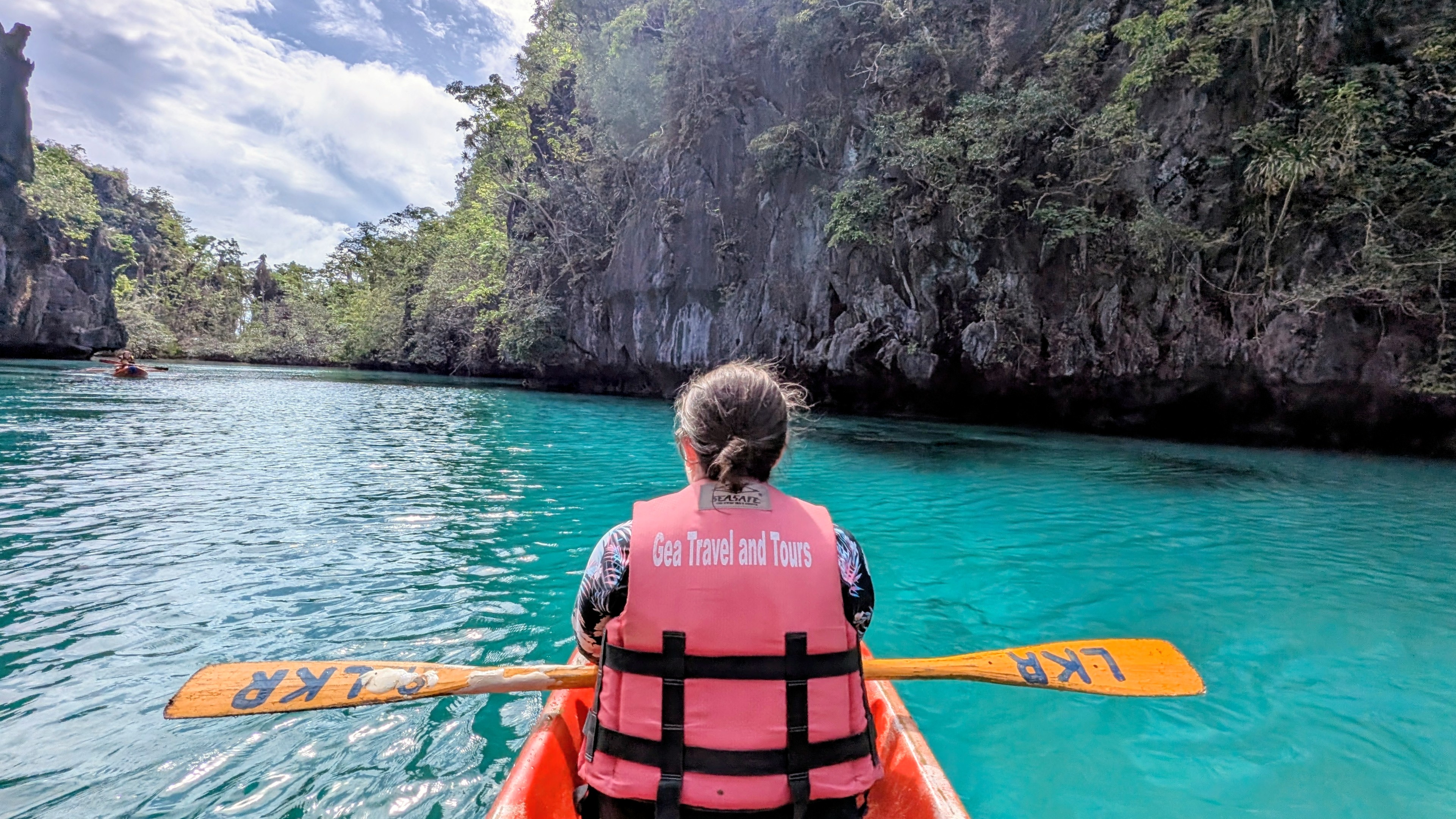
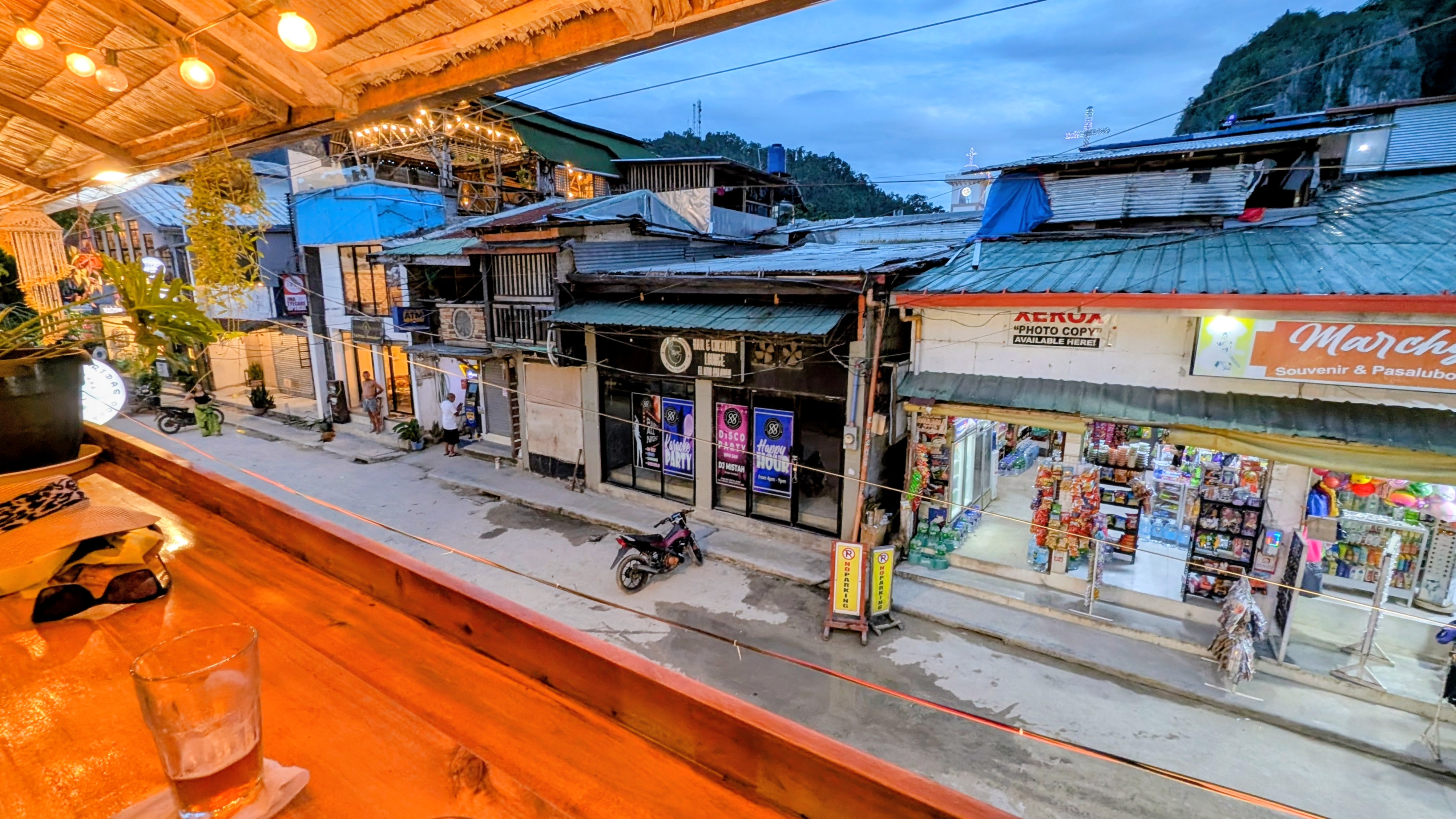
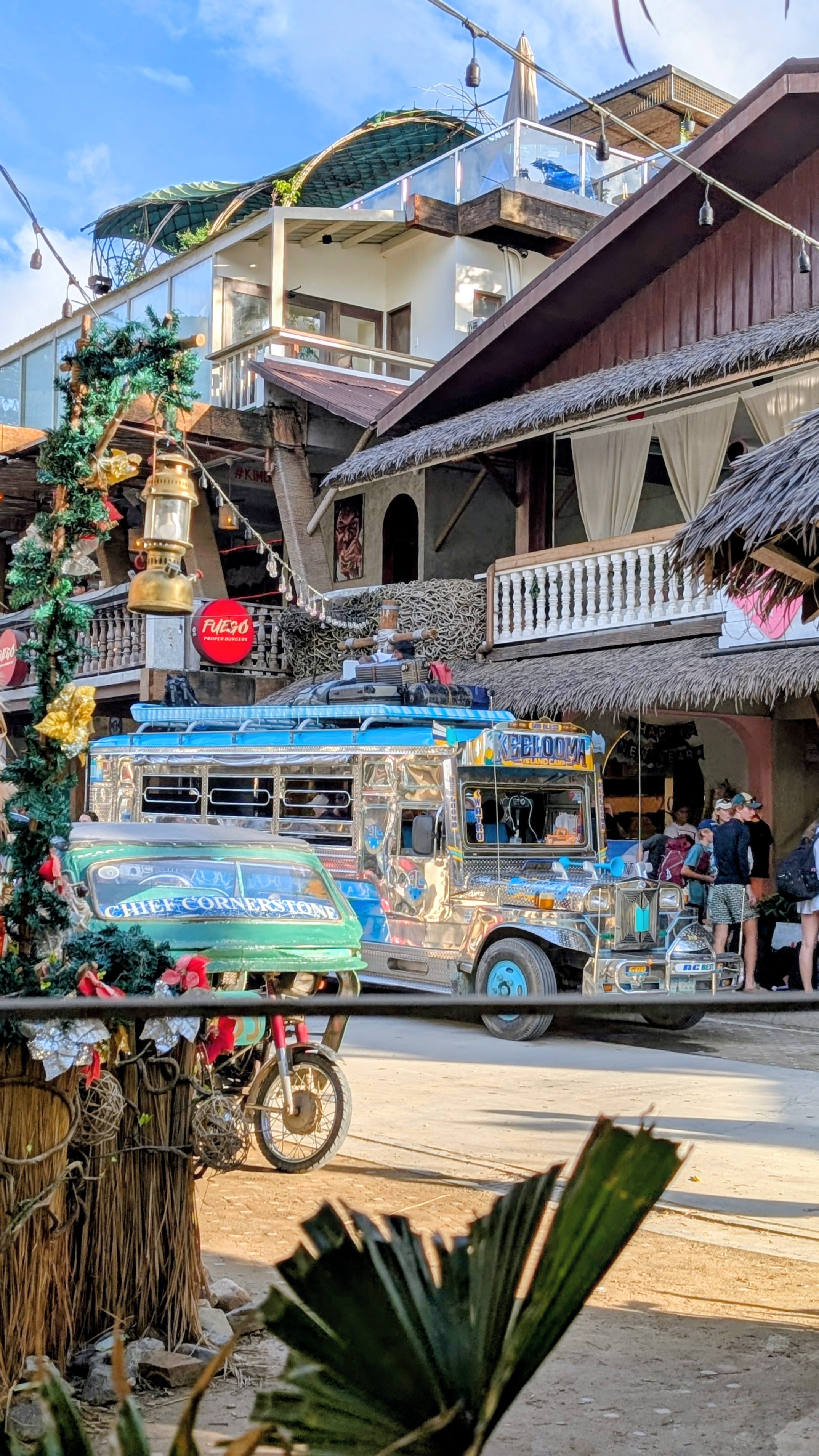
El Nido Photos:
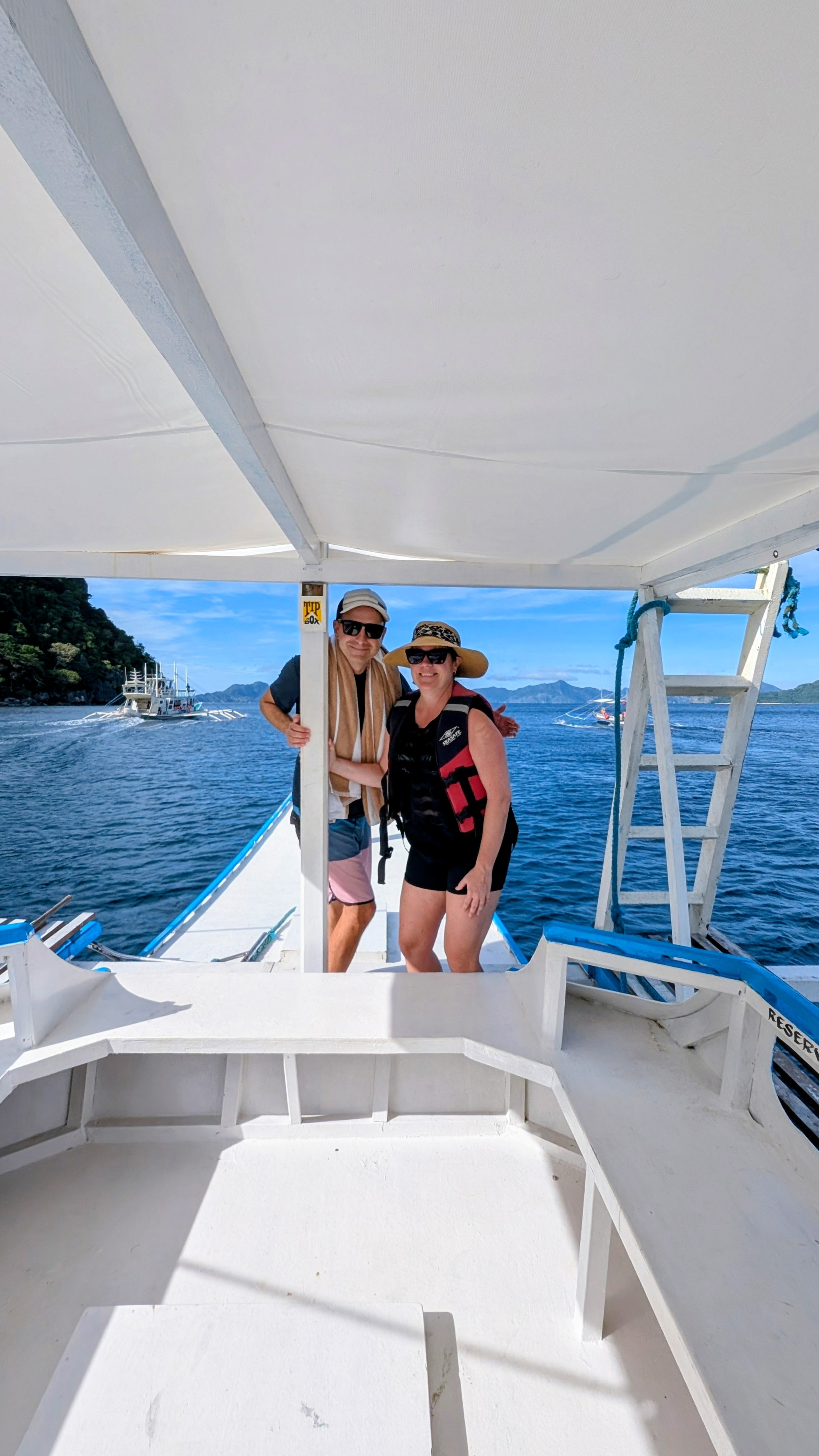
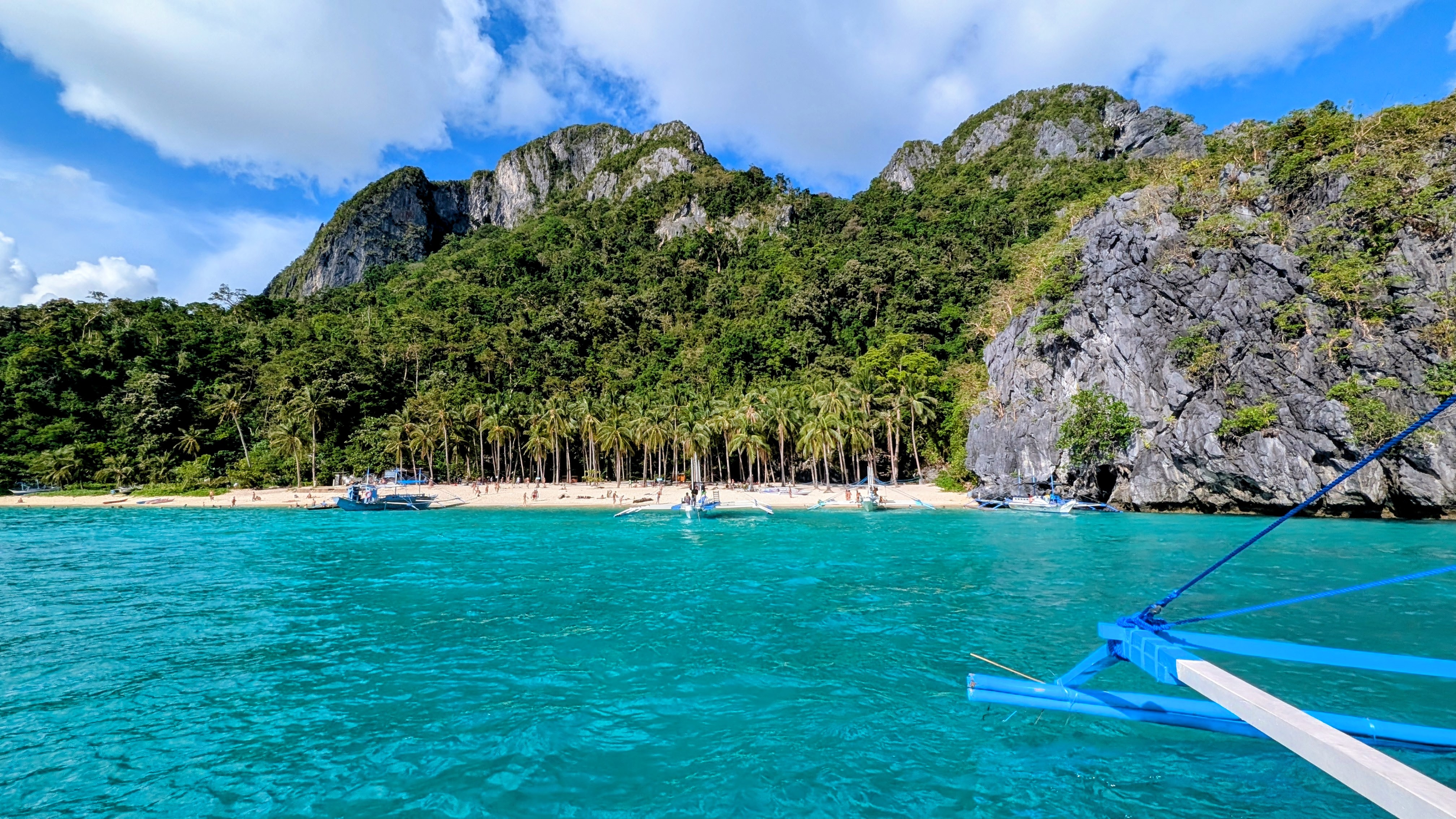
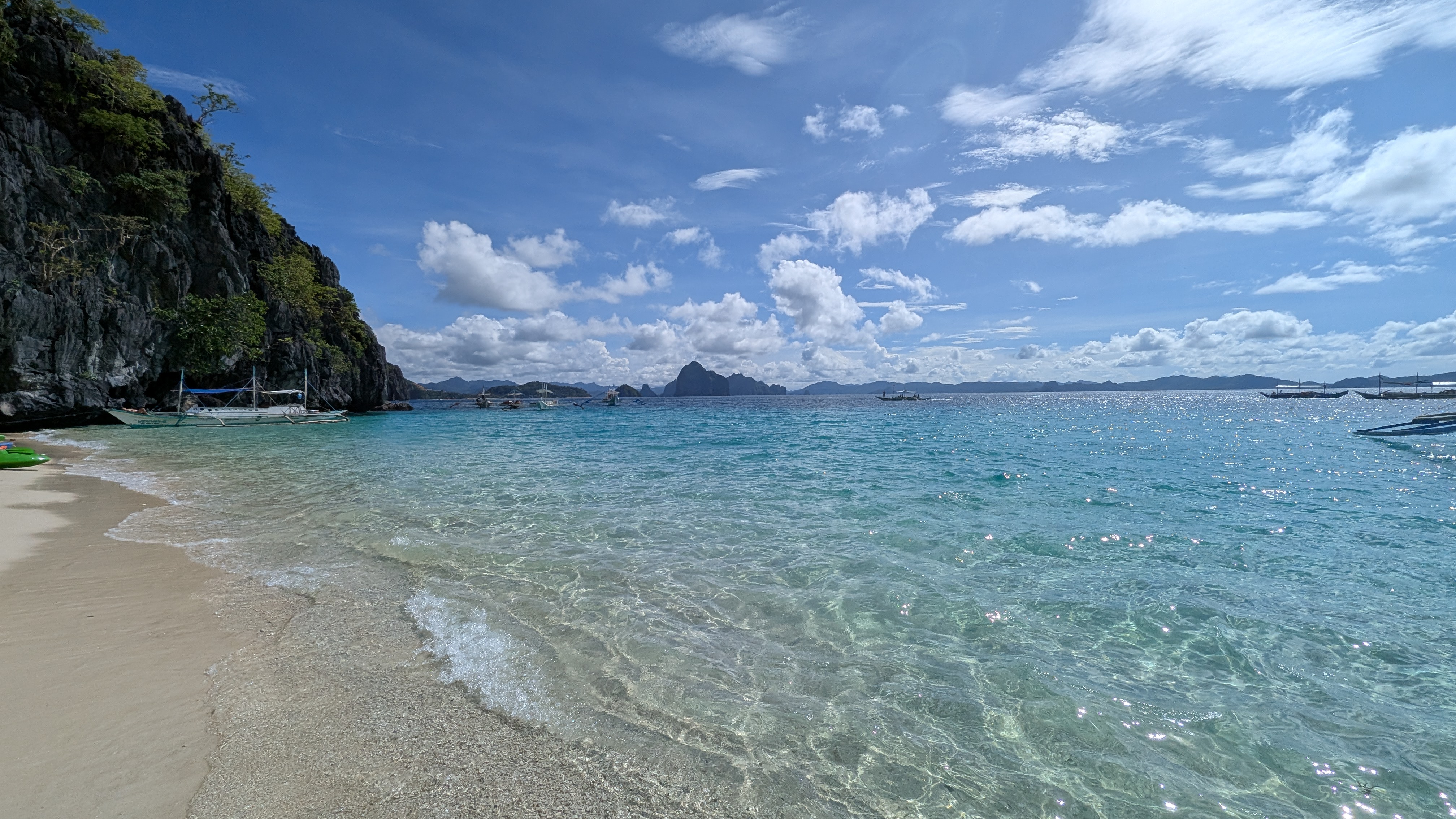
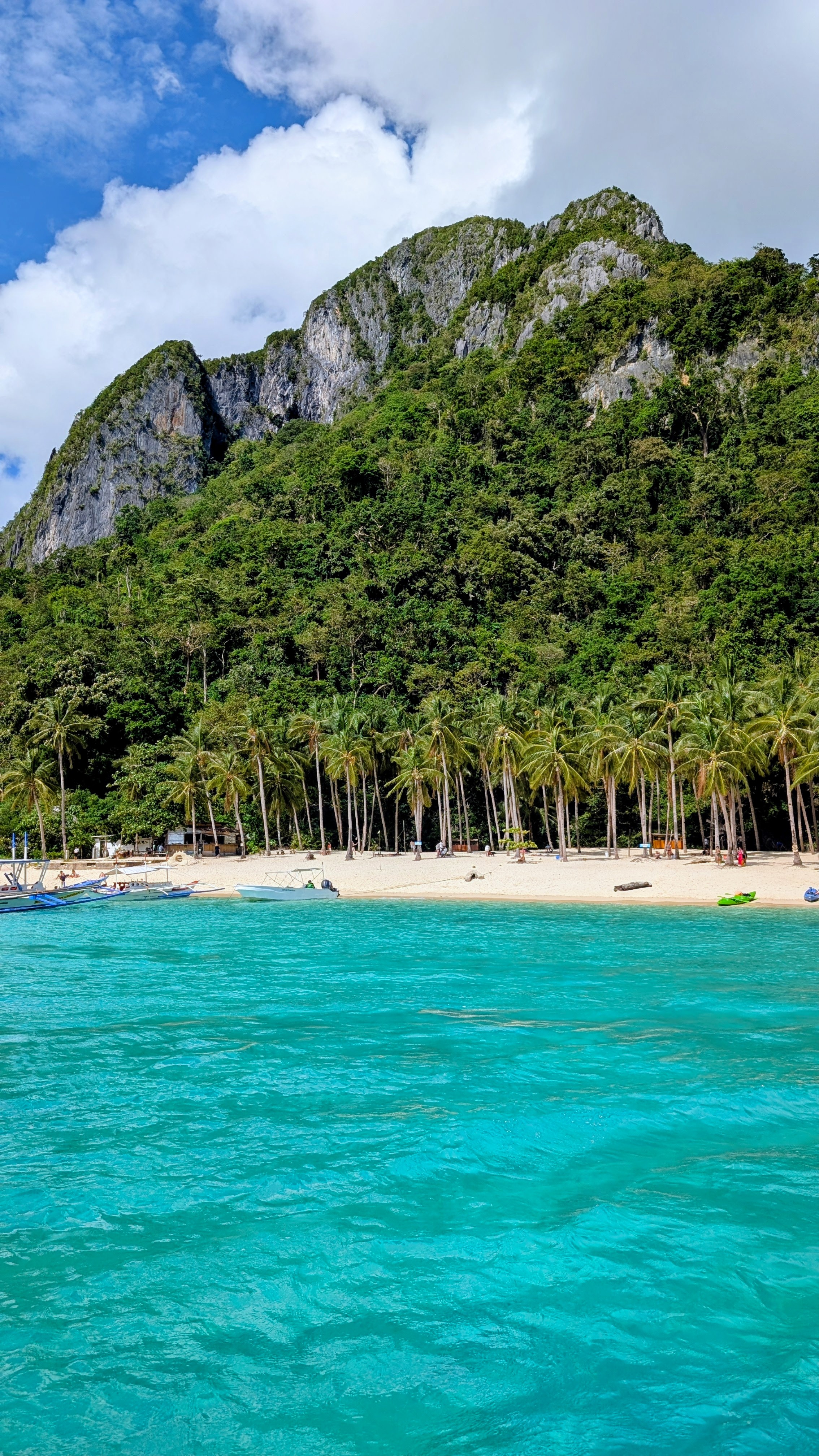
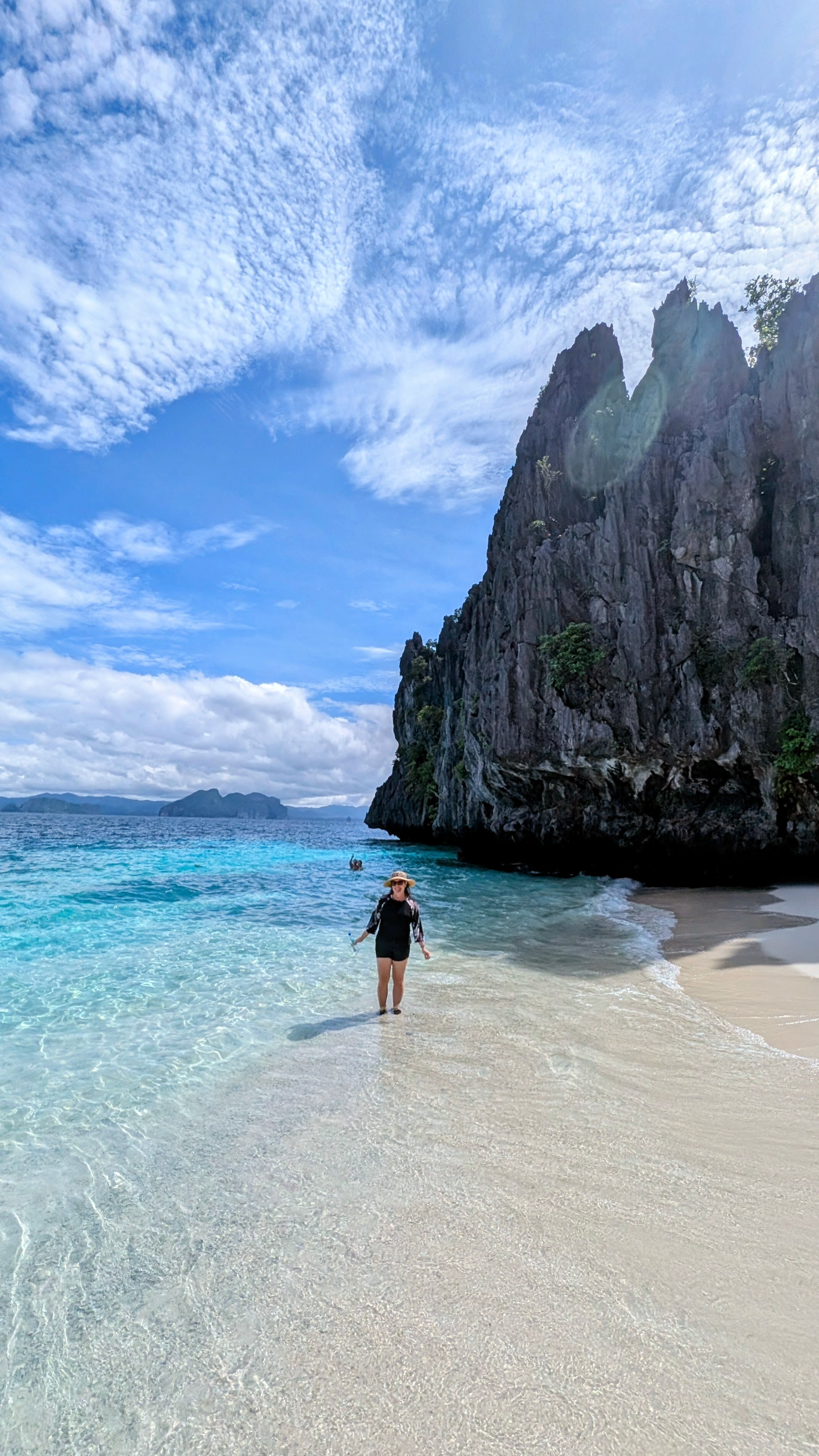
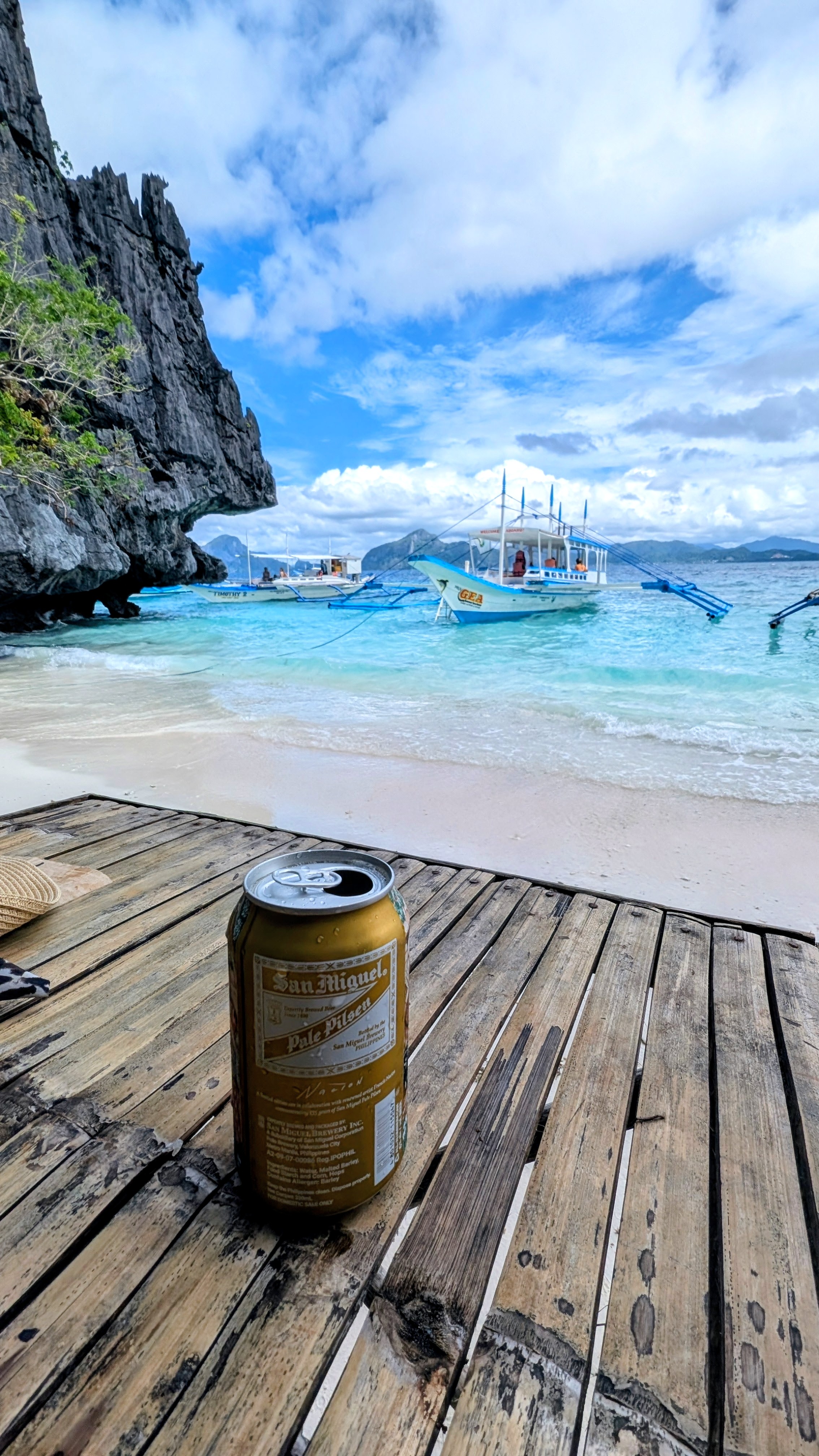
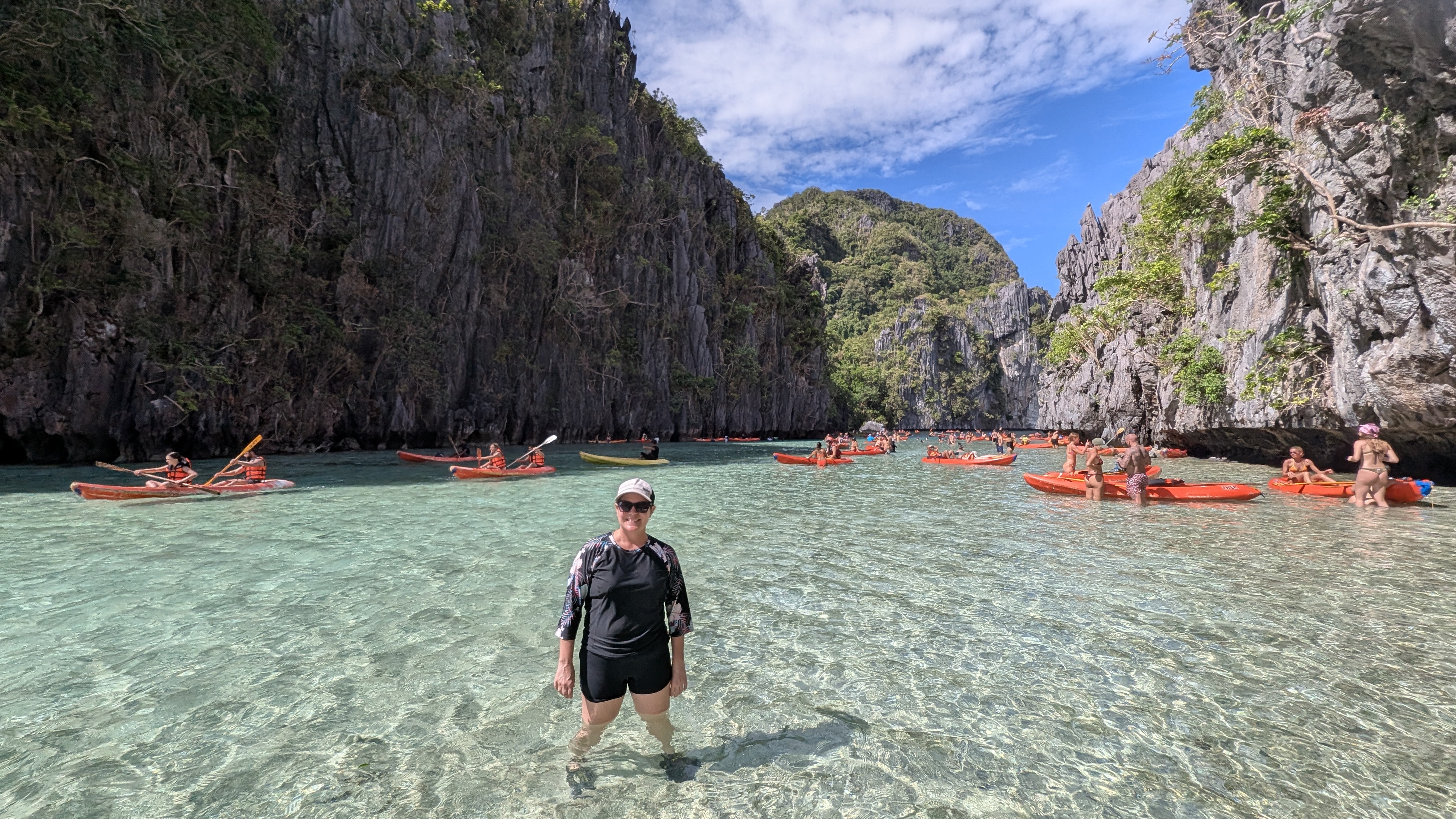
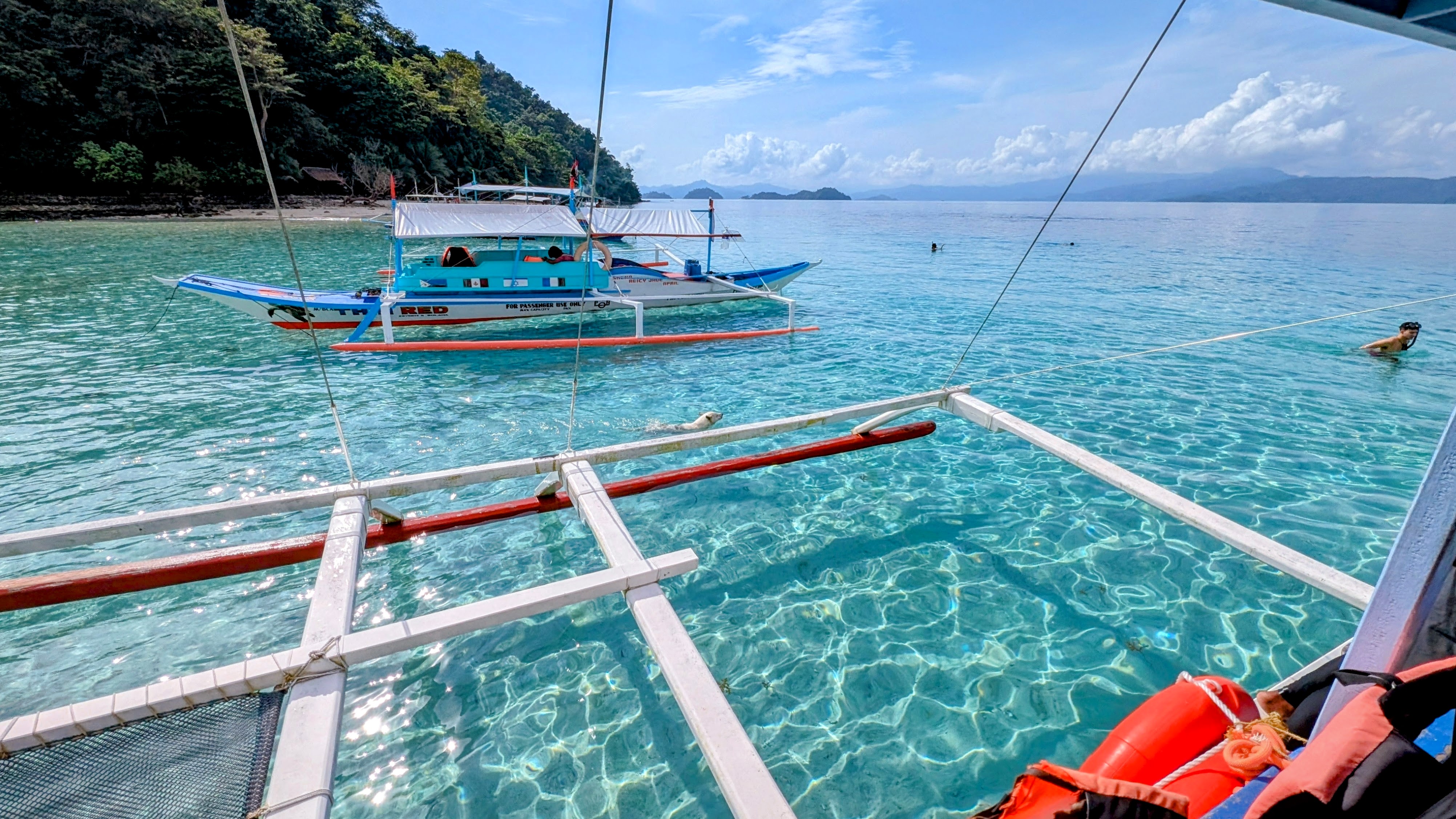
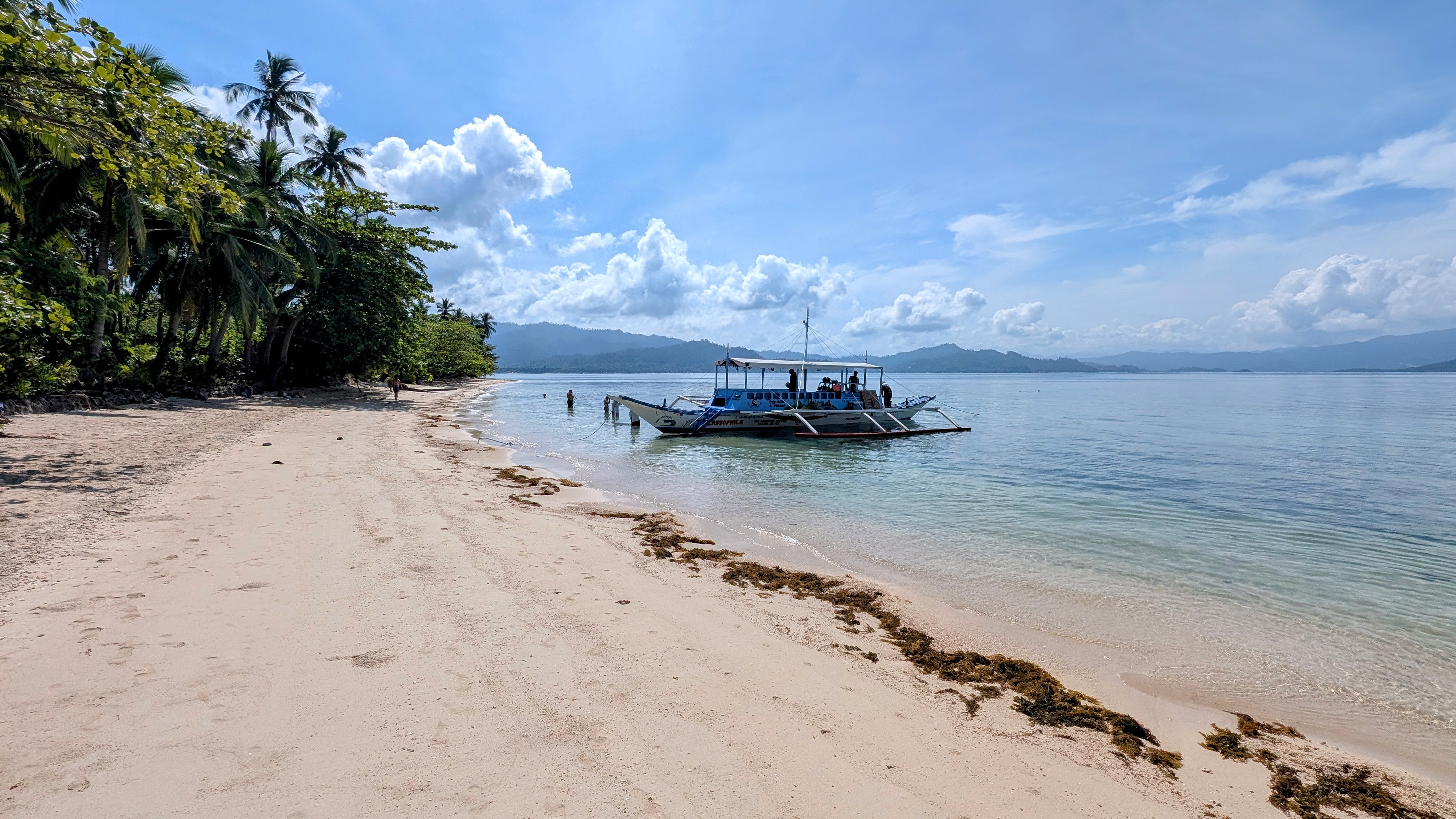
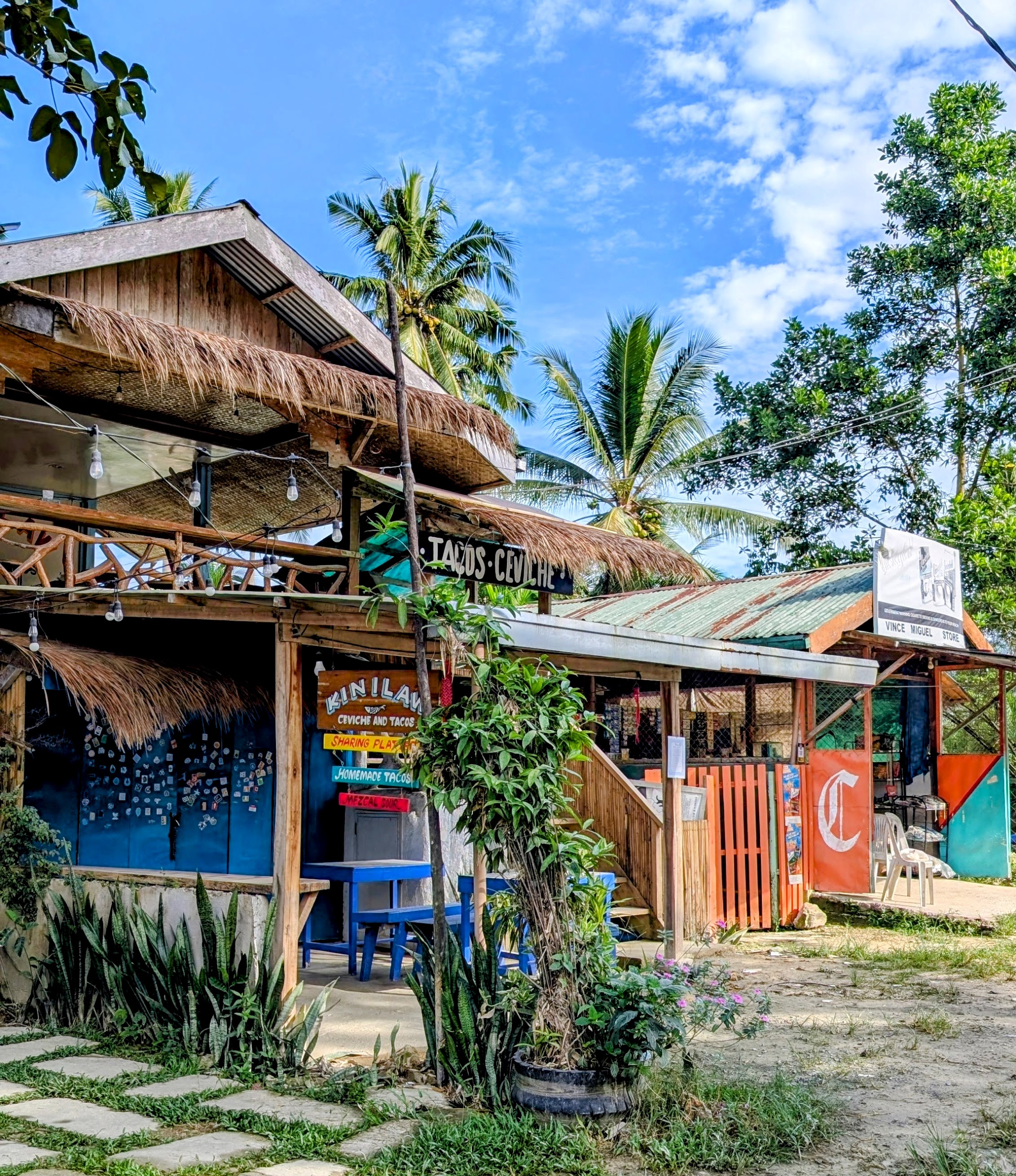
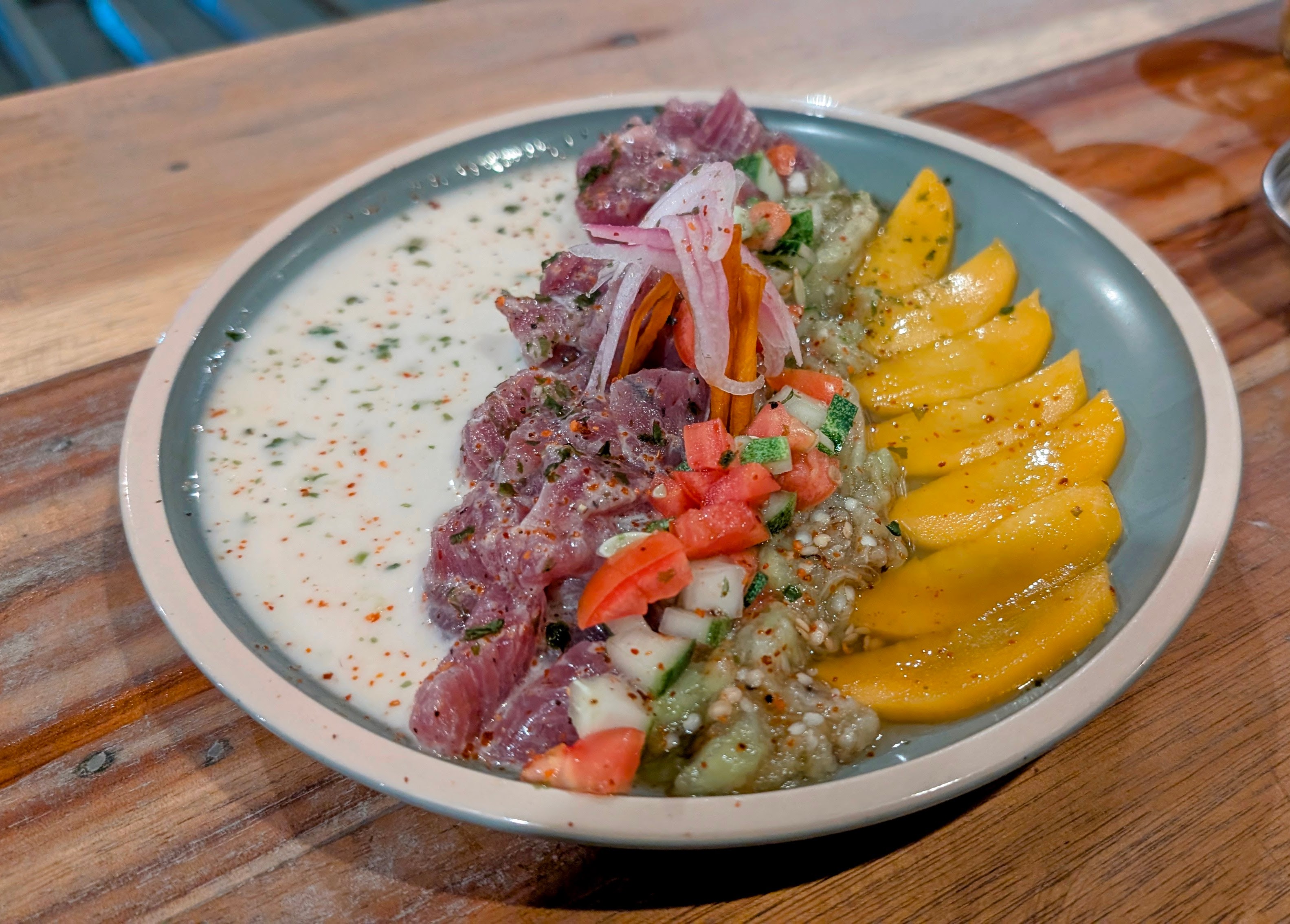
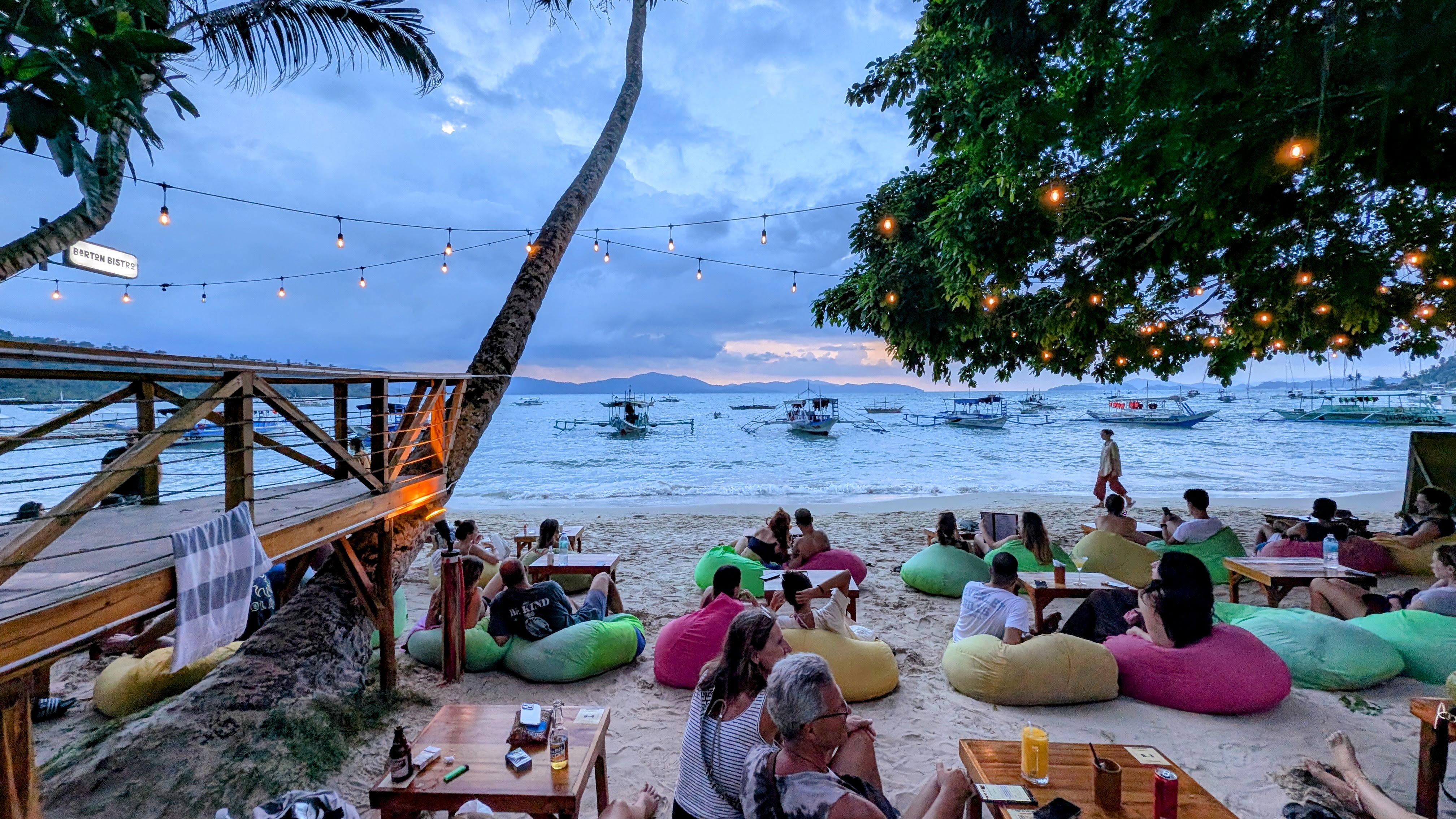
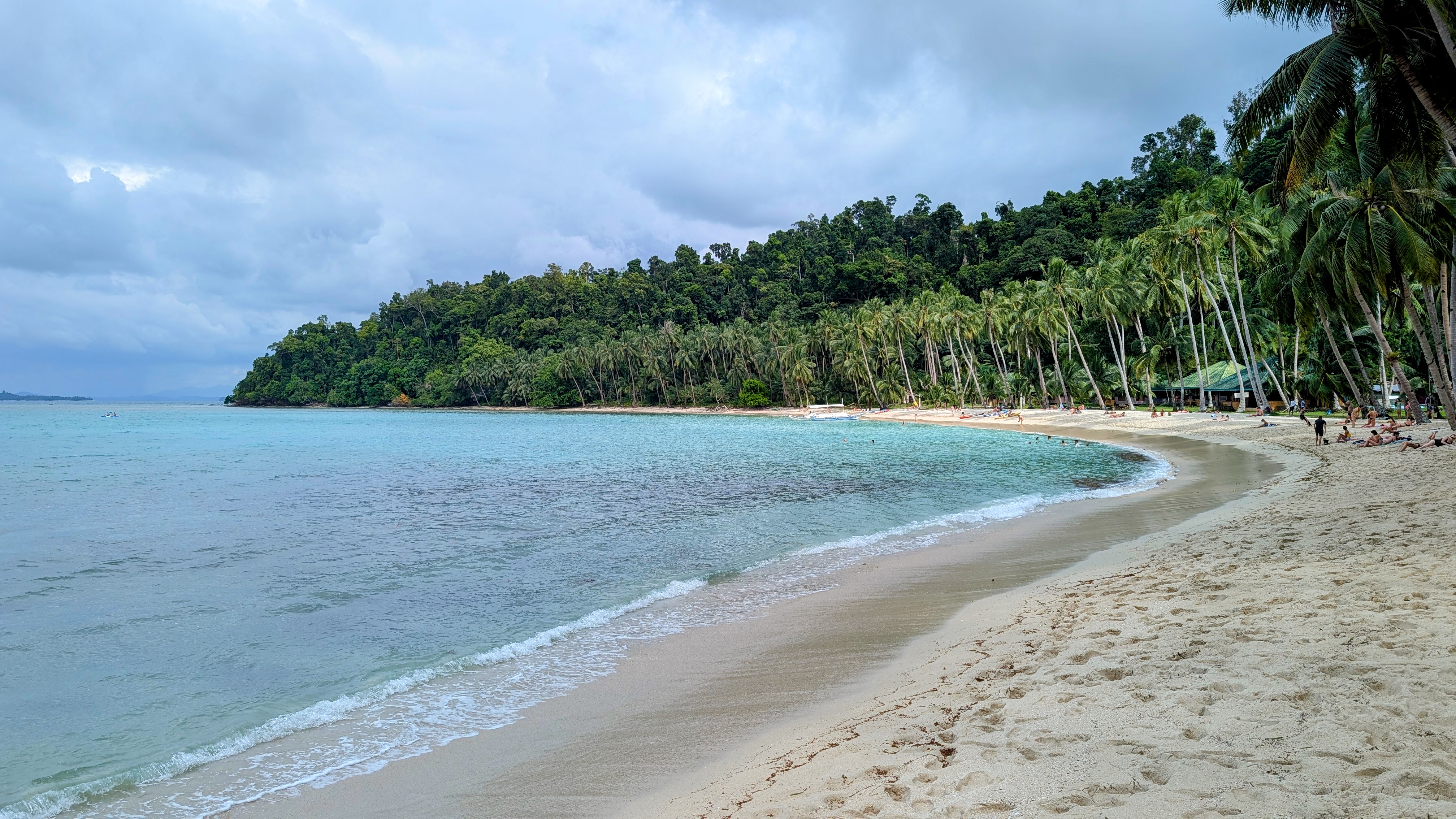
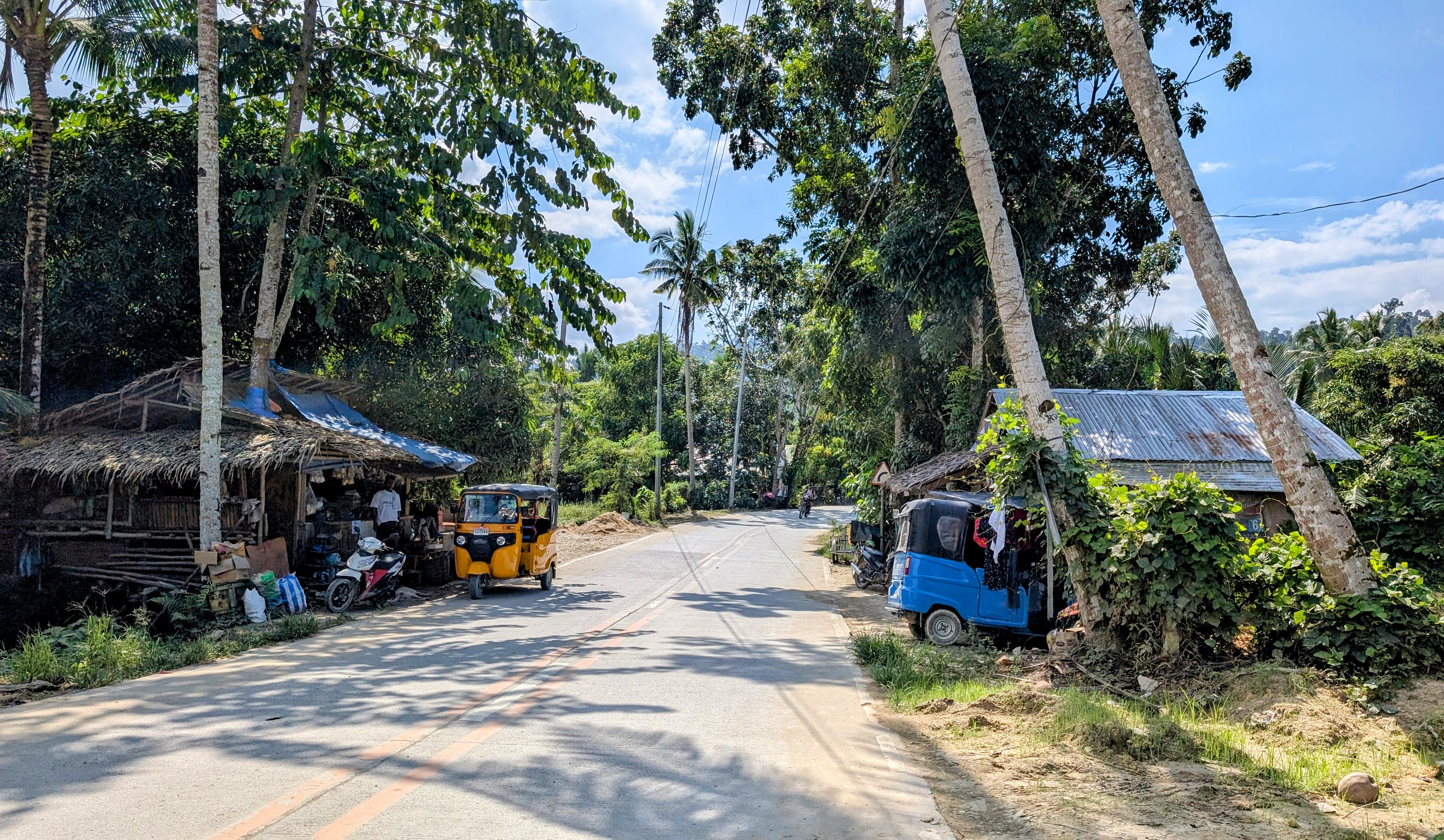
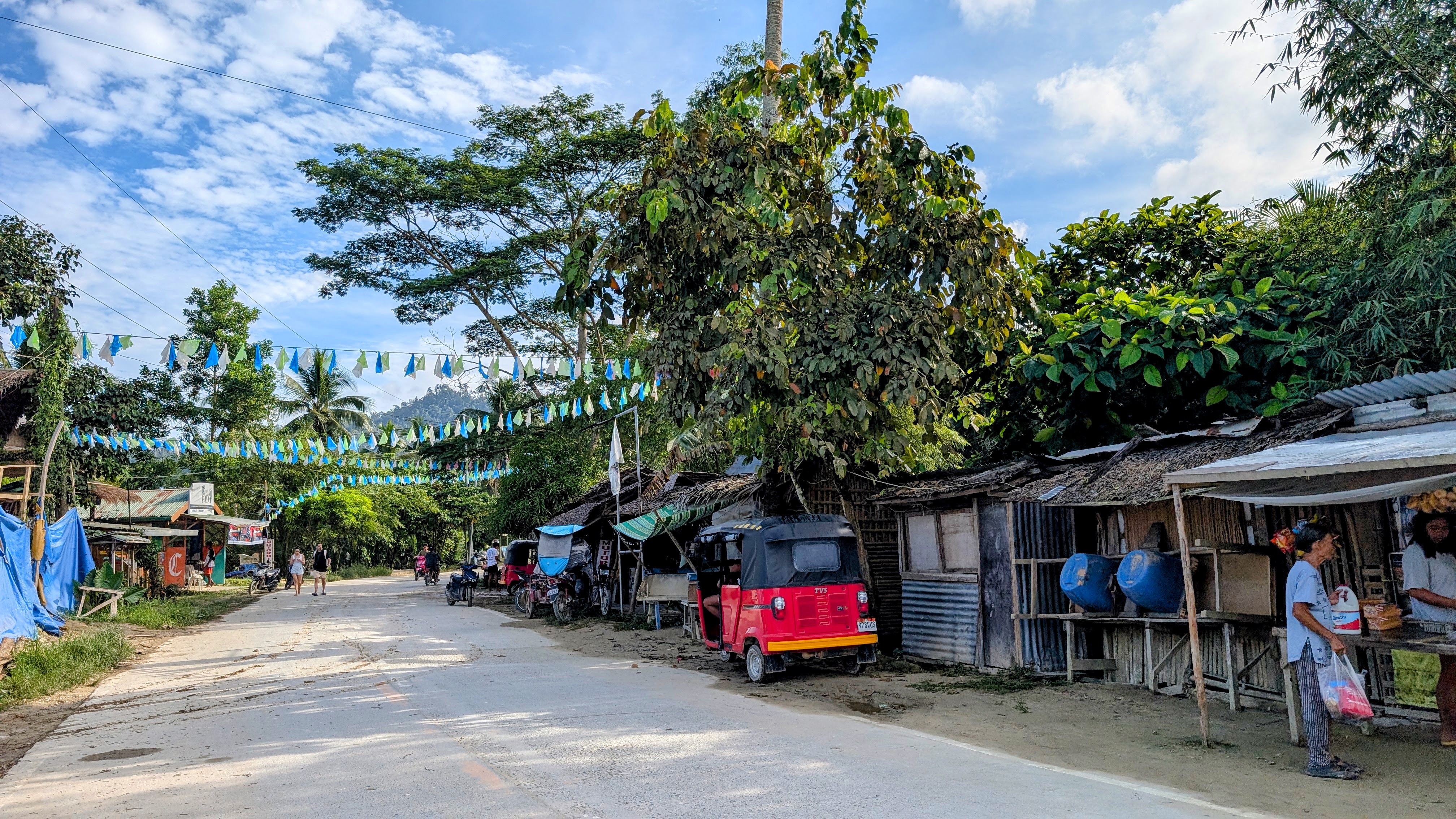
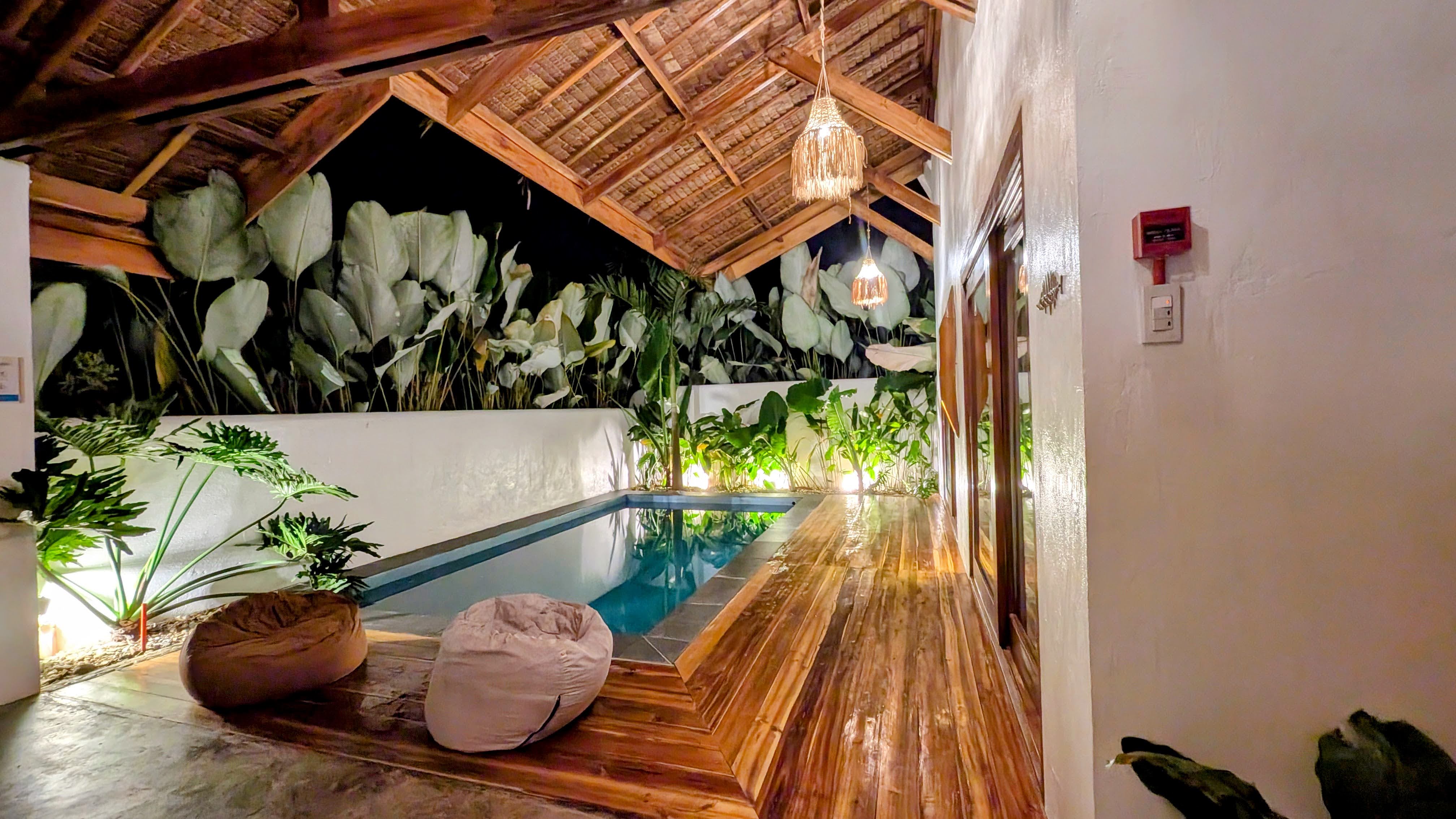
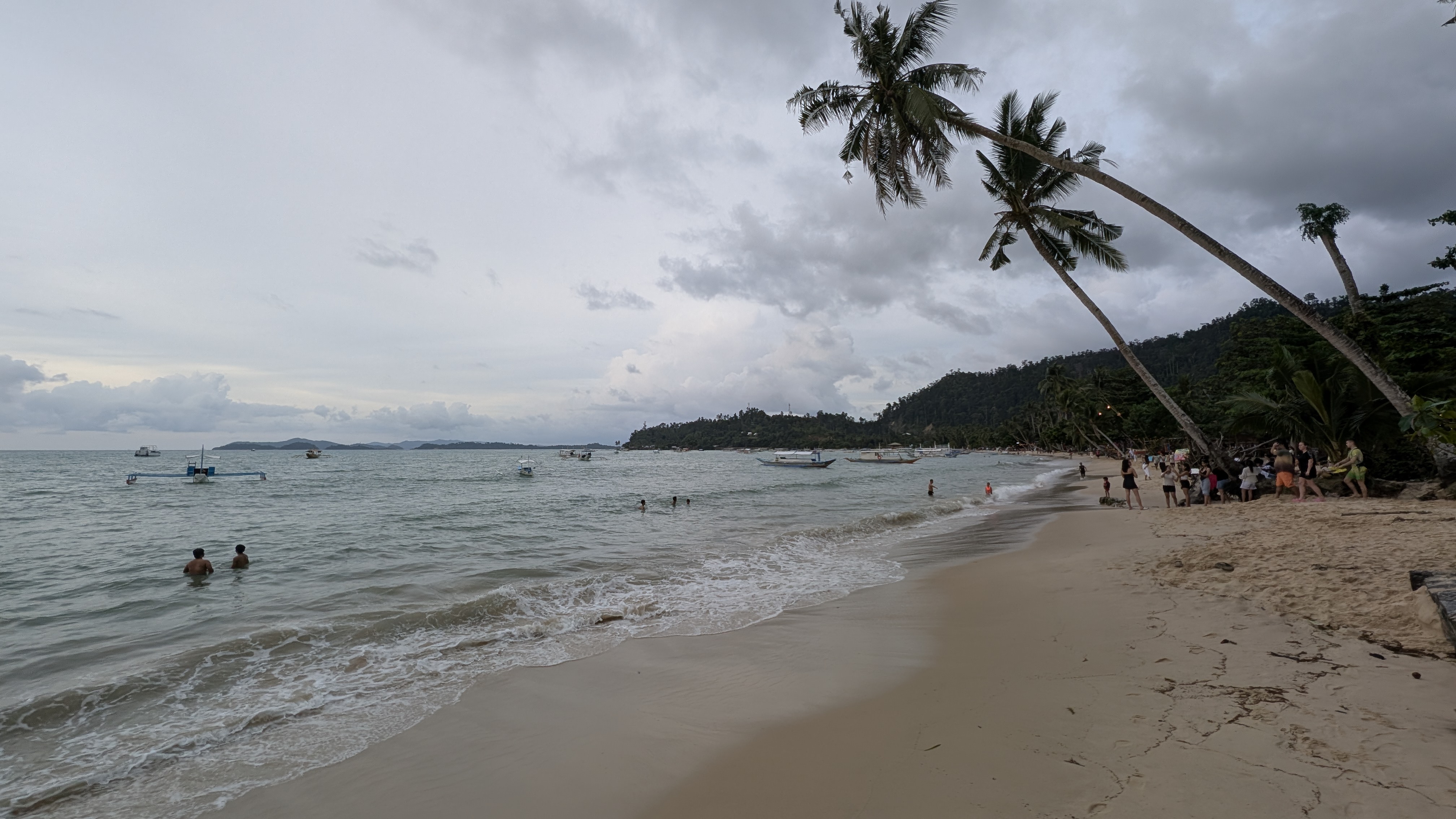
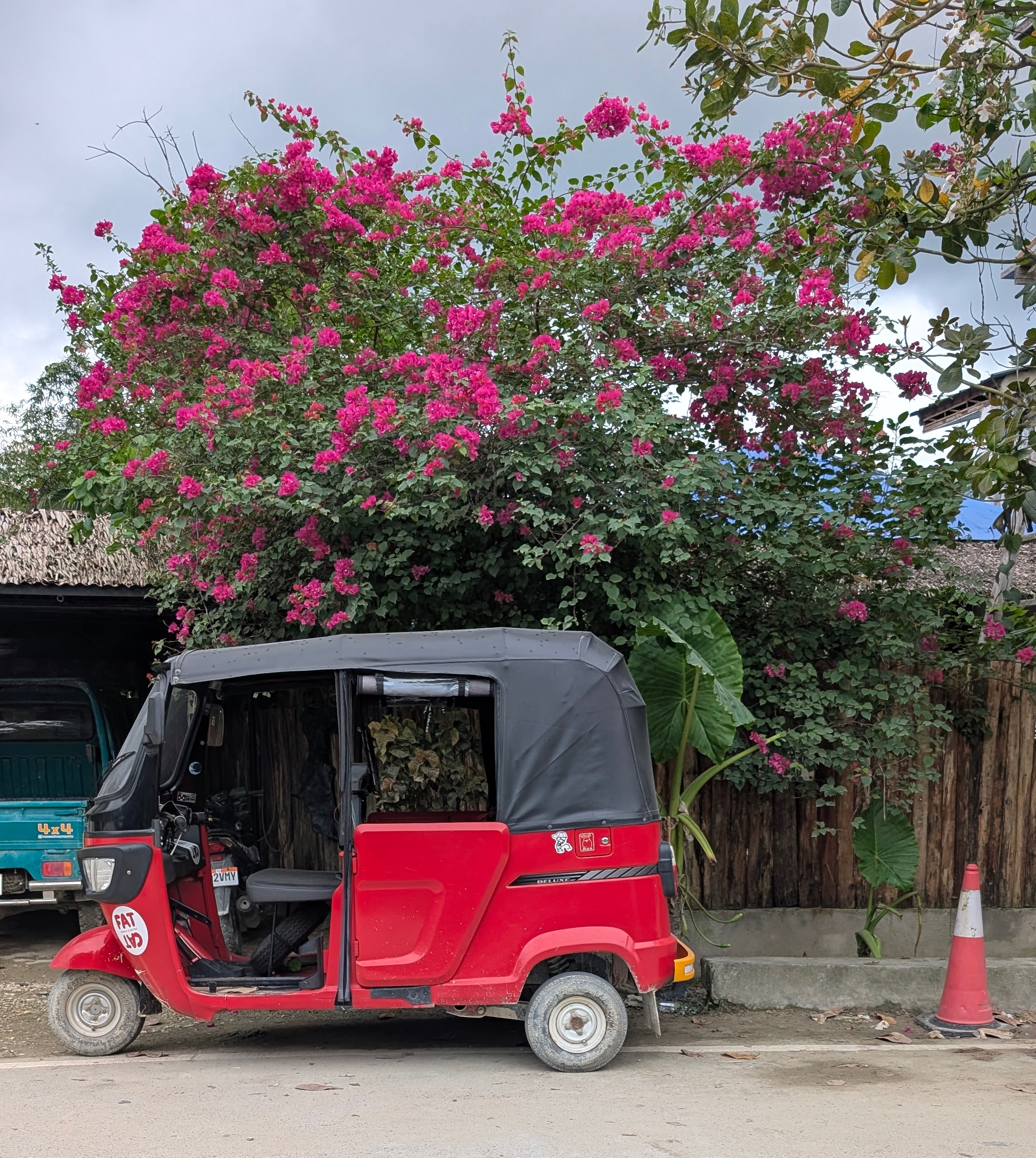
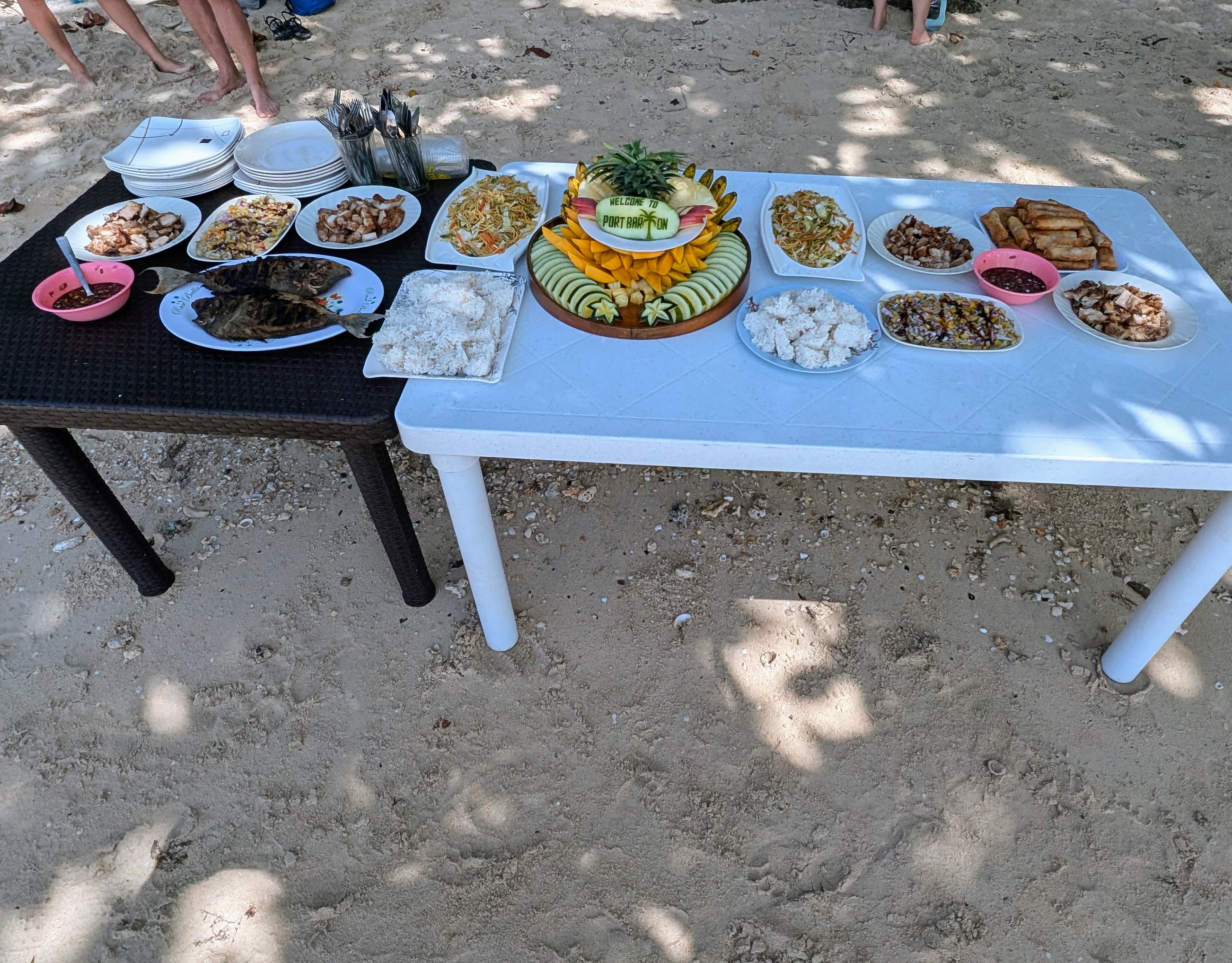
Port Barton Photos:
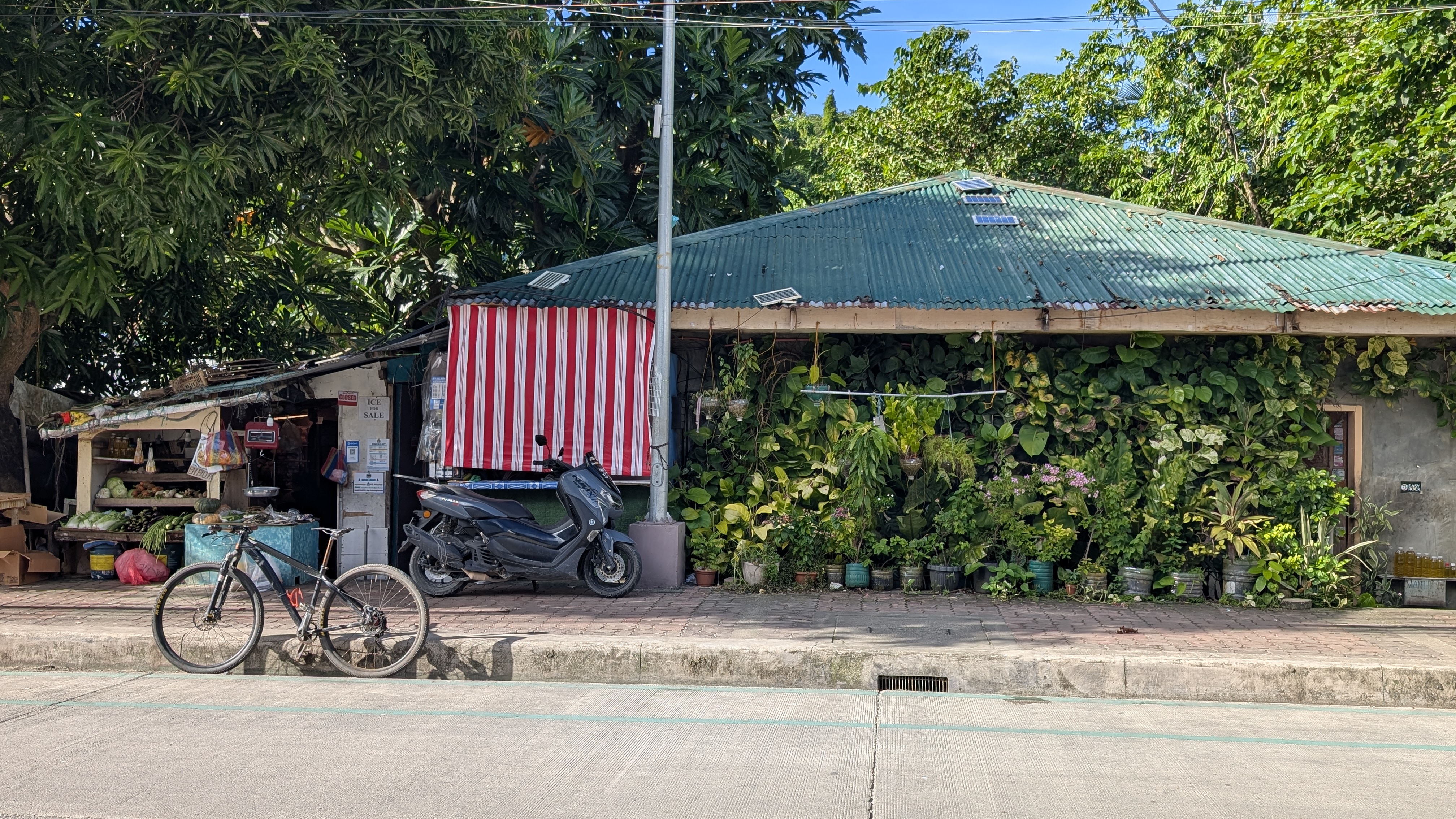
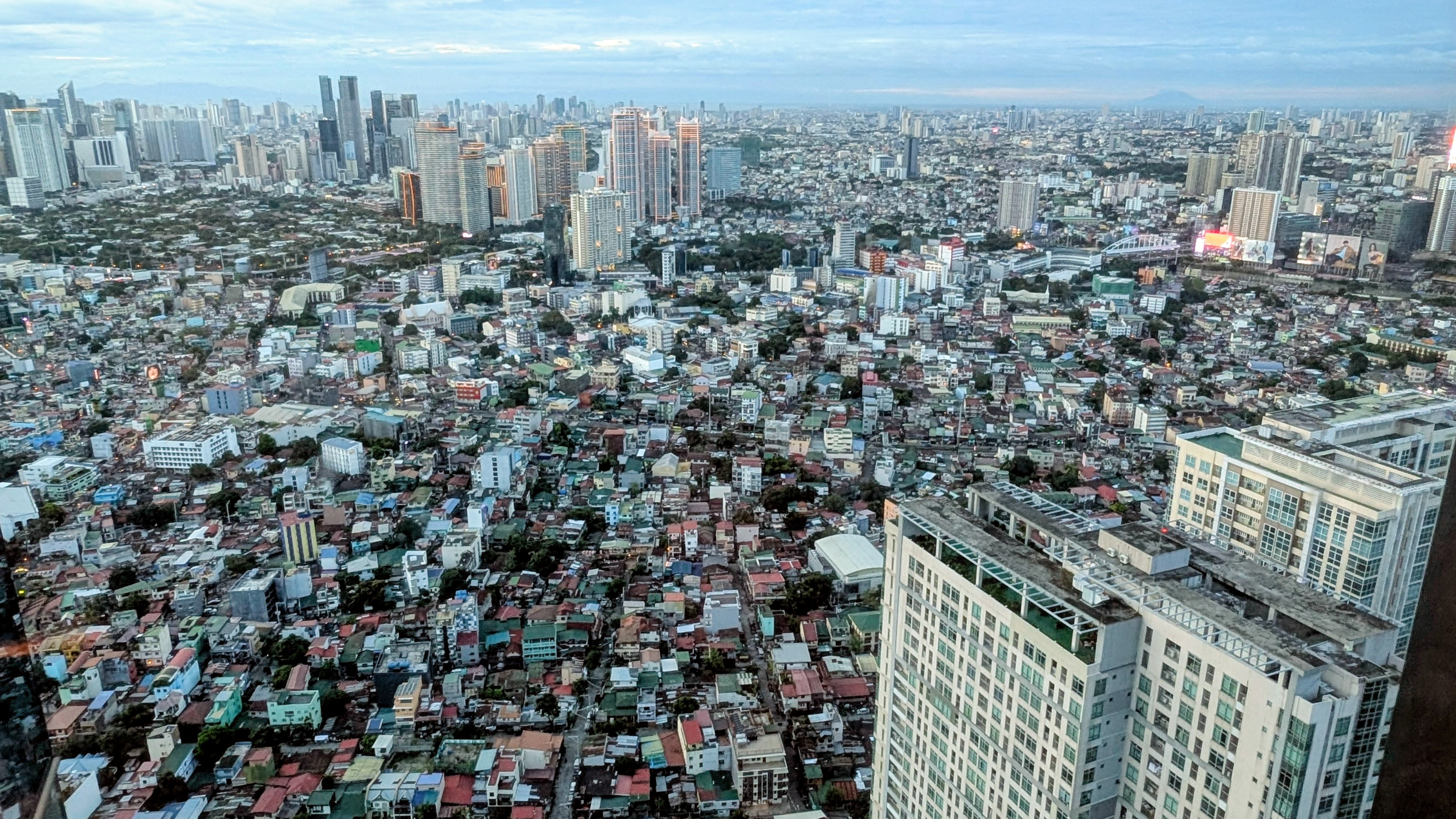
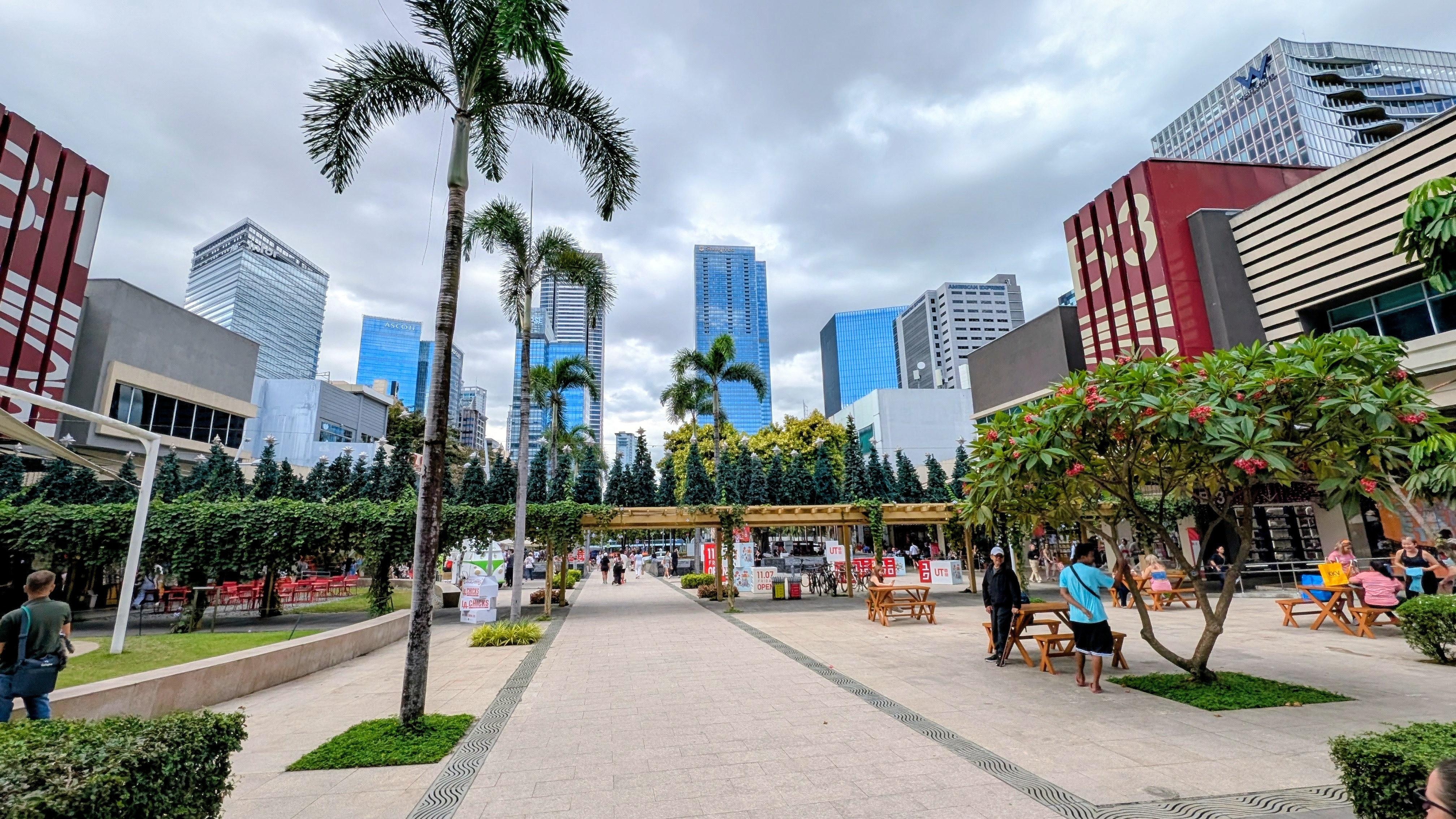
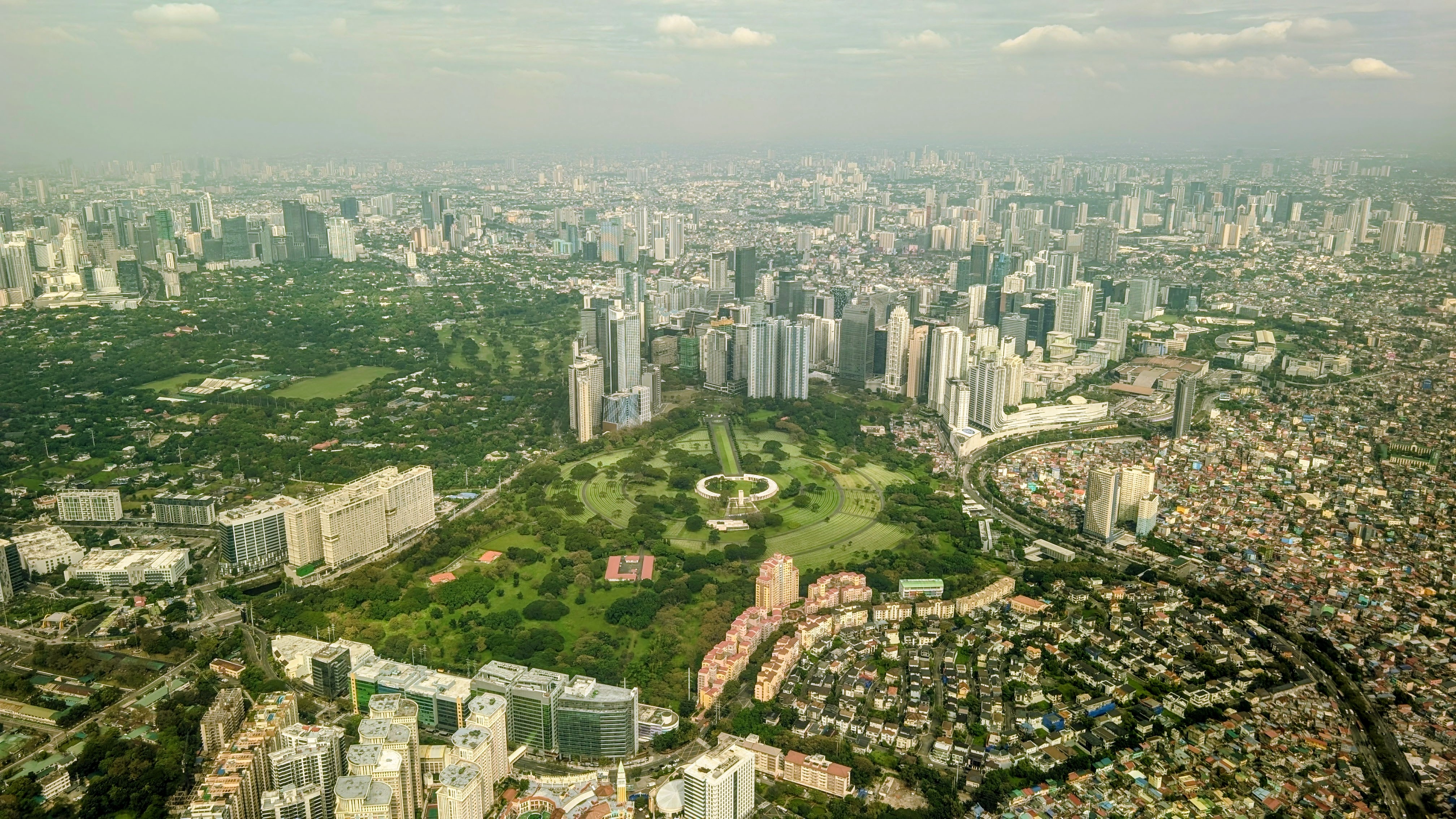
Manila Photos:


Transit: Is Inter-Island Travel Difficult?
The ease of travel varies considerably. Unlike the highly streamlined tourist corridors found in other parts of Southeast Asia, infrastructure in the Philippines changes depending on how remote you are.
Highly developed hubs like Boracay are very accessible, featuring frequent flights from Manila (MAN) to Caticlan (CTL) and well-organized boat transfers. However, connecting between regional islands, such as flying directly from Boracay to El Nido can be logistically challenging due to limited flight options. To connect certain destinations, you should prepare for a combination of regional flights, ferries, and long private or shared van transfers.
⚠️ Peak Season Note: We traveled during the busy Christmas and New Year window and had to adjust our itinerary multiple times because regional flights sell out months in advance. In fact, we found that some flights for late December were already fully booked by April.
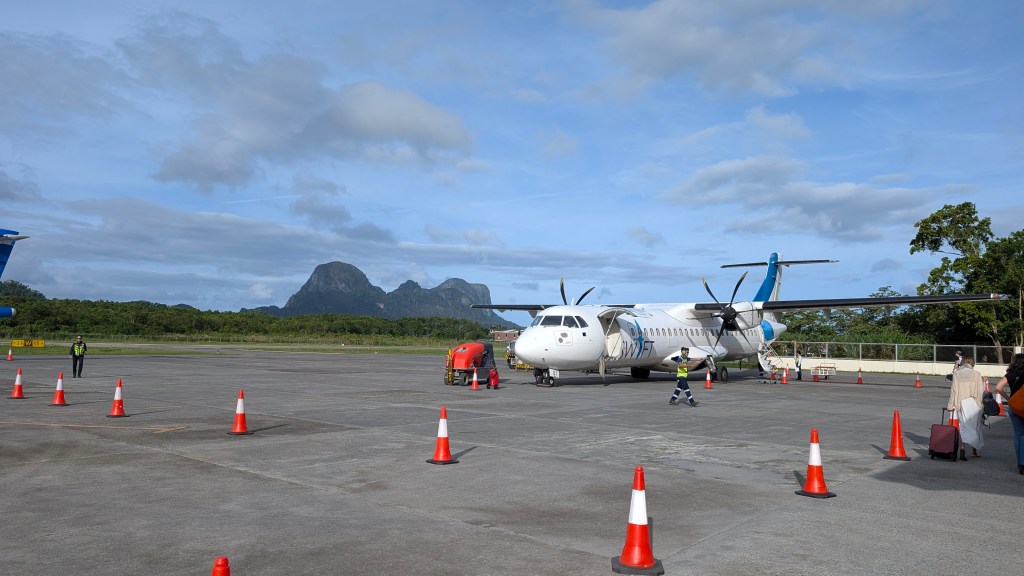
⚠️Major 2026 Flight Changes to Note: Due to congestion, all turboprop flights operated by ATR and DC8 aircraft will cease operations at Manila Ninoy Aquino International Airport (MNL) beginning in summer 2026. These turboprop flights are being relocated to Clark International Airport (CRK), located about two hours north of Manila. While many of these turboprops will fly non-stop to their destinations, other flights to these locations, such as Siargao, will require a stopover at an airport like Mactan–Cebu International Airport (CEB). For context, we flew on AirSwift from El Nido (LIO) to Manila (MNL) this past December; however, because this specific flight will no longer be offered, traveling to El Nido will become more difficult.
Additionally, the smaller aircraft used for island-hopping flights have strict weight limitations. On our flight from El Nido back to Manila, several passenger bags had to be offloaded due to aircraft weight restrictions, which can be a major issue if you are connecting to an international flight home on the same day. Carry-on luggage is also rigidly weighed at these smaller airports, resulting in us wearing our winter jackets in tropical heat with stuffed pockets to meet the weight requirements.
Safety, Security, and Health
We did not experience any issues in the Philippines during our trip.
Overall, we safe throughout our travels. As with any international travel, exercising common sense, staying aware of your surroundings, and keeping an eye on your personal belongings can help to ensure a trouble-free trip. In fact, walking around modern metropolitan neighborhoods like Makati in Manila felt entirely secure, even more so than some areas of our hometown of Vancouver. That being said, Manila is a large urban city and things can change fast between neighbourhoods, making it a necessity to plan your walking route if you are not using Grab or taxis. Standard beach safety applies globally: do not leave your wallet, passport, or phone unattended on the beach while you go for a swim.
On the road:
The only aspect of the trip where we felt uneasy was on the roads, which is usually the case in the many destinations we have been to. The regional van transfer from Port Barton back to El Nido was quite fast and aggressive. While the local drivers are incredibly polite and hospitable individuals, the driving culture on rural highways involves high speeds and frequent passing maneuvers. We booked private transfers from El Nido to Port Barton, hoping for a more relaxed and safe journey, but it was mixed. Telling the drivers we were not in a rush resulted in one slower and less scary ride and one that was pretty scary, especially because the drivers stopped every 30 minutes to smoke before returning to the highway to pass as many cars as possible. Furthermore, shared vans are loaded to capacity, and luggage is strapped to the roof, meaning it is wise to ensure your valuables are kept with you before departure as we did see a couple of backpacks on the road that are likely to have fallen from the vans.
Food & Water Safety:
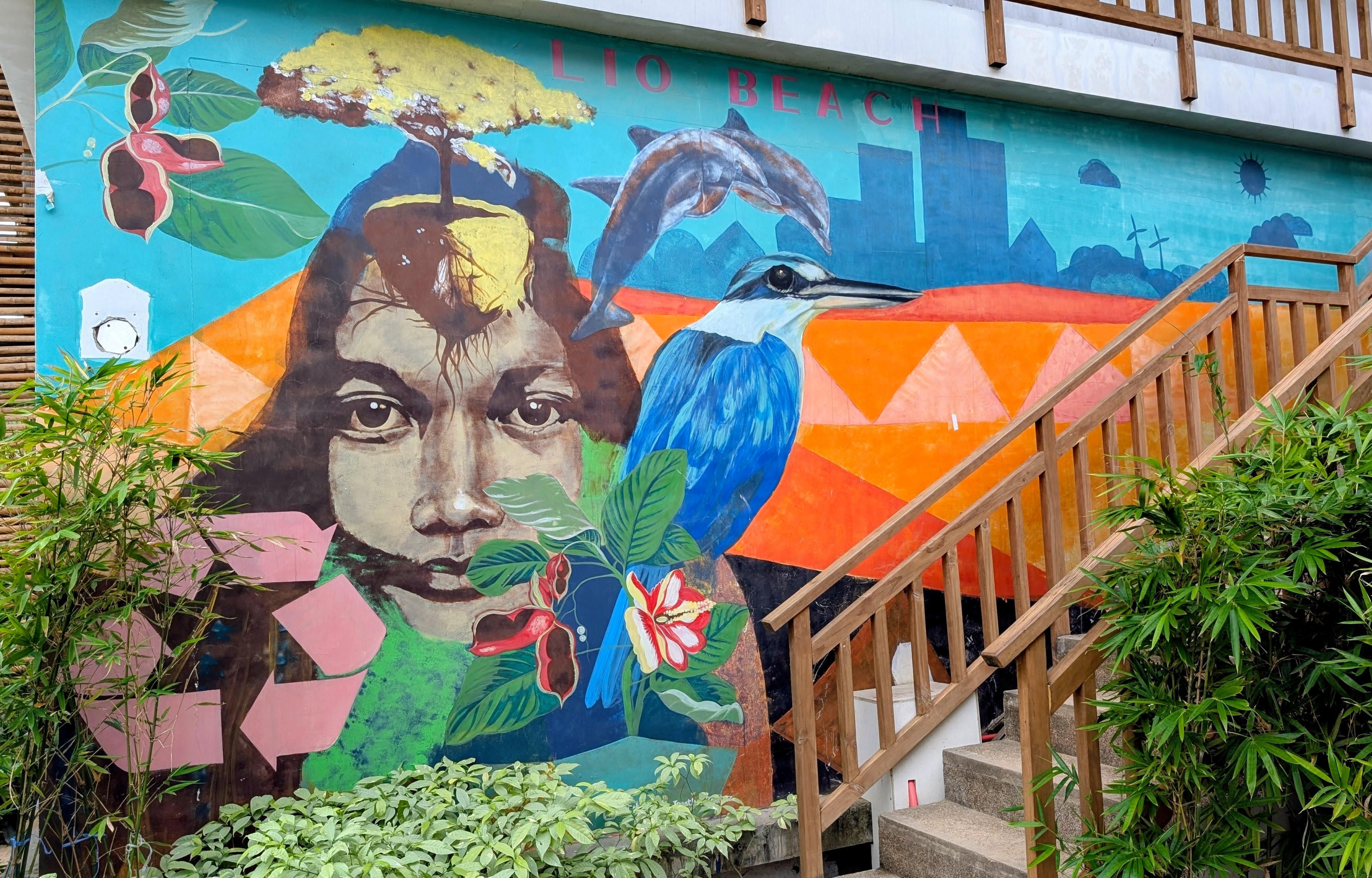
We were slightly apprehensive about El Nido due to reports of water contamination and ‘El Nido sickness.’ To stay safe, we were highly selective about where we ate, drank, and swam (making sure never to submerge our heads and only swimming far away from the town). Even so, we had a brief scare after ordering nachos at a restaurant on Lio Beach; expecting it to be a safe, cooked choice, we were alarmed when they arrived topped with heaps of soggy lettuce. While these precautions and close calls limited our food choices at times, it paid off. There were talks of closing El Nido, similar to what was done in Boracay to fix the infrastructure problems, but so far the government has decided to implement ongoing, targeted rolling rehabilitation instead.
Boat Tour Safety:
By contrast, we were a little apprehensive about the boat tours, but both of our island-hopping tours felt completely safe; flotation devices were provided and wearing them was mandatory, especially when the boat was in motion and when swimming in deeper waters. We also had to wait each day for the Coast Guard to officially clear the boats before departure, which was reassuring and showed there are actual safety standards in place. Getting in and out of the boats using those narrow ladders was a different story and took some skill. It definitely made us glad we did all those squats and renegade rows back home! Similarly, launching into a kayak at sea in rough surf was not a feat for the faint of heart and required going full-on James Bond mode!
💡 Tour Tip: Make sure to bring extra bottles of water on your boat tours. Most operators only provide water during lunch, which isn’t nearly enough to keep you hydrated under the sun all day.
Currency: The Importance of Cash
You will absolutely need to carry local currency (Philippine Pesos). While major cities like Manila and many places in Boracay widely accept credit cards, cash is still required for local markets, small vendors, transport, and tips.
Once you travel to more rural destinations like El Nido and Port Barton, expect to use cash for roughly 75% of your transactions. We highly recommend exchanging a portion of your currency at the Manila airport during your layover, as the rates are fair. We also utilized ATMs in Boracay and El Nido as a safeguard, as ATMs in smaller towns like Port Barton can occasionally run out of cash or carry higher transactional fees.
💡 Cash Tip: On some of the boat tours, you will need cash for extras, i.e. for the El Nido Island hopping tour, you need to pay cash for your kayak rental, a lunch table rental on the beach, and to buy any additional drinks at the beach bars. Make sure to have smaller bills as change is not always available.
Weather Patterns
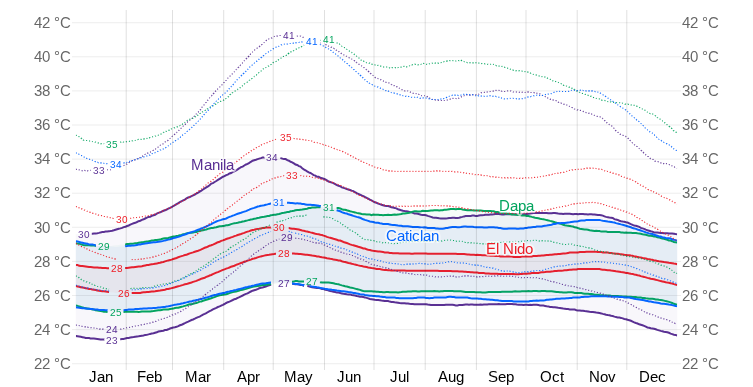
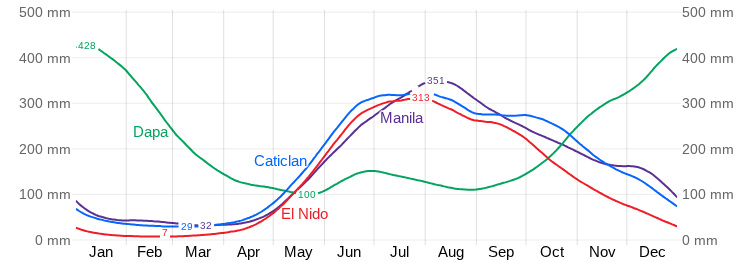
Generally, the winter months offer beautiful, warm, and sunny conditions. The majority of our time in Boracay, El Nido, Port Barton, and Manila featured excellent weather. In Manila, which is typically quite hot, temperatures sat at a very comfortable 25°C.
However, tropical climates are always subject to sudden changes. We experienced a few half-days of heavy rain and storms. In Port Barton, a downpour cut one of our boat tours short, and the rain was heavy enough that we closely monitored the hotel pool which looked like it was about to flood (…and maybe it would have, had we not bailed out water for about 20 minutes!)! In El Nido, we enjoyed about 4 clear days, followed by 2 overcast days with light rain.
Keep in mind that weather patterns vary by region. For example, we deliberately avoided Siargao because December and January mark their peak rainy season; if you wish to visit the surf regions, March offers much clearer skies.
Packing Advice: What to Bring vs. What to Buy
If your itinerary is focused on Manila or Boracay, you will have easy access to modern shopping malls and pharmacies that rival those in major global cities or resort areas. However, if you are visiting rural destinations like El Nido or Port Barton, Western amenities and specific brands can be much harder to come by.
🎒 Pack These From Home:
- Heavy-Duty Insect Repellent: If you prefer high-DEET formulas, buy them before you leave home because they are difficult to find in the Philippines. (Note: Despite meeting airline regulations, our 100ml DEET aerosol cans were confiscated at Lio Airport in El Nido).
- Sunscreen: While widely available, the selection on smaller islands is limited with unfamiliar brands. We had no issues traveling through domestic security with our 100ml aerosol and liquid sunscreen containers.
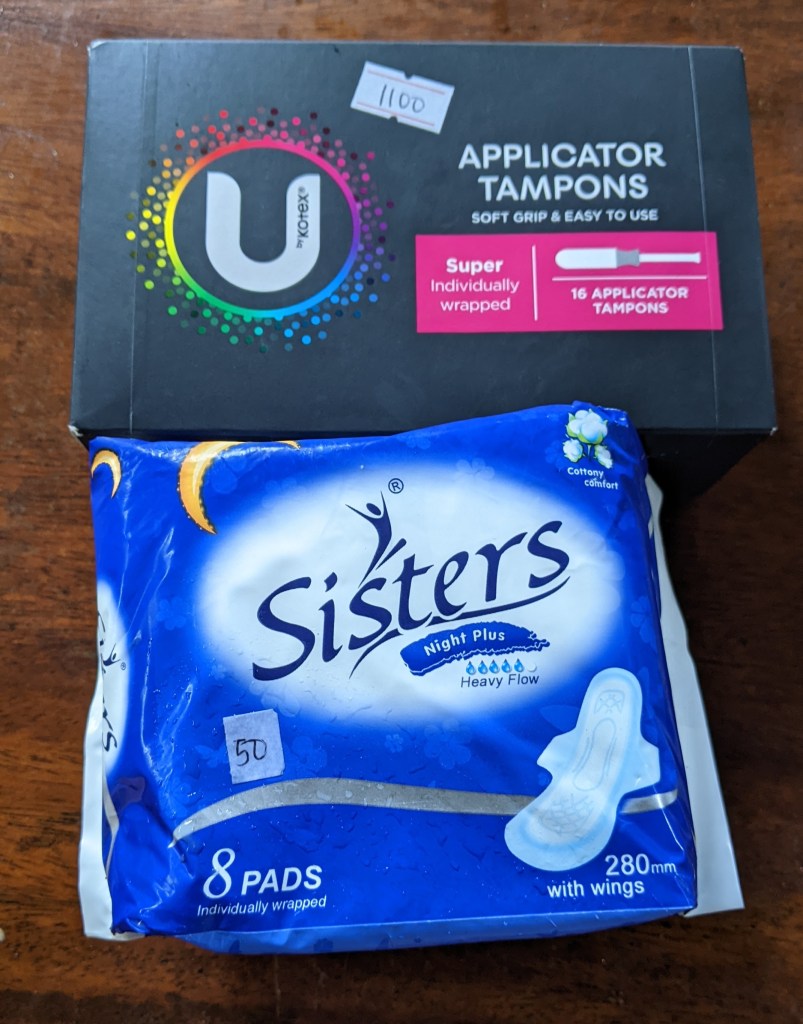
- Feminine Hygiene Products: If you use tampons, pack an ample supply. They are rarely stocked in rural pharmacies, and the markup is staggering. We had to buy the very last box at a pharmacy in Port Barton for a whopping $20 USD (about $1.25 USD per tampon), three times more expensive than in Manila, and more than the price of many of our meals!
- Basic First Aid & Antacids: Pack a good supply of Tums or antacids. The local cuisine is rich, tangy, and acidic, and we found multiple village shops completely sold out of stomach remedies.
- Snorkel Equipment: You can rent gear on boat tours, but the quality varies wildly. Bringing your own mask and snorkel ensures comfort, a good seal, and cleanliness.
🛍️ Buy Upon Arrival: Waterproof dry bags. There is absolutely no need to buy an expensive dry bag online before your trip. Local beach shops and street vendors sell heavy-duty, durable 5L dry bags for roughly $5 CAD ($3.50 USD), which are absolutely essential to keep your cash and phone dry on boat tours.
Travel Costs & Budgeting
Generally speaking, the Philippines is an incredibly affordable destination. Dining, beverages, local excursions, and domestic transport offer excellent value. However, keep in mind that traveling during peak holidays like Christmas and Holy Week (Easter) causes accommodation and flight prices to rise significantly due to high demand. Additionally, specialized or imported items in remote island stores will always carry a premium price tag, so it pays to prepare accordingly.
A Note on Accommodations
If you are looking for Marriott, Hyatt, Hilton, or IHG properties, you won’t find them outside of Manila and major urban hubs. Unlike other hotspots in Southeast Asia, the vast majority of island accommodations are smaller, independent boutique hotels. This makes redeeming credit card or hotel points to offset costs much more difficult. That said, we trusted the independent spots we chose, and they completely exceeded our expectations!
Other Tips & Information:
Here are a few general observations to help you navigate your trip.
- Language Spoken: English is widely and commonly spoken across the Philippines compared to other Southeast Asian destinations. You’ll rarely face major communication barriers.
- Accessibility: Travelers with mobility issues should prepare for a few challenges. Many venues rely on stairs without elevator alternatives, pools rarely feature accessibility lifts, and smaller regional airports often lack jet bridges or boarding ramps.
- Dietary Restrictions: While finding specialized food is possible, it gets significantly tougher outside of major cities. If you are gluten-free, dairy-free, or vegan, it’s highly recommended to research dining options in advance, especially when heading to rural areas.
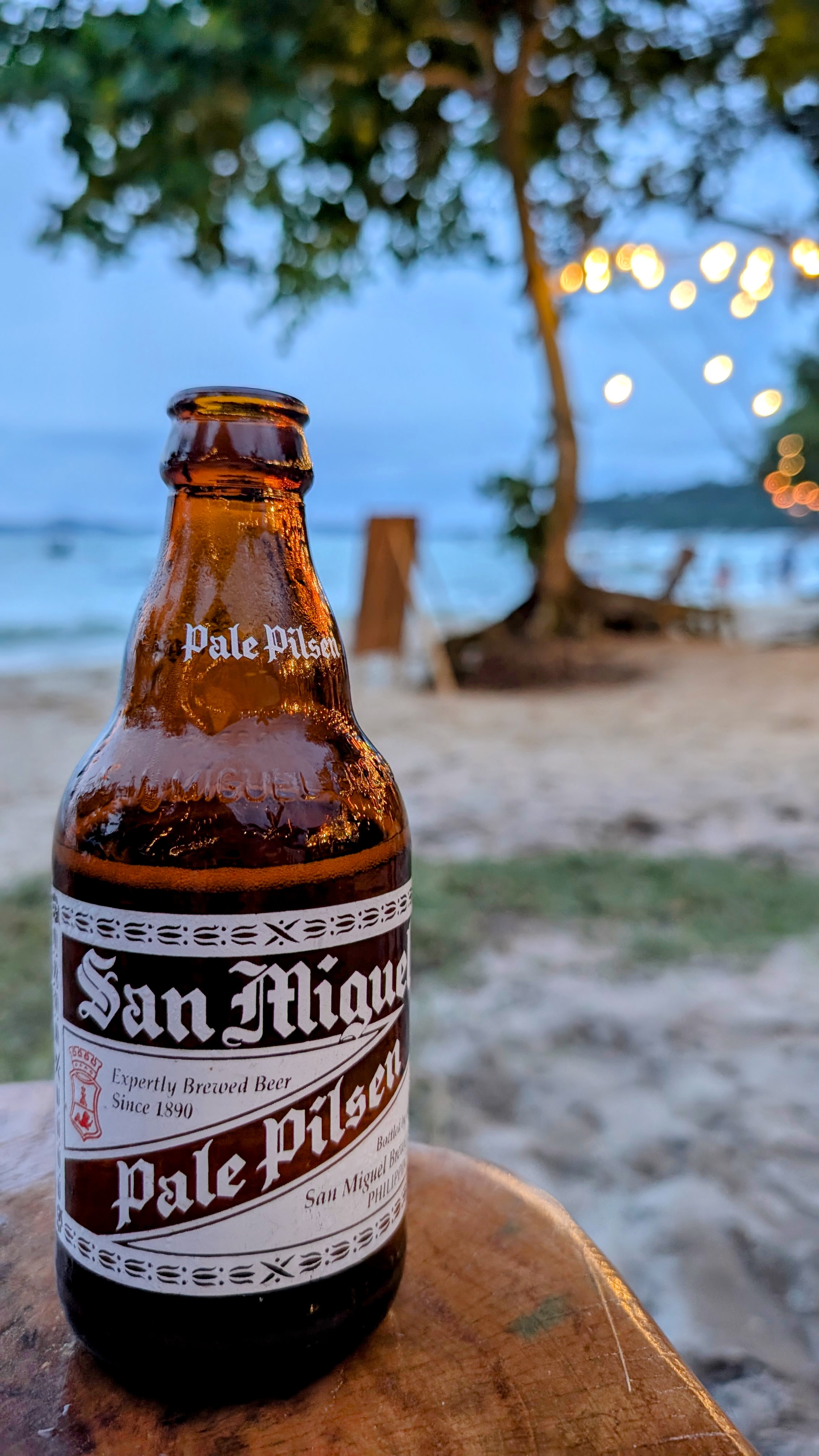
- Drinks: Wine and craft beer are treated as luxury imports—they are rarely found in local sari-sari stores, and when they are available, they are often marked up heavily and not always stored at ideal temperatures. Instead, stick to local favorites: grab a cold San Miguel (pro-tip: add a squeeze of fresh calamansi!) or cool down with a fresh calamansi caipirinha or mojito.
Would We Visit Again?
Yes! We would absolutely visit again! As we work on this post, we are already planning another trip for 2027. The Philippines is stunning: from its pristine beaches and lush greenery to the dramatic stone cliffs, vibrant coral, clear waters, and rich culture. But what truly made the trip was the local flavor and incredible hospitality. We are still dreaming of having chicken inasal almost daily, refreshing and tangy calamansi juice, kinilaw (local seafood marinated in coconut vinegar), tangy sinigang soup, and Bicol Express (a spicy pork stew with an interesting name!). We could do with a little less Magic Sarap though, but thankfully a cold San Mig helps quench the thirst!
Despite being experienced travelers, we felt happily lost in time and geography in the more off-the-beaten-path beach town of Port Barton. We were attracted to this small, up-and-coming spot with its dirt roads and limited accommodation between Puerto Princesa and El Nido after watching a FEATR video about it. We felt an immediate pull to add this harder to reach spot to our itinerary to explore the beaches, relax, and enjoy all the incredibly good food options (including the absolute best kinilaw of the trip!).
As lovers of beaches, swimming, and snorkeling, we spent hours in the ocean almost every day. Amazingly, we did this without a single sunburn thanks to good sun practices! We aren’t usually tour people or big on boats, but the island-hopping excursions, both group and private, were incredibly memorable and took our enjoyment of water activities to a whole new level.
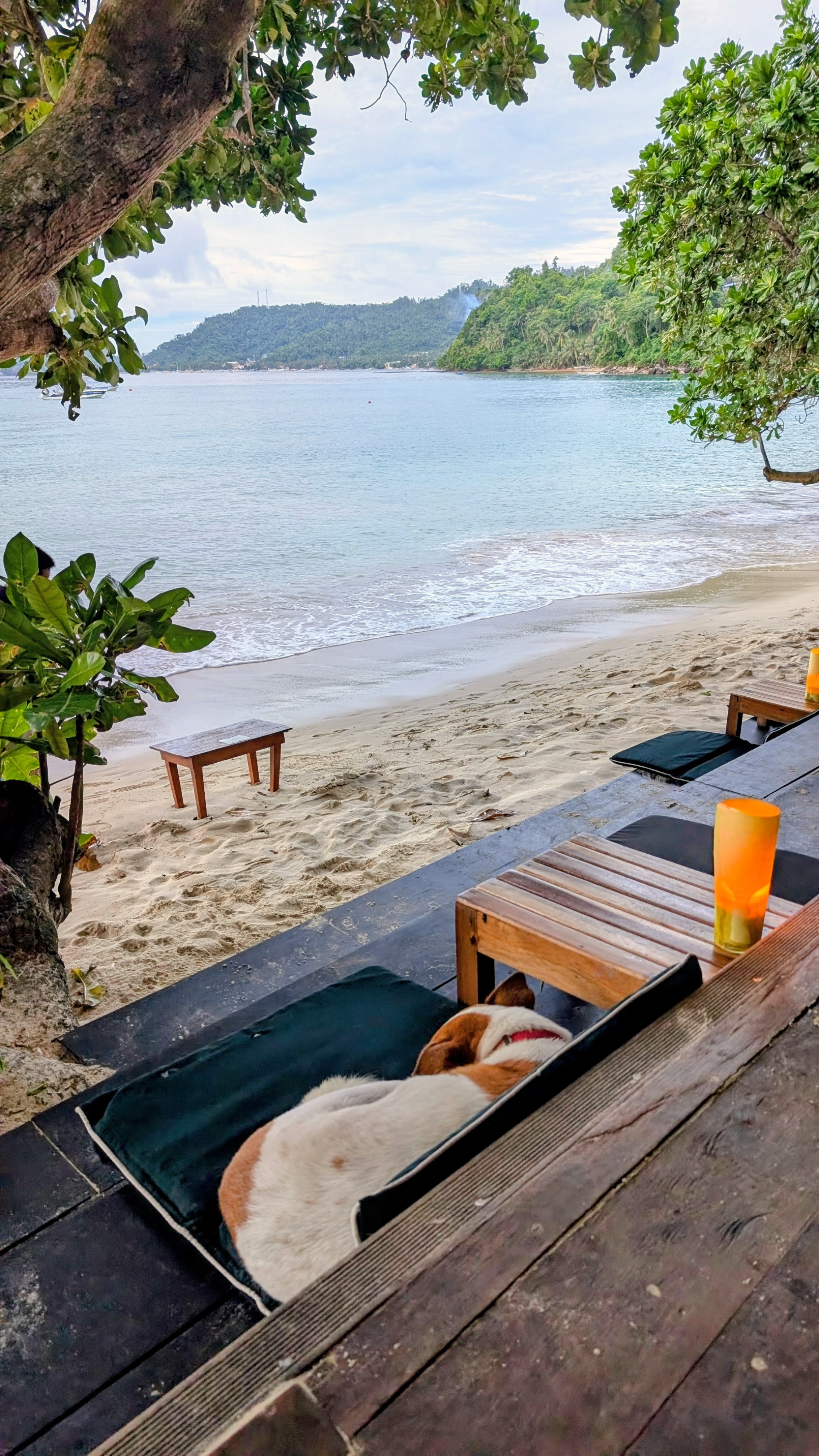
Granted, the less-established tourism infrastructure made things more frustrating at times compared to other destinations we’ve visited. It was also heartbreaking to see the stray dog situation, which might be the worst we’ve encountered in Southeast Asia, and the visible poverty can be difficult to confront. However, neither is a reason to skip visiting.
We barely scratched the surface of this vast, diverse country. If we are lucky enough to return, we hope to seek out tultul, the rare artisanal salt we also saw featured on FEATR. While the Philippines isn’t as “easy” to navigate as other places we love, like Thailand or Indonesia, it offers so many rewards for the effort—and that is definitely part of the appeal.
Related Posts:
- Boracay: Is It Worth the Trip? Our Honest Verdict
- Beyond El Nido: Is Port Barton Palawan’s Next Unscripted Paradise?
- Hotel Review: Diwatu Villas El Nido – Funky eco-friendly pool villas in El Nido!
- Hotel Review: Maremegmeg Beach Club – A small boutique hotel on one of El Nido’s nicest beaches!
- Hotel Review: The Lind Boracay – A nice resort on Boracay’s White Beach!
- Hotel Review: Seaworthy Boracay – A small boutique hotel on the beach in Boracay!
- Hotel Review: Grand Hyatt Manila – Convenient location and excellent breakfast!
- Hotel Review: Yumi Villas – one of The nicest places to stay in Port Barton!


Leave a Reply