
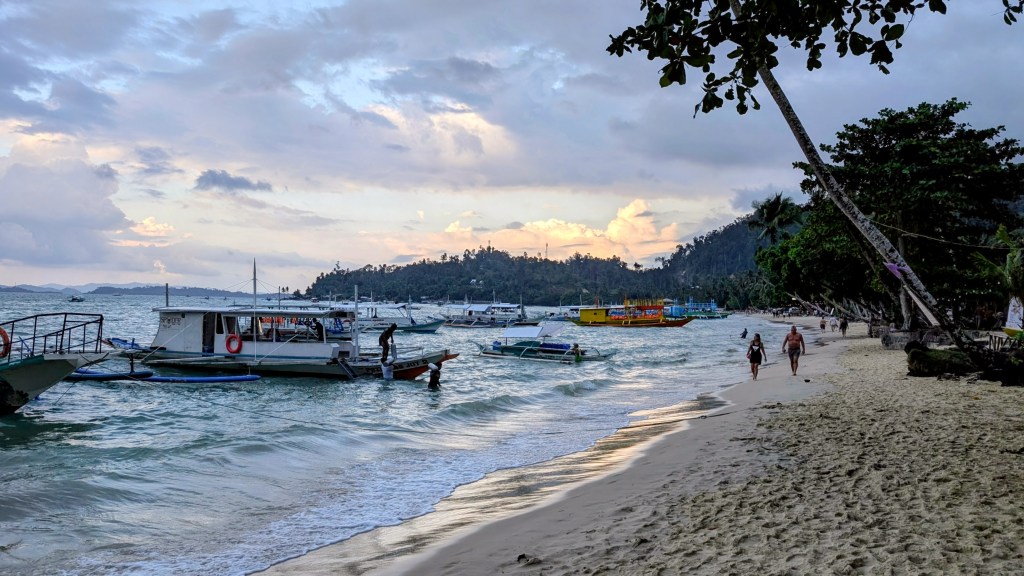
Before visiting Palawan, most travellers have heard of El Nido and Coron. Their dramatic limestone cliffs, turquoise lagoons, and island-hopping tours dominate social media feeds and travel itineraries. But tucked away more or less halfway between El Nido and Puerto Princesa sits a small beach town that feels like a glimpse into what parts of Southeast Asia may have looked like before mass tourism arrived.
Welcome to Port Barton.
With its dirt roads, small guesthouses, local fishing boats, island-hopping tour boats, village dogs, friendly locals, and noticeably slower pace of life, Port Barton has become known by some travellers as one of the last frontiers of tourism in Palawan. While it certainly isn’t undiscovered anymore, it still feels more authentic compared to some of the other tropical destinations we have visited. It is reminiscent of a spot you’d find on the “Banana Pancake Trail” popular with backpackers circa 2010. During our recent Philippines trip, we spent three days here between stays in El Nido and found ourselves sad to leave.
Rather than asking whether Port Barton is “worth it” in the same way you might evaluate a more polished beach destination, it is more useful to ask what Port Barton offers. This is not a place built around seamless convenience, luxury resorts, or perfect swimming beaches. Its appeal is slower, messier, more local, and more reflective of a destination still figuring out what tourism will mean for its future.
First Impressions: A Town That Still Feels Local
The best way to describe Port Barton is simple: it is not El Nido, and that is exactly what makes it interesting. That is not a criticism of El Nido. El Nido has its own appeal, especially if you are looking for iconic limestone scenery, established tour options, and a more developed tourism scene. Port Barton offers something quieter and less defined.
In Port Barton, tourism is clearly developing, as it is in nearby San Vicente, but the town still feels like it is trying to figure itself out. Even its name, originally a Tagbanua settlement named “Itaytay” before an English surveyor inspired the name Port Barton sounds more like a town in Florida or Australia than a small village in the Philippines. Accommodation options are more limited, development feels slower, and the infrastructure is noticeably more basic. There are no mini-malls or international fast-food chains here (you can find McDonald’s on Vanilla Beach in El Nido). The pharmacy also serves as a small mini-mart, and many shops feel like they are operating out of people’s homes. For now, Port Barton still feels like a small fishing community that has gradually welcomed tourism while largely maintaining its local character.
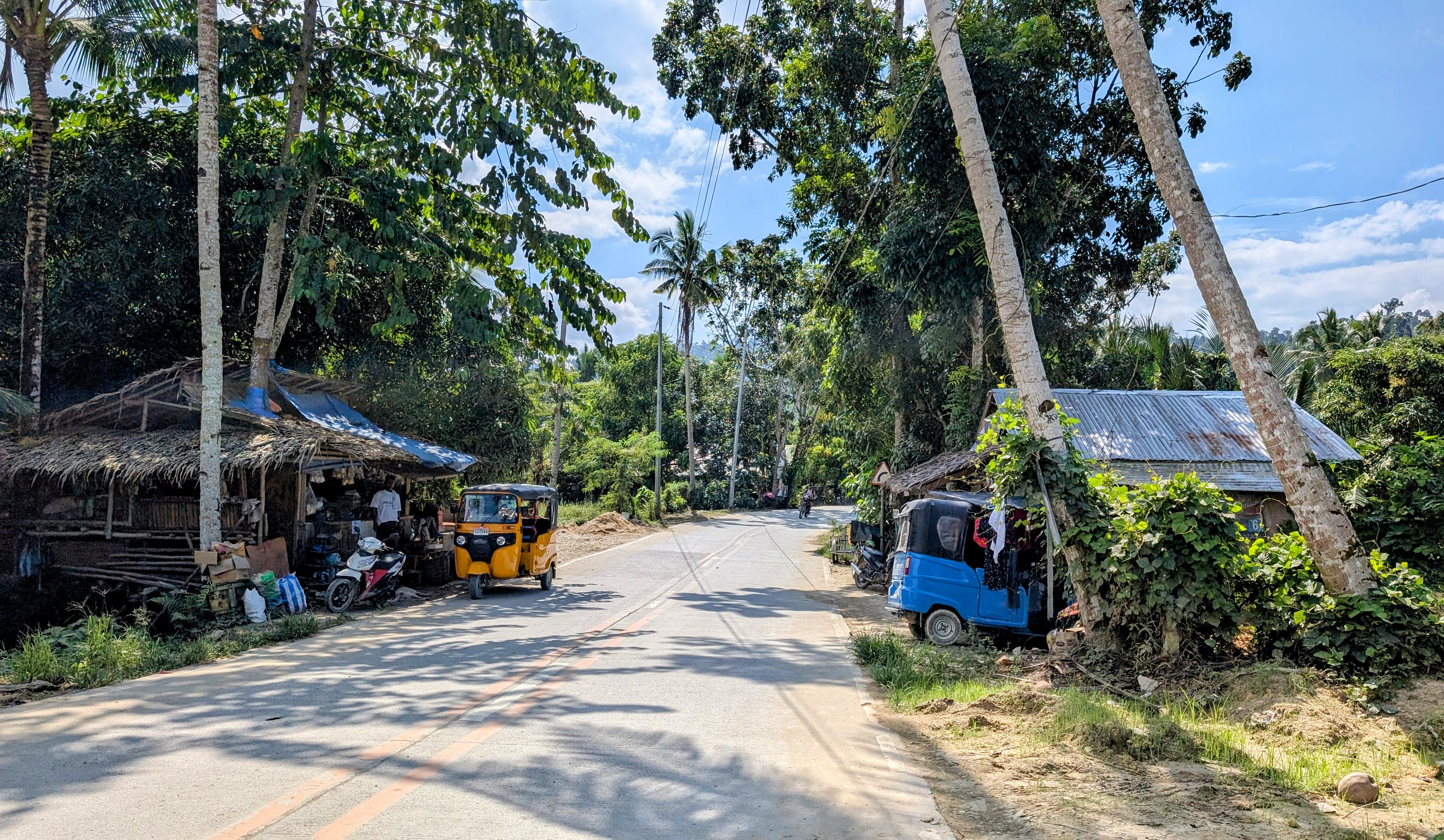
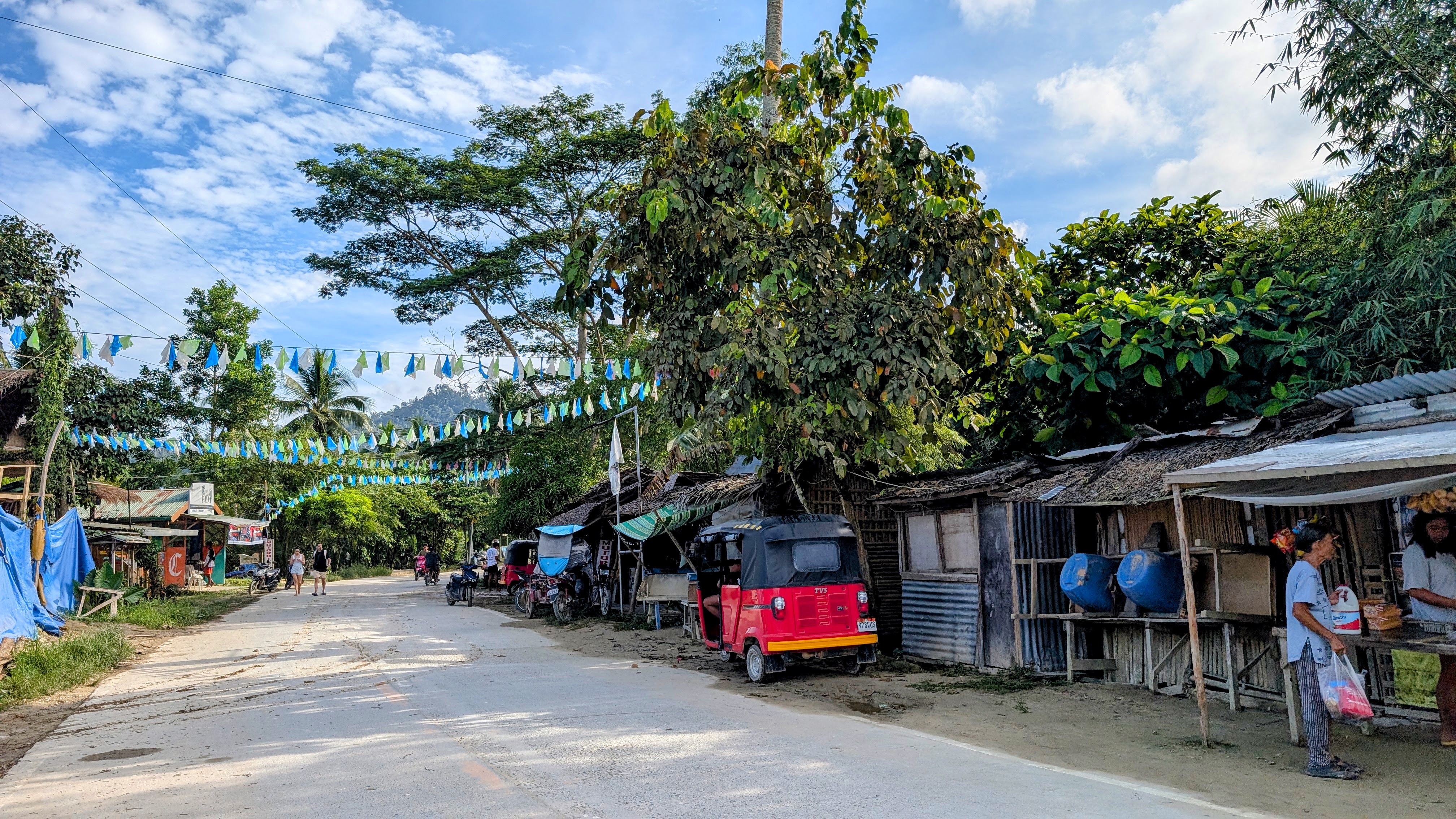
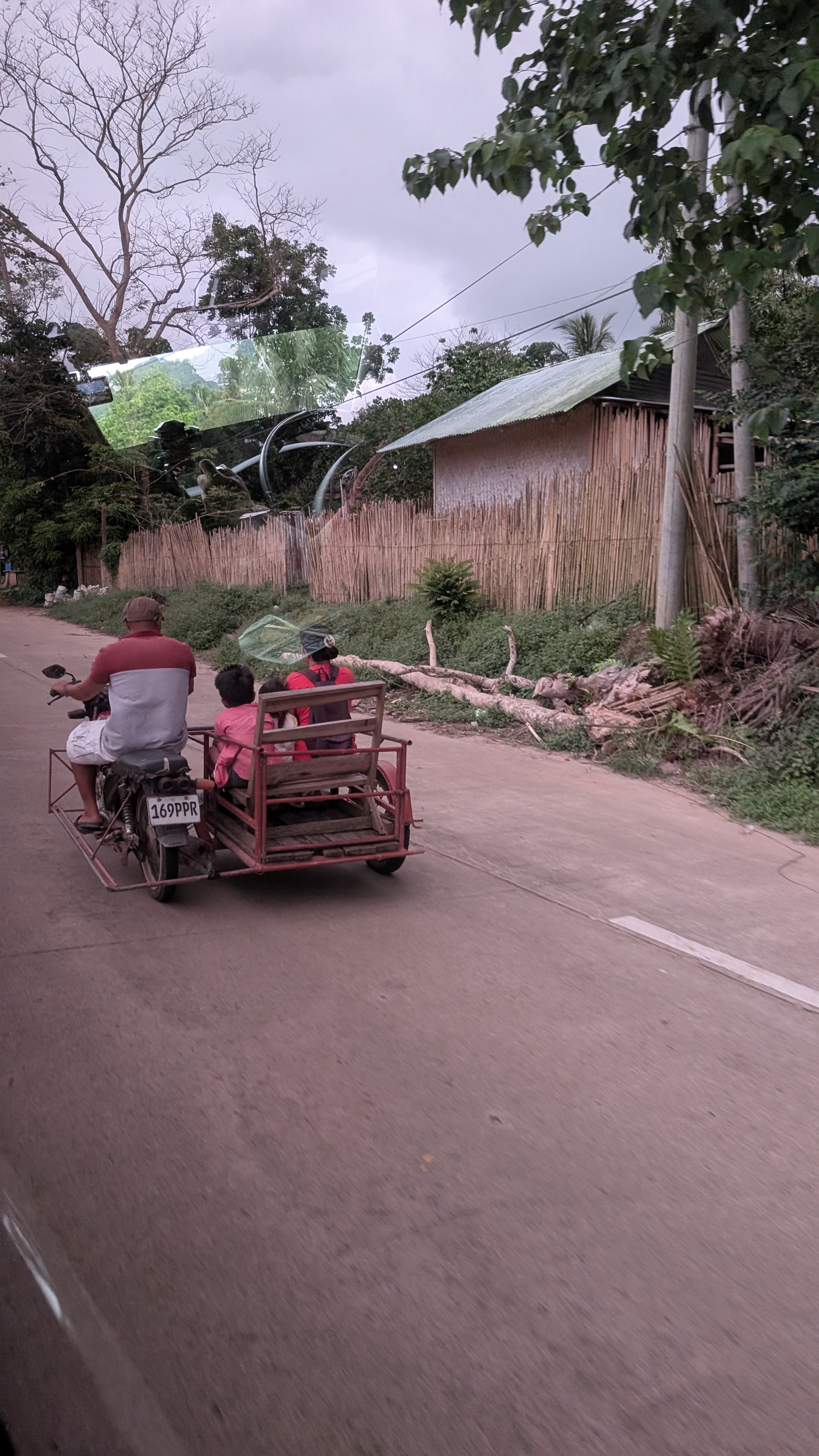
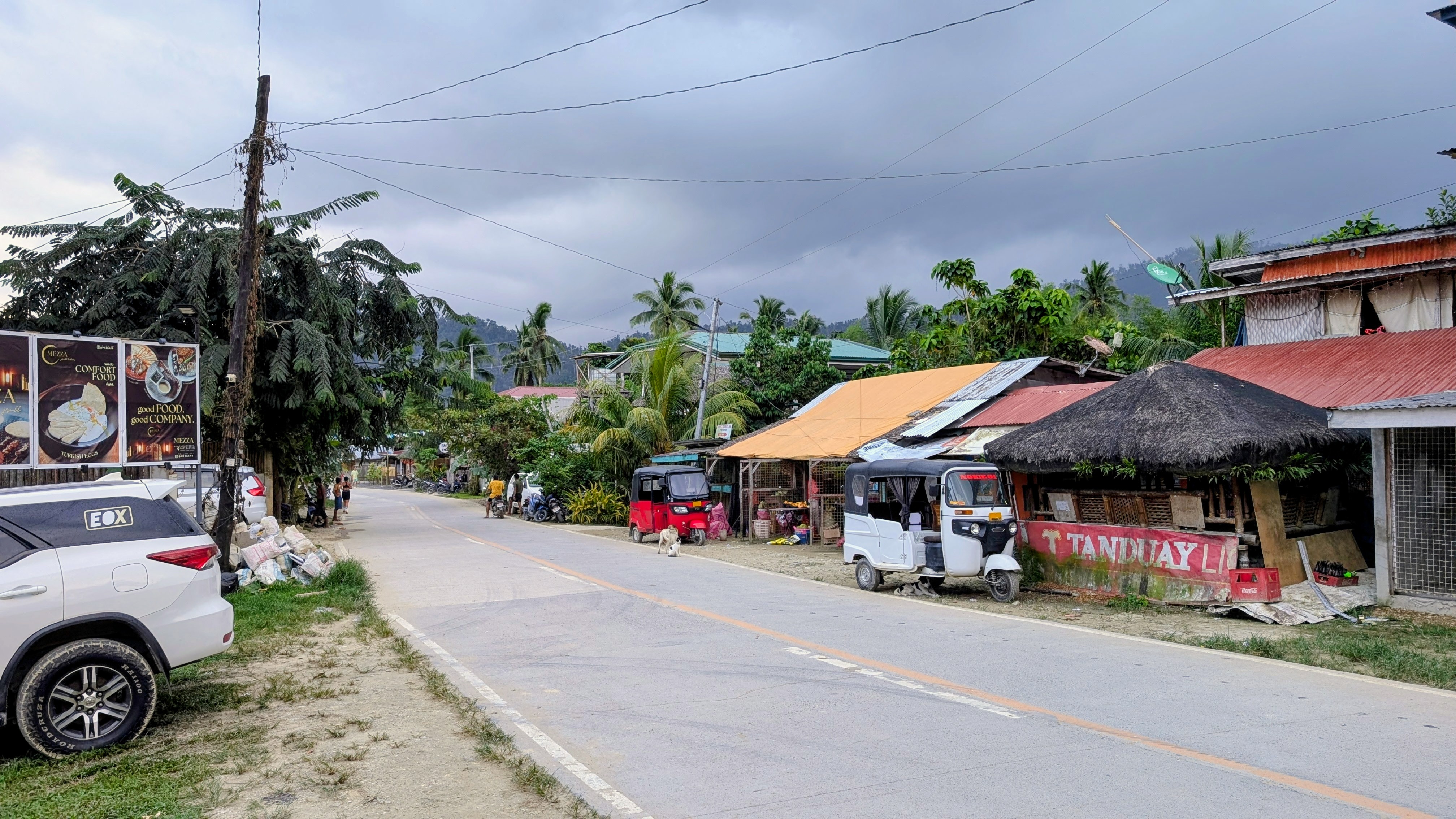
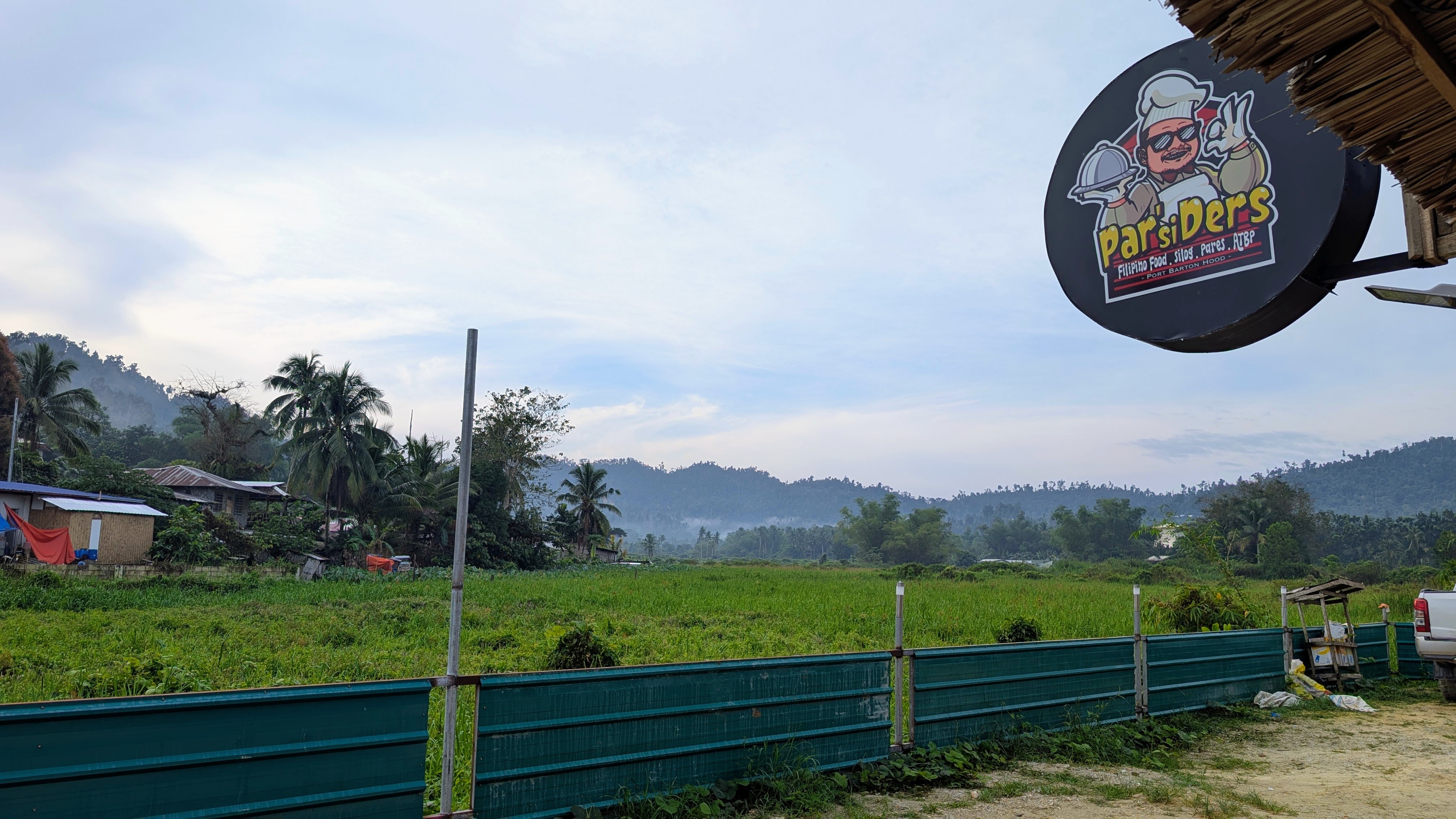
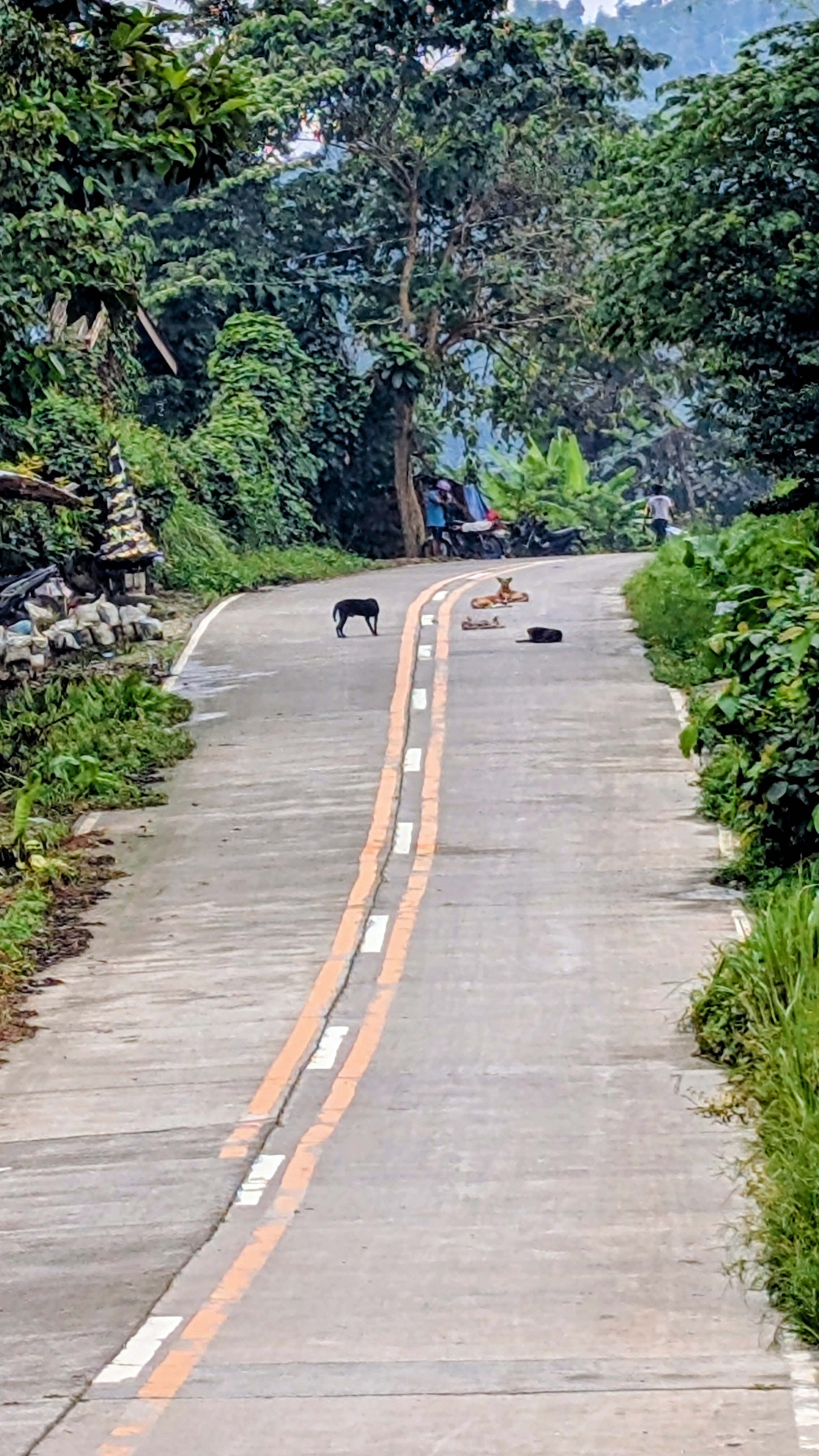
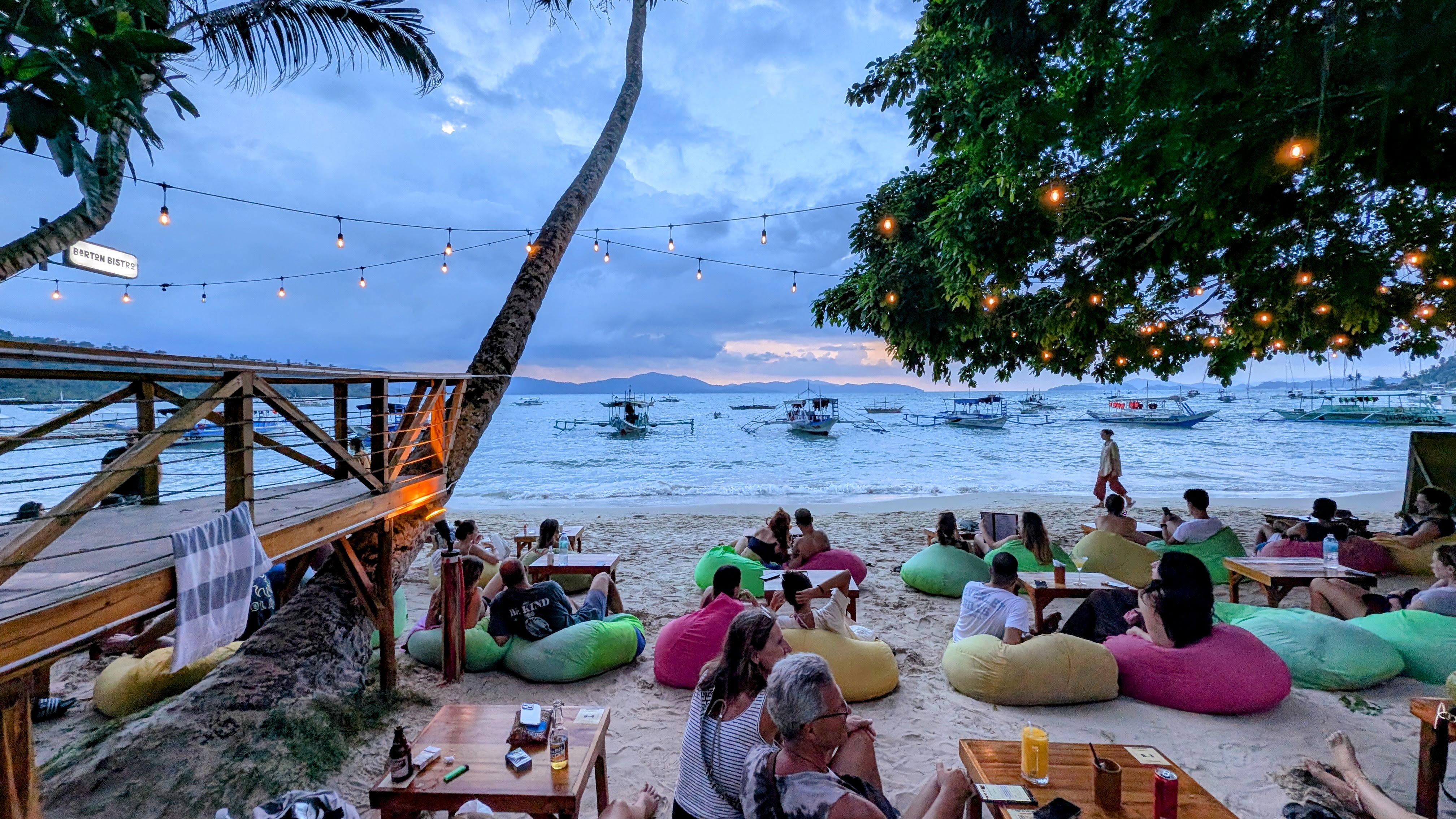
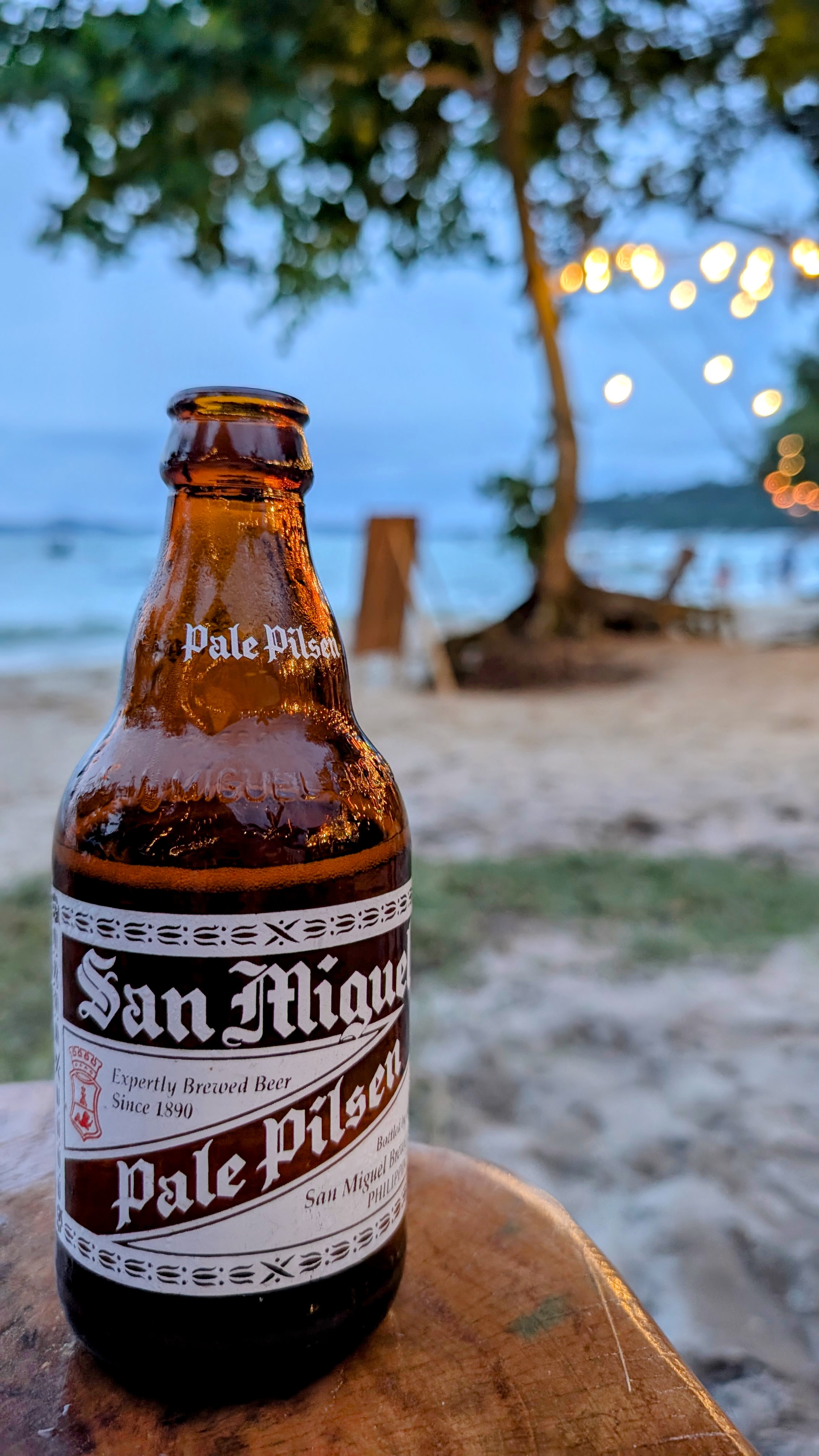
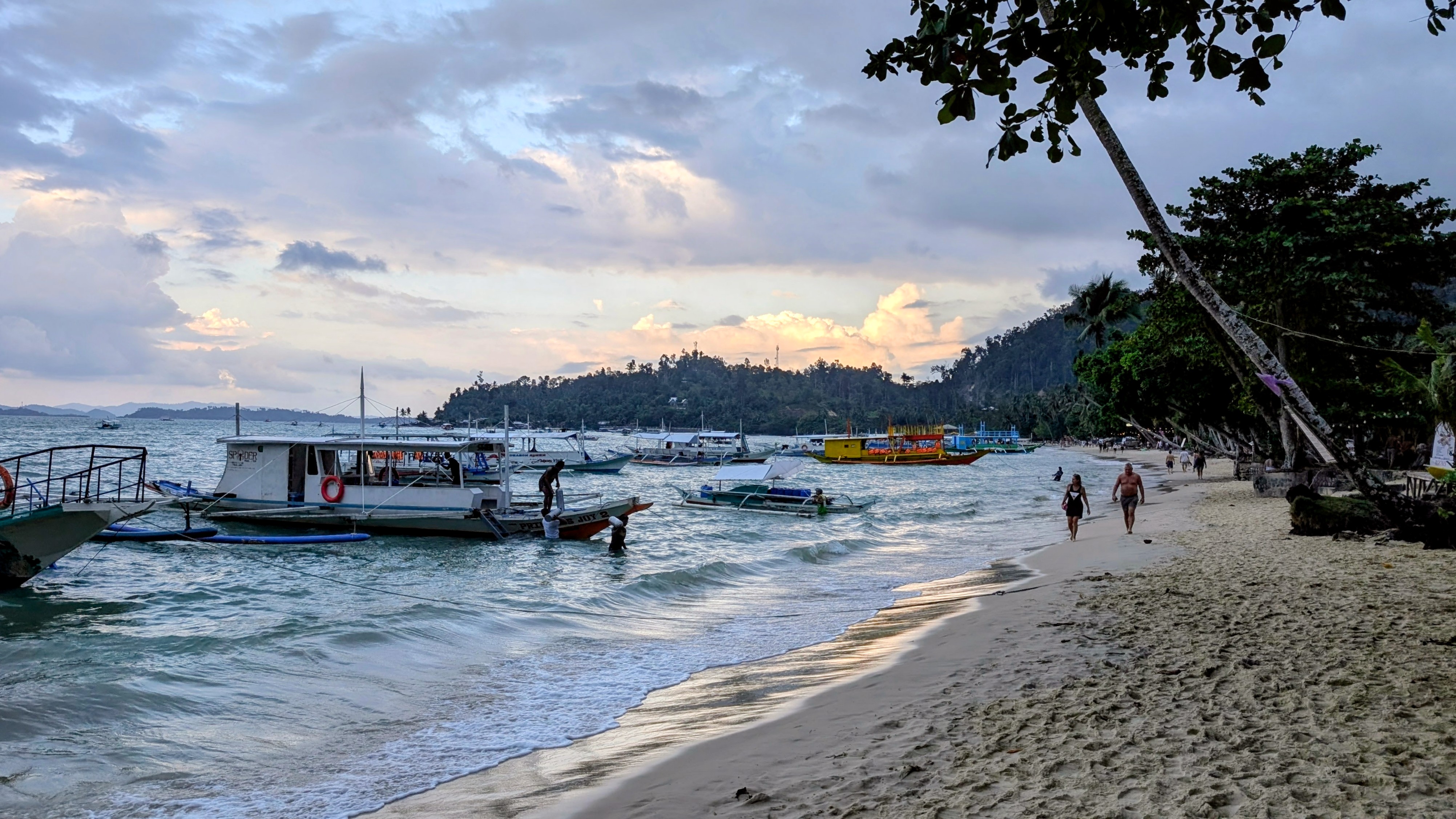
Many roads remain unpaved. Scooters and tuk-tuks outnumber cars, and chickens wander through the streets. Local fishing boats share the shoreline with island-hopping tour boats. People swim where they can on the small, quiet yet busy beach, while locals record dances for social media. As the sun sets, people gather along the beach to listen to live music at one of the few beach bars. Meanwhile, tour guides try to entice you to join their tour the next day, and local dogs try to scrounge up some dropped food. It is common to hear locals worry and complain about long and frequent power outages, and those who can afford it have installed generators.
It feels very disconnected from the modern world, other than the number of locals and tourists using their smartphones to capture all the beauty to share more about this off-the-beaten-path tourist paradise. Everything we did was more or less within a 30-minute walk or tuk-tuk ride, and we got to see most of the town within our first 45 minutes in town.
Getting Here: The Journey Is Part of the Adventure
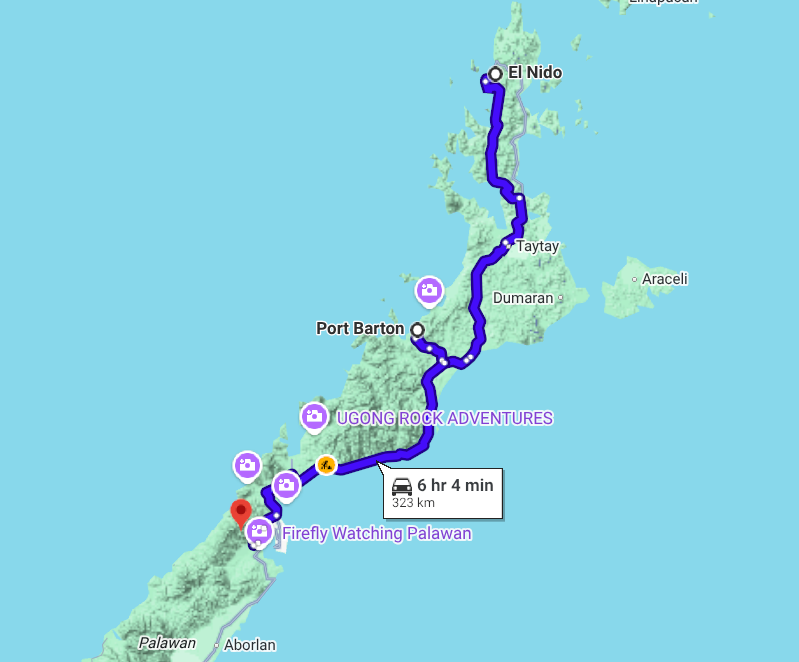
One of the reasons Port Barton has maintained its relaxed atmosphere is that it takes a little effort to reach. Most visitors arrive via a shared or private van from either Puerto Princesa or El Nido. The drive is scenic but can be long, particularly on sections of winding rural highway.
We found that the transportation experience was one of the more adventurous parts of visiting Palawan, particularly compared to the highly organized transfers available in places like Boracay. Some travellers may view the journey as an inconvenience, which we did. Based on reviews and information, we wanted to avoid the shared vans that cram people and are often delayed, but the cost of a private transfer is about 10 times more expensive.
Getting here requires patience, but that’s exactly why Port Barton still feels like a frontier destination. The extra effort naturally discourages rushed itineraries and day-trippers, helping preserve the slower atmosphere that makes the destination so appealing.
Planning Your Stay: How Long is Ideal?
Due to all the challenges we had with planning our Philippines trip itinerary due to the lack of easy transfers between islands, Port Barton became an option to break up our stay in El Nido. We ended up putting it on our radar after needing to adjust our itinerary and watching a FEATR YouTube video where Erwan Heussaff drives there from Puerto Princesa to Port Barton and makes it look super cool.
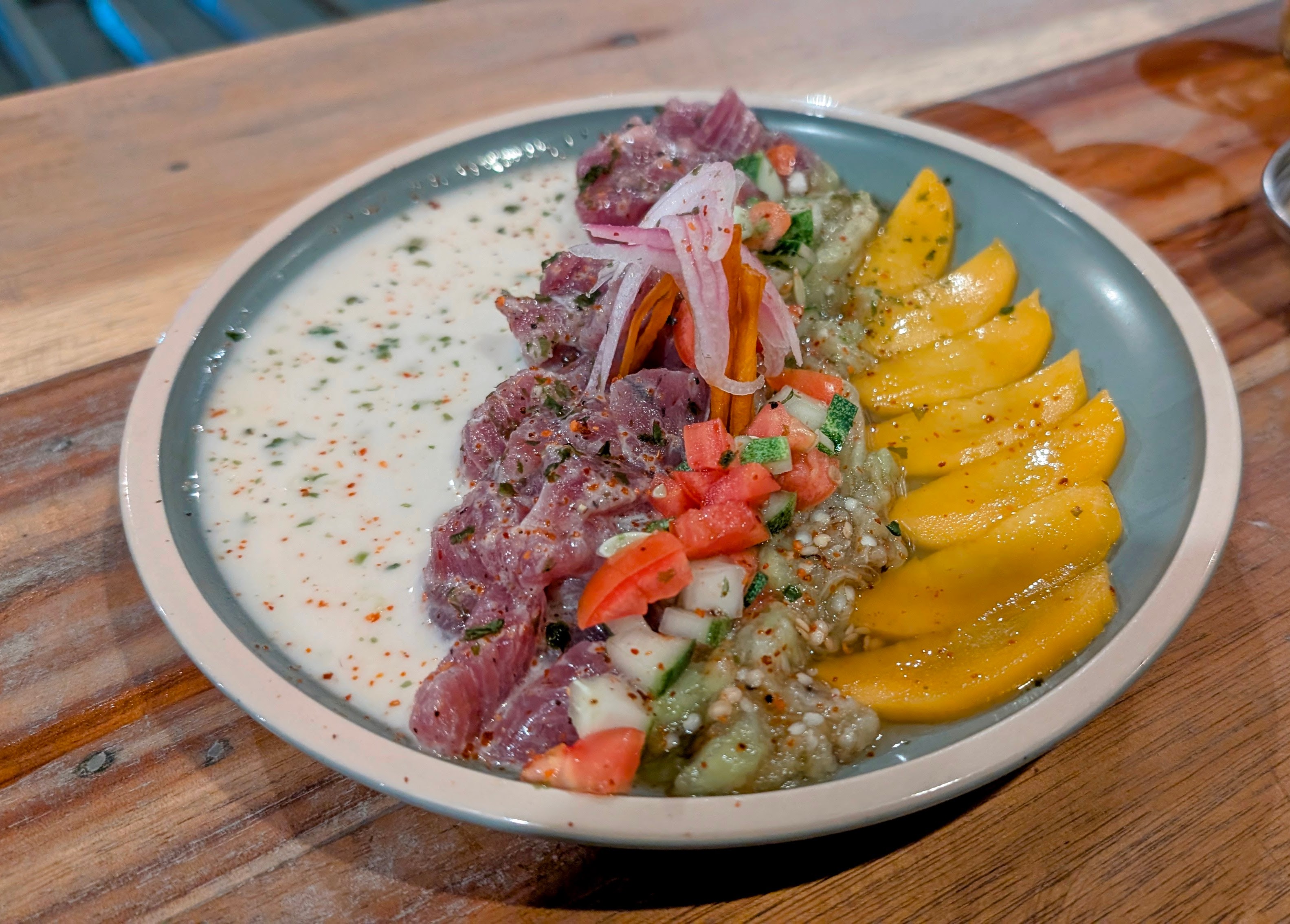
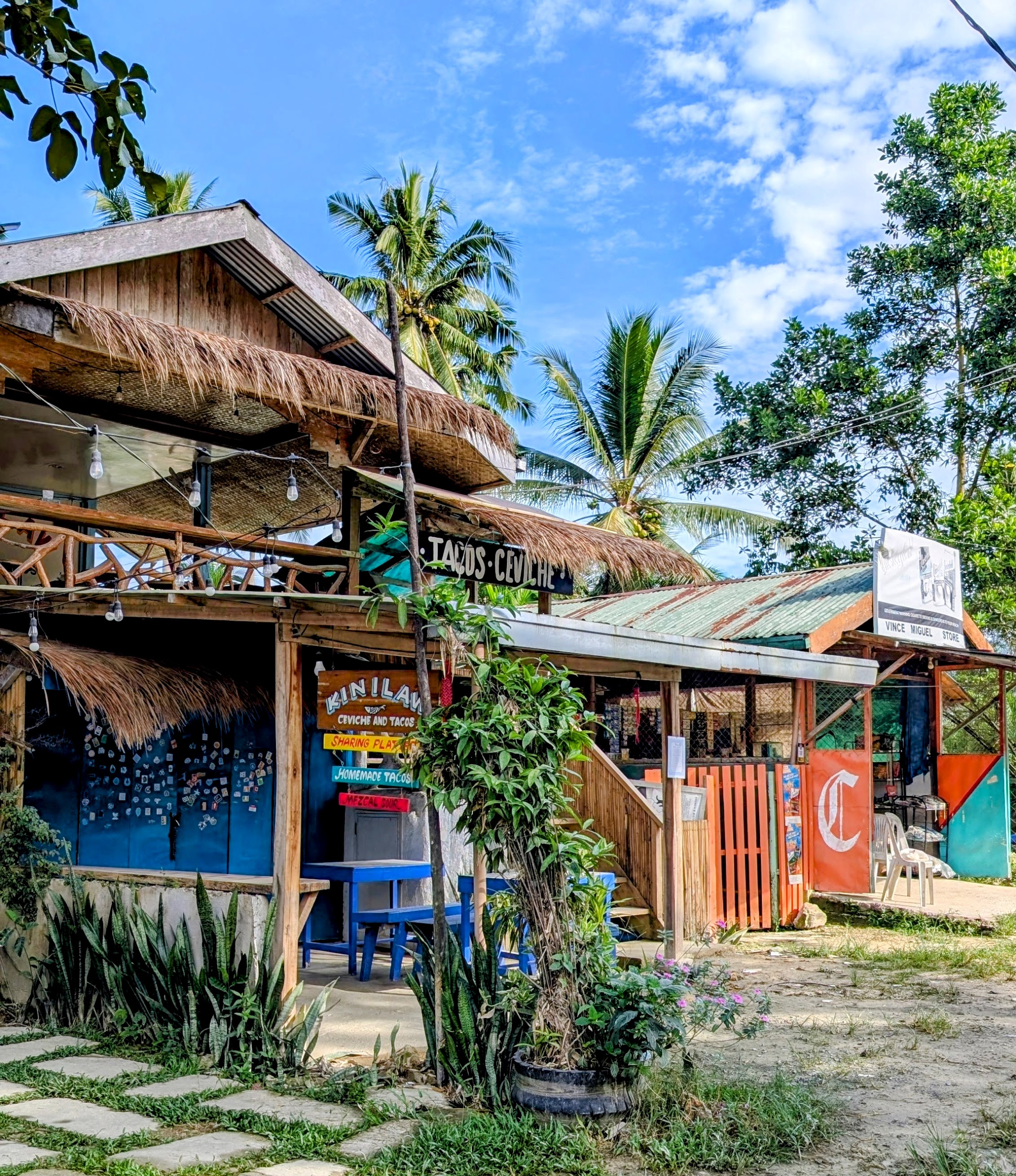
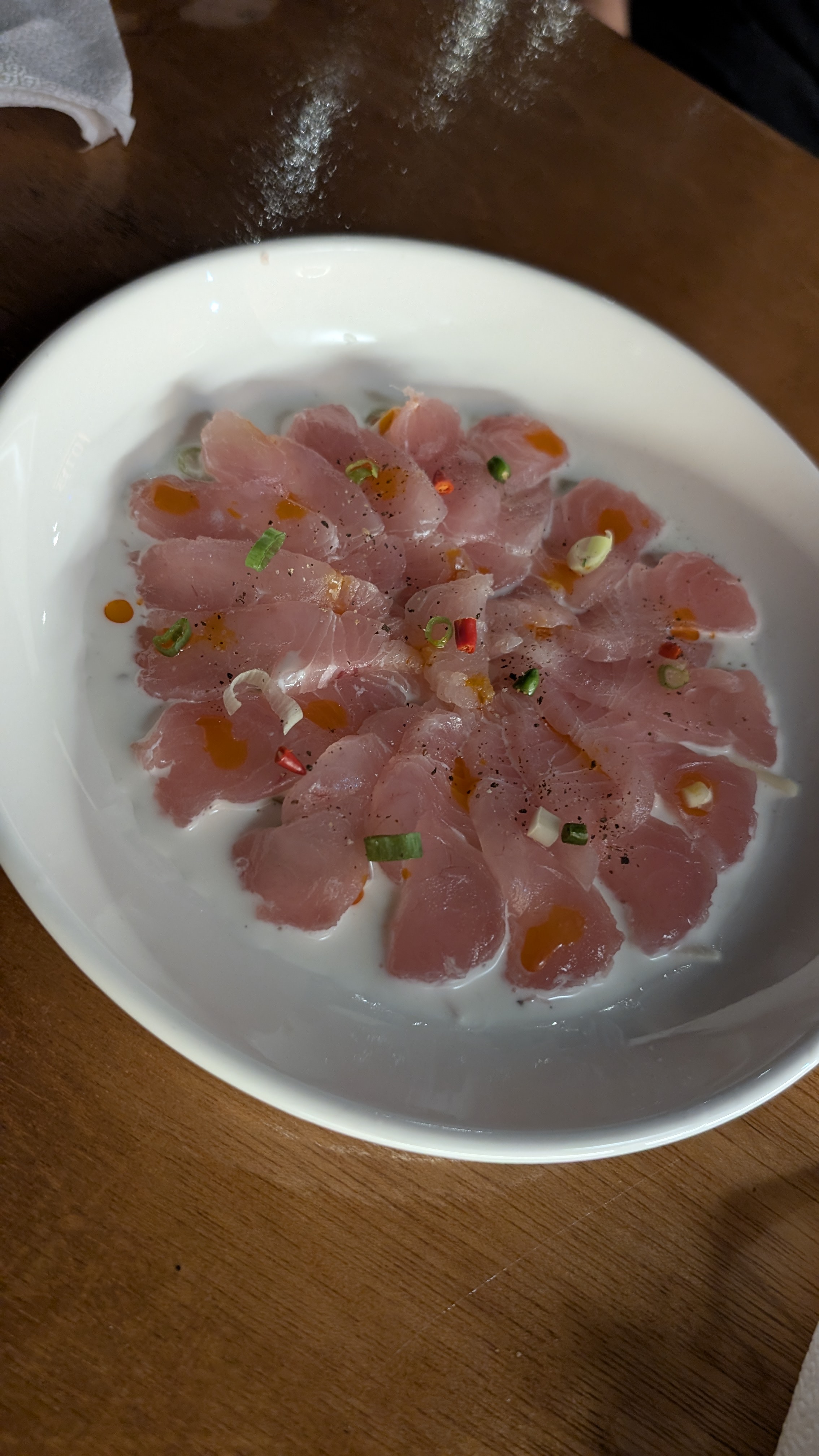
Our days went by super fast and we left feeling as though there were still things we wanted to do…another beach to check out, returning to Kinilaw for more of their fresh tuna kinilaw, trying other restaurants, returning to Viva Coffee for coffee, and just relaxing.
Port Barton isn’t a place where you need a packed itinerary because it is a very small town. If you are happy to walk the small beach and streets in town, saying hi to people you’re starting to recognize from boat tours and the beach, taking a boat tour one day, exploring the beaches outside of the town, going for a sunset happy hour drink, kayaking to a sandbar, taking a fitness class at a new modern studio in town that looks like it was inspired by Bali, and repeating the same day or variation of it, you will enjoy Port Barton.
Four to five nights is ideal. Anything less feels a bit rushed, while a longer stay might leave you feeling like you’ve fully exhausted its small-scale charm.
The Beaches: Untamed and Quiet with Downsides
If Boracay offers mass tourism and crowded beaches, Port Barton offers more rustic and less manicured beaches. The beach in town and outside of town feels pretty natural, again with very limited facilities. If water activities like swimming are a must for you, Port Barton may leave you somewhat disappointed. We would not say it is a destination with stunning beaches in the town.
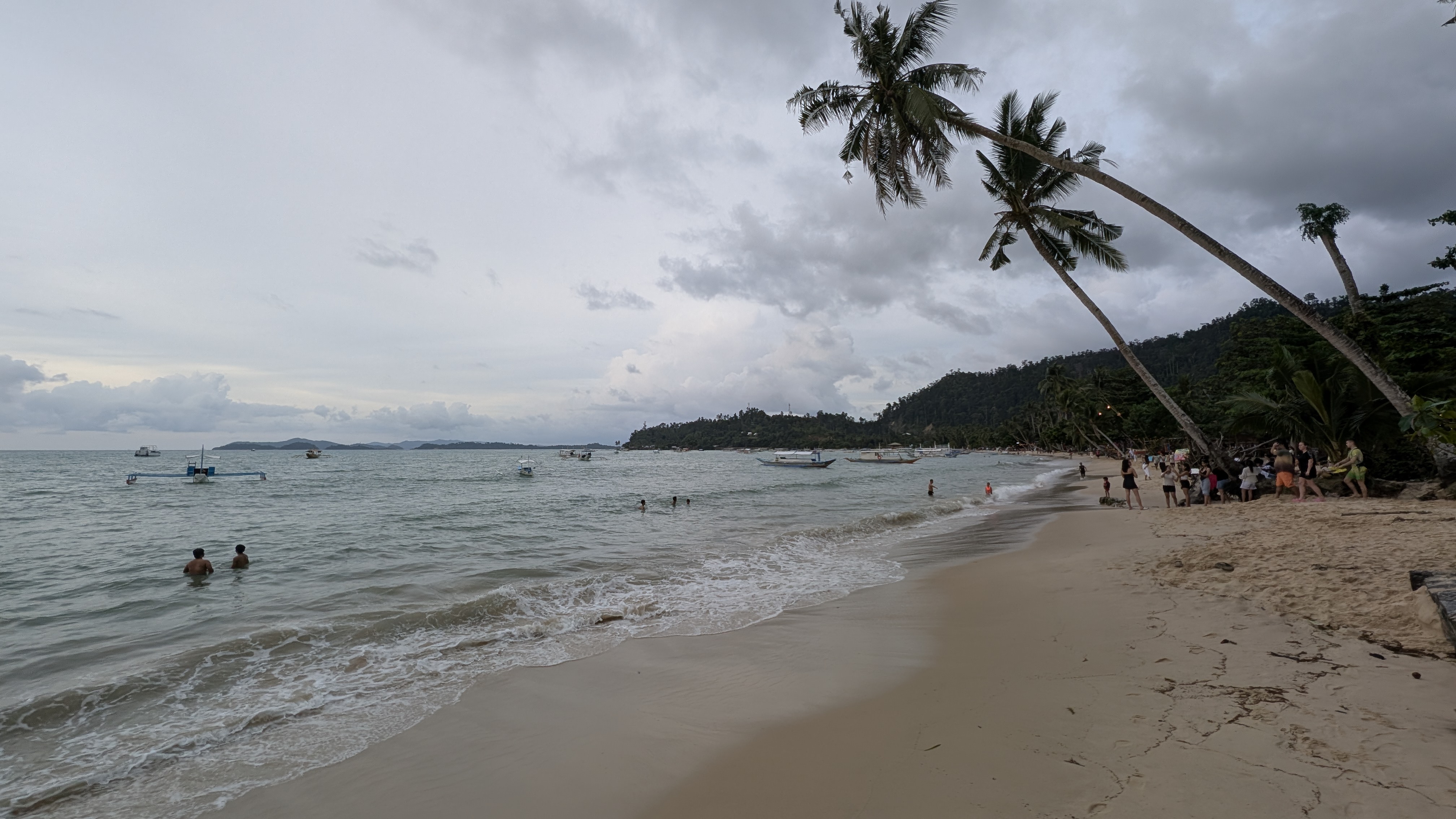
You can swim at the beach in town, but before the boats leave in the morning and after they return in the afternoon, it gets busy. During our stay, the surf was not as calm as we had hoped, and the water was a little murky, making swimming less ideal.
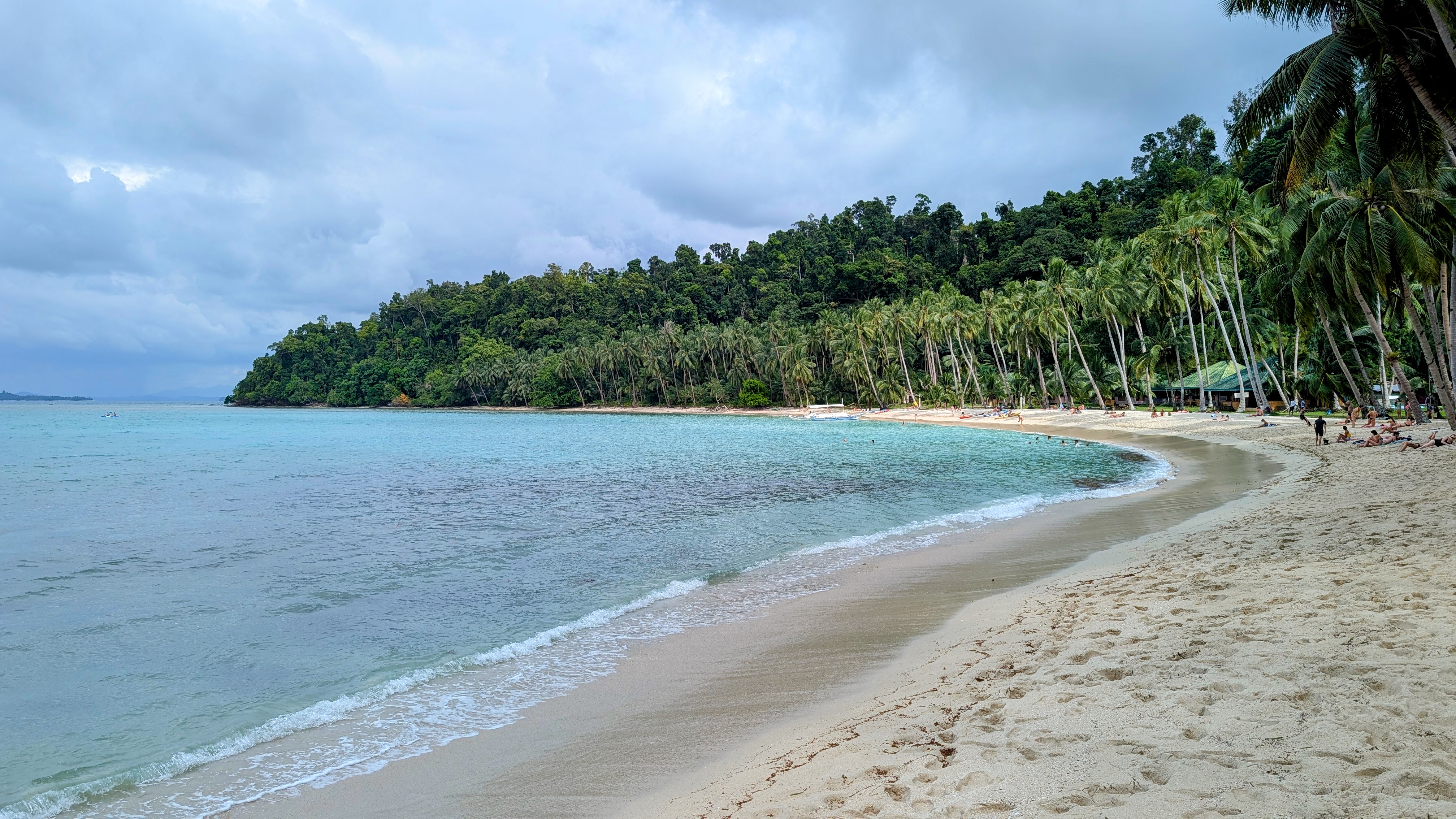
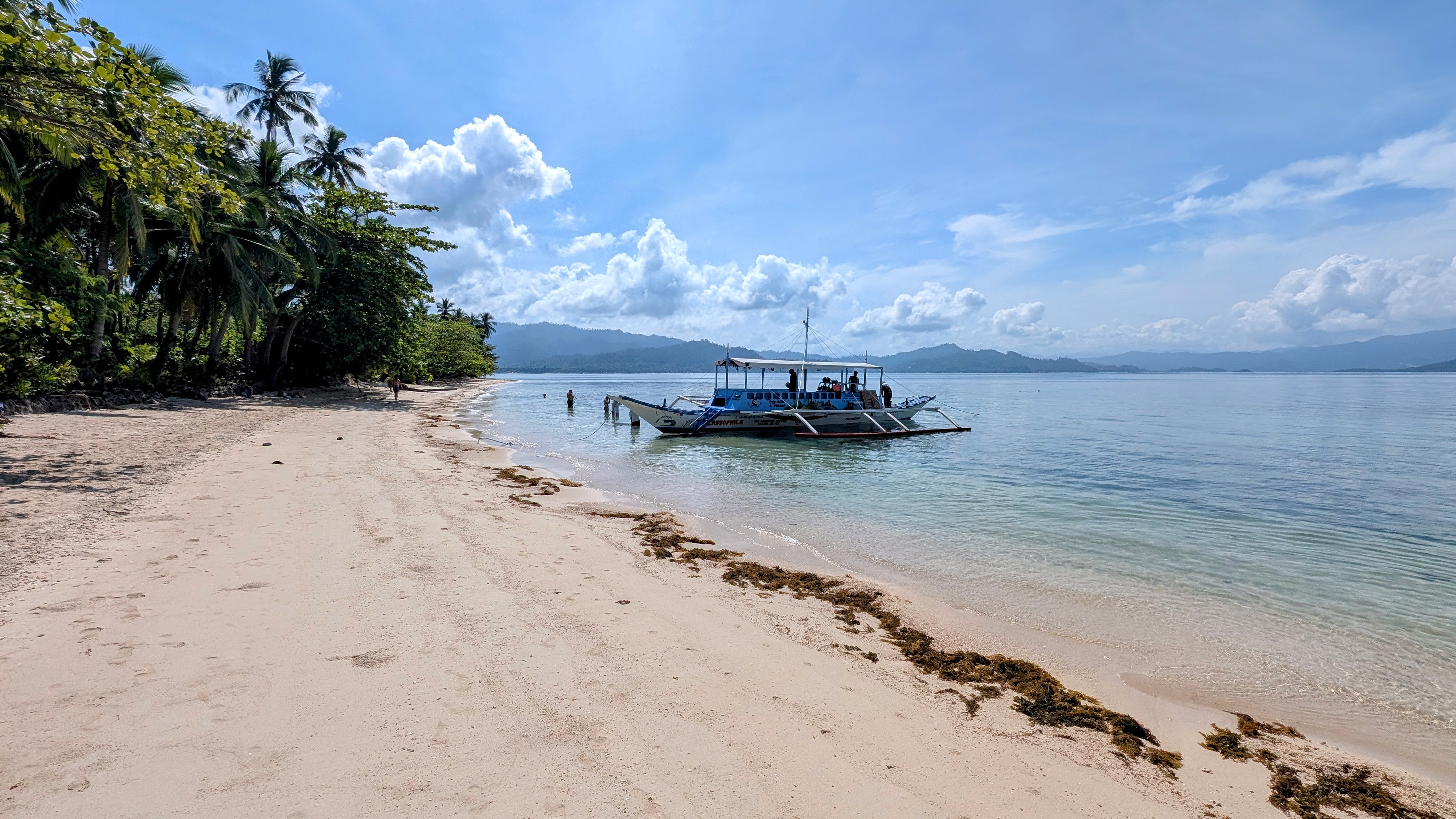
This was also the case at White Sand Beach, which had quite a bit of seaweed during our visit. It’s a unique spot with farm animals like sheep and pigs wandering the sand; while they can be friendly, some can get a little aggressive. You also need to watch your step, as there were spots with exposed barbed-wire fencing pushed into the ground that posed a real hazard for anyone walking barefoot. White Sand Beach does have a restaurant, but when we arrived, the lines were extremely long and they were already sold out of many menu items.
Nearby at Coconut Beach, a local family maintains the area and charges a small access fee of around 50 pesos.
Getting to both beaches was an adventure in itself. Because of recent heavy rains, the dirt roads were incredibly muddy and washed out. Renting a scooter seemed far too treacherous under those conditions, so we opted for a tuk-tuk instead. Even with an experienced local driver at the wheel, navigating those steep, slick, mud-slicked roads during a heavy downpour felt a little white-knuckle at times.
If your definition of paradise involves solitude and simplicity at the beach with mixed swimming conditions, you will be okay in Port Barton.
Island Hopping: The Real Highlight
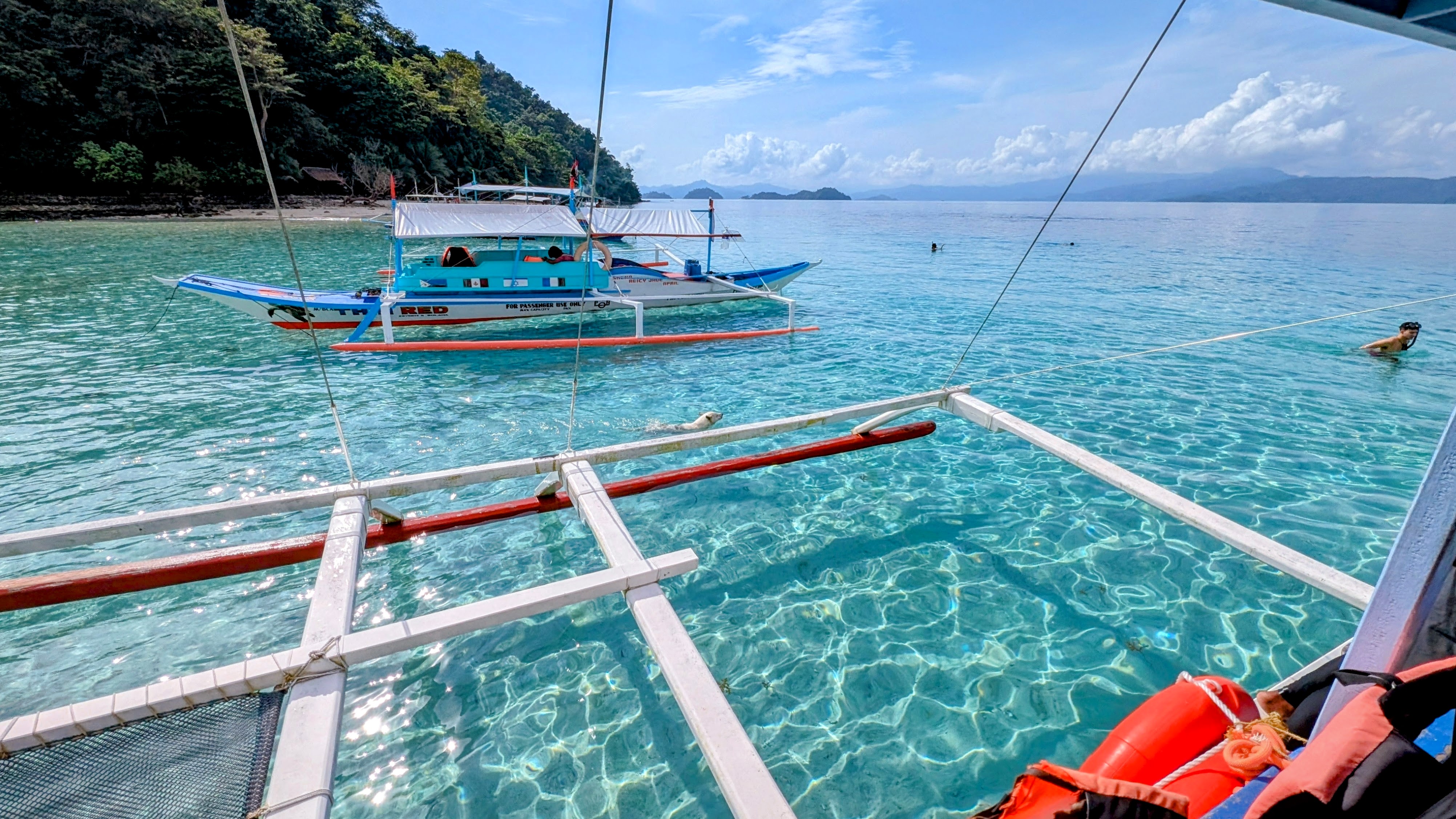
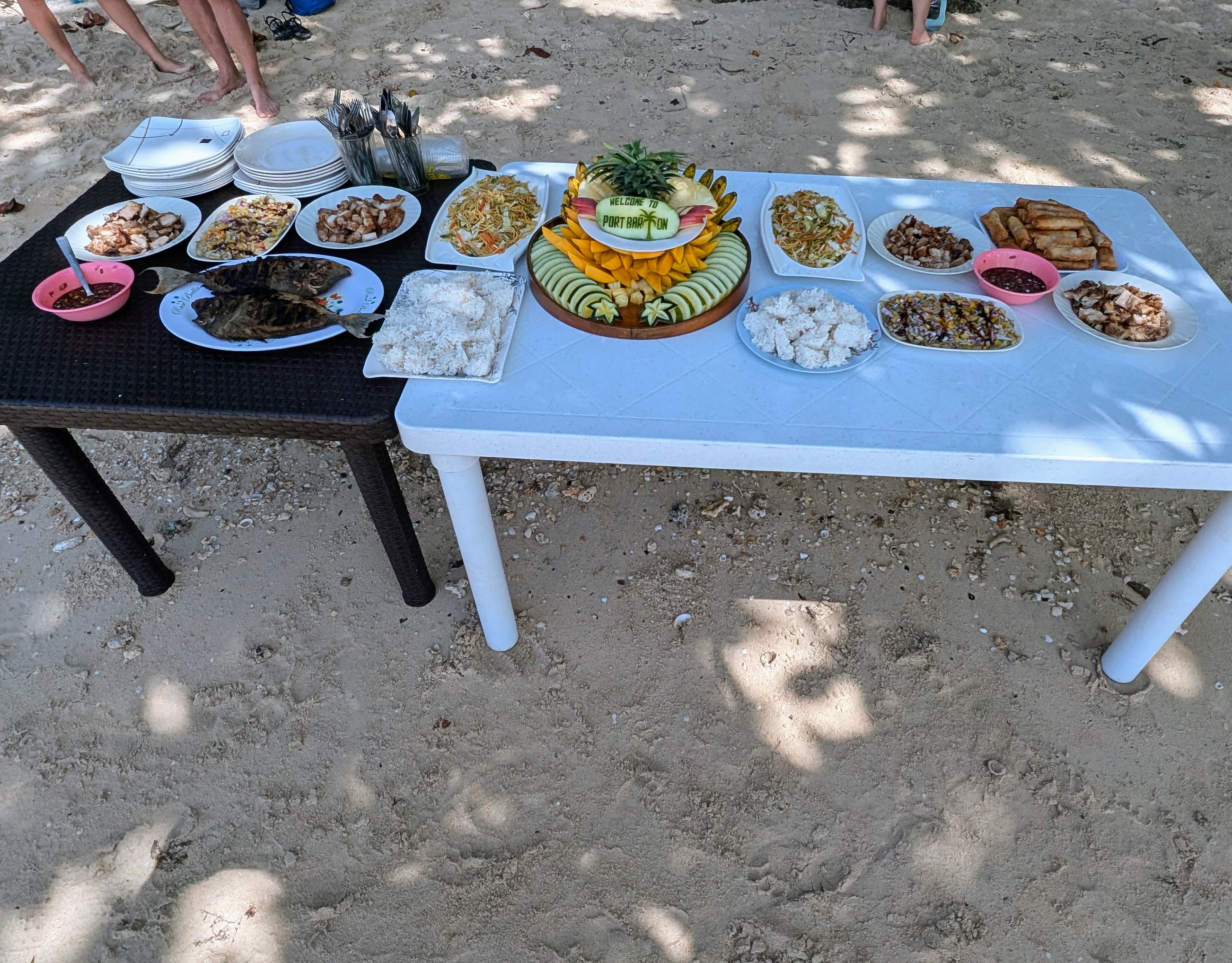
Like other spots in the Philippines, some of the best scenery lies offshore. Port Barton’s island-hopping tours are generally smaller, more relaxed, and less crowded than those operating from El Nido. That being said, our tour was full and we were about 20 people on the tour. During the tour, we visited remote islands, coral gardens, sandbars, and snorkeling sites where sea turtles are regularly spotted. Our tour guides were local and truly cared about preserving nature and ensuring everyone had a great time. Our guide, Benj, was so excited to show us his home as he grew up on an island just a short distance from Port Barton, and that deep connection to the area showed in everything he did. Whether it was warning us about box jellyfish sightings (rare, but still a possibility), trying to stop a tourist’s child from grabbing a starfish at the sandbar, or even pausing to help us give water to a pregnant mother dog on the beach. He and the crew also cooked an impressive feast for us from their little boat kitchen, sharing local cuisine family-style. While there were many other boats touring, they expertly adjusted our timing at each spot for a much more relaxed and less crowded experience.
Generally, the snorkeling was excellent, with healthy coral, abundant fish, and clear water, but some clouds and building thunderstorms affected visibility at times.
Pro Tip: Bring extra water and plenty of reef-safe sunscreen. The tropical sun is stronger than many visitors expect, especially when spending a full day on the water. Tours also only provide water during lunch.
The Food Scene: Surprisingly Outstanding
One of our biggest surprises was the food. For such a small town, Port Barton has an excellent collection of restaurants and cafés. In fact, some of our favourite meals from the entire Philippines trip were eaten here. We particularly enjoyed fresh seafood and pizza at the Black Cat Bistro that rivals some of the best we’ve had elsewhere!
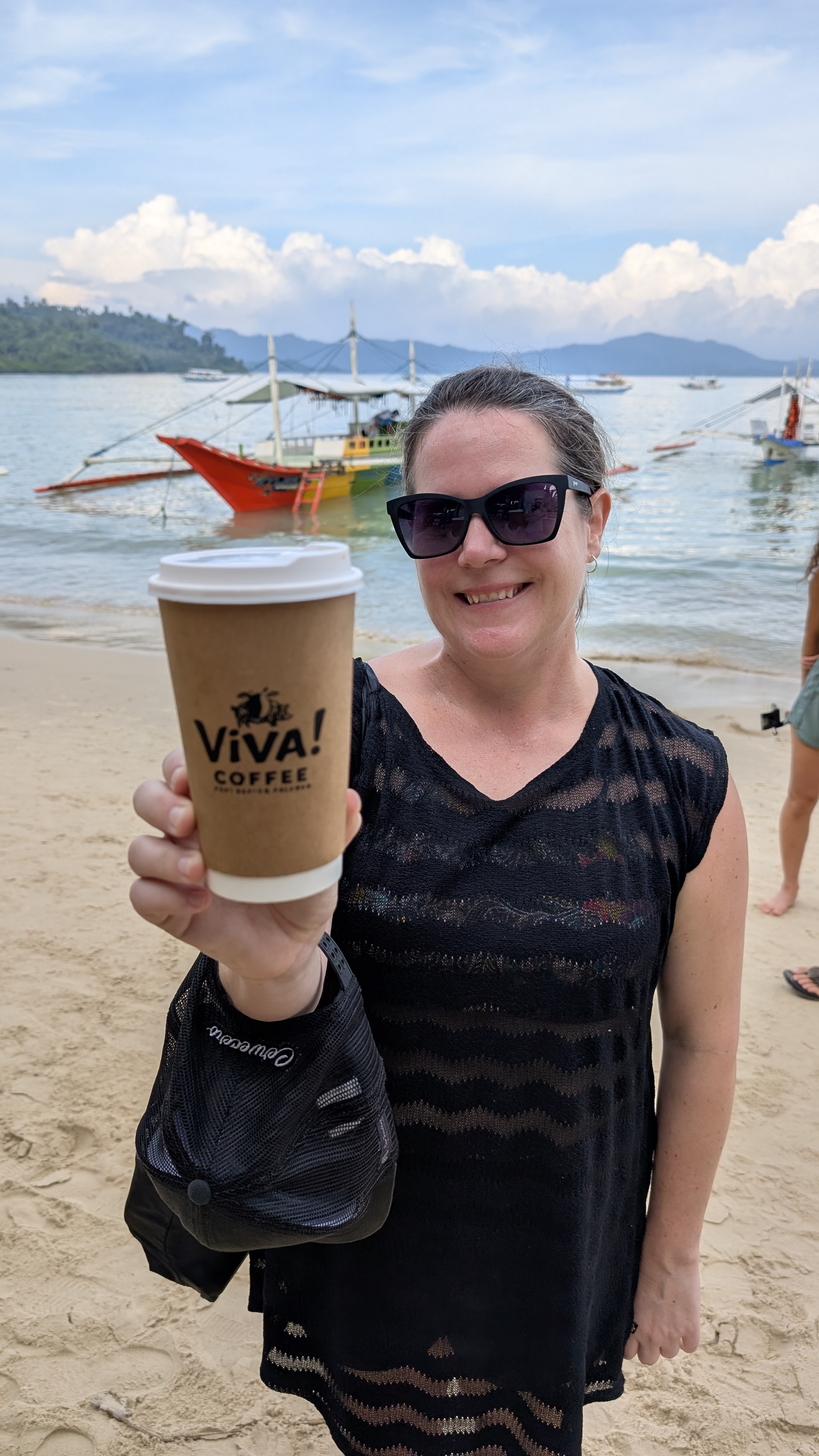
Some places are very small and feel very local. During our visit, we even found what may have been the best kinilaw of the entire trip at Kinilaw. We also enjoyed Viva Coffee for coffee. Because the town is compact, most restaurants are within a short walk of one another, making it easy to sample different spots throughout your stay. Do not assume that a small beach town means limited dining options; Port Barton punches well above its weight.
Who Will Love Port Barton?
Port Barton is not for everyone. If your idea of a tropical vacation involves luxury resorts, beach clubs, extensive nightlife, shopping districts, or endless organized activities, you may prefer Boracay or some parts of El Nido.
However, Port Barton is perfect for travellers who enjoy:
- Slow travel
- Nature
- Quiet beaches
- Small local communities
- Snorkeling
- Kayaking
- Reading by the water
- Disconnecting from daily life
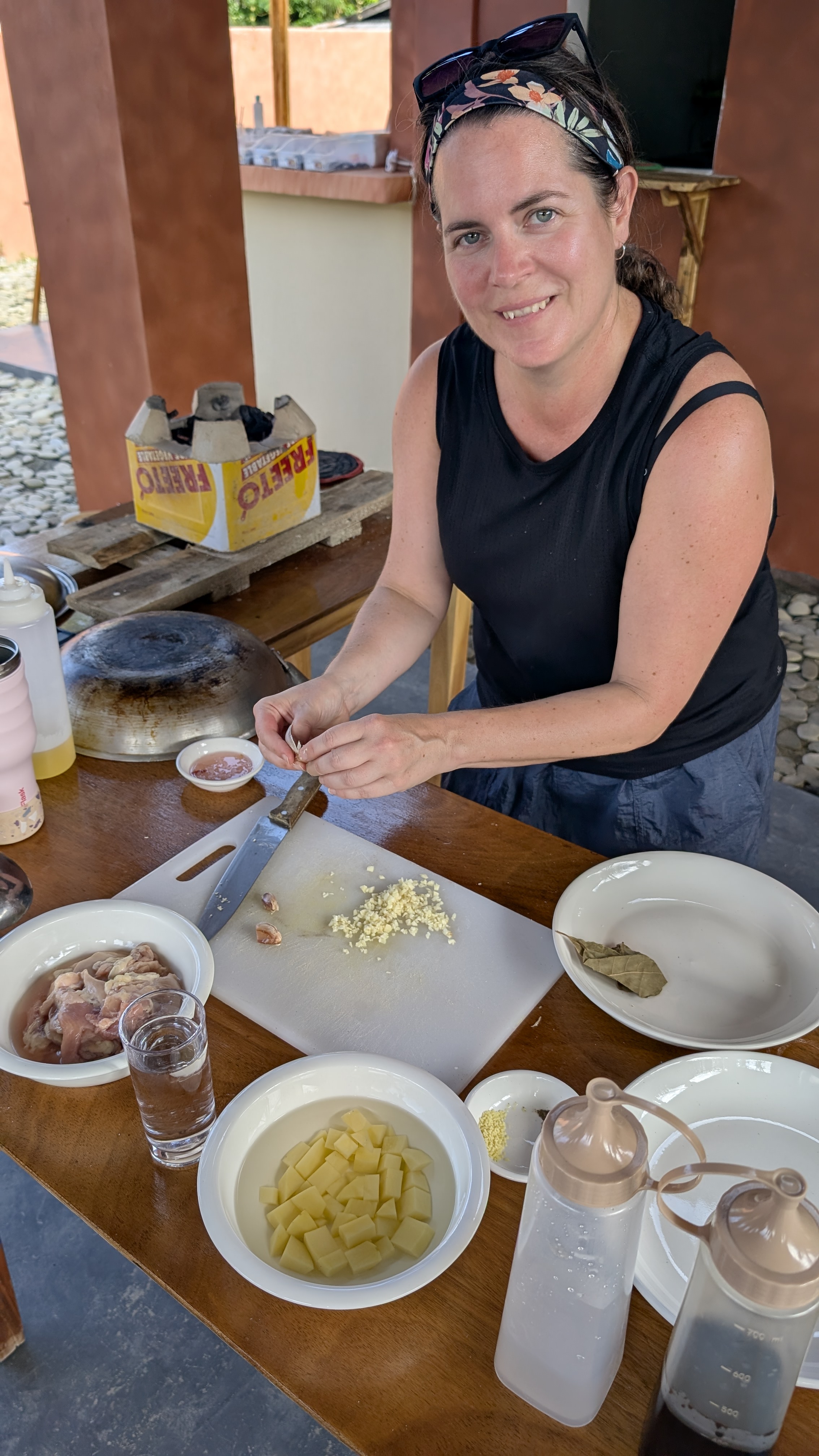
This is the type of destination where many people arrive planning to stay two nights and end up extending for a week. People we met at a cooking class were planning to stay one week despite the spotty Wi-Fi and cell service that made planning the next part of their trip slightly more challenging.
The Last Frontier: Muddy Realities and An Uncertain Future
Calling Port Barton “the last frontier” may be a slight exaggeration. The town is firmly on the tourism map and grows more popular every year. There is still a small community atmosphere here between the locals and also some of the tourists who end up staying longer. It does feel very rustic at times, with rains making the roads muddy to the point of having difficulty walking. Some of the roads into and out of town experience damage during rains, making them a little treacherous.
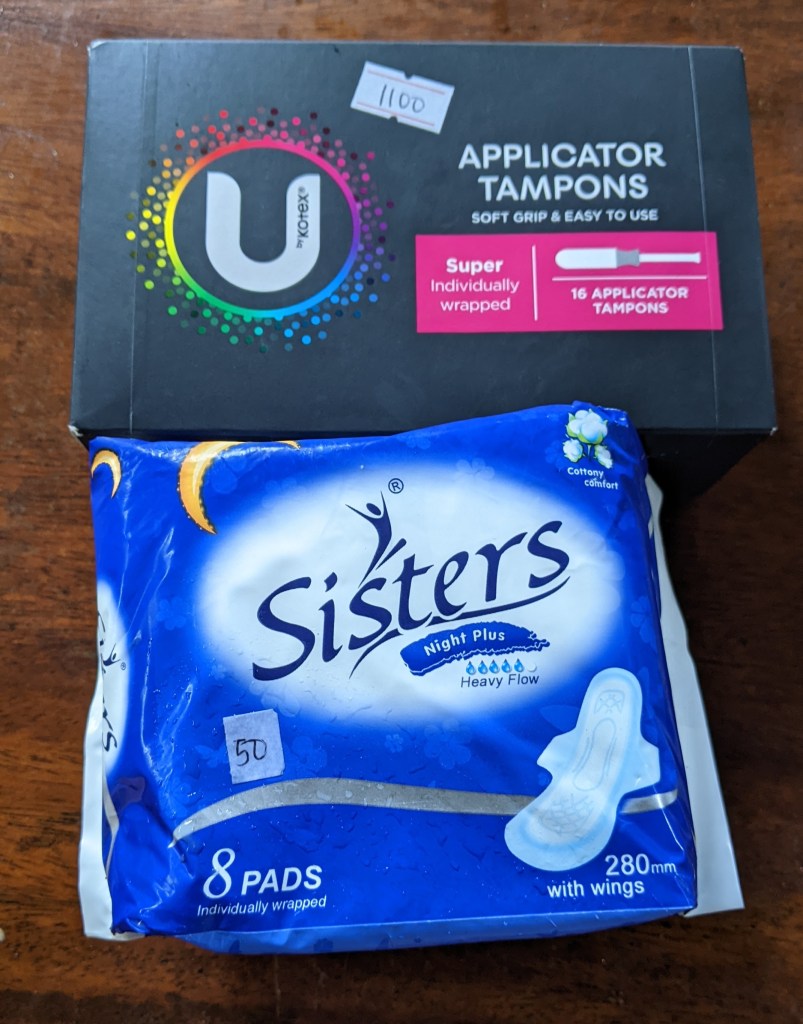
Many shops seem to be operating out of people’s houses with fewer things than you are used to. For example, Max got the last box of very expensive tampons at the pharmacy ($20USD for a box of 16). Our villa had a large kitchen but there wasn’t really a grocery store in town; instead, there was a local market on the street to buy meat, seafood, and other supplies without prices.
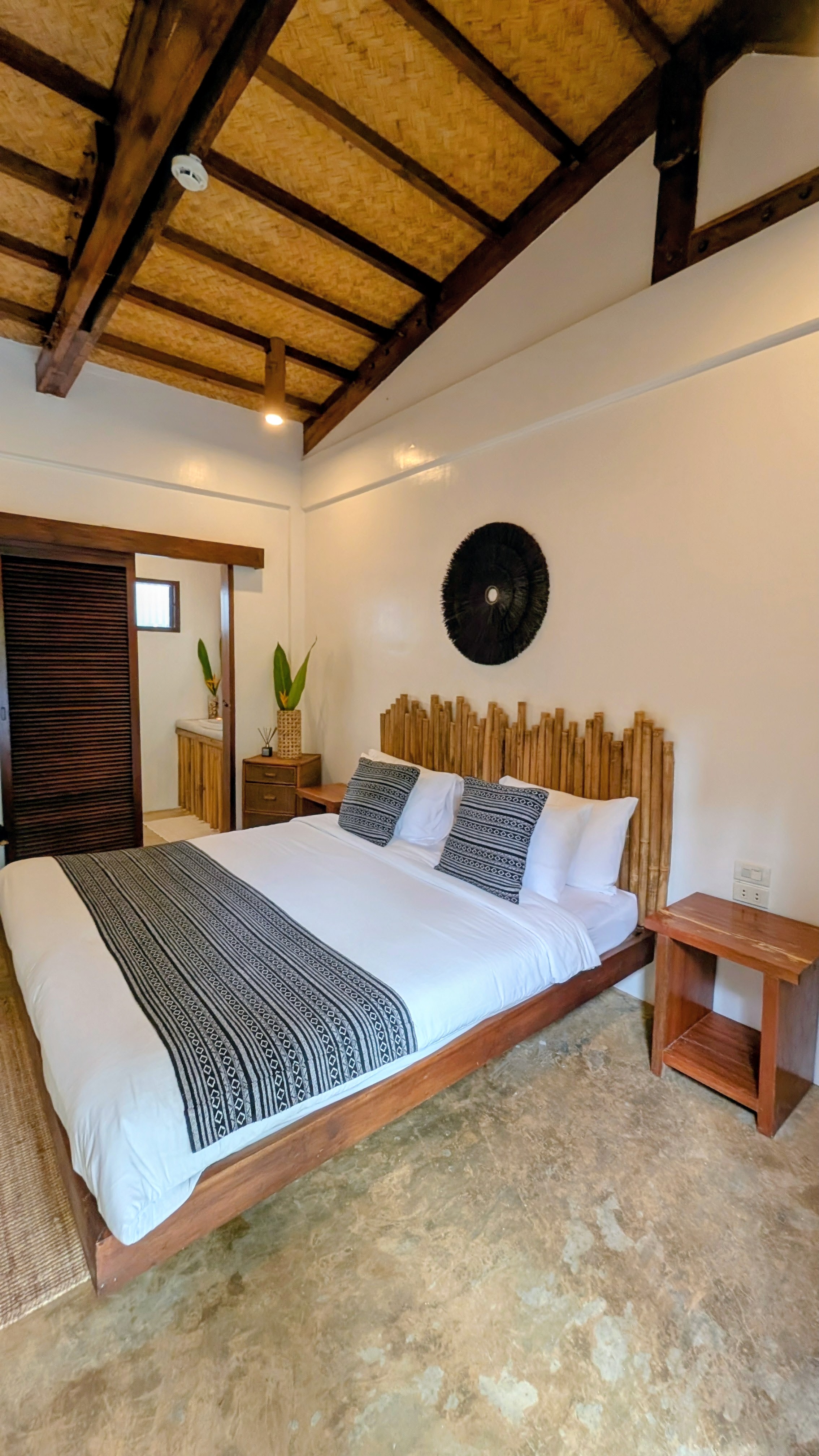
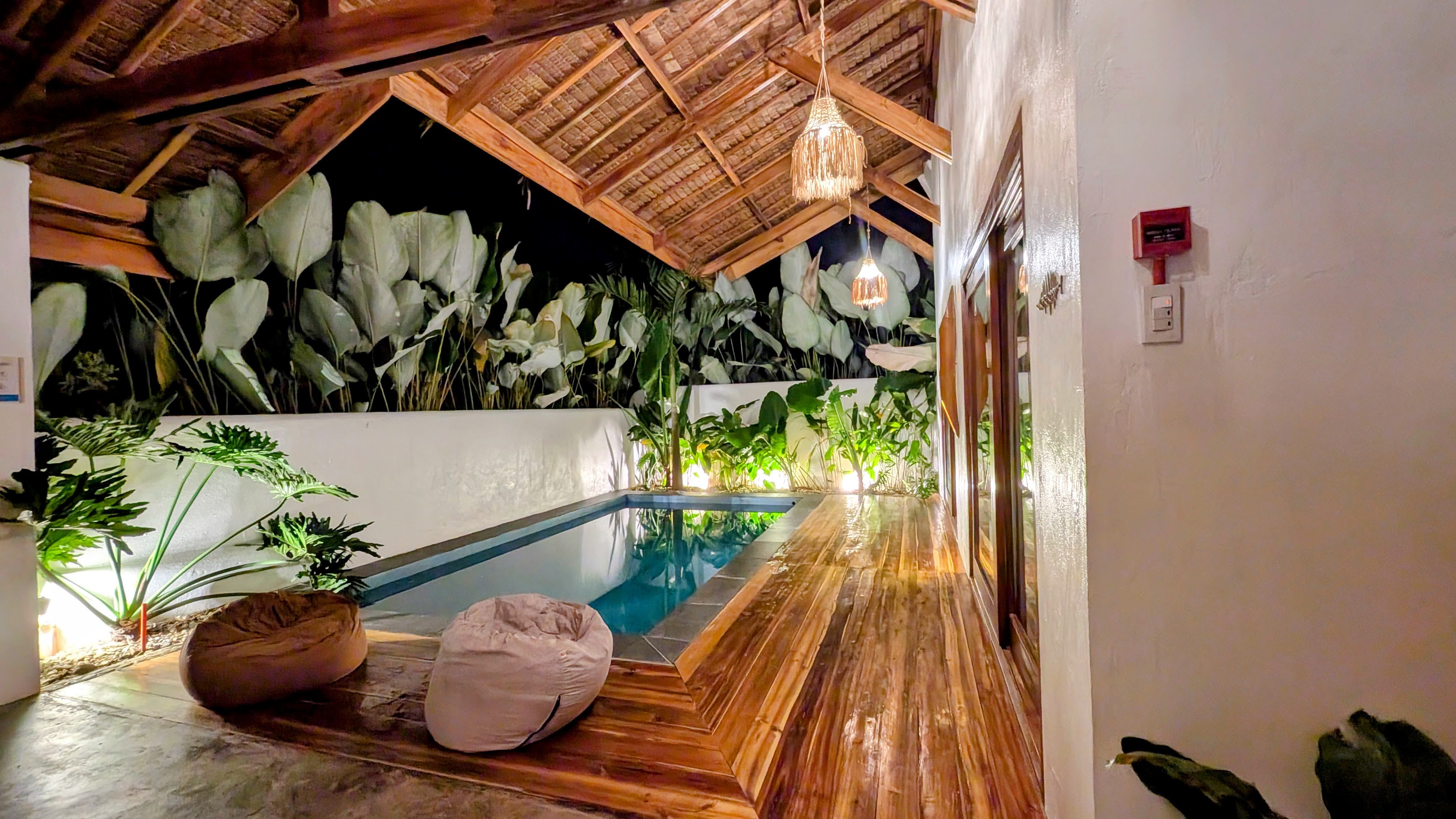
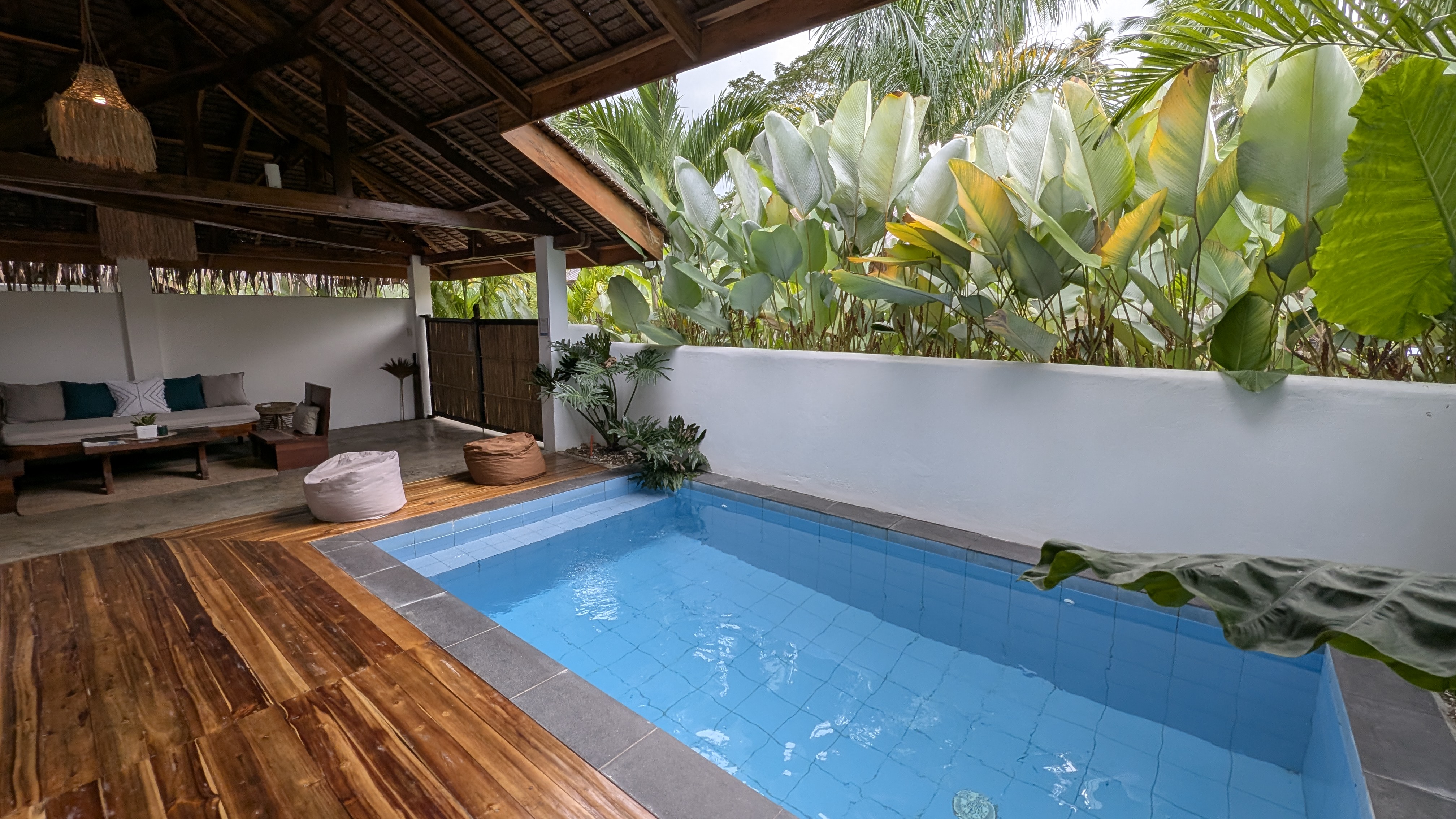
There are also limited places to stay at this time beyond smaller guesthouses and hostel-style accommodation for those looking for more luxurious options.
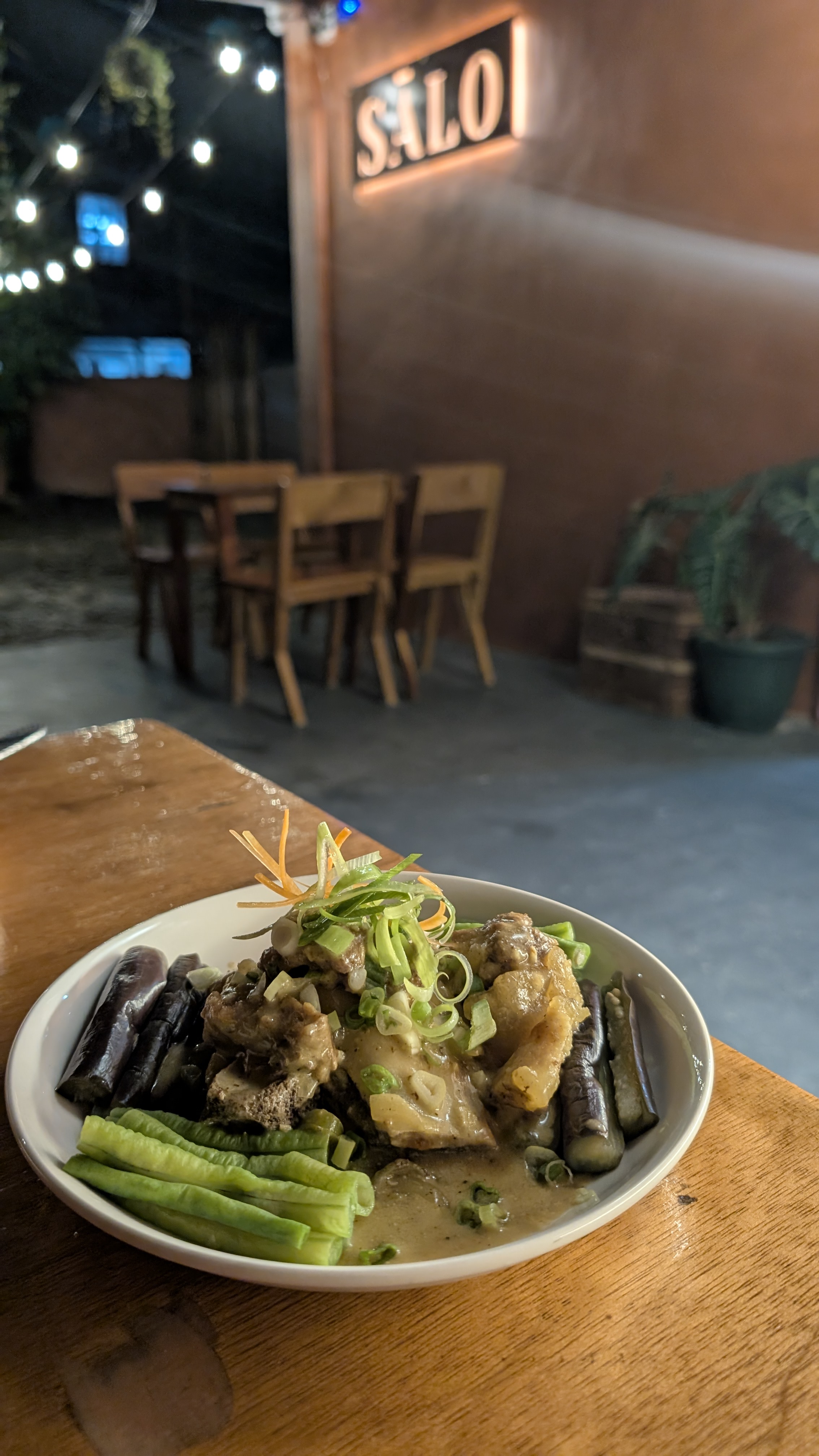
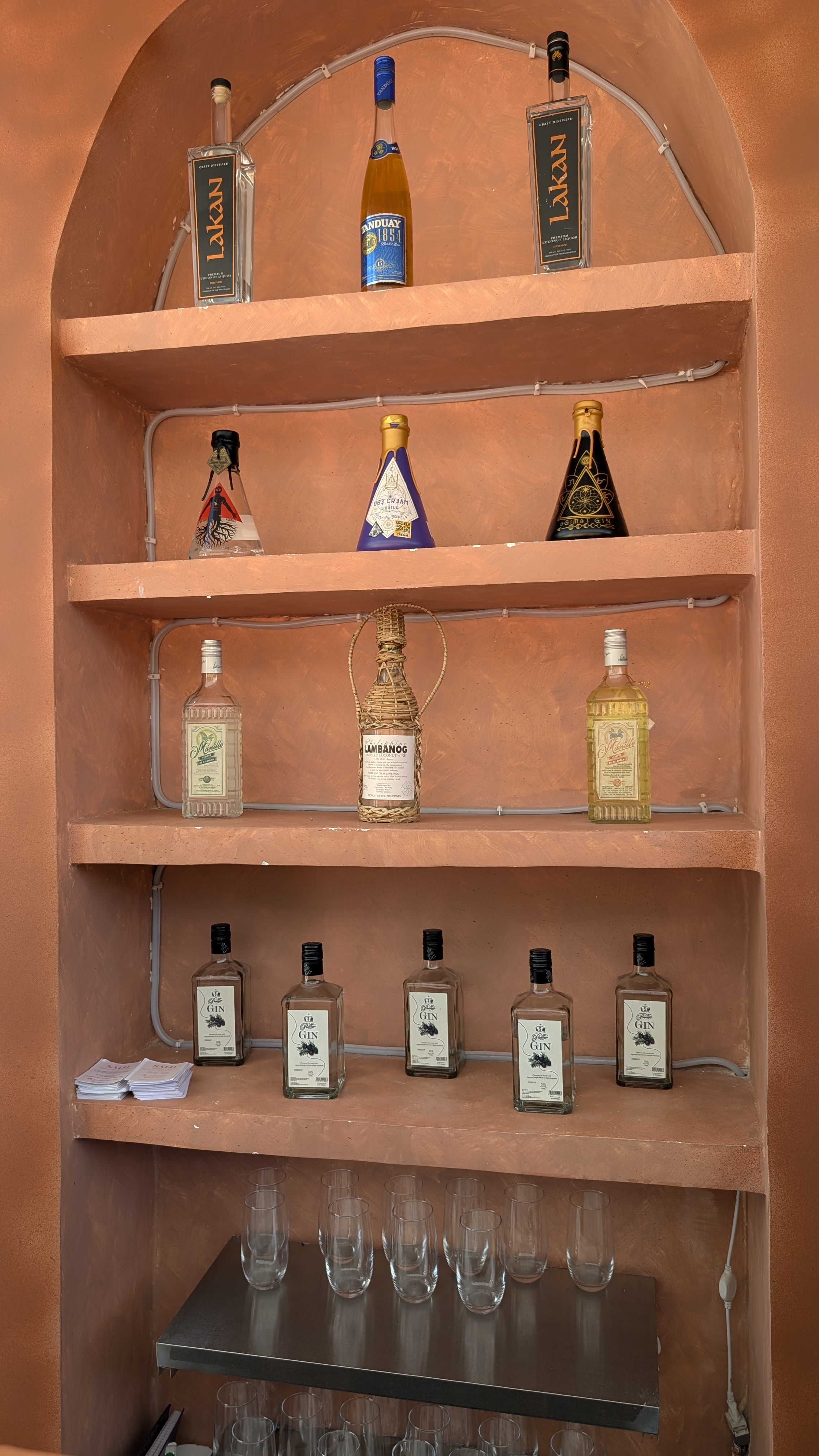
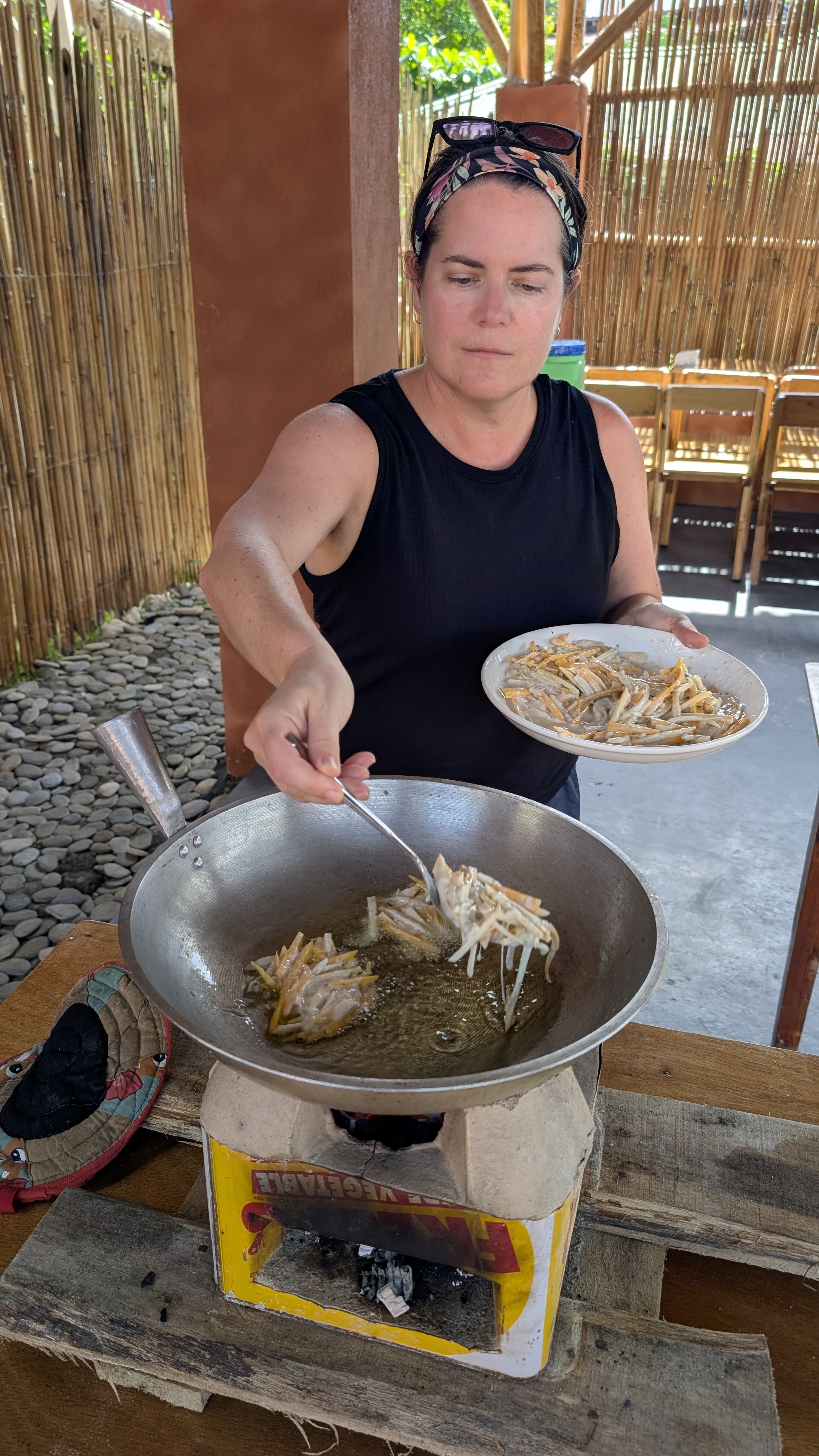
Locals are driving much of this thoughtful growth. Maggie, the owner of Salo Kitchen & Bar, started a higher-end Filipino restaurant serving up her family’s recipes in a trendy setting, complete with a bar stocked only with local spirits and a fun cooking class where her staff will also share their tips and tricks to make the dishes. Just down the road, the owner of Viva Coffee, a Filipino who returned home after living in Canada to embrace a slower pace of life brings that same personal focus to his café.
Beyond the dining scene, you also see a strong sense of community care in how the town looks after its animals. While it was super sad to see so many stray dogs, we really appreciated places like Mojito’s, a restaurant where the staff care for local cats and dogs (including Rider, a rescue dog who proudly barks at every guest). In fact, on the local Facebook group, travellers and locals frequently recommend bringing injured animals to Mojito’s when a vet isn’t available.
When you are in Port Barton, there are still moments when it feels as though you’ve stumbled upon a secret that hasn’t quite reached the wider world yet. It was the destination where we felt most disconnected from schedules, notifications, and deadlines. Days were measured by tides, sunsets, and deciding where to eat dinner rather than by any structured itinerary.
If El Nido seemed to operate in a structured way around tourism, Port Barton was a little more unscripted. However, as Port Barton grows, will investment in infrastructure prevent some of the issues that still plague El Nido and that affected Boracay? Will tourism dollars help the community thrive or erode community structures? Are developments like Blue Ocean Bar, dubbed the world’s largest floating bar, good for the region, or will it bring elements that are unfavorable? As we tried to sleep while the bass pounded from Moon Bar, we couldn’t help but wonder if the locals will seemingly keep welcoming tourists, or will they tire of it if problems arrive due to parties and crime?
Would We Return?
Maybe! We are still relatively young in our exploration of the Philippines and would like to visit other spots, like Siquijor and Siargao. While El Nido delivered the iconic scenery and Boracay delivered the busy beach vacation, Port Barton delivered something different: being somewhere before it develops into something else. We do not know the answers to all of these questions, nor if we will be able to return to Port Barton to see what it ends up like, but we are happy to have visited.
Related Posts:
- The Practical Guide to Planning Your Philippines Vacation
- Boracay: Is It Worth the Trip? Our Honest Verdict
- Hotel Review: Diwatu Villas El Nido – Funky eco-friendly pool villas in El Nido!
- Hotel Review: Maremegmeg Beach Club – A small boutique hotel on one of El Nido’s nicest beaches!
- Hotel Review: The Lind Boracay – A nice resort on Boracay’s White Beach!
- Hotel Review: Seaworthy Boracay – A small boutique hotel on the beach in Boracay!
- Hotel Review: Yumi Villas – one of The nicest places to stay in Port Barton!
- Hotel Review: Grand Hyatt Manila – Convenient location and excellent breakfast!


Leave a comment